The Link Between Exercise and Hair Loss: Does Working Out Cause Thinning?
Homepage

Blog
The Link Between Exercise and Hair Loss: Does Working Out Cause Thinning?
Medical Reviewed By Dr. Tompi, M.D – Plastic & Aesthetic Surgeon
Written By Nazmi G, Trichologist

Many individuals dedicated to their fitness routines eventually notice changes in their hair, leading to a common question: can working out cause hair thinning or loss? This concern is understandable, given the physical and hormonal shifts that occur during exercise. While the direct link is often a misconception, certain aspects of an active lifestyle can indirectly influence hair health, particularly for those already predisposed to hair loss conditions.
Understanding the interplay between physical activity, hormonal balance, scalp health, and nutritional demands is crucial to separating myth from reality. This article delves into the genuine connections, offering clear insights and practical advice to help you maintain both your fitness and your hair's vitality.
The Core Question: Can Exercise Directly Cause Hair Loss?
For most people, regular exercise does not directly cause hair loss. In fact, a healthy, active lifestyle generally contributes to overall well-being, which is beneficial for hair growth. However, extreme physical stress, such as that experienced during periods of overtraining or intense, prolonged endurance events without adequate recovery, can sometimes trigger a temporary condition known as telogen effluvium. This condition causes a significant number of hair follicles to prematurely enter the resting (telogen) phase, leading to increased shedding a few months later. It’s important to distinguish this from progressive, permanent hair loss conditions like androgenetic alopecia.
Hormonal Balance and Hair Health: The Androgen Link
One of the most frequently discussed connections between exercise and hair loss involves hormones, specifically androgens. Intense resistance training, for example, can temporarily elevate testosterone levels in the body. While testosterone itself isn't the direct culprit for genetic hair loss, it can be converted into dihydrotestosterone (DHT) by the enzyme 5-alpha reductase. DHT is the primary hormone responsible for shrinking hair follicles in individuals with a genetic predisposition to male or female pattern baldness (androgenetic alopecia).
However, the temporary spikes in testosterone from typical workouts are generally not significant enough to accelerate hair loss in those without a genetic sensitivity. For individuals genetically predisposed, consistent, very high-intensity training over long periods *could* theoretically contribute to a slightly faster progression, but this is less common than often feared. Moderate exercise, conversely, can help regulate hormone levels and reduce stress, both of which are beneficial for hair health.
Sweat, Scalp Health, and Hair Follicles
Many worry that sweat from exercise can clog hair follicles, leading to hair loss. The reality is that sweat itself, primarily composed of water, salt, and urea, does not block follicles or directly cause hair loss. The concern arises from poor scalp hygiene after sweating. If sweat and oil are left on the scalp for extended periods, they can create an environment conducive to bacterial or fungal overgrowth. This can lead to scalp conditions such as folliculitis (inflammation of hair follicles) or tinea capitis (a fungal infection), which *can* cause temporary hair loss or damage to the follicles.
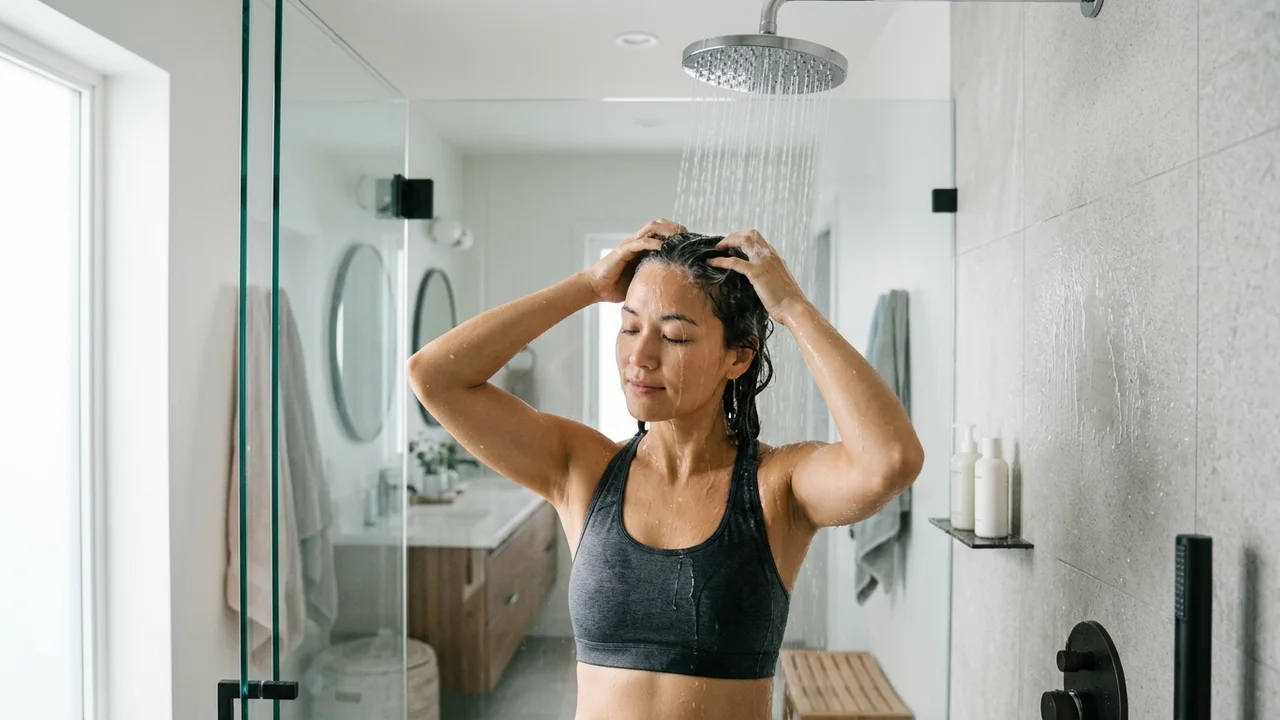
Maintaining good scalp hygiene is key. After a workout, rinsing your hair with water or using a mild, pH-balanced shampoo can effectively remove sweat and impurities, preventing potential scalp issues. This simple step helps keep your hair follicles healthy and clear.
Nutritional Considerations for Active Individuals
Intense physical activity increases the body's demand for nutrients. If these demands are not met through a balanced diet, nutritional deficiencies can arise, which may impact hair health. Hair follicles are among the fastest-growing cells in the body, requiring a steady supply of vitamins, minerals, and protein to function optimally.
Key nutrients for hair health include iron, zinc, B vitamins (especially biotin), and adequate protein. Athletes and highly active individuals might be at a higher risk of deficiencies if their diet doesn't compensate for increased energy expenditure and nutrient usage. For instance, insufficient iron can lead to anaemia, a known cause of hair shedding. Consulting a nutritionist or a healthcare professional for personalised dietary advice or supplementation, especially if you suspect a deficiency, can be a proactive step towards supporting both your fitness goals and hair vitality.
Stress, Overtraining, and Telogen Effluvium
Beyond the direct physical exertion, the stress associated with overtraining can significantly affect hair. Chronic physical stress, similar to psychological stress, elevates cortisol levels in the body. High and prolonged cortisol levels can disrupt the natural hair growth cycle, pushing more hair follicles into the resting (telogen) phase prematurely, leading to increased shedding months later – a manifestation of telogen effluvium.
Overtraining occurs when the body doesn't get sufficient rest and recovery between intense workouts. Signs of overtraining can include persistent fatigue, decreased performance, mood disturbances, and disrupted sleep. Monitoring metrics like heart rate variability (HRV) can offer insights into your body's recovery status. Ensuring adequate rest, sleep, and managing overall life stress are as crucial for hair health as they are for athletic performance.
The Benefits of Exercise for Hair Health (When Done Right)
It's important to reiterate that, when performed correctly and balanced with adequate recovery, exercise offers significant benefits that can positively impact hair health. Regular physical activity improves blood circulation throughout the body, including the scalp. Enhanced blood flow delivers more oxygen and essential nutrients to the hair follicles, supporting their growth and overall health.
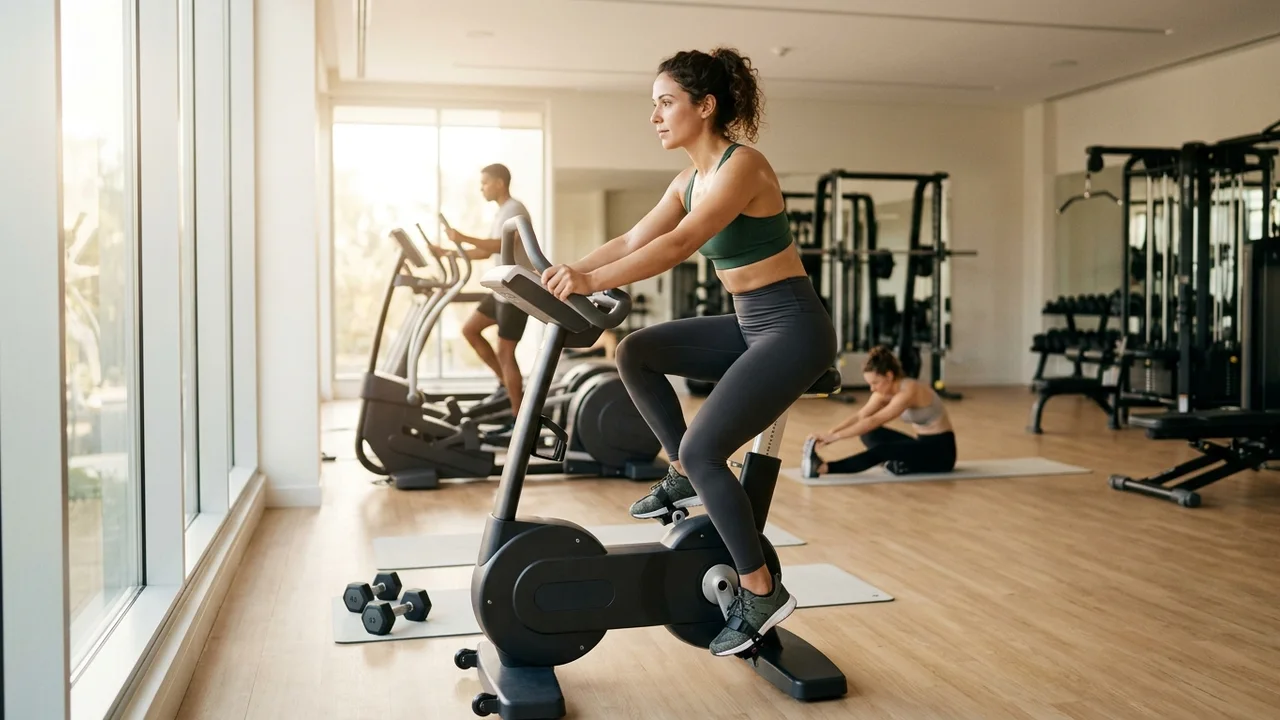
Moreover, exercise is a powerful stress reliever. By reducing cortisol levels and promoting the release of endorphins, it helps mitigate the negative effects of stress on the hair growth cycle. Moderate aerobic exercise, such as brisk walking, jogging, or cycling for 30 minutes, three to five times a week, is generally considered highly beneficial for both physical and mental well-being, which in turn supports a healthy environment for hair growth.
Practical Tips for Exercising Without Harming Your Hair
To enjoy the benefits of exercise without inadvertently contributing to hair concerns, consider these practical tips:
- Maintain Scalp Hygiene: Wash your hair regularly, especially after intense workouts, using a mild, pH-balanced shampoo to remove sweat and prevent build-up.
- Hydrate Adequately: Drink plenty of water throughout the day to support overall bodily functions, including hair health.
- Ensure Balanced Nutrition: Fuel your body with a nutrient-rich diet to meet the increased demands of exercise. Consider supplements only if advised by a healthcare professional.
- Manage Stress and Avoid Overtraining: Incorporate rest days, prioritise sleep, and practice stress-reduction techniques. Listen to your body and avoid pushing it to extreme limits consistently.
- Choose Loose Hairstyles: During workouts, opt for loose ponytails, braids, or headbands rather than tight styles that can cause traction on hair follicles, potentially leading to traction alopecia.
- Protect Hair from Environmental Factors: If exercising outdoors, protect your hair from excessive sun exposure. If swimming, wet your hair with clean water before entering the pool and wash it immediately afterwards to minimise chlorine damage.
- Gentle Drying: Use a microfiber towel to gently blot and dry your hair instead of vigorous rubbing, which can cause breakage.
When to Seek Professional Advice for Hair Loss
If you are experiencing persistent or sudden hair thinning, or if your concerns about hair loss persist despite addressing lifestyle factors, it is crucial to seek professional medical advice. A dermatologist can help diagnose the underlying cause of your hair loss, which could range from genetic factors like androgenetic alopecia to conditions such as alopecia areata, thyroid issues, or other medical conditions.
For those diagnosed with genetic hair loss or significant thinning where other treatments have not been effective, advanced solutions like hair transplants may be a viable option. Procedures such as FUE (Follicular Unit Excision) or DHI (Direct Hair Implantation) offer effective, natural-looking results by transplanting healthy follicles to thinning areas. At Turkey Hair Center, our specialists can assess your specific situation and discuss suitable treatment paths.
| Concern | Myth | Reality |
|---|---|---|
| Sweat | Blocks follicles, causes hair loss. | Sweat itself doesn't cause hair loss; poor hygiene after sweating can lead to scalp issues like folliculitis. |
| Hats/Headbands | Suffocates hair, causes balding. | No, unless extremely tight (leading to traction alopecia) or traps moisture, encouraging scalp infections. |
| Intense Workouts | Directly increases DHT, causing baldness. | May temporarily elevate testosterone (precursor to DHT), but significant impact on genetic hair loss is typically only seen in predisposed individuals with extreme training. |
| Protein Shakes | Lead to rapid hair thinning. | No direct link to hair loss. Ensure a balanced diet, as excessive supplementation without proper nutrition can be counterproductive. |
| Overtraining | Boosts hair growth through improved circulation. | Chronic physical stress from overtraining can trigger temporary hair shedding (telogen effluvium) due to hormonal imbalances. |
Medical disclaimer: This article is for informational purposes only and is not medical advice. Individual results vary from person to person. Always consult a qualified doctor before any hair transplant procedure.
Get a Free Hair Analysis from Our Experts
Use our free online help tool to communicate your hair loss concerns – it only takes a few minutes. We’ll provide you with a personalized, non-binding quote.
Let’s Call You!

Popular Blogs
Hair Transplant Recovery Timeline: Day-by-Day, Week-by-Week and Month-by-Month Guide
Hair Transplant Recovery Timeline: Day-by-Day, Week-by-Week and Month-by-Month Guide Free Hair Analysis Homepage Blog Wayne…
Justin Bieber Hair Transplant: Hairline Analysis, Before & After Photos, Rumors & Expert Opinion
Justin Bieber Hair Transplant: Hairline Analysis, Before & After Photos, Rumors & Expert Opinion Free…
Wayne Rooney Hair Transplant: Before & After
Wayne Rooney Hair Transplant: Before & After Free Hair Analysis Homepage Blog Wayne Rooney Hair…
Conor McGregor Hair Transplant: Before & After
Conor McGregor Hair Transplant: Before & After Free Hair Analysis Homepage Blog Conor McGregor Hair…
Turkey Visa Requirements for Hair Transplant in Turkey
Turkey Visa Requirements for Hair Transplant in Turkey Free Hair Analysis Homepage Blog Turkey Visa…
David Silva Hair Transplant: Before & After
David Silva Hair Transplant: Before & After Free Hair Analysis Homepage Blog Discover David Silva…
Ready To
Book Your Appointment?
Reach out to us or complete our simple online form
and we’ll contact you to schedule a time that works perfectly for you.



Frequently Asked Questions