Is a Hair Transplant Worth It? An Honest Cost-Benefit Look
Homepage

Blog
Is a Hair Transplant Worth It? An Honest Cost-Benefit Look

Medical Reviewed By Dr. Tompi, M.D – Plastic & Aesthetic Surgeon
Written By Nazmi G, Trichologist


For suitable candidates with stable, patterned hair loss and a sufficient donor area, a hair transplant offers a permanent, one-time restoration. This procedure can eliminate the ongoing expense and effort of styling aids or concealers. All-inclusive packages in Turkey typically range from £1,500 to £6,000, providing clinical standards comparable to those in the UK or US, where costs can range from £5,000 to over £20,000.
Hair loss, clinically known as alopecia, is a medical condition with significant psychological effects that can influence confidence and self-image. While many treatments exist, hair transplantation is a surgical solution that physically relocates healthy, growing hair follicles to areas of thinning or baldness.
Assessing the value of this procedure requires a clear understanding of the financial commitment, the surgical process, and the realistic outcomes. With modern techniques and increased global access, it is possible to make a well-informed decision based on clinical facts rather than emotion.
Understanding Hair Loss and Its Profound Impact
Before considering surgical solutions, it is important to understand the condition itself. Androgenetic alopecia, or pattern baldness, is the most common cause of hair loss and affects a large percentage of the population. While not physically harmful, its psychological impact is well-documented and can include:
- Reduced Confidence: The visible signs of hair loss are often associated with ageing, which can directly affect self-esteem.
- Social Avoidance: Discomfort with one's appearance may lead some individuals to withdraw from social or professional engagements.
- Career Concerns: Some individuals express anxiety that a prematurely aged appearance could be a disadvantage in the workplace.
- Emotional Distress: The progressive nature of hair loss can be a source of ongoing frustration, anxiety, and low mood.
Acknowledging these factors is essential to appreciating why a permanent restorative procedure is a compelling option for many patients.
What Exactly is a Hair Transplant? The Modern Approach
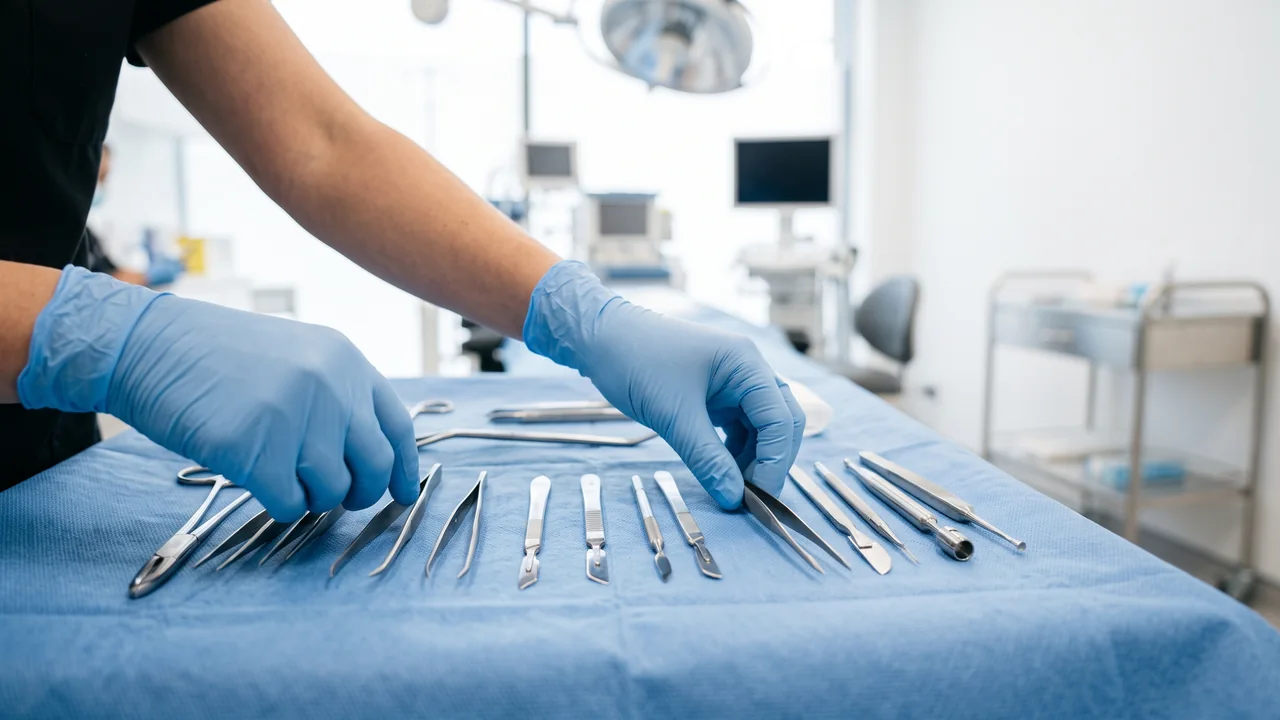
A hair transplant is a surgical technique involving the autologous transplantation of hair follicles. Follicles are harvested from a 'donor area'—typically the back and sides of the scalp where they are genetically resistant to balding—and implanted into a 'recipient area' of thinning or baldness. These follicles retain their genetic resistance and will continue to grow for life in the new site.
The leading techniques performed today are:
- Follicular Unit Extraction (FUE): Individual follicular units, each containing 1-4 hairs, are extracted one by one from the donor area using a specialised micro-punch instrument. They are then implanted into small incisions in the recipient zone. This method avoids a linear scar, facilitating a shorter recovery period. Sapphire FUE is a refinement where incisions are made with sapphire blades for potentially greater precision.
- Direct Hair Implantation (DHI): A modified FUE technique where extracted follicles are loaded into a Choi Implanter Pen and implanted directly into the scalp. This tool gives the surgeon precise control over the depth, angle, and direction of each graft, which is crucial for achieving a dense, natural-looking result.
The success of either technique is highly dependent on the skill and experience of the surgical team, who must create a hairline and density pattern that appears entirely natural.
The Financial Investment: What Does a Hair Transplant Truly Cost?
The cost of a hair transplant is a primary patient consideration and varies significantly. It is important to note that price is influenced by multiple factors, and a lower cost in a different country does not necessarily imply a lower standard of care. Key determinants of cost include:
- Surgeon and Clinic Reputation: Esteemed surgeons and clinics with extensive track records often have higher fees.
- Surgical Technique: DHI may be priced differently than FUE due to the specific instrumentation and labour-intensive nature of the procedure.
- Number of Grafts: The total cost is directly proportional to the number of follicular units required to address the patient's area of hair loss.
- Geographic Location: Healthcare economies differ vastly. Countries like Turkey have lower operational costs, allowing clinics to offer services at a more competitive price point than in the UK, Western Europe, or North America.
- Package Inclusions: All-inclusive packages often bundle the procedure with accommodation, ground transport, and post-operative supplies, whereas other clinics price these items separately.
The following table provides a general comparison of market price ranges for an FUE or DHI procedure in 2026:
| Location | Approximate Cost Range (1500-2500 Grafts) | Approximate Cost Range (3000-5000+ Grafts) | What's Typically Included |
|---|---|---|---|
| Turkey (e.g., Istanbul) | £1,500 - £3,500 | £2,500 - £6,000 | Procedure, medications, aftercare, accommodation, transfers (often all-inclusive packages) |
| United Kingdom | £4,000 - £8,000 | £7,000 - £15,000+ | Procedure, basic aftercare. Accommodation/travel separate. |
| Western Europe (e.g., Germany, France) | €4,500 - €9,000 | €8,000 - €18,000+ | Procedure, basic aftercare. Accommodation/travel separate. |
| Canada / Canada | $5,000 - $12,000 | $10,000 - $25,000+ | Procedure, basic aftercare. Accommodation/travel separate. |
Patients should also budget for flights and consider the potential need for medical therapies like Finasteride or Minoxidil, which may be recommended to maintain existing native hair.
Beyond the Price Tag: The Intangible Benefits
While the financial cost is a clear factor, patients consistently report that the psychological and lifestyle benefits are the most valuable outcomes. The return on investment is often measured in quality of life.
- Restored Confidence: A significant improvement in hair density can have a profound positive impact on a patient's self-esteem and public presentation.
- A More Youthful Appearance: Restoring a natural hairline can create a more youthful frame for the face, altering how patients perceive themselves and how they are perceived by others.
- Social and Professional Confidence: Increased self-assurance often translates into more comfortable and assertive interactions in both social and professional contexts.
- A Permanent Solution: Transplanted hair is a long-term solution. It grows, can be cut, and styled like natural hair, eliminating the need for temporary fixes.
- Freedom from Concealment Strategies: Patients no longer need to rely on hats, hair fibres, or strategic styling to hide thinning areas, providing a sense of freedom.
- Reduced Anxiety: Alleviating the persistent stress associated with progressive hair loss can significantly improve a patient's overall mental well-being.
For many, these outcomes represent a worthwhile investment in their personal and psychological health.
Potential Downsides and Important Considerations
A responsible assessment must include the potential risks and limitations of the procedure. A successful outcome depends on managing expectations and understanding the following points:
- Recovery Period: The initial post-operative phase involves swelling, redness, and scabbing for 7-10 days. Strict adherence to aftercare protocols is essential for proper healing and graft survival.
- Realistic Expectations: A transplant redistributes existing hair; it does not create new follicles. The final density is determined by the quality and quantity of your donor hair relative to the size of the recipient area. A complete return to teenage-era density is not a realistic goal.
- Finite Donor Supply: The donor area contains a limited number of follicles. A reputable surgeon will create a long-term plan that preserves the donor area and avoids over-harvesting, which can cause visible thinning.
- Surgical Risks: As with any surgical procedure, there are small risks, including infection, prolonged swelling, or poor graft growth. These risks are minimised by choosing an accredited clinic with an experienced surgeon.
- Progression of Hair Loss: The transplant does not stop androgenetic alopecia. Your native, non-transplanted hair may continue to thin over time. Medical treatments like Finasteride or Minoxidil are often recommended to stabilise this loss and protect the long-term result.
- Clinic and Surgeon Selection: The single most important factor for success is the skill of the surgical team. Inadequate technique can lead to unnatural results or poor growth. Diligent research into a clinic's credentials and surgeon's experience is critical.
Understanding these factors allows a patient to approach the decision with a balanced and informed perspective.

The Turkey Advantage: Why Istanbul is a Global Hub for Hair Transplants
Istanbul has become a leading international centre for hair restoration. This reputation is built on a combination of factors that provide significant value to patients from around the world.
- High Level of Specialisation: The sheer volume of procedures performed in Istanbul's top clinics leads to a high degree of surgical specialisation and refined techniques. Surgeons here are among the most experienced in the world.
- Adoption of Advanced Technology: The competitive environment encourages clinics to invest in and master the latest technologies, including Sapphire FUE and DHI, which are standard practice in reputable centres.
- Cost-Effectiveness: Favourable economic conditions and lower operational costs allow Turkish clinics to offer these advanced procedures at a price point that is significantly lower than in the UK, Europe, and North America, without compromising on quality.
- Integrated Patient Services: Many clinics, including Turkey Hair Center, provide all-inclusive packages. These logistical arrangements, covering the procedure, hotel, and transfers, are designed to simplify the process for international patients.
- Strong Medical Tourism Infrastructure: Istanbul is a global travel hub with a robust infrastructure built to support international patients, including multilingual clinic staff and high standards of hospital care.
For patients seeking high-quality clinical outcomes at an accessible cost, Turkey offers a well-established and credible option.
Making an Informed Decision: Is It Right For You?
The final decision to undergo a hair transplant is medical and personal. To determine if it is the correct choice, a candidate should systematically evaluate their own circumstances.
- Define Your Objectives: Clarify what you hope to achieve with the surgery and discuss whether these goals are realistic with a medical professional.
- Assess Your Financial Position: Ensure you can manage the cost of the procedure and associated travel without causing financial strain.
- Evaluate Your General Health: You must be in good health to be a suitable candidate for any elective surgery. Disclose your full medical history to your surgeon.
- Conduct Thorough Research: Investigate different clinics, compare their results, and understand the techniques they employ. Look for patient reviews and surgeon credentials.
- Seek a Professional Consultation: This is the most critical step. A consultation with a qualified surgeon is necessary to assess your pattern of hair loss, evaluate your donor area, and develop a personalised surgical plan that aligns with achievable results.
By carefully considering these points, you can make a rational decision about whether a hair transplant is a worthwhile investment for your future.
Medical disclaimer: This article is for informational purposes only and is not medical advice. Individual results vary from person to person. Always consult a qualified doctor before any hair transplant procedure.
Get a Free Hair Analysis from Our Experts
Use our free online help tool to communicate your hair loss concerns – it only takes a few minutes. We’ll provide you with a personalized, non-binding quote.
Let’s Call You!

Popular Blogs
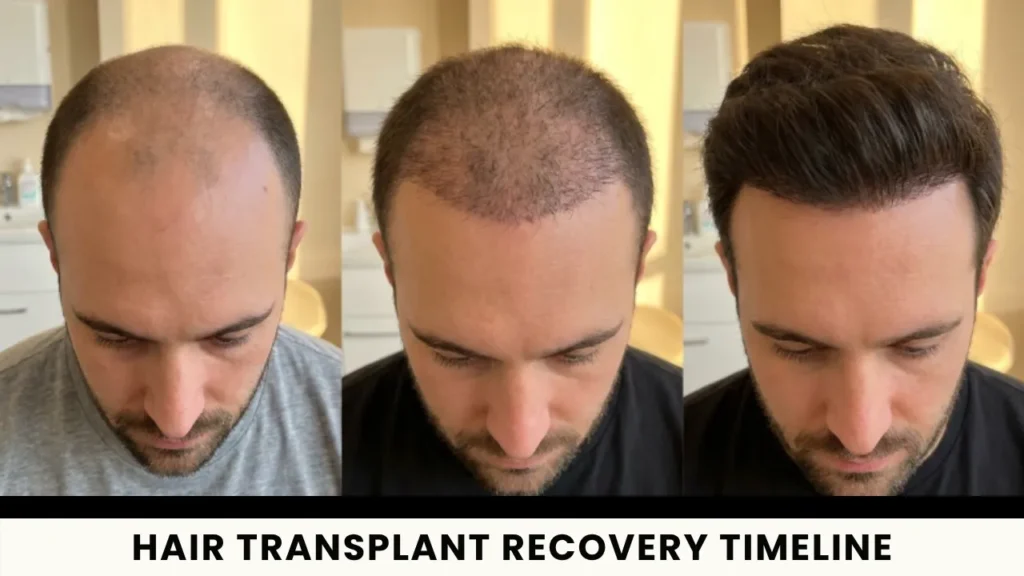
Hair Transplant Recovery Timeline: Day-by-Day, Week-by-Week and Month-by-Month Guide
Hair Transplant Recovery Timeline: Day-by-Day, Week-by-Week and Month-by-Month Guide Free Hair Analysis Homepage Blog Wayne…
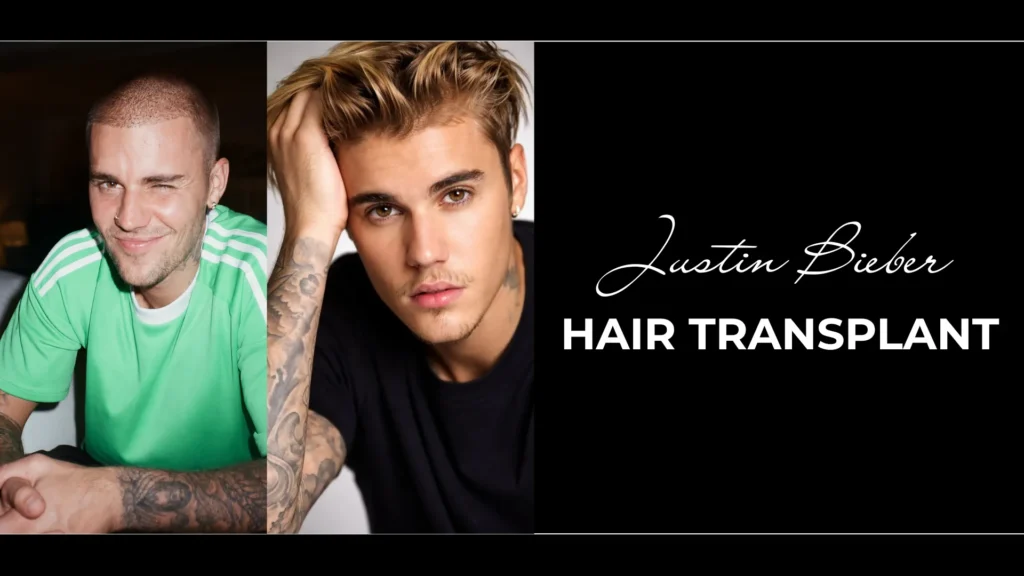
Justin Bieber Hair Transplant: Hairline Analysis, Before & After Photos, Rumors & Expert Opinion
Justin Bieber Hair Transplant: Hairline Analysis, Before & After Photos, Rumors & Expert Opinion Free…
Wayne Rooney Hair Transplant: Before & After
Wayne Rooney Hair Transplant: Before & After Free Hair Analysis Homepage Blog Wayne Rooney Hair…

Conor McGregor Hair Transplant: Before & After
Conor McGregor Hair Transplant: Before & After Free Hair Analysis Homepage Blog Conor McGregor Hair…
Turkey Visa Requirements for Hair Transplant in Turkey
Turkey Visa Requirements for Hair Transplant in Turkey Free Hair Analysis Homepage Blog Turkey Visa…
David Silva Hair Transplant: Before & After
David Silva Hair Transplant: Before & After Free Hair Analysis Homepage Blog Discover David Silva…
Ready To
Book Your Appointment?
Reach out to us or complete our simple online form
and we’ll contact you to schedule a time that works perfectly for you.



Frequently Asked Questions