Hair Loss in Teenagers: Understanding Causes and When to Seek Treatment in 2026
Homepage

Blog
Hair Loss in Teenagers: Understanding Causes and When to Seek Treatment in 2026

Medical Reviewed By Dr. Tompi, M.D – Plastic & Aesthetic Surgeon
Written By Nazmi G, Trichologist

Hair loss can be a particularly distressing experience at any age, but for teenagers, who are often navigating significant physical and emotional changes, it can feel overwhelming. While often associated with adulthood, hair thinning or shedding can affect adolescents, raising concerns about appearance, self-esteem, and underlying health conditions. Understanding the specific reasons behind hair loss in this age group is the crucial first step towards effective management and regaining confidence.
Unlike adult pattern baldness, which is predominantly genetic, hair loss in teenagers frequently stems from a range of diverse factors, many of which are treatable. Identifying these causes early is paramount to preventing further progression and ensuring the teenager receives appropriate care. This guide will explore the most common culprits, outline diagnostic pathways, and detail when professional medical intervention is advisable.
Understanding Hair Loss in Adolescence
Hair loss in teenagers presents differently than in older adults. For instance, androgenetic alopecia, or male/female pattern baldness, is less common as a primary diagnosis in this age group, though it can manifest early in some individuals. Instead, adolescent hair loss is more frequently linked to temporary, reversible conditions, or underlying health issues that require specific medical attention. The hair growth cycle involves three phases: anagen (growth), catagen (transition), and telogen (resting). Disruptions to this cycle, such as premature entry into the telogen phase, can lead to noticeable shedding.
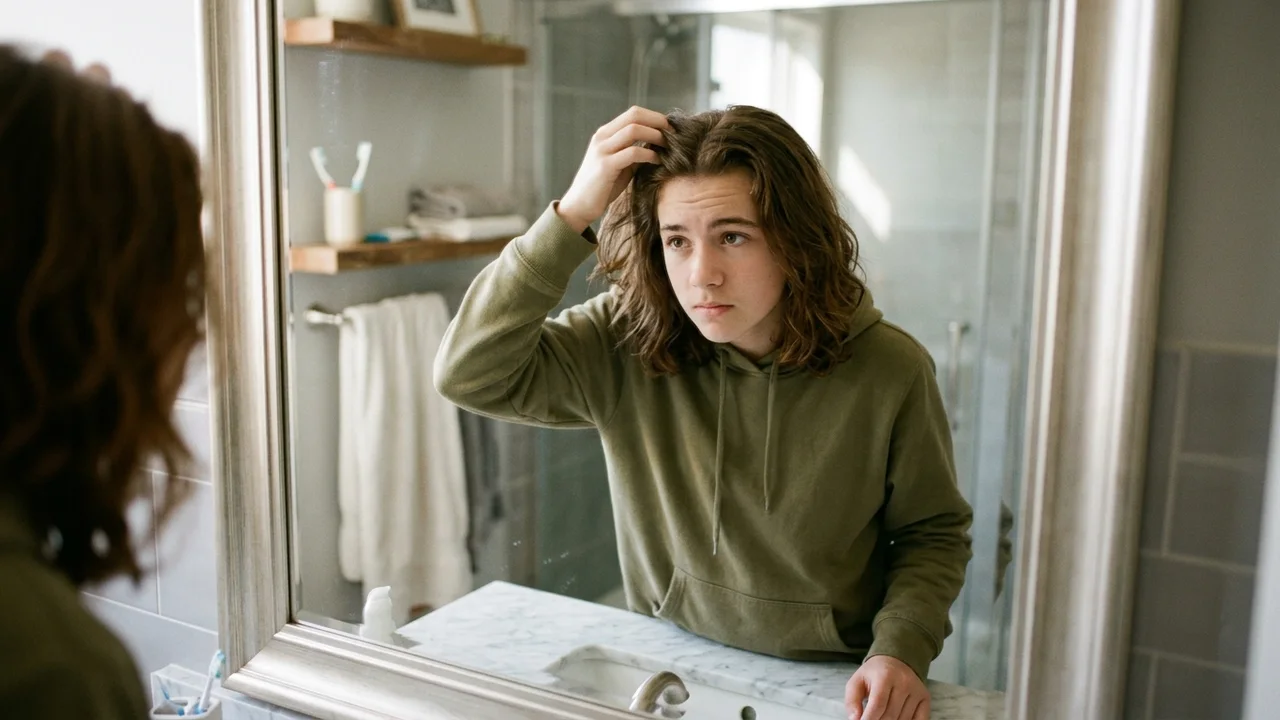
It is important to recognise that shedding between 50 to 100 hairs per day is considered normal. However, if a teenager observes clumps of hair falling out, a noticeable reduction in hair density, bald patches, or changes in hair texture, it warrants closer investigation. These signs indicate a departure from normal physiological shedding and point towards an active hair loss condition.
Common Causes of Hair Loss in Teenagers
The reasons for hair loss during the teenage years are varied and can often overlap. A thorough diagnostic process is essential to pinpoint the exact cause.
- Hormonal Imbalances: Puberty brings significant hormonal fluctuations. Conditions like Polycystic Ovary Syndrome (PCOS) in girls can lead to elevated androgen levels, causing thinning hair on the scalp and increased facial or body hair. Thyroid disorders, such as hypothyroidism or hyperthyroidism, can also manifest with hair thinning and changes in hair texture due to their impact on metabolic rates and follicle function.
- Nutritional Deficiencies: Rapid growth spurts and dietary habits common in adolescence can sometimes lead to deficiencies in essential nutrients vital for hair health. Iron deficiency anaemia is a common culprit, particularly among teenage girls. Other deficiencies include zinc, biotin, vitamin D, and various B vitamins, all of which play a crucial role in hair follicle development and strength.
- Stress and Psychological Factors: The academic, social, and emotional pressures of teenage life can be immense. Severe physical or emotional stress can trigger telogen effluvium, a condition where a large number of hair follicles prematurely enter the resting phase, leading to widespread shedding several months after the stressful event. Conditions like trichotillomania, a compulsive hair-pulling disorder, are also more prevalent in adolescence and result in irregular patches of broken hair.
- Scalp Conditions and Infections: Fungal infections, such as tinea capitis (ringworm of the scalp), are highly contagious and can cause scaly, itchy patches and significant hair loss. Other inflammatory scalp conditions like seborrheic dermatitis can also contribute to hair shedding. Alopecia areata, an autoimmune condition, causes sudden, patchy hair loss and can affect teenagers, sometimes triggered by stress or other immune responses.
- Traction Alopecia: Popular teenage hairstyles that involve tight pulling, such as braids, dreadlocks, tight ponytails, or hair extensions, can exert constant tension on hair follicles. Over time, this sustained pulling can damage the follicles, leading to traction alopecia, characterised by hair loss along the hairline or at the sites of tension.
- Medications: Certain prescription medications, including some antidepressants, acne treatments, and chemotherapy drugs, can list hair loss as a side effect. It is essential to review any medications a teenager is taking if hair loss becomes a concern.
- Genetic Predisposition: While less common than in adults, early-onset androgenetic alopecia can sometimes begin in the late teenage years, especially if there is a family history of early balding. This condition typically presents as a receding hairline or thinning at the crown in boys, and diffuse thinning over the scalp in girls.
When to Seek Professional Help
Recognising when to consult a medical professional is crucial. While some mild shedding might resolve on its own, persistent or rapidly progressing hair loss should always prompt a visit to a doctor or a dermatologist specialising in hair health. Key indicators that professional help is needed include:
- Noticeable bald patches or areas of significant thinning.
- Sudden, unexplained hair loss.
- Itching, pain, redness, or scaling on the scalp accompanying hair loss.
- Hair loss that is affecting the teenager's self-esteem or mental well-being.
- Presence of other symptoms like fatigue, weight changes, or skin issues, which might indicate an underlying systemic condition.
Early diagnosis can often lead to more effective and less invasive treatments, preventing long-term damage to hair follicles.
The Diagnostic Process: What to Expect
When you visit a specialist, the diagnostic process for teenage hair loss is thorough and designed to identify the root cause. This typically involves several steps:
- Detailed Medical History: The doctor will ask about the onset of hair loss, any associated symptoms, family history of hair loss, dietary habits, stress levels, medications, and hair care routines.
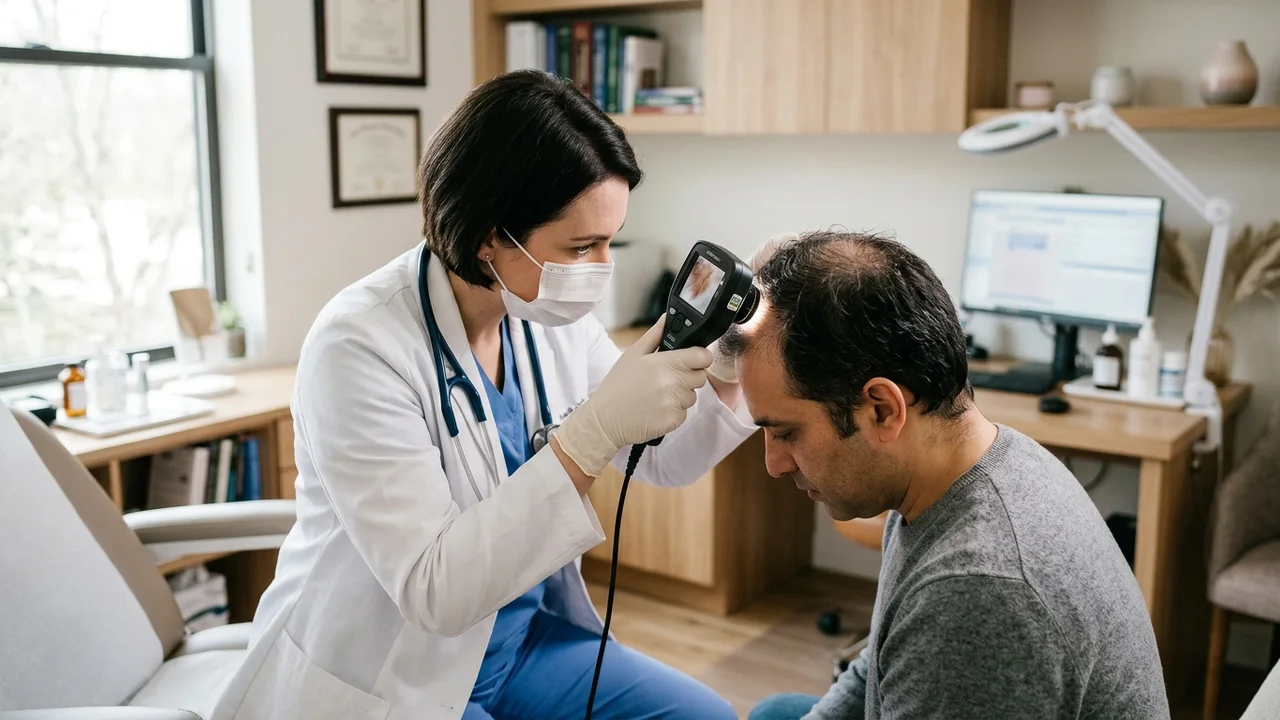
- Physical Examination: A comprehensive examination of the scalp and hair will be performed. This may involve a trichoscopy, using a handheld dermatoscope to magnify the scalp and hair follicles, allowing for detailed assessment of hair shaft abnormalities, follicle miniaturisation, and scalp health.
- Blood Tests: To rule out or confirm underlying medical conditions, blood tests are frequently ordered. These commonly include a complete blood count (CBC), iron studies (ferritin levels), thyroid function tests (TSH, T3, T4), vitamin D levels, and sometimes hormone panels (e.g., testosterone, DHEA-S for PCOS). A C-reactive protein (CRP) test might also be conducted to check for inflammation.
- Hair Pull Test: A gentle pull test can determine the number of hairs that easily come out, indicating active shedding.
- Scalp Biopsy: In rare cases, if the diagnosis remains unclear after initial tests, a small scalp biopsy may be taken for microscopic examination to identify specific inflammatory patterns or other follicular abnormalities.
Initial Treatment Approaches for Teenagers
Treatment for teenage hair loss is highly dependent on the underlying cause. Once a diagnosis is established, a personalised treatment plan can be developed.
| Cause of Hair Loss | Typical Treatment Approach |
|---|---|
| Nutritional Deficiencies | Dietary adjustments, iron supplements (e.g., ferrous sulfate), vitamin D, zinc, or biotin supplements, always under medical supervision. |
| Thyroid Disorders | Medication to regulate thyroid hormone levels, prescribed by an endocrinologist. |
| PCOS | Hormone-regulating medications (e.g., oral contraceptives), lifestyle modifications, and potentially anti-androgen medications. |
| Telogen Effluvium | Addressing the underlying stressor, psychological support, time, and ensuring adequate nutrition. |
| Tinea Capitis | Oral antifungal medications (e.g., griseofulvin, terbinafine) for several weeks. |
| Alopecia Areata | Topical corticosteroids, intralesional steroid injections, or other immune-modulating treatments, depending on severity. |
| Traction Alopecia | Changing hairstyles to reduce tension, allowing follicles to recover. |
| Medication-Induced | Adjusting or discontinuing the offending medication, if medically safe, in consultation with the prescribing doctor. |
For certain conditions like early-onset androgenetic alopecia, treatments such as topical minoxidil (with careful medical guidance and monitoring for teenagers) might be considered to stimulate hair growth. However, hair transplantation is generally not recommended for teenagers due to ongoing hormonal changes and the unpredictable nature of hair loss progression at this age. The focus remains on medical management and addressing underlying health issues.
Preventive Measures and Hair Care Tips
Implementing healthy hair care practices and lifestyle changes can significantly contribute to preventing and managing hair loss in teenagers.
- Balanced Diet: Encourage a diet rich in proteins, essential fatty acids, vitamins, and minerals. Foods like lean meats, fish, eggs, leafy greens, nuts, seeds, and fresh fruits provide the building blocks for healthy hair.
- Gentle Hair Care: Avoid tight hairstyles that pull on the scalp. Opt for loose ponytails, braids, or letting hair down. Use soft hair ties instead of elastic bands. Reduce the use of heat styling tools (hair dryers, straighteners, curling irons) and harsh chemical treatments (perms, relaxers, strong dyes).
- Stress Management: Promote healthy coping mechanisms for stress, such as exercise, mindfulness, adequate sleep, and spending time on hobbies or with friends. Professional counselling can also be beneficial for managing significant stress or anxiety.
- Regular Washing: Maintain good scalp hygiene by washing hair regularly with a mild, sulfate-free shampoo suitable for their hair type. This helps prevent product buildup and keeps the scalp healthy.
- Avoid Excessive Manipulation: Discourage compulsive hair pulling, twisting, or rubbing, which can physically damage hair strands and follicles.
The Emotional Impact of Teenage Hair Loss
Beyond the physical symptoms, hair loss can have a profound emotional and psychological impact on teenagers. Adolescence is a period of heightened self-awareness and self-consciousness, where appearance plays a significant role in identity formation and social interactions. Losing hair can lead to feelings of embarrassment, anxiety, depression, and social withdrawal.
It is vital for parents, guardians, and healthcare providers to acknowledge and address these emotional aspects. Offering support, encouraging open communication, and seeking psychological counselling if needed can be just as important as the medical treatment for the hair loss itself. Reassurance that many forms of teenage hair loss are treatable and often temporary can provide immense relief.
Medical disclaimer: This article is for informational purposes only and is not medical advice. Individual results vary from person to person. Always consult a qualified doctor before any hair transplant procedure.
Get a Free Hair Analysis from Our Experts
Use our free online help tool to communicate your hair loss concerns – it only takes a few minutes. We’ll provide you with a personalized, non-binding quote.
Let’s Call You!

Popular Blogs
Hair Transplant Recovery Timeline: Day-by-Day, Week-by-Week and Month-by-Month Guide
Hair Transplant Recovery Timeline: Day-by-Day, Week-by-Week and Month-by-Month Guide Free Hair Analysis Homepage Blog Wayne…
Justin Bieber Hair Transplant: Hairline Analysis, Before & After Photos, Rumors & Expert Opinion
Justin Bieber Hair Transplant: Hairline Analysis, Before & After Photos, Rumors & Expert Opinion Free…
Wayne Rooney Hair Transplant: Before & After
Wayne Rooney Hair Transplant: Before & After Free Hair Analysis Homepage Blog Wayne Rooney Hair…

Conor McGregor Hair Transplant: Before & After
Conor McGregor Hair Transplant: Before & After Free Hair Analysis Homepage Blog Conor McGregor Hair…
Turkey Visa Requirements for Hair Transplant in Turkey
Turkey Visa Requirements for Hair Transplant in Turkey Free Hair Analysis Homepage Blog Turkey Visa…
David Silva Hair Transplant: Before & After
David Silva Hair Transplant: Before & After Free Hair Analysis Homepage Blog Discover David Silva…
Ready To
Book Your Appointment?
Reach out to us or complete our simple online form
and we’ll contact you to schedule a time that works perfectly for you.



Frequently Asked Questions