The Future of Hair Restoration: Innovations Beyond Current Hair Transplant Methods in 2026
Homepage

Blog
The Future of Hair Restoration: Innovations Beyond Current Hair Transplant Methods in 2026

Medical Reviewed By Dr. Tompi, M.D – Plastic & Aesthetic Surgeon
Written By Nazmi G, Trichologist

For millions worldwide, hair loss is more than just a cosmetic concern; it deeply impacts self-esteem and quality of life. While modern hair transplant techniques like FUE and DHI have revolutionised how we address baldness, offering natural and lasting results, the scientific community is continuously pushing the boundaries of what's possible. These established methods, expertly performed at Turkey Hair Center, represent the current gold standard, yet research is rapidly advancing towards even more sophisticated solutions.
Imagine a future where hair loss is not just managed but potentially reversed at a cellular or genetic level, or where an unlimited supply of healthy hair follicles can be generated. This exciting vision is no longer science fiction. From stem cell breakthroughs to genetic engineering and advanced regenerative medicine, the horizon of hair restoration in 2026 and beyond promises remarkable innovations that could transform the lives of future generations.
The Current Landscape and Why We Need More
Today, Follicular Unit Extraction (FUE) and Direct Hair Implantation (DHI) stand as the leading techniques for hair transplantation. These methods involve meticulously extracting individual hair follicles from a donor area (typically the back or sides of the head) and implanting them into areas of thinning or baldness. They offer excellent, natural-looking results, particularly when performed by experienced specialists. To learn more about these effective procedures, you can explore our detailed guides on FUE Hair Transplant and DHI Hair Transplant.
However, even with these advanced techniques, limitations exist. The primary constraint is the availability of a sufficient donor area. For individuals with extensive baldness or very weak donor hair, current transplant methods may not provide the desired density or coverage. This is where the future of hair restoration steps in, aiming to overcome these challenges by creating new hair follicles, reactivating dormant ones, or preventing hair loss entirely through novel biological approaches.

Stem Cell Therapy for Hair Regrowth: A Promising Frontier
Stem cells are the body's master cells, capable of developing into many different cell types. In hair restoration, the focus is on their potential to regenerate hair follicles. Researchers are exploring several avenues:
- Follicle Regeneration: This involves extracting stem cells from a patient's own body (often from fat tissue or existing hair follicles), processing them, and then injecting them into the scalp. The hope is that these stem cells will stimulate existing dormant follicles or even create new ones, leading to natural hair growth.
- Dermal Papilla Cell Culture: Dermal papilla cells, located at the base of hair follicles, play a crucial role in hair growth. Scientists are working on culturing these cells in a lab to multiply them, then implanting them back into the scalp to encourage new hair growth.
While still largely in clinical trials, early results are encouraging. This approach could potentially offer a solution for those with limited donor hair by multiplying the available cells, leading to a more widespread and less invasive treatment option in the future.
Hair Follicle Cloning and Multiplication: Unlimited Donor Hair?
One of the 'holy grails' in hair restoration is the ability to clone or multiply hair follicles. Imagine taking just a few healthy follicles from a patient, multiplying them in a laboratory setting to create thousands, and then implanting these new, genetically identical follicles back onto the scalp. This would effectively eliminate the donor area limitation that current hair transplants face.
The science behind hair follicle cloning is complex, involving the precise replication of dermal papilla cells and other components necessary for a functional hair follicle. While significant progress has been made in understanding the intricate biology of hair growth, consistently growing fully formed, natural-looking hair follicles that integrate seamlessly into the scalp remains a challenge. However, research continues intensely, and experts believe this could be a viable option within the next decade, offering a truly transformative solution for severe hair loss.
Gene Therapy and Genetic Approaches: Tackling Hair Loss at its Root
Many forms of hair loss, particularly androgenetic alopecia (pattern baldness), have a strong genetic component. Gene therapy aims to address hair loss by modifying or introducing genes that influence hair growth or prevent hair follicle miniaturisation. This could involve:
- Targeting Androgen Receptors: Modifying genes that make hair follicles sensitive to androgens (hormones responsible for pattern baldness).
- Introducing Growth-Promoting Genes: Inserting genes that stimulate hair follicle development and growth.
- CRISPR Technology: Using advanced gene-editing tools like CRISPR to correct genetic predispositions to hair loss or enhance hair-growing capabilities.
This approach holds the promise of not just treating symptoms but fundamentally altering the course of hair loss, potentially offering a permanent solution. Gene therapy is still in its nascent stages for hair restoration, but its potential for a long-term, preventative cure is immense.
Advanced Regenerative Treatments: Beyond Traditional PRP
Platelet-Rich Plasma (PRP) therapy is already used in clinics to stimulate hair growth by injecting concentrated platelets rich in growth factors into the scalp. However, future innovations are exploring more potent and targeted regenerative treatments:
- Exosome Therapy: Exosomes are tiny vesicles released by cells, carrying proteins and genetic material. They play a crucial role in cell communication and regeneration. Exosome therapy involves isolating these powerful signaling molecules and injecting them into the scalp to stimulate hair follicles.
- Growth Factor Cocktails: Developing more sophisticated combinations of growth factors and cytokines, tailored to individual patient needs, to maximise their regenerative effect on hair follicles.
- Enhanced Delivery Systems: Utilising nanotechnology or microneedling devices to deliver these regenerative agents more effectively and precisely to the hair follicles.
These advanced regenerative treatments aim to enhance the body's natural healing and growth processes, offering a non-surgical option that could significantly improve hair density and quality.
3D Bioprinting of Hair Follicles: The Ultimate Customisation
Imagine a printer that can create living, functional hair follicles layer by layer. This is the ambitious goal of 3D bioprinting in hair restoration. Researchers are working on using bio-inks containing living cells (like dermal papilla cells) to construct hair follicles with precise structures. The vision is to be able to print custom-designed hair follicles that perfectly match a patient's natural hair colour, texture, and growth direction, then implant them into the scalp.
This technology is currently in very early experimental stages, facing significant challenges in ensuring the viability and functionality of the printed follicles, as well as their ability to integrate into the scalp and grow hair naturally. However, if successful, 3D bioprinting could offer the ultimate personalised hair restoration solution, completely overcoming donor limitations and providing unparalleled aesthetic results.

The Role of AI and Robotics in Future Hair Restoration
While not a biological innovation, advancements in Artificial Intelligence (AI) and robotics are set to revolutionise the precision and efficiency of hair restoration procedures. Even with current methods, AI can assist in:
- Donor Area Analysis: More accurately assessing donor hair density, follicle health, and predicting future hair loss patterns.
- Hairline Design: Using algorithms to create the most natural and aesthetically pleasing hairline specific to an individual's facial structure.
- Robotic Assistance: Developing robotic systems that can perform graft extraction and implantation with unparalleled precision, reducing human error and improving consistency.
In the future, AI could also play a role in personalising regenerative treatments, analysing genetic data to recommend the most effective therapies for each patient, moving towards a truly bespoke approach to hair loss management.
Summary of Emerging Hair Restoration Technologies
| Technology | Mechanism | Current Status | Potential Benefits | Challenges |
|---|---|---|---|---|
| Stem Cell Therapy | Stimulates dormant follicles, regenerates new ones using patient's own cells. | Clinical Trials | Non-invasive, addresses donor limitations, natural growth. | Consistency of results, long-term efficacy, regulatory approval. |
| Hair Follicle Cloning | Multiplies existing follicles in a lab for re-implantation. | Early Research | Unlimited donor hair, eliminates donor scarcity. | Growing fully formed follicles, integration into scalp. |
| Gene Therapy | Modifies genes to prevent hair loss or promote growth. | Pre-clinical/Early Clinical | Permanent solution, addresses root cause, preventative. | Safety, specificity, ethical considerations. |
| Exosome Therapy | Uses cellular vesicles to deliver regenerative signals to follicles. | Early Clinical Trials | Non-surgical, enhances natural regeneration, targeted. | Standardisation, consistent potency, delivery methods. |
| 3D Bioprinting | Prints functional hair follicles layer by layer using bio-inks. | Conceptual/Early Lab Stage | Ultimate customisation, overcomes donor limits, precise. | Viability of printed follicles, integration, scalability. |
Medical disclaimer: This article is for informational purposes only and is not medical advice. Individual results vary from person to person. Always consult a qualified doctor before any hair transplant procedure.
Get a Free Hair Analysis from Our Experts
Use our free online help tool to communicate your hair loss concerns – it only takes a few minutes. We’ll provide you with a personalized, non-binding quote.
Let’s Call You!

Popular Blogs
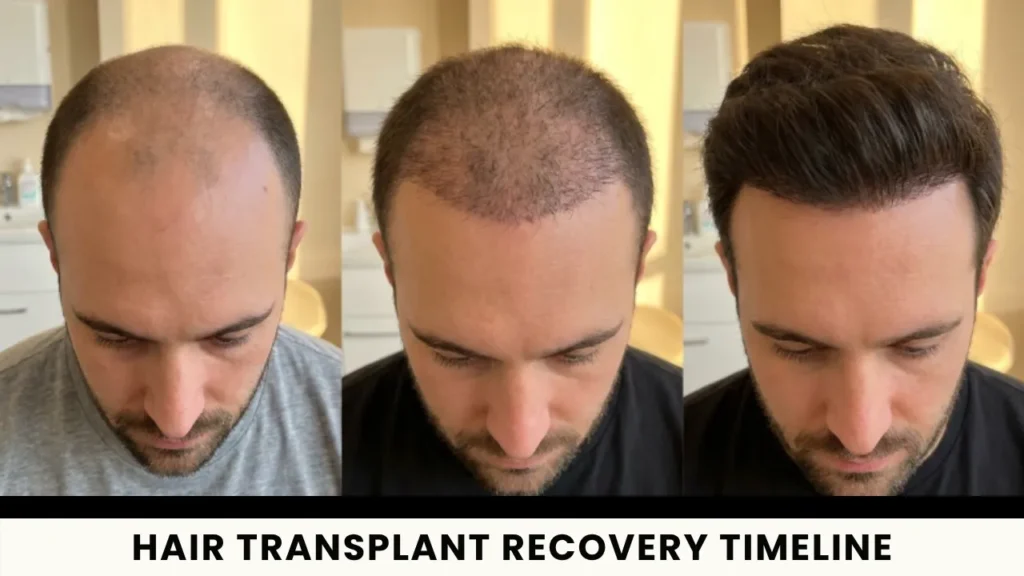
Hair Transplant Recovery Timeline: Day-by-Day, Week-by-Week and Month-by-Month Guide
Hair Transplant Recovery Timeline: Day-by-Day, Week-by-Week and Month-by-Month Guide Free Hair Analysis Homepage Blog Wayne…

Justin Bieber Hair Transplant: Hairline Analysis, Before & After Photos, Rumors & Expert Opinion
Justin Bieber Hair Transplant: Hairline Analysis, Before & After Photos, Rumors & Expert Opinion Free…
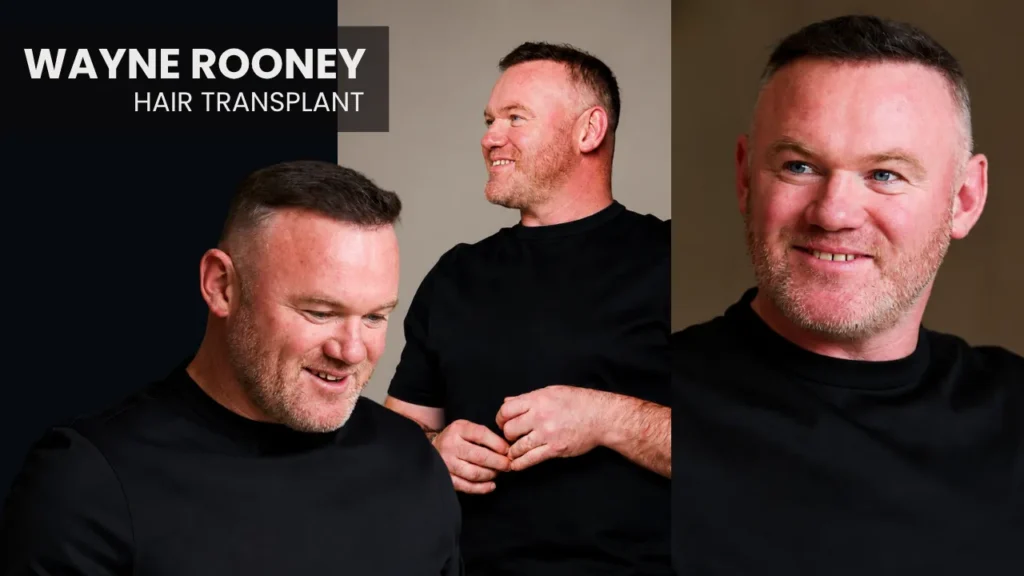
Wayne Rooney Hair Transplant: Before & After
Wayne Rooney Hair Transplant: Before & After Free Hair Analysis Homepage Blog Wayne Rooney Hair…

Conor McGregor Hair Transplant: Before & After
Conor McGregor Hair Transplant: Before & After Free Hair Analysis Homepage Blog Conor McGregor Hair…
Turkey Visa Requirements for Hair Transplant in Turkey
Turkey Visa Requirements for Hair Transplant in Turkey Free Hair Analysis Homepage Blog Turkey Visa…

David Silva Hair Transplant: Before & After
David Silva Hair Transplant: Before & After Free Hair Analysis Homepage Blog Discover David Silva…
Ready To
Book Your Appointment?
Reach out to us or complete our simple online form
and we’ll contact you to schedule a time that works perfectly for you.



Frequently Asked Questions