Hair Systems Versus Hair Transplants: A Comprehensive Comparison for Hair Loss Solutions
Homepage

Blog
Hair Systems Versus Hair Transplants: A Comprehensive Comparison for Hair Loss Solutions

Medical Reviewed By Dr. Tompi, M.D – Plastic & Aesthetic Surgeon
Written By Nazmi G, Trichologist

When facing hair loss, the journey to finding an effective solution can often feel overwhelming. With numerous options available, two prominent choices frequently emerge in discussions: hair systems and hair transplants. Both aim to restore a fuller head of hair, but they achieve this through fundamentally different approaches, each with its own set of considerations regarding appearance, longevity, cost, and lifestyle.
Understanding the distinctions between hair systems and hair transplants is crucial for making an informed decision that aligns with your personal needs, expectations, and budget. This comprehensive comparison will delve into the intricacies of each method, providing you with the knowledge necessary to navigate your options confidently and choose the path best suited for your hair restoration journey in 2026.
What is a Hair System?
A hair system, often referred to as a non-surgical hair replacement or hairpiece, is an external solution designed to cover areas of hair loss. It typically consists of a base material, such as lace, polyurethane, or a combination, onto which human or synthetic hair strands are meticulously attached. These systems are custom-made to match a person's existing hair colour, texture, and density, ensuring a seamless blend with their natural hair.
Hair systems are secured to the scalp using various methods, including medical-grade adhesives or tapes. They offer an immediate transformation, instantly covering bald patches or thinning areas, and can be styled much like natural hair. While they provide a quick aesthetic fix, it's important to recognise that they are not a permanent solution and require regular maintenance and replacement.
What is a Hair Transplant?
In contrast, a hair transplant is a surgical procedure that offers a permanent solution to hair loss by relocating hair follicles from one part of the body (the donor area) to the balding or thinning areas (the recipient area). The most common techniques are Follicular Unit Extraction (FUE) and Direct Hair Implantation (DHI).
- FUE Hair Transplant: Individual hair follicles are extracted directly from the donor area, typically the back or sides of the head, using a micro-punch tool. These grafts are then meticulously implanted into tiny incisions made in the recipient area.
- DHI Hair Transplant: Similar to FUE, but the extracted follicles are implanted directly into the recipient area using a specialised DHI implanter pen, which creates the incision and implants the graft simultaneously. This often allows for greater control over angle, depth, and direction.
The transplanted hair follicles continue to grow naturally in their new location, providing a lasting and authentic result. Unlike hair systems, a hair transplant utilises your own living hair, meaning it will grow, can be cut, washed, and styled just like the rest of your hair.
Naturalness, Feel, and Appearance
Achieving a natural look and feel is paramount for anyone seeking hair restoration. Hair transplants excel in this regard because they involve relocating your own living hair follicles. Once the transplanted hair grows, it is indistinguishable from your existing hair, both visually and to the touch. The hairline design, density, and growth direction are carefully planned by skilled surgeons to ensure the results are completely natural and blend seamlessly with your facial features. You can run your fingers through it, swim, and engage in all normal activities without concern.
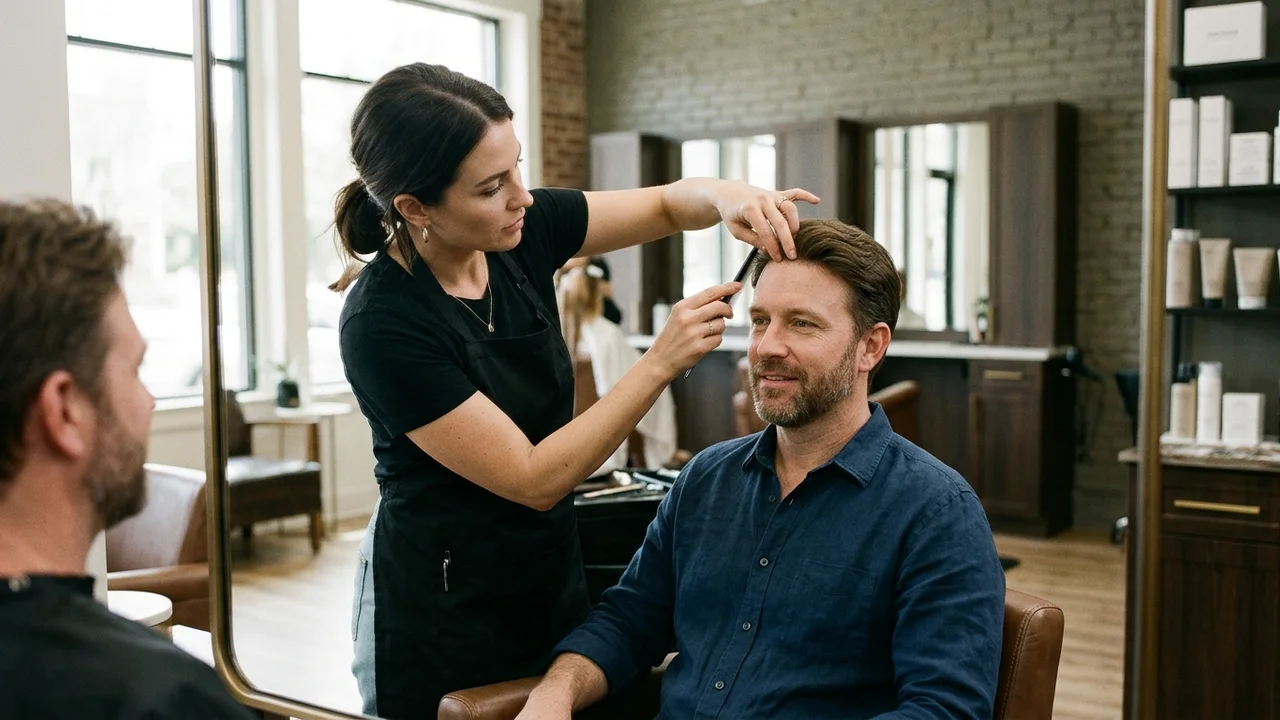
Hair systems have advanced significantly, offering incredibly realistic appearances, especially when custom-made with high-quality human hair and a thin, undetectable base. Modern systems can blend well with natural hair, and skilled stylists can cut and style them to create a very convincing look. However, the 'feel' can sometimes differ, and there's always an underlying awareness of wearing a hairpiece. While adhesive methods have improved, extreme activities or close scrutiny might still reveal the presence of a system, and the hairline, while refined, may not always replicate the organic irregularity of a natural growing hairline.
Maintenance, Lifestyle, and Durability
The long-term commitment in terms of maintenance and its impact on lifestyle is a significant differentiator between these two solutions. A hair transplant, once the initial recovery period is complete and the transplanted hair has fully grown, requires minimal ongoing maintenance specific to the transplant itself. You treat it as your natural hair: wash, condition, cut, and style as usual. The results are permanent, meaning the hair will continue to grow for a lifetime, eliminating the need for regular replacement or reapplication. This offers unparalleled freedom and convenience in daily life.
Hair systems, on the other hand, demand continuous and dedicated maintenance. This typically involves regular removal for cleaning of both the system and the scalp, reapplication with fresh adhesive, and professional styling. Depending on the type of system and adhesive used, this might be a weekly or bi-weekly process. Systems also have a finite lifespan, usually ranging from 3 to 12 months, after which they need to be replaced due to wear and tear, fading, or changes in your natural hair. This recurring cycle of maintenance and replacement can be time-consuming and requires an ongoing financial commitment.
Cost Implications: Initial vs. Long-Term Investment
When considering any hair loss solution, understanding the financial commitment, both upfront and over time, is crucial. The initial cost of a hair transplant can appear substantial, as it is a one-off surgical procedure that includes the surgeon's fees, clinic costs, and aftercare. However, it represents a permanent investment in your own hair, eliminating recurring expenses related to the procedure itself once complete. While maintenance products like minoxidil or finasteride might be recommended post-transplant, these are typically optional and relatively inexpensive.
Hair systems often have a lower initial cost compared to a single hair transplant procedure. However, their true cost becomes apparent over the long term. This is due to the necessity of regular purchases of new systems (every few months to a year), ongoing adhesive and cleaning supplies, and professional maintenance appointments. Over several years, the cumulative cost of maintaining hair systems can easily surpass the initial investment of a hair transplant. The table below provides a general overview of the financial aspects:
| Feature | Hair System | Hair Transplant |
|---|---|---|
| Initial Cost | Lower | Higher |
| Long-Term Cost | High (recurring) | Low (minimal upkeep) |
| Lifetime Cost | Potentially higher than transplant | Generally lower than continuous systems |
| Payment Structure | Ongoing payments for systems & maintenance | One-off payment (or instalments) for procedure |
Candidacy and Suitability Factors
The suitability for a hair system or a hair transplant depends heavily on individual circumstances, the extent of hair loss, and personal preferences.
- Hair Systems: These are a viable option for almost anyone experiencing hair loss, regardless of the cause or extent. They are particularly suitable for individuals with extensive baldness, those who lack sufficient donor hair for a transplant, or those who prefer a non-surgical, immediate solution. Hair systems can also be a good temporary solution while considering a transplant or for individuals who cannot undergo surgery due due to health reasons.
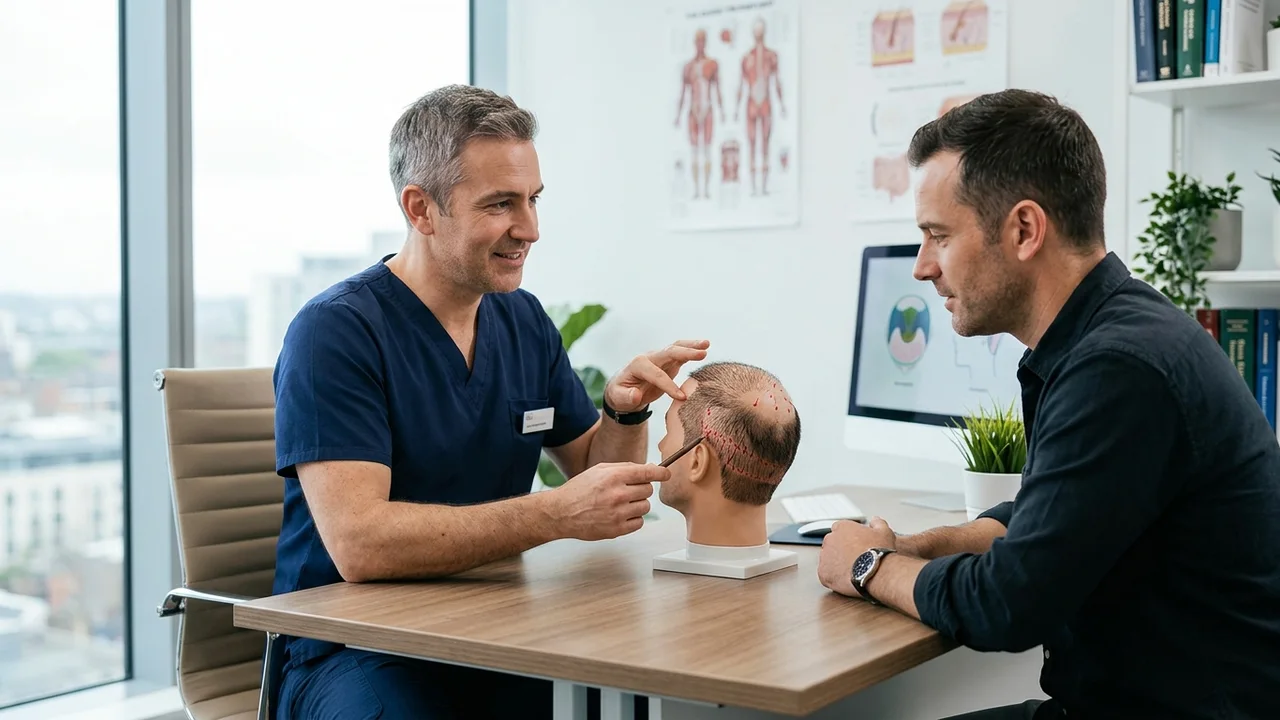
- Hair Transplants: Candidacy for a hair transplant is more specific. Ideal candidates generally have a stable pattern of hair loss, sufficient healthy donor hair (typically at the back and sides of the head), and realistic expectations. Good overall health is also important. Women with diffuse thinning, or men with very advanced baldness and insufficient donor hair, may not be ideal candidates. A thorough consultation with a specialist is essential to determine if you are a suitable candidate for a hair transplant.
Longevity and Expected Results
The distinction in longevity and the nature of the results is perhaps the most significant difference between hair systems and hair transplants. A hair transplant offers genuinely permanent results. The transplanted hair follicles are genetically resistant to the hormone (DHT) that causes pattern baldness, so they will continue to grow naturally for the rest of your life. While the natural ageing process may lead to some thinning of non-transplanted hair over many decades, the transplanted hair itself is designed to last indefinitely.
Hair systems, conversely, provide temporary results. While they look great when new and properly maintained, they are subject to wear and tear. Factors like exposure to sunlight, washing, styling, and general use will degrade the system over time. As mentioned, most systems need to be replaced every 3 to 12 months to maintain a natural appearance and hygiene. This means a continuous cycle of purchasing new systems to sustain the desired look. Therefore, the results from a hair system are only as long-lasting as the system itself.
Medical disclaimer: This article is for informational purposes only and is not medical advice. Individual results vary from person to person. Always consult a qualified doctor before any hair transplant procedure.
Get a Free Hair Analysis from Our Experts
Use our free online help tool to communicate your hair loss concerns – it only takes a few minutes. We’ll provide you with a personalized, non-binding quote.
Let’s Call You!

Popular Blogs
Hair Transplant Recovery Timeline: Day-by-Day, Week-by-Week and Month-by-Month Guide
Hair Transplant Recovery Timeline: Day-by-Day, Week-by-Week and Month-by-Month Guide Free Hair Analysis Homepage Blog Wayne…
Justin Bieber Hair Transplant: Hairline Analysis, Before & After Photos, Rumors & Expert Opinion
Justin Bieber Hair Transplant: Hairline Analysis, Before & After Photos, Rumors & Expert Opinion Free…
Wayne Rooney Hair Transplant: Before & After
Wayne Rooney Hair Transplant: Before & After Free Hair Analysis Homepage Blog Wayne Rooney Hair…

Conor McGregor Hair Transplant: Before & After
Conor McGregor Hair Transplant: Before & After Free Hair Analysis Homepage Blog Conor McGregor Hair…
Turkey Visa Requirements for Hair Transplant in Turkey
Turkey Visa Requirements for Hair Transplant in Turkey Free Hair Analysis Homepage Blog Turkey Visa…
David Silva Hair Transplant: Before & After
David Silva Hair Transplant: Before & After Free Hair Analysis Homepage Blog Discover David Silva…
Ready To
Book Your Appointment?
Reach out to us or complete our simple online form
and we’ll contact you to schedule a time that works perfectly for you.



Frequently Asked Questions