How to Choose the Right Hairstyle to Complement Your Hair Transplant Results in 2026
Homepage

Blog
How to Choose the Right Hairstyle to Complement Your Hair Transplant Results in 2026

Medical Reviewed By Dr. Tompi, M.D – Plastic & Aesthetic Surgeon
Written By Nazmi G, Trichologist


After undergoing a hair transplant, patients typically observe initial growth within 3-4 months, leading to a significant transformation in their appearance by the 12-18 month mark. This period marks not just the return of hair, but also an exciting opportunity to explore new styles that perfectly showcase the enhanced density and natural hairline achieved. Choosing the right hairstyle is crucial for maximising the aesthetic impact of your procedure, ensuring your results look as natural and refined as possible.
The journey from transplant to a fully styled head of hair requires patience and informed decisions. While the surgical precision of FUE or DHI techniques lays the foundation, the art of styling allows you to truly own your new look. This guide will walk you through the considerations and choices involved in selecting a hairstyle that not only complements your facial features but also highlights the meticulous work of your hair transplant, helping you maintain confidence and satisfaction for years to come.
Understanding Your New Hair Growth Cycle
The success of your hair transplant is intrinsically linked to the natural hair growth cycle. Post-procedure, your transplanted follicles will go through several distinct phases. Initially, many patients experience 'shock loss', where transplanted hairs shed within the first few weeks. This is a normal part of the process and indicates that the follicles are entering a resting phase.
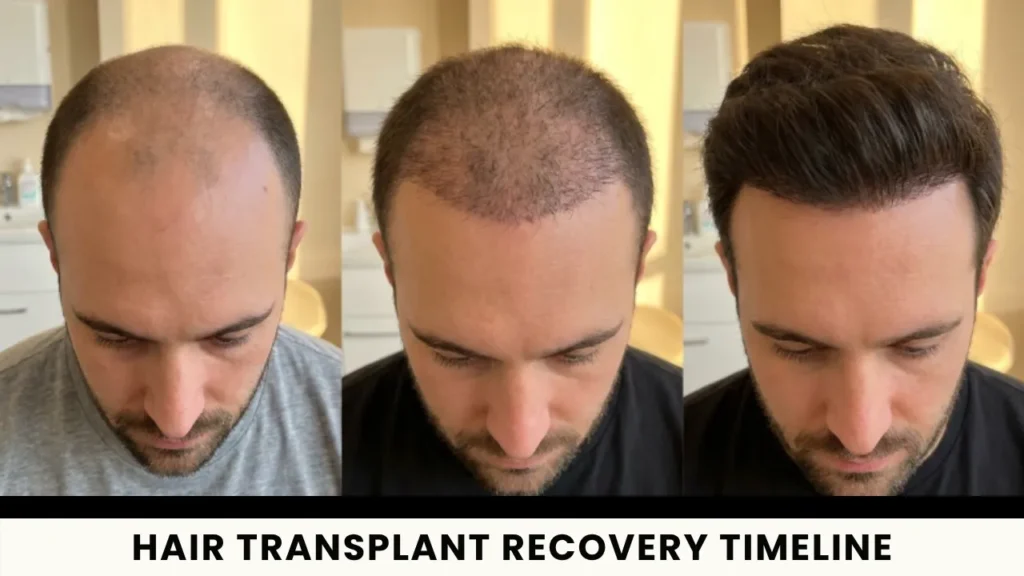
The hair growth cycle comprises three main phases: anagen (growth), catagen (transitional), and telogen (resting). After the initial shedding, new, stronger hairs typically begin to emerge from the transplanted follicles around 3-4 months post-operation. This early growth may appear fine, but it will gradually thicken and mature over the next 8-12 months. Full results, including density and texture, are usually visible between 12 and 18 months. Understanding this timeline, as detailed further in our Hair Transplant Recovery Timeline, is fundamental to choosing appropriate styles at each stage, allowing you to adapt your look as your hair develops.
Assessing Your Scalp and Hairline Design
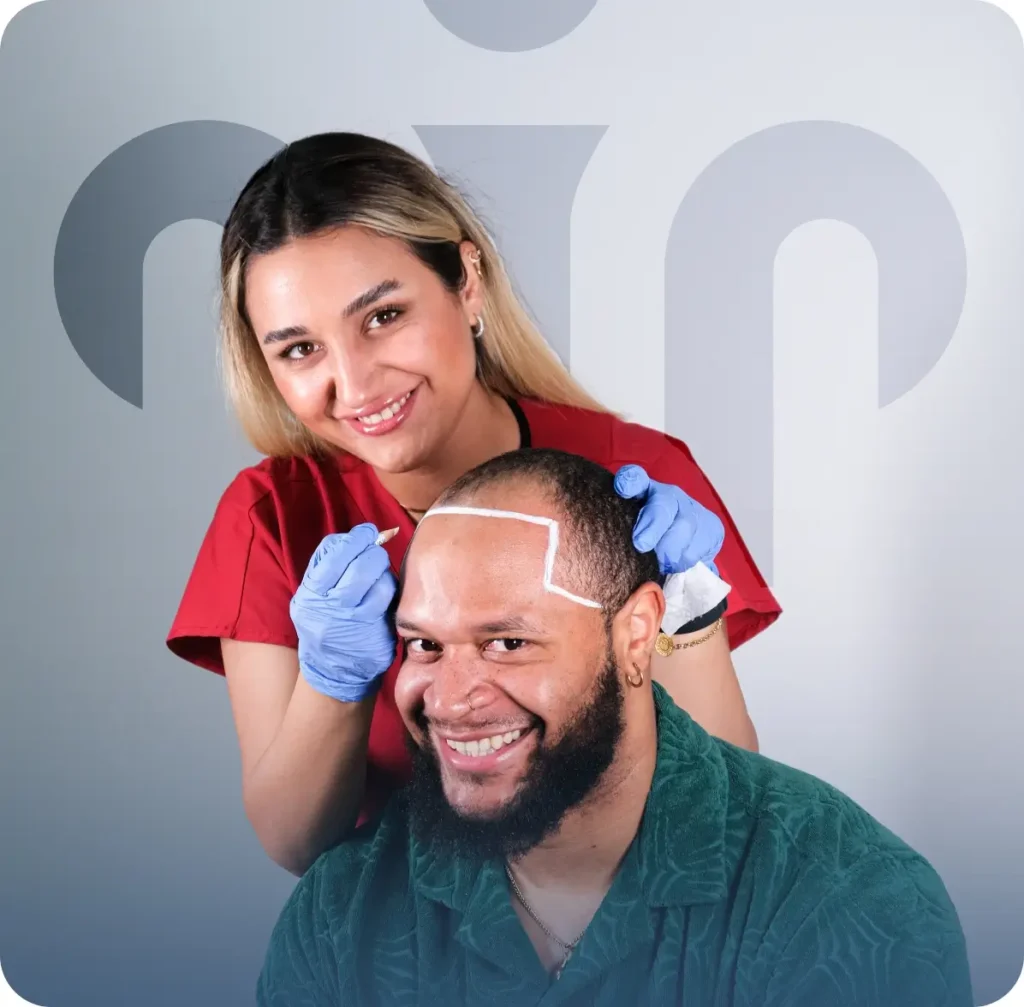
During your hair transplant procedure, whether FUE or DHI, a meticulously designed hairline is established, taking into account your facial structure, age, and natural hair growth patterns. This new hairline is the cornerstone of your aesthetic outcome, and your chosen hairstyle should work in harmony with it.
Before settling on a style, it is important to assess the contours of your new hairline and the density achieved in the recipient area. A well-designed hairline will exhibit a natural irregularity, avoiding a 'pluggy' or artificial appearance. Consider the direction of hair growth in the transplanted area – your surgeon will have implanted grafts to mimic your natural hair flow. The elasticity of your scalp and the overall density, typically ranging from 40 to 60 grafts per square centimetre in the frontal region, will dictate how well certain styles can be achieved. For example, a lower density may necessitate styles that create an illusion of fullness, while a higher density offers more versatility.
Factors Influencing Hairstyle Choices Post-Transplant
Selecting the ideal hairstyle involves more than just personal preference; several key factors related to your transplanted hair and personal characteristics must be considered:
- Hair Density: The number of grafts successfully transplanted and their survival rate directly impacts the perceived thickness of your hair. Higher density allows for a wider range of styles, including those requiring more volume. Lower density might benefit from styles that create texture and movement to appear fuller.
- Hair Texture: Your natural hair texture – straight, wavy, curly, or coily – will significantly influence how a style looks and holds. Transplanted hair will retain the characteristics of the donor hair.
- Facial Structure: Different face shapes (oval, round, square, heart, long) are complemented by specific hairstyles. For instance, a square jawline can be softened with some length, while a round face might benefit from styles that add height.
- Lifestyle: Consider how much time you are willing to dedicate to styling daily. An active lifestyle might call for a low-maintenance, shorter cut, whereas a more sedentary routine allows for more intricate styling.
- Hairline Maturity: As discussed, your hairline will mature over 12-18 months. Styles that work well during early growth may need to be adapted as your hair thickens and settles into its final pattern.
Recommended Hairstyles for Different Stages and Densities
The journey to your ideal hairstyle unfolds as your transplanted hair grows. Here's a general guide:
| Growth Stage/Density | Recommended Hairstyles | Styling Considerations |
|---|---|---|
| Early Growth (3-6 months) | Buzz Cut, Short Crew Cut, Faded Sides | Minimise product use. Gentle brushing. Focus on even length to camouflage early growth variations. |
| Medium Growth (6-12 months) | Textured Crop, Messy Quiff, Short Pompadour | Begin experimenting with light-hold products. Emphasise texture to create volume. Avoid heavy brushing. |
| Full Maturity (12-18+ months) | Side Part, Slick Back (if density allows), Longer Quiff, Disconnected Undercut | Full range of styling products. Work with natural hair direction. Consult a barber for precise cuts. |
| Lower Density | Textured Crop, Fringe/Swept Forward, Messy Styles | Focus on creating volume and movement. Use matte products. Avoid harsh partings. |
| Higher Density | Pompadour, Slick Back, Classic Side Part, Longer Styles | Versatile options. Can support more structured or longer styles. |
For the initial months post-transplant, while your new grafts are settling and early growth emerges, a simple buzz cut or a short crew cut is often recommended. These styles are low-maintenance and help to blend the new growth with existing hair. As your hair gains length and density (6-12 months), textured crops or a messy quiff can add volume and conceal any slight inconsistencies. Once your hair reaches full maturity (12-18 months), you’ll have a much broader palette. A classic side part or a stylish pompadour can highlight a well-defined hairline, while longer, layered styles can maximise the appearance of fullness. Consider asking your barber for specific cutting techniques like point cutting or texturising shears to enhance volume and natural movement.
Hair Care and Styling Products for Transplanted Hair
Proper hair care and product selection are paramount for maintaining the health and appearance of your transplanted hair. In the initial weeks following your procedure, adhere strictly to the post-operative instructions provided by your clinic, which will include gentle washing techniques and specific lotions.
Once beyond the crucial early healing phase, it is generally advised to use shampoos and conditioners that are free from harsh sulfates and parabens, which can strip natural oils and potentially irritate the scalp. Look for products designed for sensitive scalps or thinning hair. When it comes to styling products, start with light-hold options like sea salt sprays or light creams to add texture without weighing down the hair. As your hair strengthens, you can gradually introduce waxes or pomades with a stronger hold, but always apply sparingly and ensure thorough washing to prevent product build-up. Minimise heat styling (blow dryers, straighteners) in the first year, and if used, always apply a heat protectant spray to prevent damage to the delicate new hairs.

The Role of Your Barber or Stylist
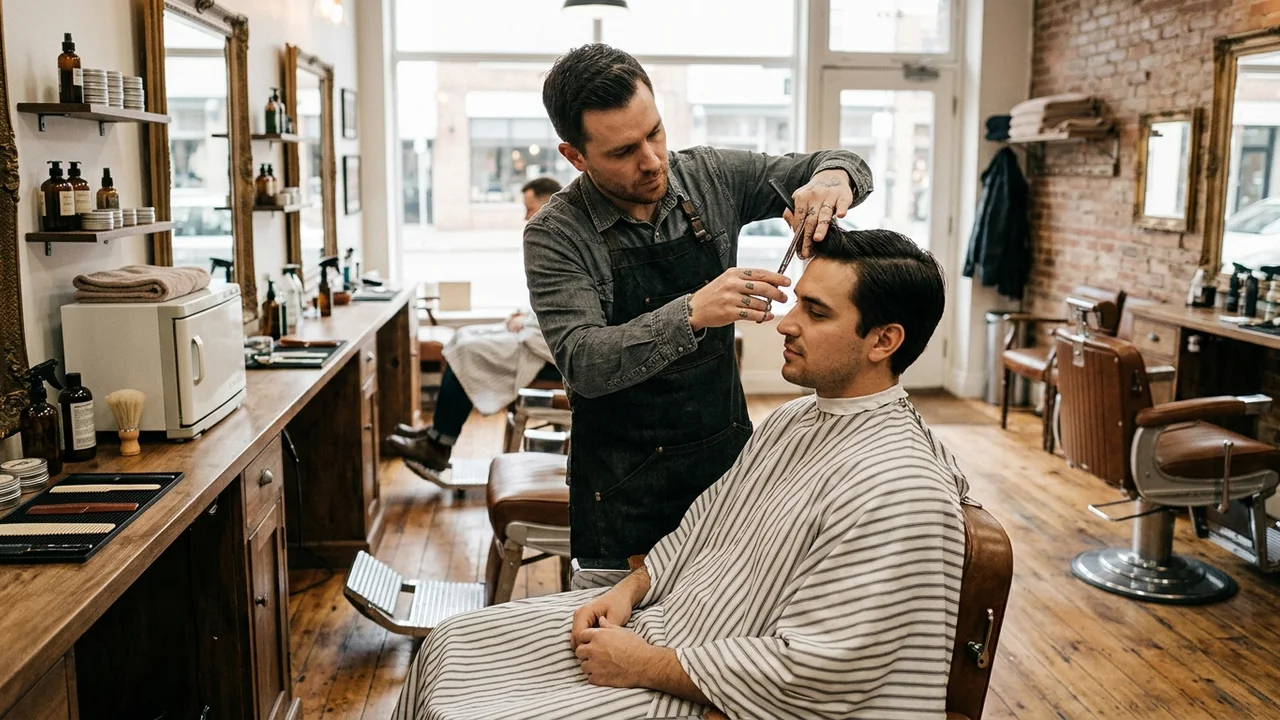
A skilled barber or stylist, particularly one experienced with managing new hair growth or hair restoration, can offer invaluable guidance. They possess the expertise to work with the unique characteristics of transplanted hair, understanding how to cut and style it to maximise its potential. It is highly recommended to inform your barber about your hair transplant history, including the date of your procedure and any specific concerns you might have.
During your first few haircuts post-transplant, seek a barber who understands the delicate nature of the new grafts and can suggest styles that flatter your evolving hair density. They can advise on cutting techniques that create the illusion of fullness, such as texturising or layering, and help you choose products suitable for your hair type and scalp health. Consider asking for a consultation appointment before your actual cut to discuss your expectations and allow them to assess your hair’s condition and growth pattern.
Long-Term Maintenance and Future Considerations
Your hair transplant provides a lasting solution to hair loss, but ongoing care and attention will ensure your results remain optimal. Regular trims, typically every 4-6 weeks, are essential to maintain your chosen style, remove split ends, and encourage healthy growth. While transplanted hair is generally permanent, monitoring the health of your existing native hair is also important, as it may continue to be susceptible to genetic hair loss.
For ongoing hair health, some patients may consider supplemental treatments like Platelet-Rich Plasma (PRP) therapy, which uses your body's own growth factors to stimulate follicles and enhance hair thickness. Nutritional supplements formulated for hair health, containing ingredients like biotin and zinc, can also be beneficial. Always consult with your hair transplant clinic or a dermatologist before starting any new treatments to ensure they are appropriate for your individual situation and complement your transplant results.
Medical disclaimer: This article is for informational purposes only and is not medical advice. Individual results vary from person to person. Always consult a qualified doctor before any hair transplant procedure.
Get a Free Hair Analysis from Our Experts
Use our free online help tool to communicate your hair loss concerns – it only takes a few minutes. We’ll provide you with a personalized, non-binding quote.
Let’s Call You!

Popular Blogs
Hair Transplant Recovery Timeline: Day-by-Day, Week-by-Week and Month-by-Month Guide
Hair Transplant Recovery Timeline: Day-by-Day, Week-by-Week and Month-by-Month Guide Free Hair Analysis Homepage Blog Wayne…
Justin Bieber Hair Transplant: Hairline Analysis, Before & After Photos, Rumors & Expert Opinion
Justin Bieber Hair Transplant: Hairline Analysis, Before & After Photos, Rumors & Expert Opinion Free…
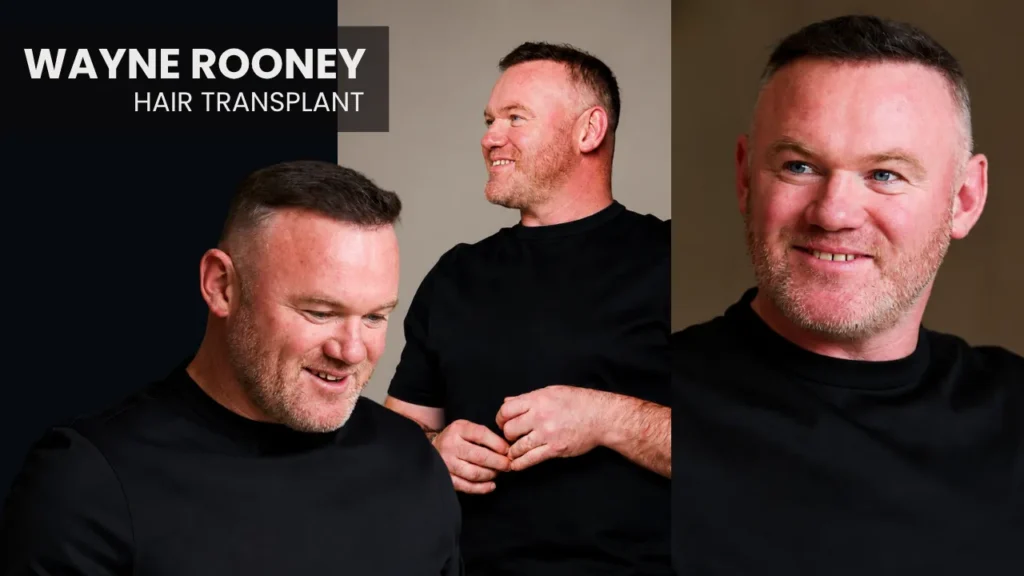
Wayne Rooney Hair Transplant: Before & After
Wayne Rooney Hair Transplant: Before & After Free Hair Analysis Homepage Blog Wayne Rooney Hair…

Conor McGregor Hair Transplant: Before & After
Conor McGregor Hair Transplant: Before & After Free Hair Analysis Homepage Blog Conor McGregor Hair…
Turkey Visa Requirements for Hair Transplant in Turkey
Turkey Visa Requirements for Hair Transplant in Turkey Free Hair Analysis Homepage Blog Turkey Visa…

David Silva Hair Transplant: Before & After
David Silva Hair Transplant: Before & After Free Hair Analysis Homepage Blog Discover David Silva…
Ready To
Book Your Appointment?
Reach out to us or complete our simple online form
and we’ll contact you to schedule a time that works perfectly for you.



Frequently Asked Questions