Can Hair Transplants Be Reversed or Removed? Understanding Your Options in 2026
Homepage

Blog
Can Hair Transplants Be Reversed or Removed? Understanding Your Options in 2026
Medical Reviewed By Dr. Tompi, M.D – Plastic & Aesthetic Surgeon
Written By Nazmi G, Trichologist

While the idea of reversing a hair transplant might seem appealing to some, the reality is that a successful hair transplant is largely considered a permanent procedure. The hair follicles transplanted from the donor area, typically the back or sides of the head, are genetically resistant to the hormone dihydrotestosterone (DHT), which causes male pattern baldness. Once relocated to the recipient area, these follicles generally retain their genetic programming, continuing to grow hair for a lifetime. This inherent permanence is a cornerstone of hair transplant success, offering a lasting solution to hair loss.
However, the question of 'reversal' often stems from various concerns, ranging from dissatisfaction with the aesthetic outcome to issues in the donor area. It is crucial to understand that a complete, non-traceable 'reversal' in the sense of undoing the procedure entirely is not possible. Instead, the discussion typically revolves around corrective measures, partial removal, or revisions aimed at improving the overall result or addressing specific problems. These interventions require careful planning and execution by an experienced specialist to ensure the best possible outcome.
The Permanent Nature of Transplanted Hair: Why Reversal Is Complex
Hair transplantation operates on the principle of 'donor dominance'. This means that hair follicles harvested from the donor area, which are not susceptible to the miniaturising effects of DHT, will maintain these characteristics even after being transplanted to a balding area. This genetic resilience ensures that the transplanted hair continues to grow naturally and permanently. For instance, in an FUE (Follicular Unit Excision) procedure, individual follicular units, each containing one to four hairs, are meticulously extracted and then implanted into the recipient sites.
Once these transplanted follicles establish a blood supply in their new location, they behave just like the native hair in the donor area. They will grow, shed, and regrow in cycles for the rest of a patient's life. This biological reality makes a full 'reversal' — returning the scalp to its pre-transplant state without any evidence of the procedure — practically impossible. Any attempt to remove transplanted hair will inevitably leave some trace, whether it's tiny scars from FUE extractions or the absence of hair where follicles were once present.
Reasons for Seeking Hair Transplant Reversal or Correction
Patients who consider 'reversal' or correction typically do so for a range of reasons, often linked to the aesthetic outcome or donor area management. One common concern is an unnatural-looking hairline, which might be too low, too straight, or have an incorrect density or direction of growth. For example, a hairline that appears too dense and uniform can look artificial, lacking the natural irregularities of a non-transplanted hairline. Another reason could be dissatisfaction with the overall density in the recipient area, perhaps due to unrealistic expectations or insufficient graft survival.
Donor area issues also frequently lead to requests for correction. Over-harvesting, where too many grafts are taken from a concentrated area, can lead to visible thinning or patchy appearance in the donor region. This is particularly noticeable with shorter hairstyles. Additionally, some patients might experience persistent pain, numbness, or visible scarring (especially with older FUT, Follicular Unit Transplantation, strip methods or poorly executed FUE) that they wish to mitigate. Changing personal preferences or evolving aesthetic trends over time can also contribute to a desire for modification.
Techniques for Partial Removal or Correction of Transplanted Hair
While a full reversal isn't feasible, several techniques exist for partial removal or correction, each tailored to specific issues.
- FUE Extraction: This method involves using a small punch tool (typically 0.7mm to 1.0mm in diameter) to carefully extract individual transplanted follicular units. It is effective for reducing density in specific areas, correcting an overly low or unnatural hairline, or removing grafts that were placed at an incorrect angle. The extracted follicles can sometimes be re-implanted into a different area, if they are healthy and the patient wishes to add density elsewhere, or simply discarded. This leaves tiny, often unnoticeable, punctate scars.
- Laser Hair Removal: For very fine, sparse, or misplaced hairs, especially those creating an undesirable 'fuzz' or an unnatural hairline shadow, laser hair removal can be an option. The laser targets the pigment in the hair follicle, damaging it and preventing future growth. Multiple sessions are usually required, and it is most effective on darker hair against lighter skin. It is less suitable for dense areas or for completely removing a significant number of grafts.
- Density Reduction: In cases of an overly dense or 'pluggy' appearance from older transplant techniques, a specialist can surgically remove some grafts to achieve a more natural look. This often involves carefully excising and re-distributing grafts.
Each of these techniques requires significant expertise to minimise further scarring and achieve the desired aesthetic improvement.
Addressing Unnatural Hairlines and Density Issues
The hairline is arguably the most critical component of a natural-looking hair transplant. An unnatural hairline can be a significant source of distress for patients. Corrective procedures often involve a combination of the techniques mentioned above.
For a hairline that is too low or too straight, FUE extraction can be used to remove grafts from the lowest or most uniform parts of the hairline, effectively raising it or softening its outline. If the transplanted hair grows in the wrong direction, individual grafts can be extracted and then re-implanted with the correct angulation, a process requiring precision and artistic skill. For example, hairs at the temples should typically grow forward and slightly downwards, while those at the very front of the hairline grow slightly forward.
In instances where the density is too high, creating a 'pluggy' appearance, a specialist might perform a 'dilution' procedure. This involves selectively removing some grafts to reduce the overall density, often followed by re-implantation of finer, single-hair grafts at the very front to create a more feathered, natural transition. These revisions aim to blend the transplanted hair seamlessly with any existing native hair, ensuring the hairline appears soft and undetectable.
Managing Donor Area Concerns Post-Transplant
The donor area is the source of all transplanted grafts, and its careful management is paramount. Concerns can arise from visible scarring, particularly with the linear scar associated with FUT, or from over-harvesting in FUE procedures, which can lead to a thinned or patchy appearance. For patients with a visible FUT scar, options include:
- Scar Excision: Surgical removal of the old scar and re-suturing, which can sometimes result in a finer, less noticeable scar.
- FUE into the Scar: Transplanting individual FUE grafts directly into the scar tissue to camouflage it with growing hair. This is a common and effective method for making the scar less prominent.
- Scalp Micropigmentation (SMP): A non-surgical technique where tiny dots of pigment are tattooed onto the scalp to mimic the appearance of hair follicles, effectively reducing the contrast between the scar and the surrounding hair.
For over-harvested FUE donor areas, the options are more limited. Sometimes, body hair transplantation can be considered to add density to the thinned donor region, but this depends on the availability and quality of body hair. The best approach is always prevention, achieved by choosing a clinic that prioritises careful donor area management and avoids aggressive harvesting.

Preventative Measures: The Importance of Expert Clinic Selection
The most effective way to avoid the need for hair transplant 'reversal' or extensive correction is to make an informed decision from the outset. Selecting a highly reputable clinic with experienced surgeons is paramount. A skilled surgeon will possess the artistic eye necessary to design a natural hairline and the technical proficiency to execute the procedure with minimal trauma to both the donor and recipient areas. They will also provide realistic expectations regarding density, coverage, and the overall outcome.
Key factors to consider include:
- Surgeon's Experience: Look for clinics where the surgeon directly performs or closely supervises key stages of the transplant, particularly hairline design and graft implantation.
- Technology and Techniques: Ensure the clinic uses modern techniques like FUE or DHI, which generally offer more natural results and less invasive recovery compared to older methods.
- Patient Reviews and Testimonials: Examine genuine, detailed feedback from previous patients.
- Comprehensive Consultation: A thorough consultation should involve a detailed analysis of your hair loss pattern, donor area capacity, and a discussion of realistic goals.
- Aftercare Support: Robust aftercare is crucial for optimal graft survival and patient comfort. You can find a comprehensive guide on Hair Transplant Aftercare: The Complete Recovery Checklist.
Investing time in researching and choosing the right clinic, such as Turkey Hair Center, significantly reduces the likelihood of complications or dissatisfaction that might lead to seeking corrective procedures.
Alternatives to Surgical Removal: Living with or Improving Results
For individuals who are not candidates for further surgical intervention or prefer non-invasive options, there are ways to manage or improve the appearance of a less-than-ideal hair transplant. These alternatives focus on camouflaging issues or enhancing existing hair.
- Hair Styling: Strategic hairstyling can often conceal minor irregularities in the hairline or areas of lower density. Growing hair longer in certain areas or using specific cuts can create the illusion of fullness and mask imperfections.
- Cosmetic Products: Hair fibres, thickening sprays, and scalp concealers can effectively add visual density and cover thinning spots or visible scars. These products provide a temporary, non-surgical solution that can significantly improve confidence.
- Scalp Micropigmentation (SMP): As mentioned previously, SMP can be used to add the appearance of density to thinning areas, camouflage scars, or create a more uniform look on the scalp. It is particularly effective for creating a 'shaved head' look or enhancing the density around a transplant.
- Medical Therapies: Medications like Minoxidil and Finasteride can help maintain existing native hair and potentially strengthen transplanted hair, preventing further hair loss around the transplanted area. While they won't reverse a transplant, they can contribute to a fuller overall appearance and prevent the progression of hair loss that might highlight transplant disparities.
Ultimately, a detailed consultation with a hair restoration expert can help determine the best course of action, whether it involves further intervention or embracing non-surgical enhancements.
| Correction Method | Primary Purpose | Pros | Cons |
|---|---|---|---|
| FUE Extraction | Remove misplaced/unnatural grafts, reduce density | Precise, minimal scarring, grafts can be re-implanted | Time-consuming, requires skill, some scarring |
| Laser Hair Removal | Remove fine/sparse unwanted hairs, soften hairline | Non-invasive, effective for specific hair types | Multiple sessions, less effective for dense areas, temporary |
| Density Reduction (Surgical) | Address 'pluggy' appearance, create natural transition | Significant aesthetic improvement | Surgical, requires healing, potential for scarring |
| Scalp Micropigmentation (SMP) | Camouflage scars, add visual density | Non-surgical, immediate visual improvement | Not actual hair, requires touch-ups, color matching is crucial |
| Hair Styling/Cosmetics | Conceal minor issues, enhance existing hair | Non-invasive, flexible, affordable | Temporary, requires daily application |
Medical disclaimer: This article is for informational purposes only and is not medical advice. Individual results vary from person to person. Always consult a qualified doctor before any hair transplant procedure.
Get a Free Hair Analysis from Our Experts
Use our free online help tool to communicate your hair loss concerns – it only takes a few minutes. We’ll provide you with a personalized, non-binding quote.
Let’s Call You!

Popular Blogs
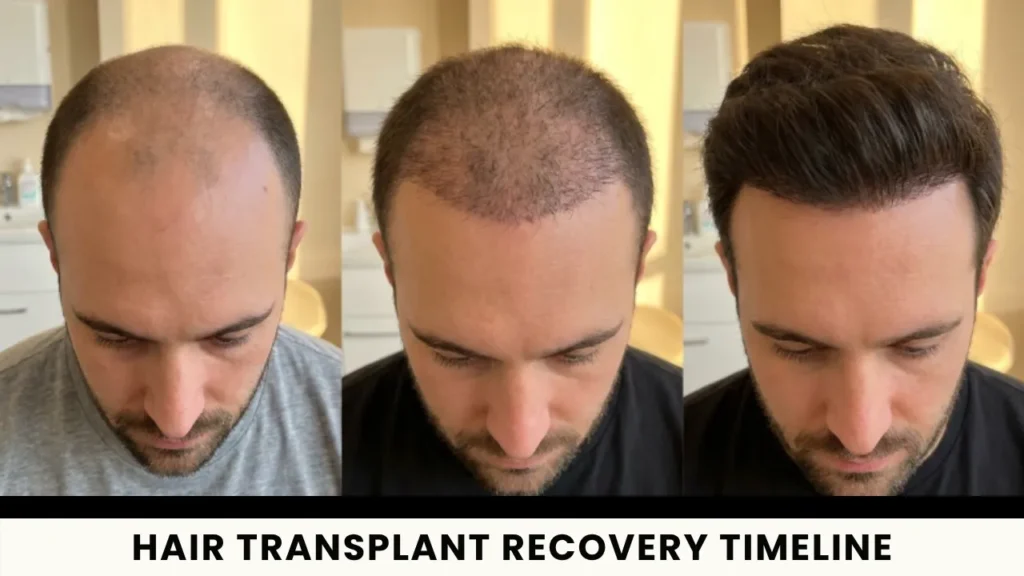
Hair Transplant Recovery Timeline: Day-by-Day, Week-by-Week and Month-by-Month Guide
Hair Transplant Recovery Timeline: Day-by-Day, Week-by-Week and Month-by-Month Guide Free Hair Analysis Homepage Blog Wayne…
Justin Bieber Hair Transplant: Hairline Analysis, Before & After Photos, Rumors & Expert Opinion
Justin Bieber Hair Transplant: Hairline Analysis, Before & After Photos, Rumors & Expert Opinion Free…
Wayne Rooney Hair Transplant: Before & After
Wayne Rooney Hair Transplant: Before & After Free Hair Analysis Homepage Blog Wayne Rooney Hair…

Conor McGregor Hair Transplant: Before & After
Conor McGregor Hair Transplant: Before & After Free Hair Analysis Homepage Blog Conor McGregor Hair…
Turkey Visa Requirements for Hair Transplant in Turkey
Turkey Visa Requirements for Hair Transplant in Turkey Free Hair Analysis Homepage Blog Turkey Visa…
David Silva Hair Transplant: Before & After
David Silva Hair Transplant: Before & After Free Hair Analysis Homepage Blog Discover David Silva…
Ready To
Book Your Appointment?
Reach out to us or complete our simple online form
and we’ll contact you to schedule a time that works perfectly for you.



Frequently Asked Questions