Turkey Hair Center in Turkey: How to Choose Safely
Homepage

Blog
Turkey Hair Center in Turkey: How to Choose Safely

Medical Reviewed By Dr. Tompi, M.D – Plastic & Aesthetic Surgeon
Written By Nazmi G, Trichologist

To select a hair transplant clinic in Turkey, verify the surgeon’s direct involvement and qualifications, review authentic patient results, and obtain a transparent, all-inclusive price quote (typically $1,500–$4,500). A qualified surgeon performs a personal assessment to create a realistic graft plan—usually between 2,000 and 5,000 grafts—rather than offering a generic estimate.
Turkey is a leading global destination for hair transplantation, attracting international patients with its concentration of experienced surgeons and cost-effective procedures. This high volume of clinics, however, makes careful patient vetting essential. Your choice of clinic is as critical as the surgical technique itself, directly influencing your safety, the realism of your expectations, and the final clinical outcome.
A well-researched decision protects your health and investment. This guide provides the necessary criteria to evaluate clinics in Turkey, enabling you to select a facility with confidence and a clear understanding of the process.
Understanding the Turkish Hair Transplant Landscape
Turkey’s reputation in hair restoration is built on the expertise of its surgeons, the use of modern medical facilities, and pricing that is often more accessible than in the UK or North America. Istanbul, as the primary hub, has a highly competitive market. While this drives quality and affordability, it also places the responsibility of thorough due diligence firmly on the patient.
The most common surgical techniques offered are Follicular Unit Extraction (FUE) and its advanced variations, Sapphire FUE and Direct Hair Implantation (DHI). FUE involves harvesting individual follicular units from a donor site for implantation. Sapphire FUE uses sapphire-tipped blades to create recipient incisions, which may promote faster healing. DHI utilises a specialised Choi implanter pen to place grafts directly without pre-made incisions, offering precise control over graft angle and depth. A clinic's demonstrated proficiency with a technique is more important than the method's name alone.
Accreditation and Licensing: Your First Line of Defence
Before considering any other factors, you must verify a clinic's official credentials. In Turkey, all medical facilities performing surgery must be licensed by the Turkish Ministry of Health. This is the absolute minimum standard for legal and safe operation.
- Ministry of Health Licence: This is non-negotiable. The clinic must provide clear proof of its current, valid operating licence.
- International Accreditations: While not mandatory, certifications from bodies like JCI (Joint Commission International) signal an adherence to global standards in healthcare quality and patient safety. These are often held by larger, hospital-based clinics.
- Surgeon's Qualifications: Confirm that the lead surgeon is a board-certified plastic surgeon or dermatologist with extensive, specialised training in hair restoration. Critical surgical steps must be performed by the surgeon, not delegated to unsupervised technicians.
A reputable clinic will provide this documentation transparently. You should independently verify these credentials with the issuing organisations where possible.
The Expertise of the Medical Team
The success of your hair transplant depends directly on the skill of the medical team, particularly the lead surgeon. It is vital to clarify who will perform each phase of your procedure.
- Surgeon's Role: The surgeon must be responsible for the most critical aesthetic and surgical decisions: designing the hairline and creating the recipient site incisions (canal opening). While trained technicians often assist with graft extraction and placement, the surgeon's direct involvement in key stages is essential.
- Experience and Specialisation: Enquire about the surgeon's specific background in hair transplantation, including the volume of procedures they have personally performed. A surgeon who focuses exclusively on this field typically possesses a higher level of specialised skill.
- Team Size and Training: The efficiency and safety of a large graft session depend on a well-coordinated team of trained technicians. Ask about their experience and the clinic's training protocols.
A credible clinic will arrange a direct consultation between you and the surgeon before you make any financial commitment.
Transparent Pricing and All-Inclusive Packages
Competitive pricing is a primary draw for patients choosing Turkey, but exceptionally low costs can be a red flag for compromised quality, hygiene, or team experience. A typical price for a comprehensive FUE procedure ranges from approximately $1,500 to $4,500, depending on the number of grafts, the clinic's reputation, and the services included.
Look for clinics that provide clear, all-inclusive packages. These should cover:
- The hair transplant procedure (up to a stated maximum graft count).
- Pre-operative blood tests and medical evaluation.
- A post-operative medication pack (analgesics, antibiotics, anti-inflammatories).
- Specialised aftercare shampoo and lotion.
- Accommodation for two to three nights in a partner hotel.
- All airport, hotel, and clinic transfers.
- Translator and patient support services.
- Scheduled post-operative follow-up consultations.
Always insist on a detailed written quotation that itemises all included services and lists any potential additional costs. Avoid clinics that are vague about pricing or use high-pressure tactics.
Clinic Facilities and Hygiene Standards
The clinical environment is fundamental to your safety and a successful outcome. Modern, sterile facilities are non-negotiable for any surgical procedure.
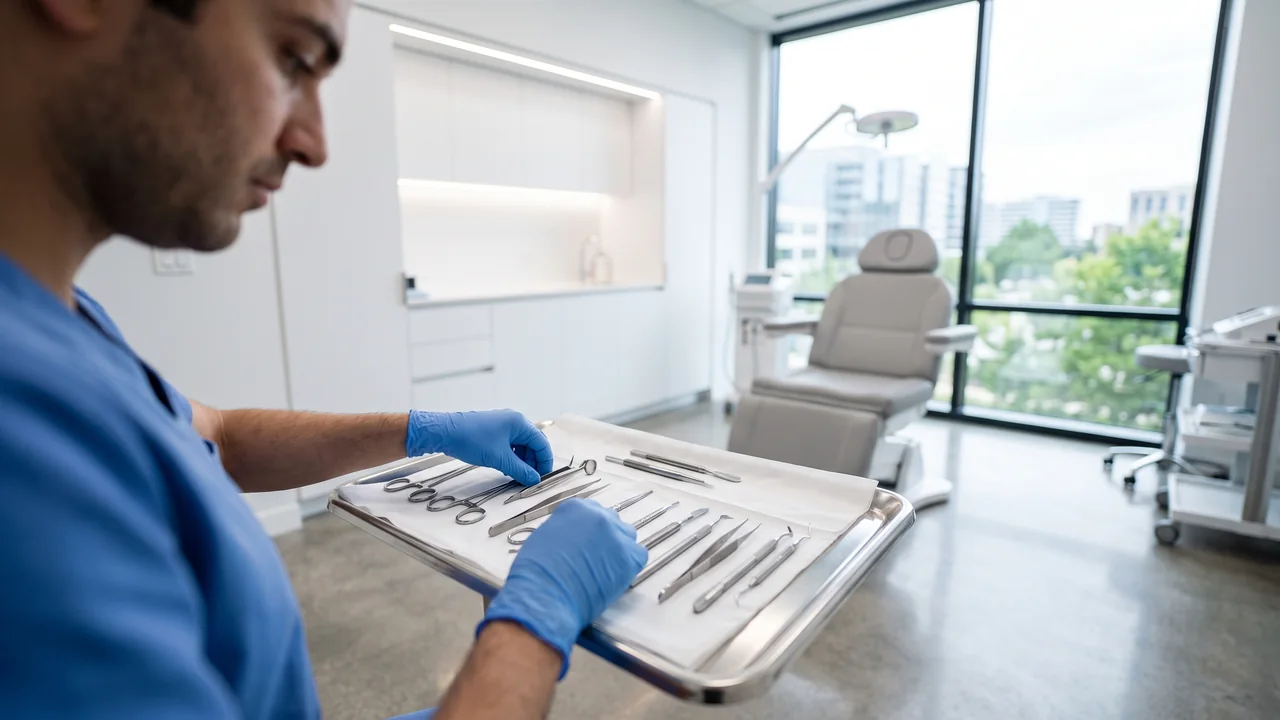
- Cleanliness and Sterilisation: The clinic must be visibly clean. Surgical instruments must be single-use or sterilised in an autoclave. Ask directly about their sterilisation protocols.
- Operating Theatres: The procedure must be conducted in a dedicated, sterile operating theatre, not a standard consultation room.
- Emergency Preparedness: Although complications are infrequent, a professional clinic must be equipped to manage medical emergencies. Clinics operating within or affiliated with a full-service hospital offer an additional layer of safety.
- Post-operative Recovery Area: A clean, comfortable, and private area should be available for your immediate recovery after the procedure.
Most clinics provide photos or virtual tours of their facilities online. Scrutinise these details and ask for more information if needed.
Comprehensive Consultations and Realistic Expectations
A thorough consultation is the foundation of a successful hair transplant. It allows the surgeon to assess your specific case, understand your goals, and develop a personalised surgical plan.
- Detailed Hair and Scalp Analysis: The assessment should include your donor area density, hair shaft thickness (calibre), and the classification of your hair loss (e.g., the Norwood scale).
- Realistic Goal Setting: An ethical surgeon will provide an honest evaluation of what is achievable with your available donor hair, rather than promising results that are surgically unfeasible.
- Donor Area Management: The surgeon should explain their strategy for harvesting grafts to avoid over-harvesting, which can cause visible thinning at the donor site and compromise options for future procedures.
- Medical History Review: A complete review of your health history and current medications is mandatory to ensure you are a suitable candidate and to minimise any potential risks.
Be cautious of any clinic that offers a generic, one-size-fits-all approach or rushes the consultation process.

Patient Reviews and Testimonials
While online reviews require critical assessment, they can provide valuable insights into patient experiences. Focus on consistent themes in feedback across multiple independent platforms.
- Independent Review Platforms: Check sources such as Google Reviews, Trustpilot, and specialised hair transplant forums. A large volume of reviews with a consistently high average rating is a positive indicator.
- Video Testimonials: These can offer a more authentic perspective than written reviews and allow you to see results on video.
- Before-and-After Photos: Use photo galleries to assess the naturalness of hairlines and the consistency of the clinic's work. Remember that individual results vary, so focus on the quality of the surgical work rather than making direct comparisons.
Pay attention to comments about the clinic's communication, post-operative support, and how they handle any issues that arise. A professional response to criticism is a good sign.
Aftercare and Follow-up Support
Your hair transplant does not end when you leave the clinic. Proper post-operative care is crucial for graft survival and the overall success of the procedure.
- Clear Instructions: You must receive detailed verbal and written instructions for post-operative care, covering scalp washing protocols, medication schedules, and limitations on physical activity.
- Dedicated Aftercare Contact: A reliable clinic will provide a dedicated contact person or team to answer your questions and manage any concerns once you have returned home.
- Long-Term Follow-up: Enquire about the clinic's protocol for long-term monitoring. This often includes scheduled check-ins via video call at key milestones (e.g., 6, 12, and 18 months) to track your progress.
A lack of structured aftercare support is a significant warning sign. Poor post-operative management can compromise an otherwise well-performed surgery.
Clinic Evaluation Checklist
Use this checklist to systematically evaluate and compare potential clinics:
| Factor | Green Flags (What to Look For) | Red Flags (What to Avoid) |
|---|---|---|
| Accreditation & Licensing | Licensed by Turkish Ministry of Health; board-certified surgeon. | Unclear licensing; surgeon's credentials are vague or unverified. |
| Team Expertise | Surgeon performs critical stages (hairline design, incisions); experienced team. | Surgeon has minimal involvement; key tasks delegated to unsupervised technicians. |
| Transparency & Ethics | Detailed written quote; realistic goals set in consultation. | Vague pricing; high-pressure sales tactics; unrealistic promises. |
| Facilities & Hygiene | Procedure in a sterile operating theatre; clear hygiene protocols. | Unclean environment; procedure in a non-clinical room. |
| Aftercare & Support | Structured aftercare plan; dedicated contact for follow-up. | Minimal instructions; no clear point of contact after leaving. |
| Patient Reviews | Consistent positive feedback on independent sites; professional responses. | Numerous unresolved complaints; suspected fake reviews. |
| Communication | Clear, prompt, and professional communication in your language. | Slow or inconsistent responses; significant language barriers. |
Medical disclaimer: This article is for informational purposes only and is not medical advice. Individual results vary from person to person. Always consult a qualified doctor before any hair transplant procedure.
Get a Free Hair Analysis from Our Experts
Use our free online help tool to communicate your hair loss concerns – it only takes a few minutes. We’ll provide you with a personalized, non-binding quote.
Let’s Call You!

Popular Blogs
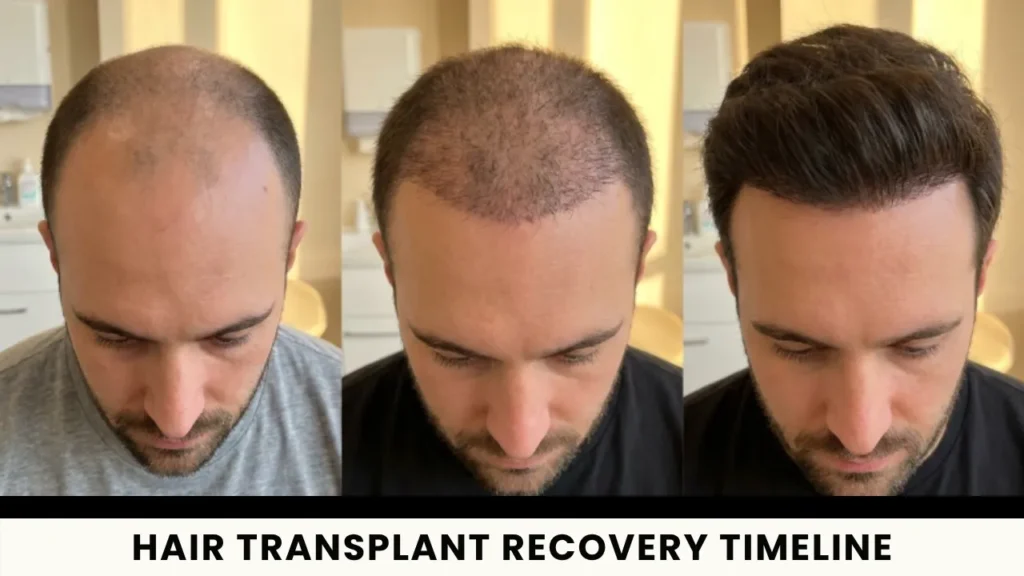
Hair Transplant Recovery Timeline: Day-by-Day, Week-by-Week and Month-by-Month Guide
Hair Transplant Recovery Timeline: Day-by-Day, Week-by-Week and Month-by-Month Guide Free Hair Analysis Homepage Blog Wayne…
Justin Bieber Hair Transplant: Hairline Analysis, Before & After Photos, Rumors & Expert Opinion
Justin Bieber Hair Transplant: Hairline Analysis, Before & After Photos, Rumors & Expert Opinion Free…
Wayne Rooney Hair Transplant: Before & After
Wayne Rooney Hair Transplant: Before & After Free Hair Analysis Homepage Blog Wayne Rooney Hair…

Conor McGregor Hair Transplant: Before & After
Conor McGregor Hair Transplant: Before & After Free Hair Analysis Homepage Blog Conor McGregor Hair…
Turkey Visa Requirements for Hair Transplant in Turkey
Turkey Visa Requirements for Hair Transplant in Turkey Free Hair Analysis Homepage Blog Turkey Visa…
David Silva Hair Transplant: Before & After
David Silva Hair Transplant: Before & After Free Hair Analysis Homepage Blog Discover David Silva…
Ready To
Book Your Appointment?
Reach out to us or complete our simple online form
and we’ll contact you to schedule a time that works perfectly for you.



Frequently Asked Questions