Design de la ligne frontale : l'art et la science derrière un résultat naturel de greffe de cheveux en 2026
Page d'Accueil

Blog
Design de la ligne frontale : l'art et la science derrière un résultat naturel de greffe de cheveux en 2026

Révisé médicalement par Dr. Tompi, M.D – Chirurgien plasticien et esthétique
Écrit par Nazmi G, Trichologist
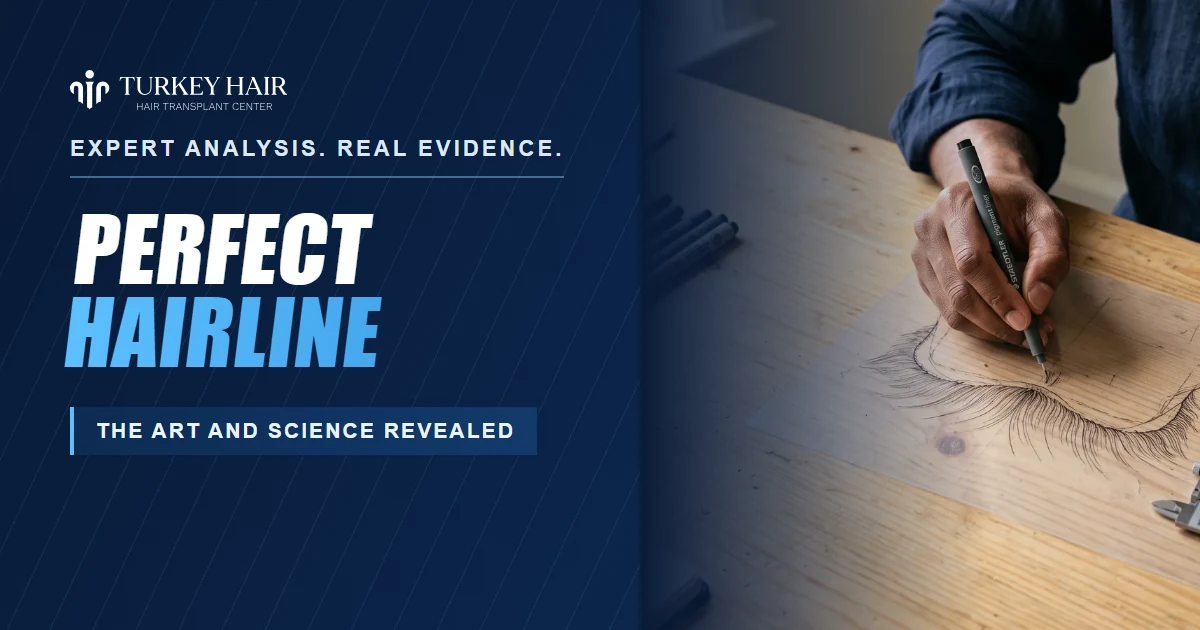


Pour beaucoup de personnes envisageant une greffe de cheveux, l'attention se porte souvent sur le nombre de greffons ou les dernières techniques FUE/DHI. Cependant, bien que ces aspects soient sans aucun doute cruciaux, il y a un élément qui a sans doute la plus grande influence sur le résultat esthétique final : la conception de la ligne frontale. C'est le cadre visuel de votre visage, la limite entre le front et les cheveux, et son naturel détermine si votre greffe de cheveux semble authentique ou manifestement artificielle. Une ligne frontale bien conçue peut rajeunir votre apparence, restaurer votre confiance et se fondre harmonieusement avec vos traits existants, créant un résultat si naturel qu'il est pratiquement indétectable.
Atteindre ce niveau de naturel est loin d'être une tâche simple ; c'est un processus méticuleux qui harmonise la vision artistique avec la précision scientifique. Chez Turkey Hair Center, nous comprenons que la conception d'une ligne frontale n'est pas une approche "taille unique". Elle exige une compréhension approfondie de l'anatomie faciale, une appréciation de l'esthétique individuelle et l'habileté chirurgicale pour exécuter le design sans faille. Cet article explorera l'art et la science derrière la création d'une ligne frontale vraiment naturelle, offrant des aperçus sur ce qui fait un design réussi et pourquoi choisir la bonne clinique avec des chirurgiens expérimentés est primordial pour votre parcours.
Le fondement d'un look naturel : pourquoi la conception de la ligne frontale est si importante
Votre ligne frontale est plus qu'une simple ligne de cheveux ; c'est un élément essentiel de votre identité faciale. Elle encadre votre visage, dicte sa forme perçue et influence considérablement votre âge apparent. Une ligne frontale reculée ou mal conçue peut vous faire paraître plus vieux, fatigué, ou même créer un déséquilibre dans les proportions de votre visage. Inversement, une ligne frontale bien pensée et adaptée à l'âge peut restaurer une vigueur juvénile, améliorer l'harmonie faciale et renforcer profondément votre estime de soi. L'objectif est toujours de créer une ligne frontale qui semble avoir été la vôtre depuis la naissance, plutôt qu'une ligne créée chirurgicalement.
Une ligne frontale non naturelle, souvent caractérisée par une rectitude excessive, un placement trop bas pour l'âge du patient, ou une transition abrupte de la peau aux cheveux, signale immédiatement qu'une greffe de cheveux a eu lieu. C'est précisément ce que nous nous efforçons d'éviter. L'œil humain est incroyablement doué pour détecter les irrégularités et les motifs artificiels. Par conséquent, comprendre les nuances subtiles de la croissance naturelle des cheveux – sa légère asymétrie, sa densité variée et ses zones de transition délicates – est fondamental pour toute restauration réussie de la ligne frontale.
L'art de la conception de la ligne frontale : esthétique faciale et individualisation
La conception de la ligne frontale est profondément une entreprise artistique, exigeant un chirurgien avec un sens aigu de l'esthétique. Chaque visage est unique, et ce qui semble naturel sur un individu peut paraître déplacé sur un autre. Nos chirurgiens prennent en compte une multitude de facteurs, en commençant par votre structure faciale unique, y compris :
- Ratios faciaux : Les principes d'harmonie faciale, souvent en référence au « nombre d'or », guident le placement idéal pour assurer l'équilibre entre le front, le milieu du visage et le bas du visage.
- Adaptation à l'âge : Une ligne frontale qui vous convenait parfaitement à 20 ans semblerait artificielle à 40 ou 50 ans. Nos conceptions tiennent compte de votre âge actuel et anticipent le vieillissement futur, garantissant que la ligne frontale reste naturelle pendant des années. Il est crucial de ne pas concevoir une ligne frontale excessivement basse, car cela peut paraître artificiel et limiter la flexibilité future.
- Muscles du front et expressions : Nous observons comment les muscles de votre front bougent lorsque vous faites des expressions. La ligne frontale doit idéalement être placée légèrement au-dessus du point le plus haut de la contraction de votre muscle frontal pour assurer une apparence naturelle lors des mouvements.
- Cheveux existants et zone donneuse : La qualité, la texture et la densité de vos cheveux existants, en particulier dans les régions temporales, et les caractéristiques de votre zone donneuse, jouent un rôle vital dans la détermination de ce qui est esthétiquement et chirurgicalement réalisable.
- Contribution et attentes du patient : Vos préférences et vos attentes sont primordiales. Grâce à des discussions détaillées, nous nous assurons que le design proposé correspond à votre vision tout en restant chirurgicalement réaliste et esthétiquement sain.
Une attention particulière est portée à l'angle fronto-temporo-pariétal (FTPTA), le point où la ligne frontale se fond dans les tempes. Cette zone est cruciale pour encadrer le visage et éviter une apparence "arrondie" ou "en forme de casque". Un chirurgien expérimenté s'assurera que cet angle est doux, naturel et harmonieux avec les contours généraux de votre visage.
La science de la conception de la ligne frontale : placement et angulation des unités folliculaires
Si l'art dicte la forme et la position générales, la science régit l'exécution méticuleuse. L'apparence naturelle d'une ligne frontale repose fortement sur le placement et l'angulation précis des unités folliculaires individuelles. Cette précision scientifique garantit que les cheveux transplantés imitent les schémas de croissance naturels :
- Irrégularité et micro-irrégularité : Une ligne frontale vraiment naturelle n'est jamais parfaitement droite ou parfaitement symétrique. Elle possède de subtiles irrégularités, de petites ondulations et des variations de densité. Cette "micro-irrégularité" est essentielle pour éviter l'aspect redouté de "tête de poupée" ou "bouchon".
- Greffons à un seul cheveu pour le bord antérieur : Le tout début de la ligne frontale, la "zone de transition", doit être composé principalement d'unités folliculaires à un seul cheveu. Ces cheveux plus fins créent une apparence douce et duveteuse, passant progressivement à des greffons plus denses et à plusieurs cheveux derrière eux. Placer des greffons à plusieurs cheveux au bord antérieur entraîne une ligne abrupte, dure et non naturelle.
- Direction et angulation : Les cheveux ne poussent pas tout droit hors du cuir chevelu. Le long de la ligne frontale, les cheveux poussent généralement vers l'avant et légèrement vers le bas, s'éventant dans diverses directions subtiles. Nos chirurgiens créent méticuleusement des sites receveurs qui correspondent à ces angles et directions naturels, garantissant que les cheveux transplantés poussent en harmonie avec les cheveux existants et imitent le schéma de croissance original.
- Gradient de densité : La ligne frontale doit présenter une augmentation progressive de la densité du tout début vers les régions situées derrière elle. Elle commence douce et clairsemée, devenant progressivement plus dense quelques millimètres en arrière. Ce gradient est crucial pour un résultat naturel et indétectable.
La compréhension scientifique de ces principes, combinée à la dextérité du chirurgien, est ce qui transforme un plan artistique en une ligne frontale vivante, en croissance et naturelle.
Atteindre l'authenticité : principes fondamentaux pour une ligne frontale naturelle
La création d'une ligne frontale véritablement naturelle implique le respect de plusieurs principes fondamentaux. Comprendre ceux-ci vous aide à apprécier l'expertise impliquée et ce qu'il faut rechercher dans un résultat de greffe de cheveux de qualité. Vous trouverez ci-dessous une comparaison des caractéristiques qui définissent une ligne frontale idéale et naturelle par rapport à celles souvent observées dans un résultat non naturel :
| Caractéristique | Ligne frontale naturelle (Idéale) | Ligne frontale non naturelle (À éviter) |
|---|---|---|
| Forme | Légèrement irrégulière, douce, ondulations subtiles | Parfaitement droite, courbée de manière non naturelle, ou trop géométrique |
| Densité | Transition graduelle de clairsemé (cheveux uniques) à l'avant à plus dense derrière | Ligne de cheveux abrupte et dense dès le front |
| Direction des cheveux | Les cheveux poussent vers l'avant et légèrement vers le bas, s'éventant naturellement | Les cheveux poussent uniformément perpendiculairement au cuir chevelu, ou dans une direction non naturelle |
| Type de greffon | Principalement des greffons à un seul cheveu au bord antérieur | Greffons à plusieurs cheveux placés directement sur la ligne frontale |
| Symétrie | Asymétrie subtile et naturelle (aucun être humain n'est parfaitement symétrique) | Symétrie parfaite, en miroir, qui semble artificielle |
| Adaptation à l'âge | Conçue pour s'adapter à l'âge du patient et au vieillissement futur anticipé | Trop basse ou trop agressive pour l'âge du patient, créant un look "jeune" mais faux |
| Transition | Apparence douce et plumeuse là où la peau rencontre les cheveux | Ligne nette et distincte, comme un "mur" de cheveux |
L'expertise du chirurgien : allier vision artistique et précision médicale
Le succès de la conception de votre ligne frontale dépend presque entièrement de l'habileté, de l'expérience et de la sensibilité artistique du chirurgien. Il ne s'agit pas seulement de transplanter des greffons ; il s'agit de créer une œuvre d'art vivante qui s'harmonise avec les traits de votre visage. Un chirurgien expérimenté en greffe de cheveux agit à la fois comme un artiste et un scientifique.
En tant qu'artiste, il imagine la ligne frontale la plus esthétique et la plus adaptée à l'âge pour votre visage unique. Il comprend les nuances des proportions faciales, l'impact de la lumière et de l'ombre, et comment créer une ligne frontale qui complète votre apparence générale. En tant que scientifique, il possède les compétences chirurgicales précises pour exécuter cette vision, plaçant méticuleusement chaque greffon à l'angle, à la direction et à la profondeur corrects pour assurer une croissance optimale et un résultat vraiment naturel.
Chez Turkey Hair Center, notre équipe est composée de chirurgiens hautement qualifiés et expérimentés qui ont consacré leur carrière à maîtriser l'art et la science de la restauration capillaire. Nous croyons en une approche collaborative, travaillant en étroite collaboration avec vous pour comprendre vos désirs et les combiner avec notre expertise médicale afin d'obtenir le meilleur résultat possible.
Votre consultation personnalisée pour la ligne frontale au Turkey Hair Center
Le processus de conception de la ligne frontale commence par une consultation complète et personnalisée. C'est une étape cruciale où votre contribution et notre expertise fusionnent pour créer votre ligne frontale idéale. Lors de votre consultation au Turkey Hair Center, vous pouvez vous attendre aux éléments suivants :
- Examen détaillé : Notre chirurgien examinera minutieusement votre schéma de perte de cheveux existant, la qualité et la densité de votre zone donneuse, et les caractéristiques de tout cheveu natif restant. Nous évaluerons également votre structure faciale, l'élasticité de votre peau et les mouvements musculaires.
- Discussion des objectifs et des attentes : Nous aurons une conversation ouverte et honnête sur vos objectifs esthétiques. Il est important d'aligner vos attentes avec ce qui est chirurgicalement et esthétiquement réaliste pour assurer la satisfaction.
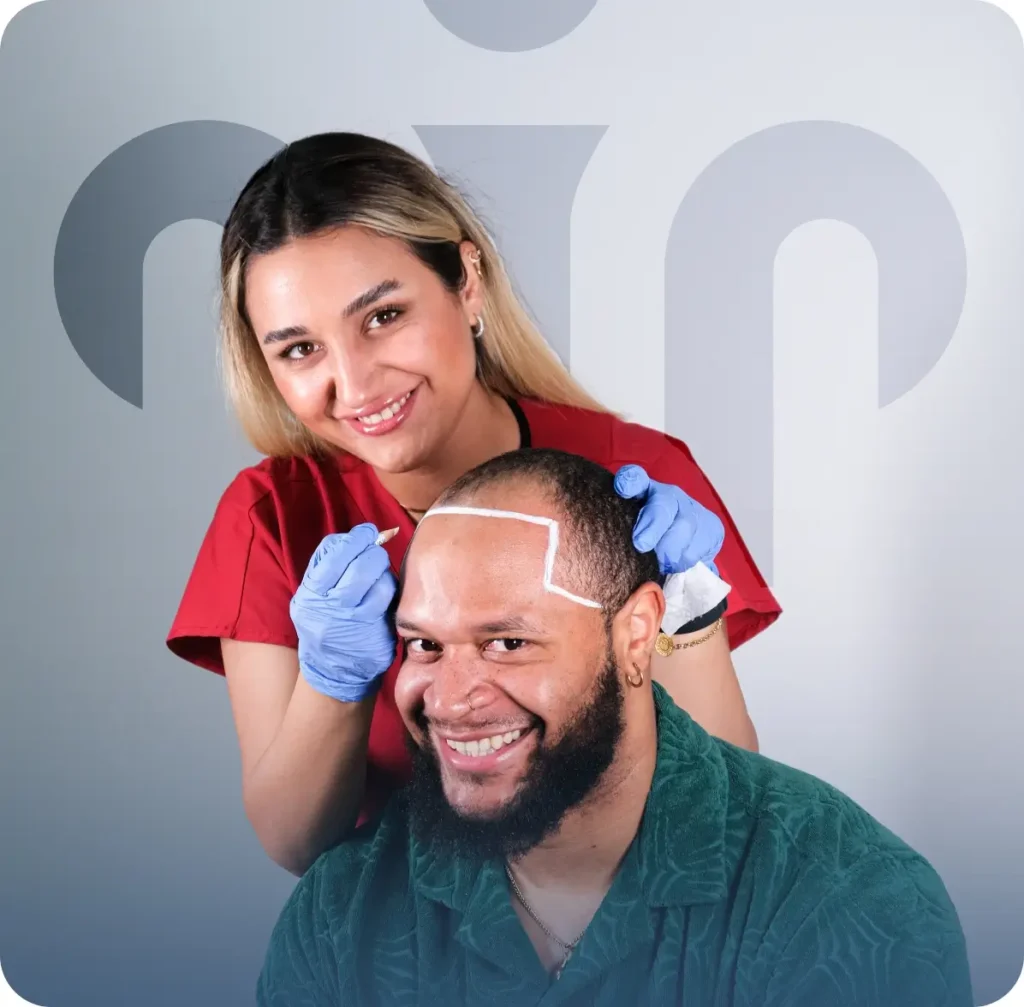
- Dessin et affinement de la ligne frontale : C'est là que la magie opère. Votre chirurgien dessinera soigneusement une ligne frontale proposée directement sur votre cuir chevelu, à l'aide de marqueurs spécialisés. Vous serez activement impliqué dans ce processus, en fournissant des commentaires au fur et à mesure que le design est affiné. Nous évaluerons différentes options, en tenant compte de la hauteur, de la forme et du flux général, jusqu'à ce que nous parvenions à un design que vous et le chirurgien jugerez naturel et harmonieux.
- Documentation photographique : Des photographies détaillées seront prises sous différents angles pour faciliter la planification et servir de référence tout au long de votre parcours de traitement.
Cette phase de planification méticuleuse garantit que chaque aspect de votre nouvelle ligne frontale est pris en compte, de sa forme macro aux micro-irrégularités qui la rendront indiscernable des cheveux naturels.
Du plan à la réalité : l'exécution du design de la ligne frontale
Une fois le design de la ligne frontale finalisé, la procédure de greffe de cheveux commence. Que ce soit en utilisant la technique d'extraction d'unités folliculaires (FUE) ou d'implantation directe de cheveux (DHI), l'exécution du design de la ligne frontale exige une précision exceptionnelle.
Pendant la phase d'extraction des greffons, des unités folliculaires saines sont soigneusement prélevées de votre zone donneuse, généralement l'arrière ou les côtés de votre cuir chevelu. Ces greffons sont ensuite méticuleusement préparés pour l'implantation. Le véritable test du design de la ligne frontale intervient pendant la phase d'implantation. Nos chirurgiens, guidés par le plan pré-établi, créent de minuscules sites receveurs le long de la ligne frontale. Chaque site est réalisé avec une attention particulière à :
- L'angle : Assurer que les cheveux poussent à un angle naturel par rapport au cuir chevelu.
- La direction : Imiter le flux naturel et les motifs de tourbillon des cheveux.
- La profondeur : Placer le greffon à la bonne profondeur pour une survie et une croissance optimales.
- La densité : Respecter le gradient de densité progressif prévu pour la ligne frontale.
Les plus petits greffons à un seul cheveu sont stratégiquement placés à l'avant de la ligne frontale, créant cette zone de transition douce et plumeuse. Au fur et à mesure que le chirurgien recule, des unités folliculaires légèrement plus grandes (2-3 cheveux) sont utilisées pour construire la densité. Les soins post-opératoires sont également essentiels ; suivre nos instructions pour les soins du cuir chevelu et éviter les activités intenses garantira que les greffons nouvellement transplantés dans votre ligne frontale s'installent efficacement et contribuent au résultat naturel souhaité.
Comprendre l'investissement : coûts et valeur de la greffe de cheveux en Turquie
Investir dans une greffe de cheveux, en particulier une qui met l'accent sur des lignes frontales conçues par des experts, est un investissement dans votre apparence et votre confiance. La Turquie est devenue un centre mondial pour la greffe de cheveux, offrant des services de classe mondiale à des prix nettement plus accessibles que dans de nombreux pays occidentaux. En 2026, le coût d'une procédure complète de greffe de cheveux en Turquie, qui comprend une conception détaillée de la ligne frontale, varie généralement d'environ 1 800 £ à 5 500 £. Cette fourchette peut varier en fonction de plusieurs facteurs :
- Nombre de greffons : L'étendue de votre perte de cheveux et le nombre de greffons nécessaires influenceront le coût total.
- Réputation de la clinique et expertise du chirurgien : Les cliniques très réputées avec des chirurgiens expérimentés et certifiés par un conseil d'administration exigent souvent un prix plus élevé, reflétant leurs antécédents prouvés et leurs résultats supérieurs.
- Services inclus : De nombreuses cliniques en Turquie proposent des forfaits tout compris qui couvrent l'hébergement, les transferts, les tests préopératoires et les soins postopératoires, ce qui peut avoir un impact sur le prix global.
- Technique utilisée : Bien que la FUE et la DHI soient toutes deux courantes, la DHI peut parfois entraîner un coût légèrement plus élevé en raison de son stylo implanteur spécialisé et de sa technique.
Il est crucial de se rappeler que si le coût est un facteur, l'accent principal doit toujours être mis sur la qualité, la sécurité et l'expertise de l'équipe médicale. Une procédure moins chère qui aboutit à une ligne frontale non naturelle sera finalement un mauvais investissement. Turkey Hair Center est fier d'offrir une valeur exceptionnelle : des soins médicaux de première qualité, des techniques de pointe et des chirurgiens hautement qualifiés, le tout contribuant à des résultats véritablement naturels et satisfaisants.
Medical disclaimer: This article is for informational purposes only and is not medical advice. Individual results vary from person to person. Always consult a qualified doctor before any hair transplant procedure.
Obtenez Analyse Capillaire Gratuite de nos experts
Use our free online help tool to communicate your hair loss concerns – it only takes a few minutes. We’ll provide you with a personalized, non-binding quote.
Let’s Call You!

Articles de Blog Populaires
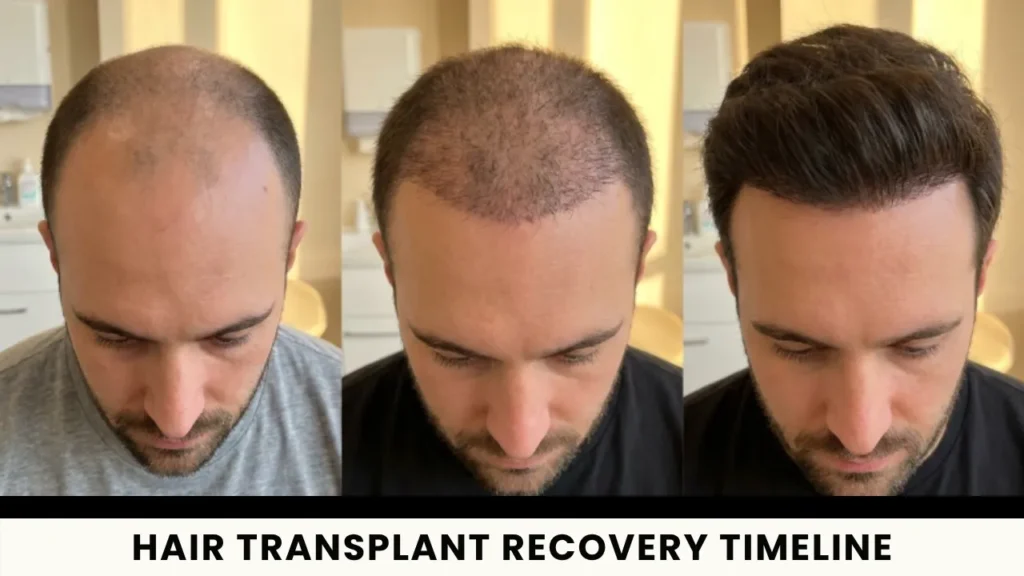
Calendrier de récupération après une greffe de cheveux : Guide jour par jour, semaine par semaine et mois par mois
Calendrier de récupération après une greffe de cheveux : Guide jour par jour, semaine par semaine et mois par mois
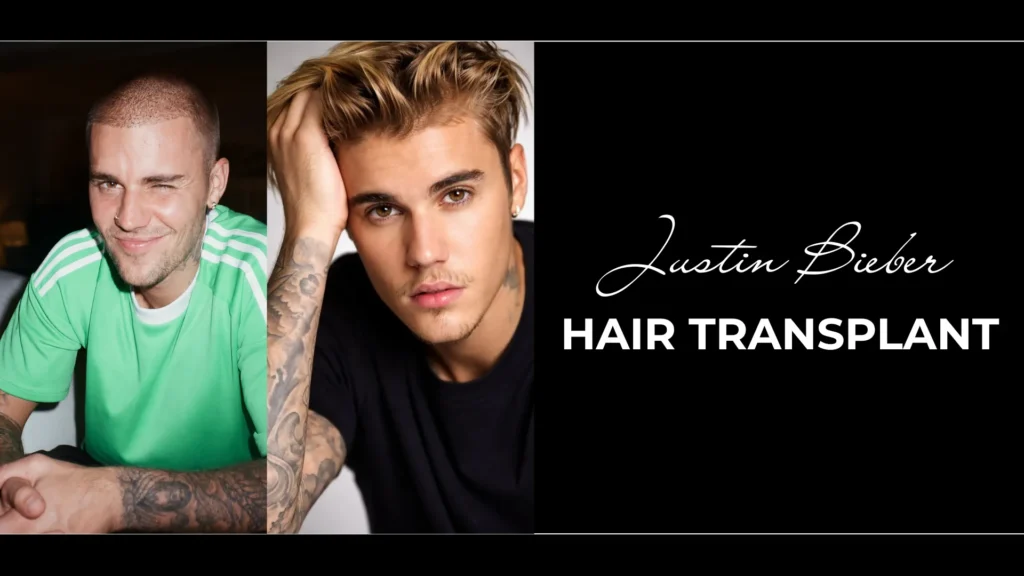
Greffe de cheveux de Justin Bieber : Analyse de la ligne frontale, photos avant et après, rumeurs et avis d'experts
Greffe de cheveux de Justin Bieber : Analyse de la ligne frontale, photos avant et après, rumeurs et avis d'experts
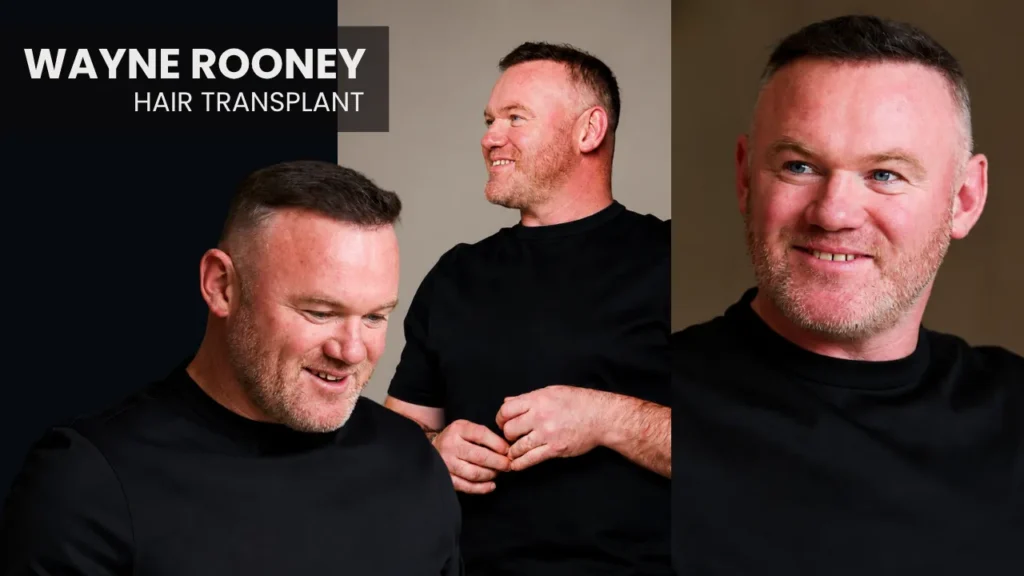
Greffe de cheveux de Wayne Rooney : Avant et après
Greffe de cheveux de Wayne Rooney : Avant et après

Greffe de cheveux de Conor McGregor : Avant et après
Greffe de cheveux de Conor McGregor : Avant et après
Exigences de visa pour la Turquie pour une greffe de cheveux en Turquie
Exigences de visa pour la Turquie pour une greffe de cheveux en Turquie
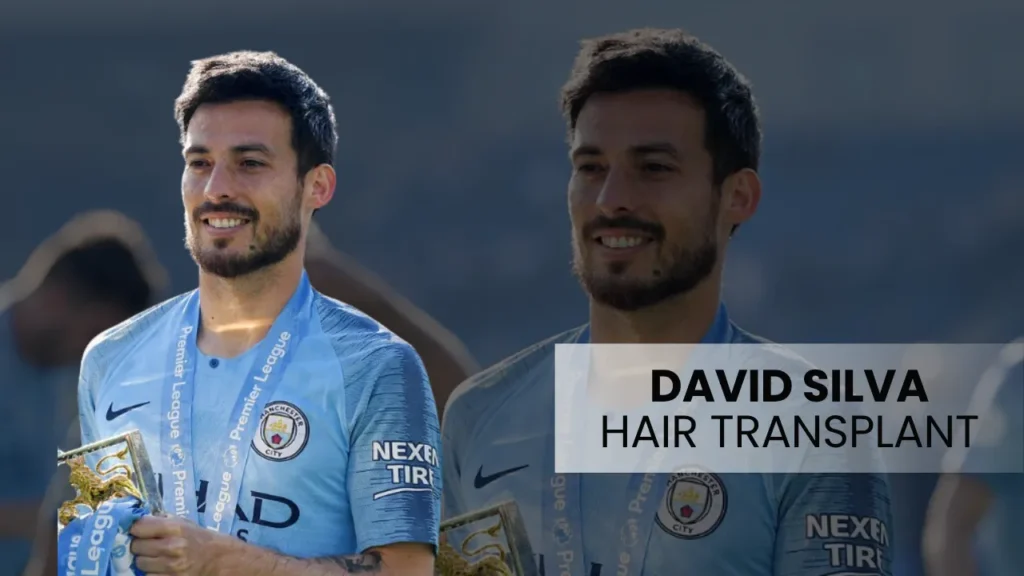
Greffe de cheveux de David Silva : Avant et après
Greffe de cheveux de David Silva : Avant et après
Prêt à
Réserver Votre Rendez-vous ?
Reach out to us or complete our simple online form
and we’ll contact you to schedule a time that works perfectly for you.



Foire Aux Questions