5 signes que vous êtes prêt pour une greffe de cheveux en 2026 (et 3 signes qu'il faut attendre)
Page d'Accueil

Blog
5 signes que vous êtes prêt pour une greffe de cheveux en 2026 (et 3 signes qu'il faut attendre)

Révisé médicalement par Dr. Tompi, M.D – Chirurgien plasticien et esthétique
Écrit par Nazmi G, Trichologist



Une greffe de cheveux est une décision permanente, et la préparation ne concerne pas seulement la quantité de cheveux que vous avez perdue — il s'agit du stade de votre perte, de votre zone donneuse, de votre santé et de vos attentes. Se précipiter trop tôt peut entraîner un amincissement continu des cheveux natifs autour des nouvelles greffes ; attendre trop longtemps rend plus difficile l'obtention du meilleur résultat. Ce guide détaille les signes indiquant que vous êtes réellement prêt en 2026, les signes qu'il est plus judicieux de faire une pause, et ce qu'un chirurgien évalue exactement avant de donner son accord.
D'abord, connaissez le stade de votre perte de cheveux (l'échelle de Norwood)
Les chirurgiens utilisent l'échelle de Norwood pour classer la calvitie masculine de stade 1 (pas de perte réelle) à stade 7 (perte étendue avec seulement une bande de cheveux donneurs restante). La plupart des bons candidats se situent entre le stade 3 et le stade 6, où il y a une zone claire à restaurer et une zone donneuse saine pour la restaurer. Connaître votre stade vous aide à comprendre si une greffe est réaliste maintenant ou si un traitement médical devrait venir en premier.
1. Votre perte de cheveux s'est clairement stabilisée
Le signe le plus important de préparation est une ligne capillaire qui a cessé de bouger. Lorsque votre perte s'est stabilisée pendant environ un an, un chirurgien peut concevoir autour d'une toile stable au lieu de courir après une cible en recul. Une chute agressive et imprévisible est la raison classique pour laquelle une greffe est reportée — les greffons placés dans une zone activement clairsemée peuvent laisser des lacunes à mesure que les cheveux natifs environnants continuent de tomber.
2. Vous avez une zone donneuse forte
Chaque greffon est prélevé à l'arrière et sur les côtés de votre cuir chevelu — la zone donneuse qui est génétiquement résistante à la perte de cheveux. Une réserve donneuse dense et saine est la matière première qui rend la couverture possible et laisse des options ouvertes pour l'avenir. Lors de l'évaluation, le chirurgien mesure la densité de la zone donneuse (unités folliculaires par cm²) pour estimer combien de greffons peuvent être déplacés en toute sécurité sans amincir la zone donneuse elle-même.
3. Vous avez essayé (ou envisagé) un traitement médical
La chirurgie n'est pas toujours la première étape. Pour une perte précoce, des options cliniquement établies telles que le minoxidil et le finastéride peuvent ralentir la chute et protéger les cheveux existants. Si vous avez atteint un plateau malgré ceux-ci — ou si votre perte est suffisamment avancée pour que les médicaments seuls ne puissent pas reconstruire la ligne capillaire — c'est un signe fort qu'une greffe est la bonne étape suivante plutôt qu'un premier recours.
4. Vous êtes en bonne santé générale
Une greffe de cheveux est une intervention chirurgicale mineure, donc la candidature inclut une santé générale raisonnable. Les conditions bien gérées sont généralement acceptables, mais les problèmes non contrôlés, certains médicaments et le tabagisme intense peuvent affecter la guérison et la survie des greffons. Un historique médical honnête fait partie de toute consultation sérieuse.
5. Vos attentes sont réalistes — et cela affecte votre confiance
Les patients les plus satisfaits comprennent qu'une greffe redistribue les cheveux existants pour créer un cadre naturel et adapté à l'âge — elle ne fabrique pas une densité d'adolescent à partir de rien. Si vous voulez une ligne capillaire naturelle et un aspect plus fourni, et que l'amincissement a réellement commencé à affecter la façon dont vous vous sentez sur les photos, lors des réunions ou dans les contextes sociaux, les signes pratiques et émotionnels indiquent que vous êtes prêt.
Prêt ou attendre ? Un rapide contrôle de candidature
| Facteur | Prêt | Mieux vaut attendre |
|---|---|---|
| Modèle de perte | Stable ~12 mois | Progression active |
| Âge | Fin de la vingtaine et plus | Très jeune vingtaine, perte rapide |
| Zone donneuse | Dense et saine | Mince ou déjà épuisée |
| Attentes | Naturel, adapté à l'âge | Densité d'adolescent |
| Recherche effectuée | Clinique et chirurgien vérifiés | Recherche du prix le plus bas |
3 signes qu'il est plus judicieux d'attendre
- Vous avez une vingtaine d'années avec une perte rapide et imprévisible. Une ligne capillaire conçue trop basse maintenant peut paraître artificielle dans une décennie à mesure que la perte continue.
- Votre modèle a changé de manière notable au cours des derniers mois. Laissez-le se stabiliser — souvent avec un soutien médical — afin que le résultat final reste naturel.
- Vous n'avez pas vérifié la clinique ou le chirurgien. Les résultats dépendent bien plus de la planification et de la technique que du prix. La recherche vient en premier.
Ce qu'une consultation appropriée évalue
Vous ne saurez vraiment que vous êtes prêt qu'après qu'un spécialiste vous ait évalué. Une consultation approfondie examine votre stade de Norwood, mesure la densité de la zone donneuse, examine la zone receveuse sous grossissement, discute des antécédents médicaux et des médicaments, et convient d'un plan de greffe réaliste et d'une conception de la ligne capillaire adaptée à votre visage et à votre âge. Si un prestataire promet un résultat fixe avant d'évaluer votre zone donneuse, considérez cela comme un signal d'alarme.
En résumé
Si votre perte s'est stabilisée, votre zone donneuse est forte, votre santé est bonne et vos attentes sont fondées — et l'amincissement affecte votre confiance — les signes indiquent clairement que vous êtes prêt. Une décision calme et bien planifiée, guidée par une consultation honnête, est ce qui sépare un résultat naturel et durable d'un résultat précipité.
Medical disclaimer: This article is for informational purposes only and is not medical advice. Individual results vary from person to person. Always consult a qualified doctor before any hair transplant procedure.
Obtenez Analyse Capillaire Gratuite de nos experts
Use our free online help tool to communicate your hair loss concerns – it only takes a few minutes. We’ll provide you with a personalized, non-binding quote.
Let’s Call You!

Articles de Blog Populaires
Calendrier de récupération après une greffe de cheveux : Guide jour par jour, semaine par semaine et mois par mois
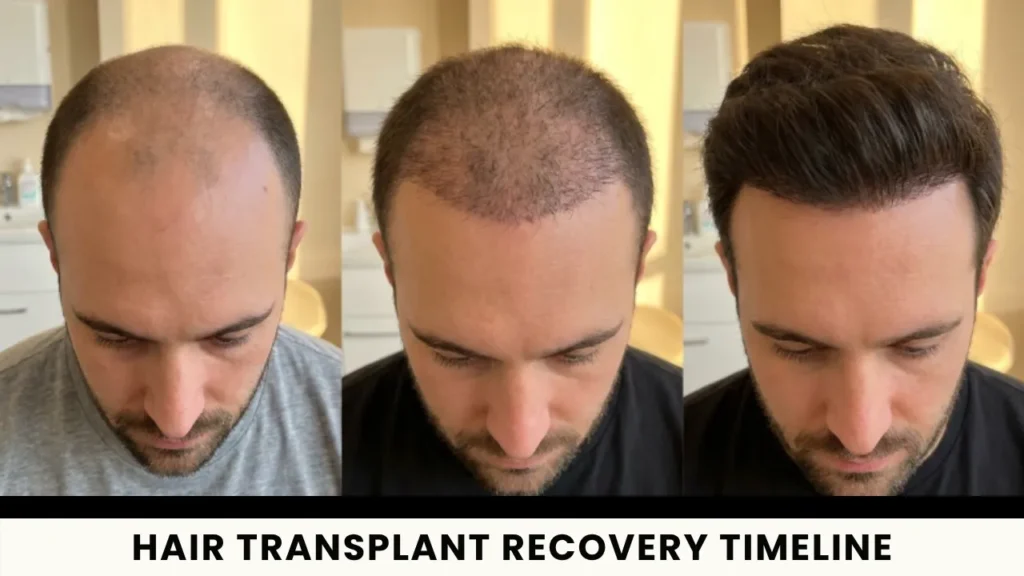
Calendrier de récupération après une greffe de cheveux : Guide jour par jour, semaine par semaine et mois par mois
Greffe de cheveux de Justin Bieber : Analyse de la ligne frontale, photos avant et après, rumeurs et avis d'experts
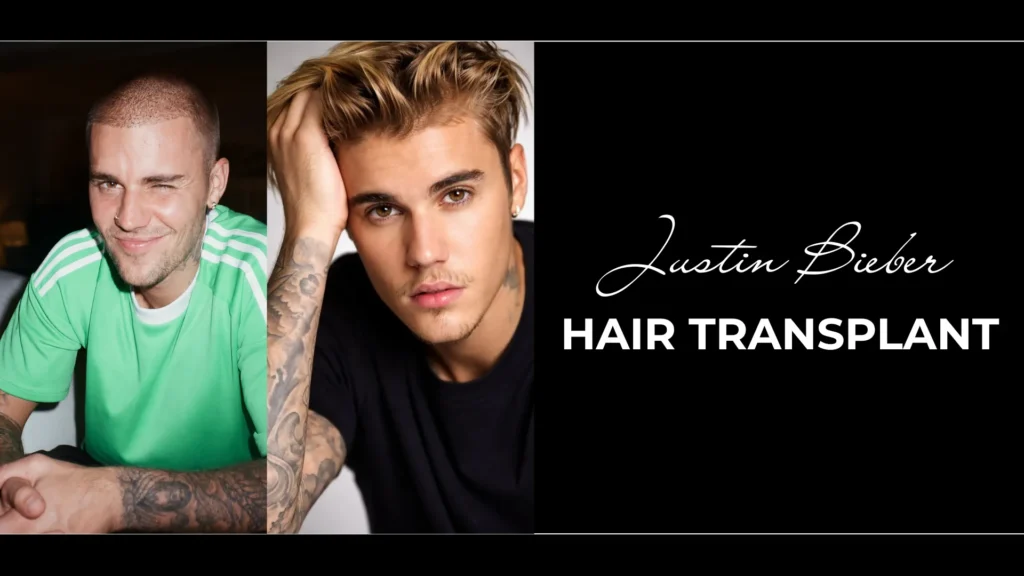
Greffe de cheveux de Justin Bieber : Analyse de la ligne frontale, photos avant et après, rumeurs et avis d'experts
Greffe de cheveux de Wayne Rooney : Avant et après
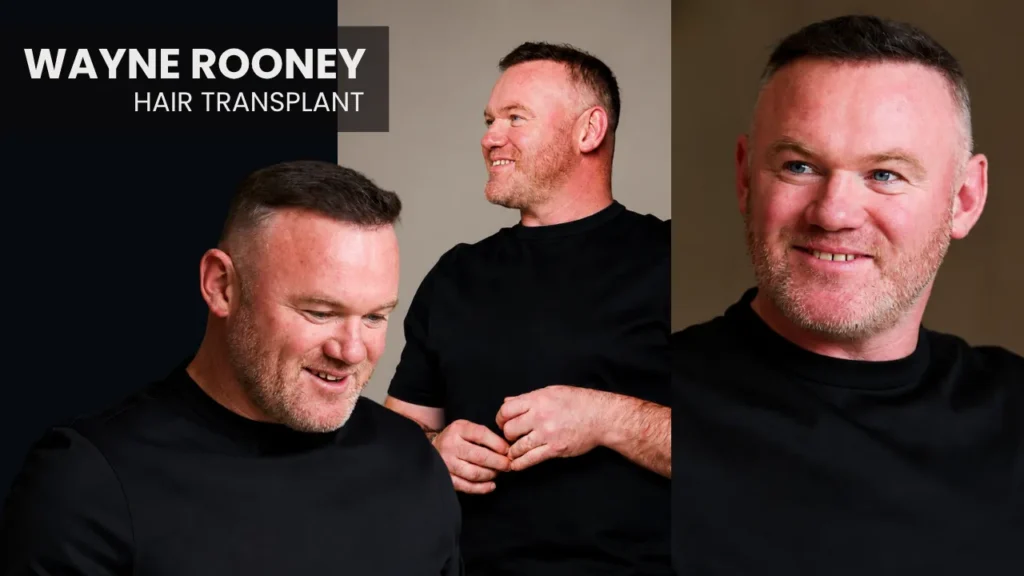
Greffe de cheveux de Wayne Rooney : Avant et après

Greffe de cheveux de Conor McGregor : Avant et après
Greffe de cheveux de Conor McGregor : Avant et après
Exigences de visa pour la Turquie pour une greffe de cheveux en Turquie
Exigences de visa pour la Turquie pour une greffe de cheveux en Turquie
Greffe de cheveux de David Silva : Avant et après
Greffe de cheveux de David Silva : Avant et après
Prêt à
Réserver Votre Rendez-vous ?
Reach out to us or complete our simple online form
and we’ll contact you to schedule a time that works perfectly for you.



Foire Aux Questions