Female Hair Transplant: Are Women Good Candidates?
Homepage

Blog
Female Hair Transplant: Are Women Good Candidates?

Medical Reviewed By Dr. Tompi, M.D – Plastic & Aesthetic Surgeon
Written By Nazmi G, Trichologist

A hair transplant is a viable option for women provided their hair loss has stabilised into a distinct pattern and they have a sufficient donor area. Techniques that do not require full shaving are often used to preserve existing hair during the procedure. While new growth starts around the third or fourth month, the final result is typically visible after 12 to 18 months.
Hair loss affects women differently than men, both in its typical patterns and its psychological impact. A hair transplant procedure for a female patient requires a distinct diagnostic and surgical approach.
This overview details the types of female hair loss, the criteria for candidacy, and the diagnostic process required to determine if a hair transplant is the correct medical solution for you.
Understanding Female Hair Loss Patterns
Female hair loss usually presents as diffuse thinning over the top of the scalp, unlike the receding hairlines or bald crowns common in men. A precise diagnosis is essential, as transplantation is only effective for specific conditions.
- Female Pattern Hair Loss (FPHL) / Androgenetic Alopecia: This is the most common cause, presenting as gradual, diffuse thinning over the top and crown of the scalp, while the frontal hairline is often preserved. FPHL can be treated effectively with a transplant if a stable donor area is available.
- Traction Alopecia: This is hair loss caused by sustained tension from tight hairstyles. If the tension is removed early, the hair may regrow. Chronic, long-term traction causes permanent follicle loss that can be restored with transplantation.
- Alopecia Areata: An autoimmune disorder causing patchy hair loss. It is not a suitable condition for hair transplantation, as the immune system can attack the newly transplanted follicles.
- Telogen Effluvium: This is a temporary, widespread shedding of hair triggered by a significant event such as illness, major stress, or hormonal shifts like childbirth. Hair transplantation is not indicated, as the hair typically regrows on its own over several months.
- Cicatricial (Scarring) Alopecia: A group of inflammatory disorders that destroy hair follicles, leaving scar tissue. Transplantation into these areas is complex and requires a specialist's assessment to determine viability.
A specialist must conduct a thorough diagnosis to identify the cause of your hair loss. This includes investigating and addressing potential contributing factors such as hormonal imbalances, nutritional deficiencies, or thyroid disorders before considering surgery.
Are You a Suitable Candidate? Key Criteria for Women
Not every woman with hair loss is a candidate for a transplant. The success of the procedure depends on specific medical and physiological criteria:
- Stable Donor Area: A suitable candidate must have a dense and healthy donor area—usually the back of the scalp—that is genetically resistant to thinning. Unlike men, women can have diffuse thinning that also affects this area, which would preclude a transplant. The donor area must have sufficient density to allow for graft extraction without appearing noticeably thinner.
- Type of Hair Loss: Women with well-defined hair loss patterns, such as traction alopecia or a receding hairline from frontal fibrosing alopecia, are often good candidates. Those with Female Pattern Hair Loss corresponding to Ludwig Scale types I or II may also be suitable if their donor area is unaffected.
- Realistic Expectations: A candidate must understand the achievable outcomes. A transplant can significantly improve density and coverage, but it will not restore the full thickness of adolescent hair, particularly in cases of widespread thinning.
- Overall Health: Good general health is required. Any chronic medical conditions must be well-managed to ensure a safe procedure and proper healing.
- Age: Candidates should ideally be over 25. Hair loss patterns in younger individuals may not have stabilised, making it difficult to plan a procedure for a lasting result.
Your suitability will be determined during a comprehensive clinical evaluation. For general information on the procedures available, you can review our page on Turkey Hair Transplant For Women.
The Unique Challenges and Considerations for Women's Hair Transplants
Hair transplantation in women requires a specialised technique to address challenges not typically seen in male patients:
Maintaining Existing Hair: The No-Shave Option
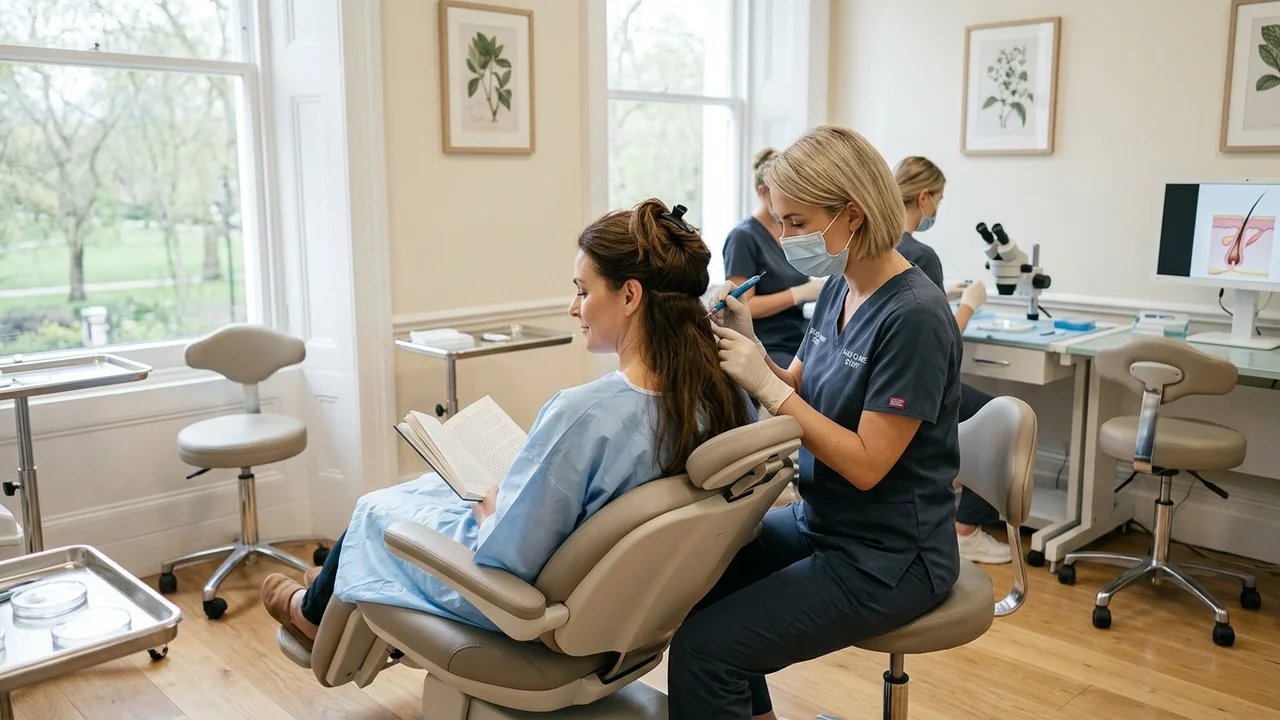
Most women prefer to avoid shaving their head for a transplant. Modern FUE and DHI techniques accommodate this with "no-shave" or "partial-shave" options. In these procedures, only small, easily concealed sections of the donor area are trimmed, or individual follicles are extracted without any shaving, allowing existing long hair to cover the treated areas immediately after the procedure.
Hairline Design for a Natural, Feminine Look
A feminine hairline has specific characteristics—it is typically lower, rounder, and softer than a male hairline. The surgeon must design a hairline that is age-appropriate and harmonises with your facial structure, using fine, single-hair grafts at the very front to create a natural, feathered transition.
Density Expectations with Diffuse Thinning
For women with diffuse thinning, the primary goal is to increase density across a wide area rather than rebuilding a hairline. This can be challenging if the donor supply is limited. The surgeon's strategy involves distributing a finite number of grafts to create the best possible illusion of fullness without depleting the donor site.
Diagnostic Process: What to Expect at Your Consultation
Your consultation is a critical medical appointment to determine the cause of your hair loss and your suitability for surgery. The process includes several key steps:
1. Detailed Medical History: The clinician will review your personal and family history of hair loss, current medications, diet, lifestyle, and any underlying health conditions.
2. Physical Examination: A close inspection of your scalp is performed to assess the pattern of loss, hair shaft calibre, and the density and health of your potential donor area.
3. Trichoscopy: Using a specialised digital microscope, the surgeon examines your hair follicles and scalp at high magnification. This helps identify signs of miniaturisation characteristic of FPHL and rules out other scalp disorders.
4. Blood Tests: If an underlying medical cause is suspected, blood tests may be ordered to check for hormonal imbalances, thyroid function, iron levels, and other indicators.
5. Discussion of Expectations: You will have a frank discussion about what a transplant can realistically achieve for you. The surgeon will outline the proposed surgical plan, the number of grafts needed, and the expected timeline for results.
Hair Transplant Techniques for Women: FUE vs. DHI
The two leading methods for female hair transplantation are Follicular Unit Extraction (FUE) and Direct Hair Implantation (DHI). Both avoid the linear scar of older techniques.
| Technique | Description | Advantages for Women |
|---|---|---|
| FUE (Follicular Unit Extraction) | Individual follicular units (grafts) are extracted from the donor area with a micro-punch tool. The surgeon then creates recipient sites in the thinning area before implanting the grafts. | Minimally invasive with dot-like scarring that is easily concealed. The technique can be adapted for partial-shave procedures. It is highly effective for covering larger areas and adding density. |
| DHI (Direct Hair Implantation) | Extraction is similar to FUE, but implantation is performed using a specialised tool called a Choi Implanter Pen. This device implants each graft directly into the scalp without requiring pre-made incisions. | Excellent for "no-shave" transplants, as the pen allows precise implantation between existing hairs with minimal disruption. This precision can improve graft survival rates and is ideal for increasing density in specific zones. |
For a detailed technical analysis, see our pages on FUE Hair Transplant and DHI Hair Transplant, or our comparison FUE vs DHI Hair Transplant: Which Technique Is Right For You?. The best technique for you depends on your hair loss pattern, the condition of your existing hair, and your aesthetic goals.
Preparing for Your Hair Transplant Procedure
After you are confirmed as a suitable candidate, proper preparation is essential for a safe procedure and successful outcome.
- Medical Clearance: Complete all required blood tests and ensure any pre-existing health conditions are stable and cleared by your primary doctor.
- Medication Review: Inform your surgeon of all medications and supplements you take. You will be instructed to temporarily stop blood thinners, certain vitamins, and anti-inflammatory drugs several days before surgery.
- Lifestyle Adjustments: Cease smoking and consuming alcohol at least one week before your procedure, as both can interfere with blood circulation and healing.
- Realistic Expectations: Have a final discussion with your clinical team to confirm your understanding of the procedure, recovery timeline, and expected results.
- Travel and Accommodation: If you are travelling to Istanbul for your procedure, confirm your flight and hotel arrangements. Our patient coordinators can assist with all-inclusive packages that streamline this process.

Post-Procedure Care and Long-Term Results for Women
The outcome of your transplant depends heavily on your adherence to post-operative care instructions. You will be given a detailed protocol for scalp washing, sleeping positions, and medication to manage healing. Minor swelling, redness, and scabbing in the first 7-14 days are normal and will resolve.
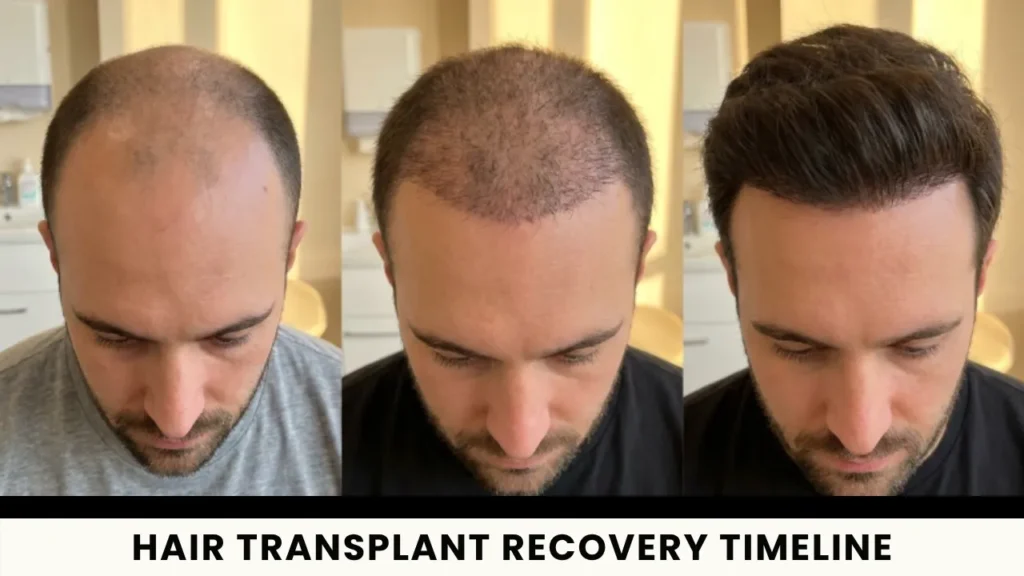
Initial hair growth can be seen starting around 3 to 4 months after the procedure. The density and length will increase progressively, with the most significant changes visible from 6 to 12 months. The final, mature result is typically achieved by 12 to 18 months. Transplanted hair is permanent, but the procedure does not halt potential thinning of your non-transplanted native hair over time.
For detailed post-operative instructions, refer to our guides: After Hair Transplant Operation: What To Expect and The Complete Hair Transplant Aftercare Checklist.
Psychological Impact and Patient Support
The psychological effect of hair loss in women can be substantial, often affecting confidence and social comfort. A hair transplant is a medical procedure intended to restore hair, which in turn can significantly improve self-esteem. Our partner hospital’s clinical team provides discreet and empathetic support throughout the entire process, understanding that this is a significant decision for your well-being.
Medical disclaimer: This article is for informational purposes only and is not medical advice. Individual results vary from person to person. Always consult a qualified doctor before any hair transplant procedure.
Get a Free Hair Analysis from Our Experts
Use our free online help tool to communicate your hair loss concerns – it only takes a few minutes. We’ll provide you with a personalized, non-binding quote.
Let’s Call You!

Popular Blogs
Hair Transplant Recovery Timeline: Day-by-Day, Week-by-Week and Month-by-Month Guide
Hair Transplant Recovery Timeline: Day-by-Day, Week-by-Week and Month-by-Month Guide Free Hair Analysis Homepage Blog Wayne…
Justin Bieber Hair Transplant: Hairline Analysis, Before & After Photos, Rumors & Expert Opinion
Justin Bieber Hair Transplant: Hairline Analysis, Before & After Photos, Rumors & Expert Opinion Free…
Wayne Rooney Hair Transplant: Before & After
Wayne Rooney Hair Transplant: Before & After Free Hair Analysis Homepage Blog Wayne Rooney Hair…

Conor McGregor Hair Transplant: Before & After
Conor McGregor Hair Transplant: Before & After Free Hair Analysis Homepage Blog Conor McGregor Hair…
Turkey Visa Requirements for Hair Transplant in Turkey
Turkey Visa Requirements for Hair Transplant in Turkey Free Hair Analysis Homepage Blog Turkey Visa…
David Silva Hair Transplant: Before & After
David Silva Hair Transplant: Before & After Free Hair Analysis Homepage Blog Discover David Silva…
Ready To
Book Your Appointment?
Reach out to us or complete our simple online form
and we’ll contact you to schedule a time that works perfectly for you.



Frequently Asked Questions