Hair Transplant for Diffuse Thinning: Addressing Widespread Hair Loss
Homepage

Blog
Hair Transplant for Diffuse Thinning: Addressing Widespread Hair Loss

Medical Reviewed By Dr. Tompi, M.D – Plastic & Aesthetic Surgeon
Written By Nazmi G, Trichologist
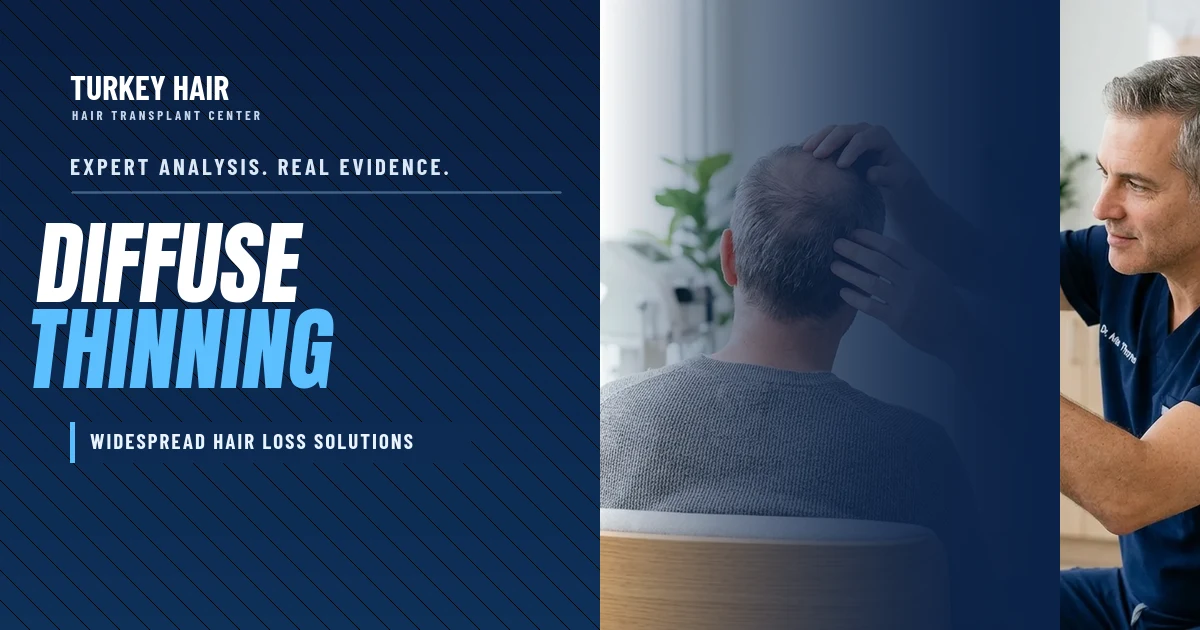

When you first notice hair loss, it often manifests as a receding hairline or a thinning crown. However, for many individuals, hair loss presents as diffuse thinning – a general reduction in hair density across the entire scalp, without distinct bald patches. This widespread pattern can be particularly distressing, making the hair appear uniformly sparser and revealing more of the scalp.
Addressing diffuse thinning effectively requires a nuanced approach, and for many, a hair transplant offers a promising solution. Unlike traditional pattern baldness, transplanting into a diffusely thinning area involves carefully placing grafts between existing hairs, demanding exceptional precision and a deep understanding of hair growth dynamics to achieve a natural, denser appearance without damaging the native follicles.
Understanding Diffuse Thinning: More Than Just a Receding Hairline
Diffuse thinning is characterised by a uniform decrease in hair density across the scalp, rather than the more common, well-defined patterns of hair loss like a receding hairline or a bald spot on the crown. It often presents as a gradual, overall thinning, making hair appear less voluminous and sparser from front to back, and on the sides. While androgenetic alopecia (male or female pattern baldness) can cause diffuse thinning, other factors like telogen effluvium (stress-induced shedding), nutritional deficiencies, hormonal imbalances, or certain medications can also contribute.
A key distinction is that with diffuse thinning, the hair follicles themselves aren't necessarily 'dead' or completely gone; they are often miniaturised, producing finer, shorter hairs, or have entered a prolonged resting phase. This means that while some areas might appear more affected than others, the underlying issue is a widespread reduction in healthy hair production across the entire scalp, requiring a comprehensive assessment to determine suitability for restoration.
The Unique Challenges of Diffuse Thinning for Hair Transplants
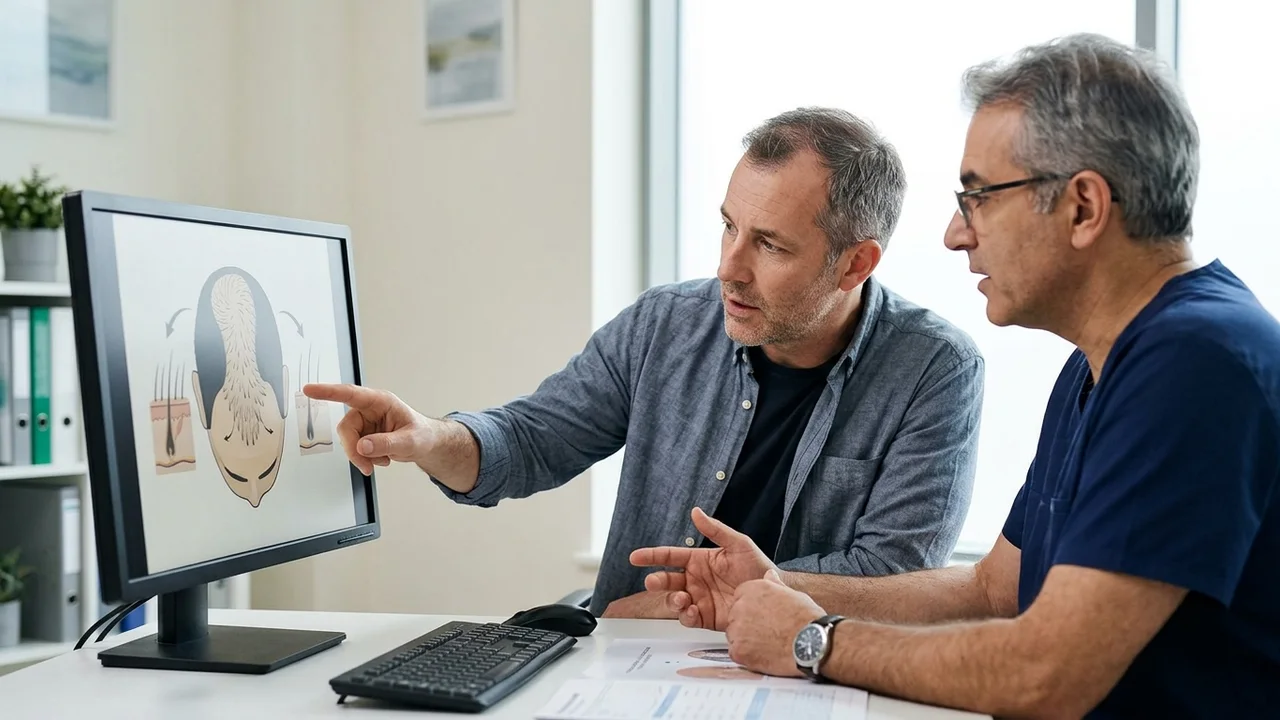
Performing a hair transplant for diffuse thinning presents specific challenges that differ significantly from treating a defined bald area. The primary goal is to increase overall density and camouflage the scalp, rather than creating a new hairline or filling a completely bald patch. This often means implanting grafts among existing, albeit miniaturised, hairs. The surgeon must exercise extreme care to avoid transecting or damaging these native hairs during the creation of recipient sites and the implantation process.
Another consideration is the stability of the thinning. If the diffuse thinning is still progressive, newly transplanted hair might thrive while existing native hairs continue to miniaturise and fall out, leading to an uneven result over time. Furthermore, the donor area – typically the back and sides of the head – must be robust enough to provide sufficient grafts without becoming noticeably thin itself, as the need for widespread density can demand a larger number of follicles. A skilled clinical team is crucial to navigating these complexities and achieving an optimal outcome.
Are You a Candidate? Assessing Donor and Recipient Areas
Determining candidacy for a hair transplant for diffuse thinning involves a thorough evaluation of both the donor and recipient areas. A stable and healthy donor area is paramount; it must possess sufficient density and quality of hair follicles to provide the necessary grafts without being over-harvested. The clinician will assess the donor's long-term stability to ensure it will not thin significantly in the future, compromising the overall result.
For the recipient area, the existing hair must be carefully examined. While a hair transplant can significantly improve density, it's generally most effective when there's still some existing hair to blend with. Individuals with very aggressive, ongoing diffuse thinning that has not stabilised may be advised to explore other medical treatments first to halt progression. Realistic expectations are key; the aim is to enhance density and coverage, creating a fuller appearance, rather than achieving the density of a completely untouched scalp. A detailed consultation at Turkey Hair Center will involve a comprehensive microscopic analysis of your hair and scalp to confirm your suitability.
Advanced Techniques for Diffuse Thinning: FUE and DHI
For diffuse thinning, FUE (Follicular Unit Extraction) and DHI (Direct Hair Implantation) are the preferred techniques, offering the precision required to work within existing hair. Both methods involve extracting individual follicular units, typically from the back of the scalp, which are genetically resistant to balding.
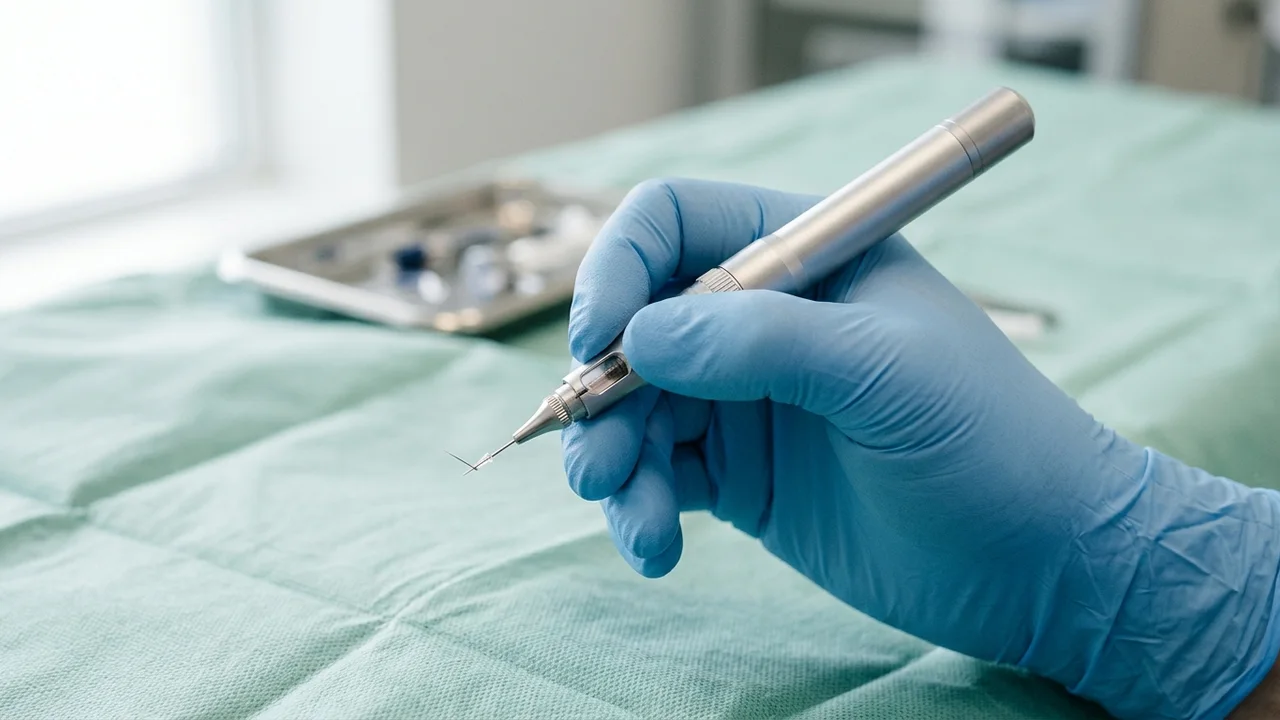
With **FUE**, once the grafts are extracted, tiny recipient channels are meticulously created in the thinning areas using fine instruments like sapphire blades or micro-needles. These channels are designed to match the angle and direction of existing hair, ensuring a natural growth pattern. The grafts are then carefully placed into these channels. **DHI** takes this precision a step further. Instead of pre-making channels, the DHI method uses a specialized Choi Implanter Pen, which allows the surgeon to create the recipient site and implant the graft simultaneously. This direct implantation technique offers even greater control over the depth, angle, and direction of each transplanted follicle, minimising trauma to existing native hairs and often resulting in a quicker healing time in the recipient area. Both techniques, when performed by experienced hands, are highly effective for diffuse thinning, aiming to increase density without damaging the surrounding follicles.
| Feature | FUE (Follicular Unit Extraction) | DHI (Direct Hair Implantation) |
|---|---|---|
| Graft Extraction | Individual follicles extracted using a micro-punch. | Individual follicles extracted using a micro-punch. |
| Implantation | Channels opened with sapphire blades/needles, then grafts inserted. | Grafts implanted directly using a Choi Implanter Pen. |
| Precision | Excellent, especially with sapphire blades for angle and direction. | Very high, precise control over depth, angle, and direction. |
| Density | Can achieve high density by careful channel creation. | Often preferred for maximising density in thinning areas. |
| Existing Hair | Requires skilled channel creation to avoid damaging existing hairs. | Minimises trauma to existing hairs due to direct implantation. |
| Recovery | Similar, minor scabbing and redness. | Similar, potentially slightly faster initial healing due to less trauma. |
Strategic Graft Placement: Restoring Uniform Density
The success of a hair transplant for diffuse thinning largely depends on the strategic placement of grafts to achieve uniform density across the scalp. This is an art as much as a science, requiring the surgeon to have an excellent eye for aesthetics and a detailed understanding of hair growth patterns. The goal is not just to add hair, but to distribute it evenly, creating a natural appearance that blends seamlessly with existing hair.
During the procedure, the surgical team at Turkey Hair Center meticulously plans the distribution of grafts, often calculating the required density per square centimetre. Finer, single-hair grafts are typically placed at the very front for a soft, natural hairline, while follicular units containing two or three hairs are used behind these to build volume and density. The angle, direction, and depth of each implanted graft are crucial to ensure that the transplanted hair grows naturally and complements the existing hair, avoiding a 'pluggy' or artificial look. This careful planning and execution are vital for achieving a truly satisfactory outcome for diffuse thinning.
The Importance of a Stable Donor Area
For individuals considering a hair transplant to address diffuse thinning, the quality and stability of the donor area are critically important. The donor area, typically located at the back and sides of the head, must contain healthy, robust hair follicles that are genetically resistant to the effects of dihydrotestosterone (DHT), the hormone responsible for androgenetic alopecia. If the donor area itself is also subject to diffuse thinning or has unstable hair, it may not provide enough viable grafts for a successful transplant, or the transplanted hair could eventually thin out.
Prior to any procedure, our specialists conduct a thorough examination of your donor area, assessing its density, the calibre of the hair, and its overall health. We use advanced diagnostic tools to ensure that the chosen donor region is stable and can yield a sufficient number of grafts without becoming noticeably sparse after extraction. A strong, stable donor area is the foundation for lasting, natural-looking results in a hair transplant for diffuse thinning, ensuring that the transplanted hairs will continue to grow robustly for years to come.
Post-Procedure Care and Long-Term Management
Following a hair transplant for diffuse thinning, meticulous post-procedure care is essential for optimal results and to protect both the newly transplanted grafts and your existing native hair. You will receive detailed instructions on how to gently wash your scalp, avoid strenuous activities, and protect the transplanted area from direct sunlight. It is crucial to adhere to these guidelines to ensure the grafts settle properly and minimise the risk of complications like infection or poor growth.
Long-term management often involves a combination of strategies. While transplanted hair is permanent, existing native hair in areas prone to diffuse thinning may continue to miniaturise over time. To support your overall hair health and maintain density, your clinician at Turkey Hair Center may recommend adjunctive therapies such as Minoxidil (topical solution) or Finasteride (oral medication). These treatments can help to strengthen existing hair, slow down further hair loss, and potentially enhance the survival and growth of transplanted follicles, providing a comprehensive approach to managing diffuse thinning for years after your procedure in 2026.
Realistic Expectations and What a Hair Transplant Can Achieve
It is vital to approach a hair transplant for diffuse thinning with realistic expectations. While the procedure can dramatically improve the appearance of density and coverage, it is not a 'cure' for hair loss, nor can it create the same density you might have had in your youth if your hair loss is extensive. The primary goal is to achieve a significant cosmetic improvement by strategically redistributing healthy hair follicles to the thinning areas, making the hair appear fuller and less transparent.
A successful hair transplant for diffuse thinning will provide a natural-looking enhancement, blending seamlessly with your existing hair. The exact level of density achievable depends on several factors, including the quality and quantity of your donor hair, the extent of your thinning, and your individual hair characteristics. Our team at Turkey Hair Center is committed to providing an honest assessment of what can be realistically achieved, focusing on creating a natural, aesthetically pleasing result that boosts your confidence and addresses your specific concerns about widespread hair loss.
Medical disclaimer: This article is for informational purposes only and is not medical advice. Individual results vary from person to person. Always consult a qualified doctor before any hair transplant procedure.
Get a Free Hair Analysis from Our Experts
Use our free online help tool to communicate your hair loss concerns – it only takes a few minutes. We’ll provide you with a personalized, non-binding quote.
Let’s Call You!

Popular Blogs
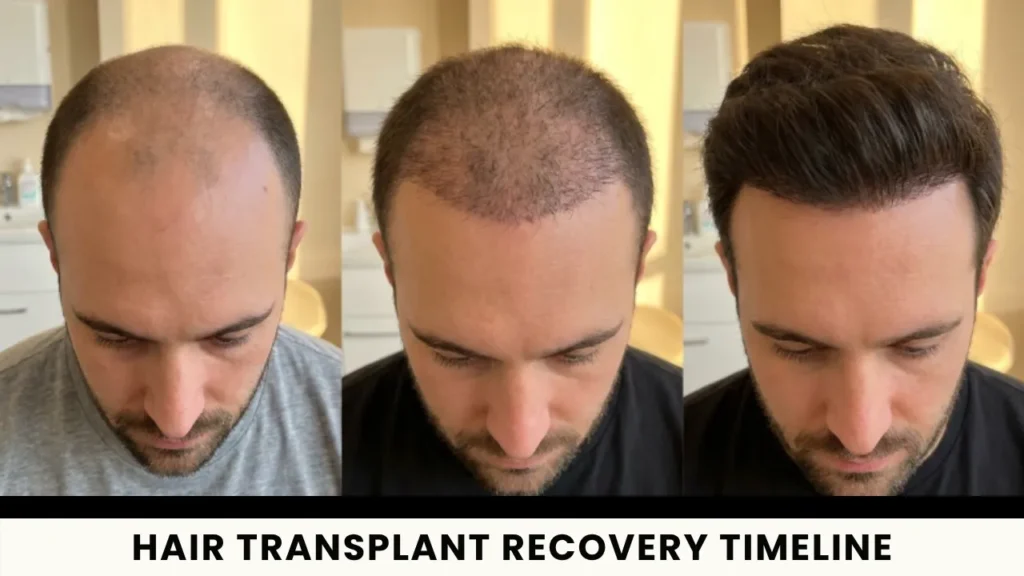
Hair Transplant Recovery Timeline: Day-by-Day, Week-by-Week and Month-by-Month Guide
Hair Transplant Recovery Timeline: Day-by-Day, Week-by-Week and Month-by-Month Guide Free Hair Analysis Homepage Blog Wayne…
Justin Bieber Hair Transplant: Hairline Analysis, Before & After Photos, Rumors & Expert Opinion
Justin Bieber Hair Transplant: Hairline Analysis, Before & After Photos, Rumors & Expert Opinion Free…
Wayne Rooney Hair Transplant: Before & After
Wayne Rooney Hair Transplant: Before & After Free Hair Analysis Homepage Blog Wayne Rooney Hair…
Conor McGregor Hair Transplant: Before & After
Conor McGregor Hair Transplant: Before & After Free Hair Analysis Homepage Blog Conor McGregor Hair…
Turkey Visa Requirements for Hair Transplant in Turkey
Turkey Visa Requirements for Hair Transplant in Turkey Free Hair Analysis Homepage Blog Turkey Visa…
David Silva Hair Transplant: Before & After
David Silva Hair Transplant: Before & After Free Hair Analysis Homepage Blog Discover David Silva…
Ready To
Book Your Appointment?
Reach out to us or complete our simple online form
and we’ll contact you to schedule a time that works perfectly for you.



Frequently Asked Questions