Hair Transplant for Thinning Hair vs. Complete Baldness: Different Approaches
Homepage

Blog
Hair Transplant for Thinning Hair vs. Complete Baldness: Different Approaches

Medical Reviewed By Dr. Tompi, M.D – Plastic & Aesthetic Surgeon
Written By Nazmi G, Trichologist

Hair loss manifests in various ways, from a gradual thinning that reduces overall density to complete baldness in specific areas or across the scalp. While both scenarios can be distressing, understanding that hair transplantation approaches differ significantly based on the extent and pattern of hair loss is crucial. A one-size-fits-all solution simply doesn't exist.
At Turkey Hair Center, we recognise that achieving natural, lasting results requires a highly individualised strategy. Whether you're experiencing early-stage thinning and wish to restore density, or facing more advanced baldness requiring comprehensive coverage, the planning, technique selection, and graft distribution will be meticulously tailored to your unique needs and donor hair availability. This article delves into these distinct approaches, helping you understand what to expect.
Understanding Hair Loss Patterns: Thinning vs. Baldness
Before discussing transplant techniques, it's essential to differentiate between thinning hair and complete baldness. Thinning hair, often termed 'diffuse thinning' or early-stage androgenetic alopecia, involves a reduction in hair calibre and density across a particular area. The follicles are still present and producing hair, but the strands become finer, shorter, and less pigmented, leading to a sparser appearance.
Complete baldness, conversely, implies that hair follicles in a specific area have ceased production entirely, leaving smooth, hairless skin. This often occurs in later stages of androgenetic alopecia, resulting in a receding hairline, a bald crown, or extensive hair loss across the scalp. The distinction is vital because it dictates the primary objective of the hair transplant: is it to enhance existing density or to create new density where none exists?
The Donor Area: The Foundation of Any Transplant
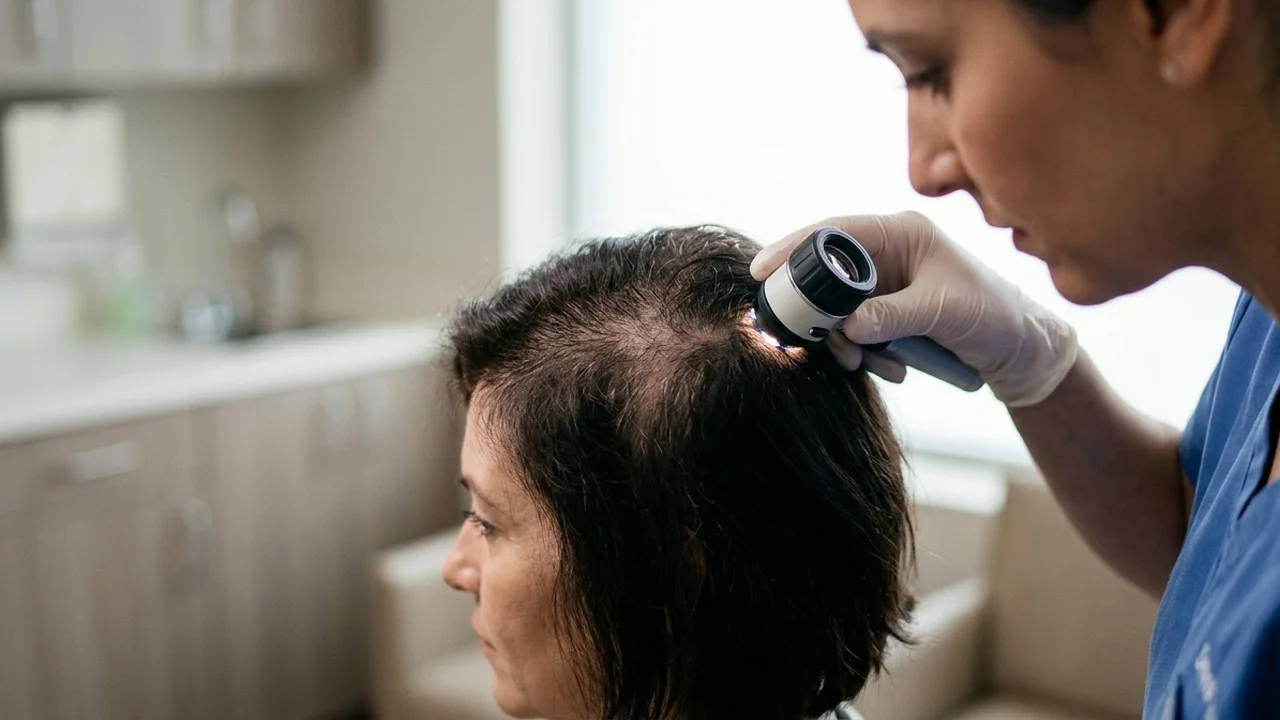
Regardless of whether you have thinning hair or complete baldness, the health and density of your donor area remain the most critical factor influencing transplant success. The donor area, typically located at the back and sides of the head, contains hair follicles resistant to the hormone DHT, which causes pattern baldness. These follicles are harvested and then transplanted to the recipient areas.
For individuals with thinning hair, a robust donor area allows for the extraction of grafts to increase density without over-harvesting, which could compromise the donor site's appearance. In cases of complete baldness, a plentiful and dense donor supply is even more crucial, as more grafts are often needed to cover larger bald patches. Without a sufficient donor supply, even the most advanced techniques cannot achieve satisfactory results. For a deeper dive into this vital aspect, you can read our guide on the importance of the donor area in hair transplantation.
Hair Transplants for Thinning Hair: Reinforcing Density
When addressing thinning hair, the primary goal is to increase the density of existing hair, making the scalp less visible and the hair appear fuller. This approach requires extreme precision to implant new grafts amongst existing native hairs without damaging them. The techniques typically employed for thinning hair include:
- Follicular Unit Extraction (FUE): Individual follicular units are extracted from the donor area and then carefully implanted into the thinning regions. FUE is favoured for its minimally invasive nature and the ability to target specific areas for density enhancement.
- Direct Hair Implantation (DHI): A variation of FUE, DHI uses a specialised 'Choi Implanter Pen' that allows for simultaneous creation of recipient sites and implantation of grafts. This method offers exceptional control over the angle, direction, and depth of the implanted hairs, which is crucial for blending new hair seamlessly with existing thin hair. This precision minimises trauma to surrounding follicles and maximises graft survival.
The number of grafts required for thinning hair is generally lower than for complete baldness, as the aim is to fill in gaps and boost existing density rather than create a completely new hairline or coverage. The surgeon's expertise lies in strategically placing grafts to achieve a natural, uniform look while preserving the health of the surrounding native hair.
Hair Transplants for Complete Baldness: Restoring a Hairline and Coverage
For individuals experiencing complete baldness, the objectives of a hair transplant are different: to establish a new, natural-looking hairline and provide adequate coverage over entirely bald areas. This often involves larger graft counts and a comprehensive planning strategy to ensure a harmonious aesthetic outcome. Techniques used in these cases often include:
- Follicular Unit Extraction (FUE): As with thinning hair, FUE is a cornerstone technique. For complete baldness, it allows for the extraction of a significant number of grafts needed to cover larger areas. The skill of the surgeon in performing high-volume FUE while preserving donor integrity is paramount.
- Direct Hair Implantation (DHI): DHI can also be very effective for complete baldness, particularly for hairline creation, where precise control over angle and direction is critical for a natural appearance. While it can be used for larger areas, the manual nature of the implanter pen means it is often combined with traditional FUE for very extensive baldness.
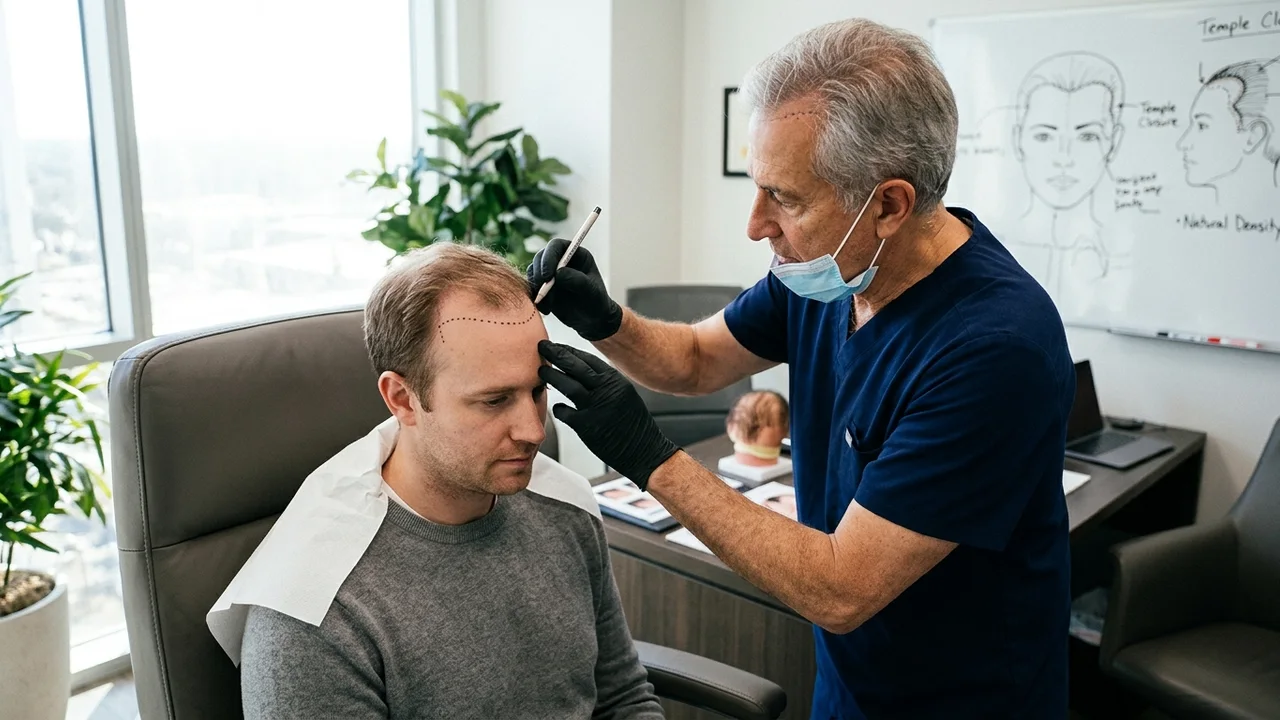
Creating a natural hairline from scratch is an art form. It requires an understanding of facial symmetry, age-appropriate design, and the natural growth patterns of hair. The surgeon must consider factors like the 'forehead muscle contraction line' and the 'temporal points' to design a hairline that doesn't look artificial. Achieving sufficient density across larger bald areas is also a significant challenge, requiring careful planning of graft distribution to maximise coverage with the available donor supply. Our dedicated page on hairline design offers more insights into this intricate process.
Key Differences in Approach: A Comparative Overview
| Feature | Hair Transplant for Thinning Hair | Hair Transplant for Complete Baldness |
|---|---|---|
| Primary Objective | Increase density, reduce scalp visibility, reinforce existing hair | Establish new hairline, provide full coverage to bald areas |
| Graft Count (Typical) | Generally lower (e.g., 1000-3000 grafts) | Generally higher (e.g., 3000-6000+ grafts) |
| Technique Emphasis | Precision placement among existing hairs, DHI often favoured for control | Efficient extraction and broad coverage, FUE commonly used for larger areas |
| Hairline Focus | Blending new grafts seamlessly with existing hairline/density | Designing and creating an entirely new, natural-looking hairline |
| Density Goal | Enhance existing density, achieve natural fullness | Create adequate density where none existed, achieve visually full appearance |
| Challenges | Avoiding damage to native hairs, achieving uniform density | Maximising coverage with finite donor supply, achieving natural density across large areas |
The Role of Hairline Design and Naturalness
Hairline design is a critical component of any hair transplant, but its role differs slightly depending on the extent of hair loss. For thinning hair, the focus is on subtly reinforcing the existing hairline and frontal density, ensuring that new grafts blend imperceptibly with the surrounding native hair. The aim is to create a soft, irregular, and natural transition rather than a sharp, artificial line.
For complete baldness, the surgeon has the challenging yet exciting task of creating an entirely new hairline. This involves careful consideration of the patient's facial structure, age, and desired aesthetic. The goal is to design a hairline that appears completely natural, mimics the slight irregularities of a non-transplanted hairline, and frames the face appropriately. This artistry is paramount to avoiding an obvious 'pluggy' or unnatural outcome. You can learn more about the intricacies of hairline design on our website.
Beyond the Procedure: Complementary Treatments and Aftercare
Regardless of whether you undergo a transplant for thinning hair or complete baldness, proper aftercare and, in some cases, ongoing medical treatments are vital for optimising and maintaining your results. The recovery process involves specific steps to ensure graft survival and minimise complications. Our complete hair transplant aftercare checklist provides detailed guidance for your recovery journey.
For many patients, especially those with thinning hair due to progressive pattern baldness, doctors may recommend complementary treatments such as Minoxidil and Finasteride. These medications can help strengthen existing native hair, slow down further hair loss, and potentially enhance the results of the transplant. It's important to discuss these options with your surgeon, as they play a significant role in long-term hair health. More information can be found in our guide on Minoxidil and Finasteride after a hair transplant.
Choosing the Right Clinic: Expertise for Every Stage of Hair Loss
The success of a hair transplant, whether for thinning hair or complete baldness, hinges on the expertise of the surgical team. A reputable clinic like Turkey Hair Center employs experienced surgeons who possess a deep understanding of hair loss patterns, advanced surgical techniques, and the artistic sensibility required for natural-looking results. They will conduct a thorough assessment of your hair loss, donor area, and overall health to recommend the most appropriate approach.
When making your decision, look for clinics that prioritise patient safety, use state-of-the-art equipment, and have a proven track record of successful outcomes. Don't hesitate to ask about their experience with both thinning hair and complete baldness cases. Our guide on how to choose the best hair transplant clinic in Turkey offers comprehensive advice to help you make an informed choice.
Medical disclaimer: This article is for informational purposes only and is not medical advice. Individual results vary from person to person. Always consult a qualified doctor before any hair transplant procedure.
Get a Free Hair Analysis from Our Experts
Use our free online help tool to communicate your hair loss concerns – it only takes a few minutes. We’ll provide you with a personalized, non-binding quote.
Let’s Call You!

Popular Blogs
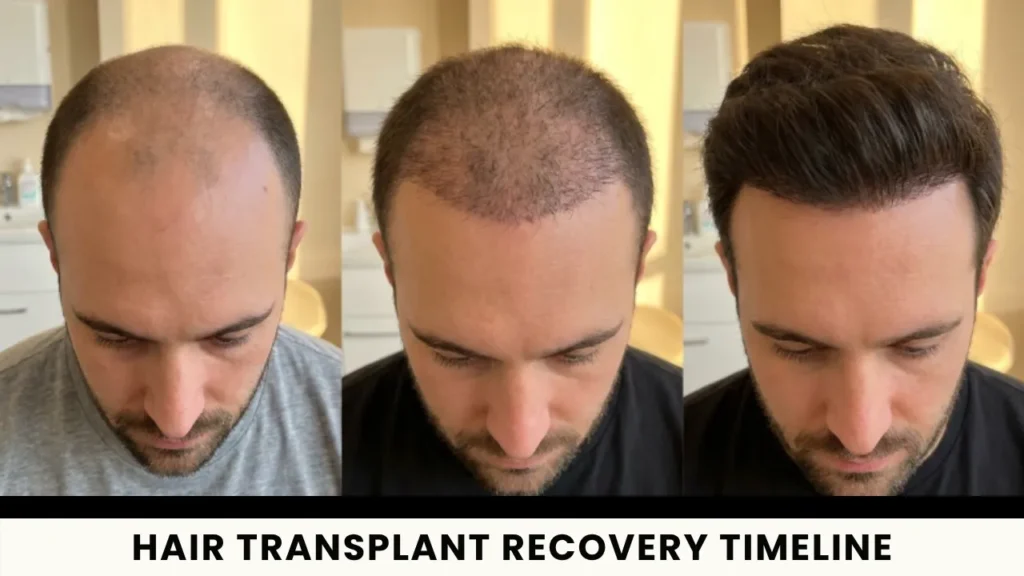
Hair Transplant Recovery Timeline: Day-by-Day, Week-by-Week and Month-by-Month Guide
Hair Transplant Recovery Timeline: Day-by-Day, Week-by-Week and Month-by-Month Guide Free Hair Analysis Homepage Blog Wayne…
Justin Bieber Hair Transplant: Hairline Analysis, Before & After Photos, Rumors & Expert Opinion
Justin Bieber Hair Transplant: Hairline Analysis, Before & After Photos, Rumors & Expert Opinion Free…
Wayne Rooney Hair Transplant: Before & After
Wayne Rooney Hair Transplant: Before & After Free Hair Analysis Homepage Blog Wayne Rooney Hair…

Conor McGregor Hair Transplant: Before & After
Conor McGregor Hair Transplant: Before & After Free Hair Analysis Homepage Blog Conor McGregor Hair…
Turkey Visa Requirements for Hair Transplant in Turkey
Turkey Visa Requirements for Hair Transplant in Turkey Free Hair Analysis Homepage Blog Turkey Visa…
David Silva Hair Transplant: Before & After
David Silva Hair Transplant: Before & After Free Hair Analysis Homepage Blog Discover David Silva…
Ready To
Book Your Appointment?
Reach out to us or complete our simple online form
and we’ll contact you to schedule a time that works perfectly for you.



Frequently Asked Questions