Robotic Hair Transplant Technology: Precision, Benefits & What to Expect in 2026
Homepage

Blog
Robotic Hair Transplant Technology: Precision, Benefits & What to Expect in 2026

Medical Reviewed By Dr. Tompi, M.D – Plastic & Aesthetic Surgeon
Written By Nazmi G, Trichologist
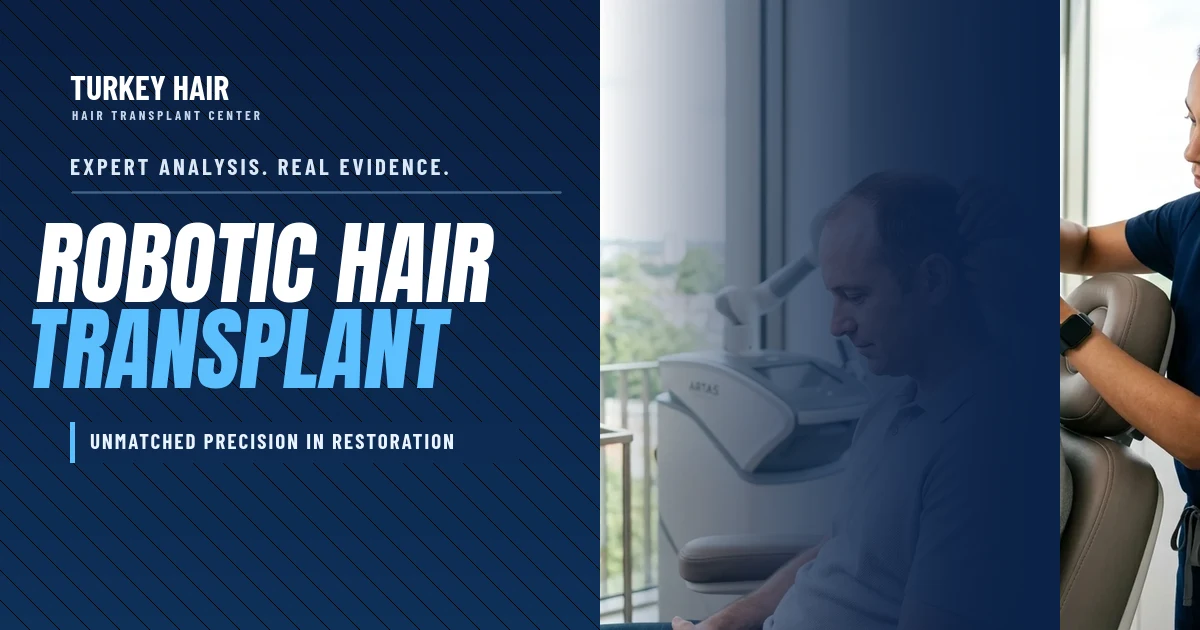

Hair loss affects millions globally, often leading individuals to seek effective and lasting restoration solutions. While traditional hair transplant methods have evolved significantly over decades, the pursuit of even greater precision, consistency, and patient comfort continues to drive innovation in the field. This constant advancement has culminated in the emergence of robotic hair transplant technology, which offers a sophisticated approach to follicular unit extraction (FUE) and implantation.
At Turkey Hair Center, we believe in integrating proven innovations that enhance patient outcomes, and robotic hair restoration represents a significant leap forward in achieving highly accurate and natural-looking results. By leveraging advanced imaging and AI-driven algorithms, these systems aim to minimise human variability, optimise graft viability, and provide a refined experience for those seeking to reclaim their hair with confidence.
Understanding Robotic Hair Transplant Technology
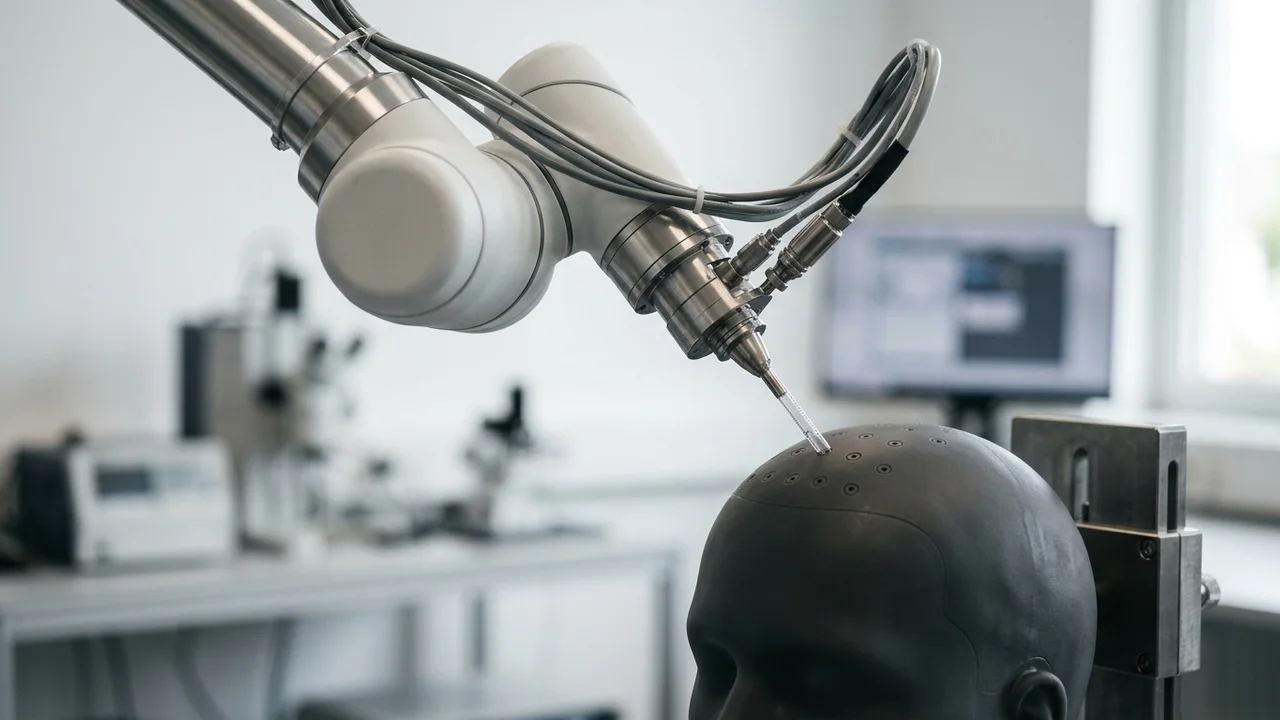
Robotic hair transplant technology primarily refers to sophisticated systems like the ARTAS iX Robotic Hair Restoration System, which automates specific stages of the Follicular Unit Extraction (FUE) procedure. Unlike manual FUE, where a surgeon extracts individual follicular units using handheld tools, a robotic system employs a highly precise robotic arm guided by advanced algorithms and 3D imaging. This technology is designed to identify and harvest healthy hair follicles from the donor area with unparalleled accuracy and consistency. The system's intelligence, often incorporating elements of artificial intelligence, allows it to analyse hair characteristics such as density, angle, and direction, ensuring that only the most viable grafts are selected, thereby preserving the overall health and appearance of the donor region. The core objective is to reduce human fatigue and potential errors, leading to a more consistent and efficient graft harvesting process.
How Robotic Hair Transplant Works: The Precision Process
The robotic hair transplant procedure begins with the creation of a detailed 3D model of the patient's scalp, which allows the surgeon to meticulously plan the transplant. High-resolution digital imaging maps the donor area, providing real-time data on follicular unit distribution, density, and hair characteristics. Based on this intricate map and the surgeon's custom design, the robotic system then executes the micro-incisions necessary for graft extraction. For instance, the ARTAS iX system uses a dual-punch mechanism to precisely dissect follicular units, ensuring minimal trauma to the grafts and surrounding tissues. This automated precision extends to the depth, angle, and direction of each extraction, which are critical factors in maximising graft survival and achieving a natural aesthetic. Following extraction, the robotic arm can also assist in creating recipient sites in the balding areas, meticulously placing each incision according to the pre-programmed design, mirroring the natural growth pattern of the patient's hair.
Key Advantages of Robotic FUE over Manual Techniques
The primary benefit of robotic FUE lies in its enhanced precision and consistency, surpassing what is typically achievable with manual methods alone. A significant advantage is the drastic reduction in follicular transection rates – the damage to hair follicles during extraction. Robotic systems, using stereoscopic vision and intelligent algorithms, can accurately determine the angle and depth of each follicle beneath the skin, leading to a much lower rate of damage compared to manual extraction, which relies heavily on the surgeon's hand-eye coordination over many hours. This precision not only maximises the number of viable grafts but also helps preserve the donor area, ensuring it remains healthy and aesthetically pleasing. Furthermore, the robotic system operates with unwavering consistency, eliminating the fatigue and potential variability that can occur during long manual procedures, thereby maintaining a high standard of graft quality throughout the entire extraction phase.
Optimising Graft Survival and Natural Results with Robotics
Robotic hair transplant technology plays a crucial role in optimising graft survival rates by ensuring the integrity of each follicular unit during extraction and implantation. The precise, consistent nature of robotic harvesting minimises the time grafts spend outside the body, reducing their exposure to environmental factors that can compromise viability. Moreover, the robotic system's ability to create recipient sites with exact depth, angle, and direction, following a surgeon's meticulous design, is paramount for natural-looking results. For example, specific algorithms ensure that the implanted grafts will grow in a pattern that perfectly mimics the surrounding natural hair, avoiding an artificial or "pluggy" appearance. This attention to detail in site creation, combined with high-quality graft extraction, means that once transplanted, the follicles have the optimal environment to establish themselves and grow, contributing to a denser, more aesthetically pleasing outcome that blends seamlessly with existing hair.
Is Robotic Hair Transplant Right for You? Candidacy and Considerations
While robotic hair transplant offers remarkable precision, it's essential to determine if you are an ideal candidate for the procedure. Generally, individuals with straight, dark hair and good donor hair density tend to be excellent candidates, as the robotic system's imaging technology can easily distinguish follicles. Patients experiencing male pattern baldness (androgenetic alopecia) who have stable donor areas are often suitable. However, certain hair types, such as very curly (e.g., Afro-textured hair) or very fine, light-coloured hair, might present challenges for the robotic imaging and extraction process, where manual or DHI techniques might be more appropriate due to the unique follicular characteristics. A thorough consultation with an experienced hair transplant surgeon at Turkey Hair Center is crucial. They will assess your hair type, donor area health, the extent of your hair loss, and your aesthetic goals to determine if robotic FUE is the most effective solution for your specific needs, or if another advanced technique would yield superior results.
The Role of the Surgeon in Robotic Hair Restoration
It is vital to understand that robotic hair transplant is not a fully automated, 'hands-off' procedure; rather, it is a robot-assisted one. The surgeon's expertise remains central to the entire process. Before any robotic intervention, the surgeon conducts a comprehensive consultation, diagnoses the patient's hair loss, and meticulously designs the hairline and treatment plan. They programme the robotic system with precise parameters for graft extraction and recipient site creation, ensuring the robot operates within defined safety and aesthetic guidelines. During the procedure, the surgeon continuously monitors the robotic arm, making real-time adjustments and overseeing every step. Their artistic vision, clinical judgment, and ability to troubleshoot are indispensable. The robot acts as a highly advanced tool, executing repetitive and precise tasks, but the ultimate success and naturalness of the transplant depend entirely on the skill and experience of the operating surgeon, who guides and supervises the technology.

Comparing Robotic FUE with Traditional FUE and DHI
To better understand the distinct advantages of robotic FUE, it's helpful to compare it with its manual counterparts, traditional FUE and DHI (Direct Hair Implantation). While all three techniques are forms of FUE, they differ significantly in their execution and level of automation. Traditional FUE involves the manual extraction of grafts using a micro-punch and forceps, followed by manual creation of recipient sites and implantation. DHI, a refinement of FUE, uses a Choi implanter pen for both site creation and graft implantation, often immediately after extraction, reducing out-of-body time for grafts. Robotic FUE, however, introduces a layer of automation to the extraction and sometimes the site creation phases, leveraging sophisticated imaging and algorithms for unparalleled precision. This automation is its key differentiator, aiming to reduce human error and improve consistency.
| Feature | Robotic FUE | Traditional FUE | DHI Hair Transplant |
|---|---|---|---|
| Extraction Method | Automated by robotic arm with imaging guidance | Manual with handheld micro-punch | Manual with handheld micro-punch |
| Recipient Site Creation | Can be automated by robot or manual by surgeon | Manual with blades/needles | Simultaneous with implantation using Choi pen |
| Graft Handling | Automated, precise, minimal human touch | Manual extraction, then manual implantation | Manual extraction, then direct implantation with Choi pen |
| Precision & Consistency | Highest, due to robotic algorithms and 3D mapping | Dependent on surgeon's skill and fatigue | High, especially with Choi pen for implantation |
| Transection Rate | Potentially lowest, due to precise angle/depth | Variable, depends on surgeon's experience | Variable, depends on surgeon's experience |
| Donor Area Preservation | Excellent, due to selective harvesting | Good, but can be less consistent | Good, but can be less consistent |
| Ideal Candidate | Generally straight, dark hair; stable donor | Broad range of hair types | Good for dense packing; broad range of hair types |
While robotic FUE offers a technological edge in precision, the choice between these methods often comes down to individual patient characteristics, the surgeon's preference, and the specific goals for the transplant. Each technique, when performed by an experienced specialist, can yield excellent results, but robotic assistance provides an added layer of technical consistency.
Preparing for Your Robotic Hair Transplant in Turkey
Preparing for a robotic hair transplant at Turkey Hair Center involves several crucial steps to ensure the best possible outcome. Your journey will typically begin with a detailed virtual or in-person consultation where our specialists will meticulously evaluate your hair loss pattern, scalp health, and donor area capacity using advanced diagnostic tools. This initial assessment is critical for determining your candidacy for robotic FUE and for designing a personalised treatment plan that aligns with your aesthetic aspirations. You will receive comprehensive pre-operative instructions, which typically include avoiding alcohol, caffeine, and blood-thinning medications for a specified period before your procedure. It's also usually advised to stop smoking to promote better healing. On the day of the procedure, it's important to arrive well-rested and having had a light meal. Our team will guide you through every step, ensuring you are fully informed and comfortable, from the moment you arrive in Istanbul until your post-operative care.
Medical disclaimer: This article is for informational purposes only and is not medical advice. Individual results vary from person to person. Always consult a qualified doctor before any hair transplant procedure.
Get a Free Hair Analysis from Our Experts
Use our free online help tool to communicate your hair loss concerns – it only takes a few minutes. We’ll provide you with a personalized, non-binding quote.
Let’s Call You!

Popular Blogs
Hair Transplant Recovery Timeline: Day-by-Day, Week-by-Week and Month-by-Month Guide
Hair Transplant Recovery Timeline: Day-by-Day, Week-by-Week and Month-by-Month Guide Free Hair Analysis Homepage Blog Wayne…
Justin Bieber Hair Transplant: Hairline Analysis, Before & After Photos, Rumors & Expert Opinion
Justin Bieber Hair Transplant: Hairline Analysis, Before & After Photos, Rumors & Expert Opinion Free…
Wayne Rooney Hair Transplant: Before & After
Wayne Rooney Hair Transplant: Before & After Free Hair Analysis Homepage Blog Wayne Rooney Hair…

Conor McGregor Hair Transplant: Before & After
Conor McGregor Hair Transplant: Before & After Free Hair Analysis Homepage Blog Conor McGregor Hair…
Turkey Visa Requirements for Hair Transplant in Turkey
Turkey Visa Requirements for Hair Transplant in Turkey Free Hair Analysis Homepage Blog Turkey Visa…

David Silva Hair Transplant: Before & After
David Silva Hair Transplant: Before & After Free Hair Analysis Homepage Blog Discover David Silva…
Ready To
Book Your Appointment?
Reach out to us or complete our simple online form
and we’ll contact you to schedule a time that works perfectly for you.



Frequently Asked Questions