Hair Transplant Donor Area: Why It Decides Your Result
Homepage

Blog
Hair Transplant Donor Area: Why It Decides Your Result

Medical Reviewed By Dr. Tompi, M.D – Plastic & Aesthetic Surgeon
Written By Nazmi G, Trichologist
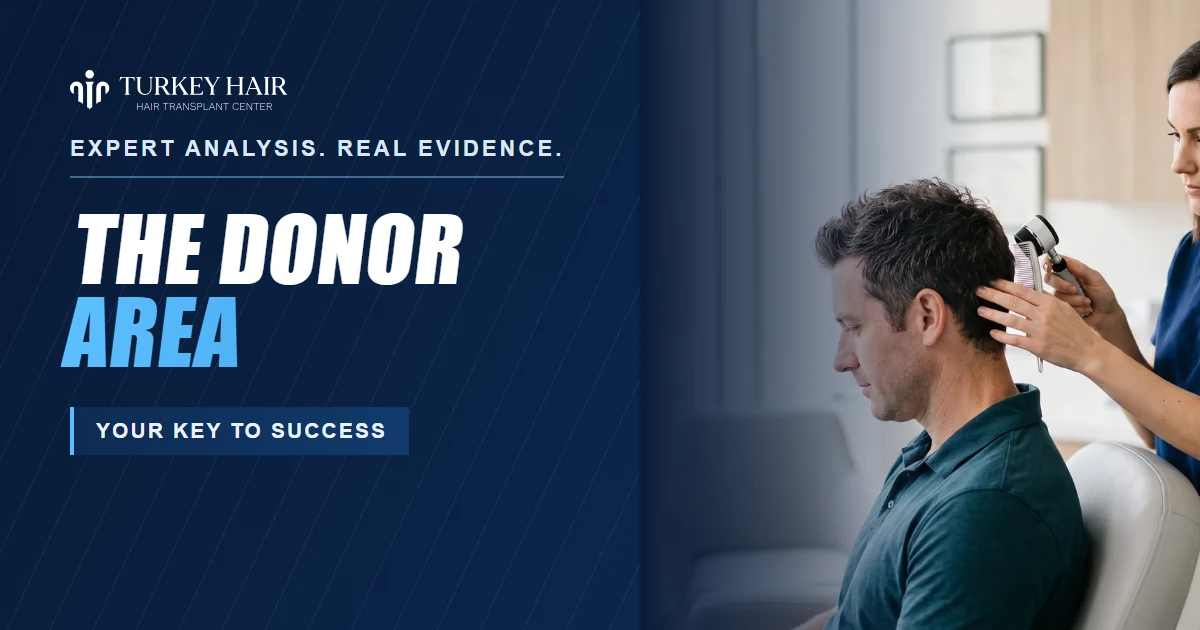

The donor area—the back and sides of the scalp—is the foundation of every hair transplant. Its follicles are genetically resistant to dihydrotestosterone (DHT), allowing them to grow permanently after relocation. The density, hair calibre, and scalp laxity of this zone directly determine the number of grafts that can be safely harvested and the visual density of the final result.
A successful hair transplant is defined by the quality and strategic use of its source material. While patients focus on the recipient area, a surgeon’s primary assessment is of the donor region. The health and capacity of this finite resource dictate the entire surgical plan, from the technique used to the realistic aesthetic outcome. A thorough understanding of your donor area is essential for setting correct expectations and ensuring a result that is both natural and sustainable for decades.
Defining the Donor Area
The donor area comprises the occipital and parietal regions of the scalp—the back and sides of the head—where hair follicles are genetically programmed to resist the miniaturising effects of DHT. This is the hormone responsible for androgenetic alopecia, or male pattern baldness. Because these follicles retain their genetic resilience when transplanted, they continue to grow in their new location, providing a lasting solution to hair loss.
The viability of this area is measured by several clinical factors. Hair density, calculated in follicular units per square centimetre (FU/cm²), determines the total available graft supply. Hair calibre, or the thickness of the individual hair shafts, influences the degree of visual coverage each graft can provide. Finally, the number of hairs per follicular unit—typically ranging from one to four—is critical, as multi-hair grafts create a much fuller appearance. A surgeon must evaluate these characteristics to design a procedure that aligns with the patient's goals and anatomical limitations.
Why the Donor Area is the Foundation of Your Transplant
The outcome of a hair transplant is entirely dependent on the donor area for several critical reasons:
- A Finite Resource: Follicles harvested from the donor area do not regenerate. This makes every graft a precious commodity. A responsible surgical plan must prioritise long-term preservation, avoiding over-harvesting to maintain a natural appearance at the back and sides of the head.
- Graft Quality Determines Viability: The robustness of the harvested follicular units is essential. Strong, healthy units with multiple hairs have a higher survival rate post-transplantation and contribute more significantly to visual density than weak, single-hair grafts.
- Aesthetic Matching: The transplanted hair will retain the characteristics of its origin. The colour, texture, and curl pattern of the donor hair must blend seamlessly with the native hair in the recipient zone to create an undetectable, natural result.
- Permanent, Genetically-Driven Results: The long-term success of the procedure relies on the inherent DHT resistance of the donor follicles. This genetic trait is the reason transplanted hair is expected to last a lifetime.
FUE vs. FUT: Donor Area Implications
The two primary harvesting techniques, Follicular Unit Excision (FUE) and Follicular Unit Transplantation (FUT), have different impacts on the donor area. The choice of method affects scarring, recovery, and graft yield, making it a key part of the surgical consultation.
Here's a clinical comparison:
| Feature | FUE (Follicular Unit Excision) | FUT (Follicular Unit Transplantation) |
|---|---|---|
| Harvesting Method | Individual follicular units are extracted one-by-one using a motorised micro-punch tool (typically 0.7-1.0mm in diameter). | A linear strip of hair-bearing tissue is surgically excised from the donor scalp with a scalpel. |
| Scarring | Results in small, circular punctate scars scattered across the donor area, which are typically unnoticeable with short hair. | Leaves a single linear scar at the extraction site, which is easily concealed by hair worn at a moderate length. |
| Healing Time (Donor) | Faster initial healing, with small extraction sites closing within 7-10 days. Post-operative discomfort is generally minimal. | Requires a longer healing period of 2-3 weeks for the sutured incision. Can involve more initial discomfort. |
| Graft Yield | Allows for large graft numbers, often over multiple sessions, but requires careful distribution to avoid a 'moth-eaten' appearance. | Can yield a high number of grafts in a single session, making it suitable for cases of advanced hair loss. |
| Hair Length Post-Op | The donor area is typically shaved to allow for precise extraction of individual follicular units. | Hair can be left longer around the donor site to immediately conceal the sutured incision line. |
| Suitability | Ideal for patients who prefer to wear their hair very short, require smaller sessions, or have good scalp laxity. | Often recommended for patients requiring a large number of grafts in one procedure and who wear their hair long enough to cover the scar. |
Assessing Your Donor Area: The Consultation Process
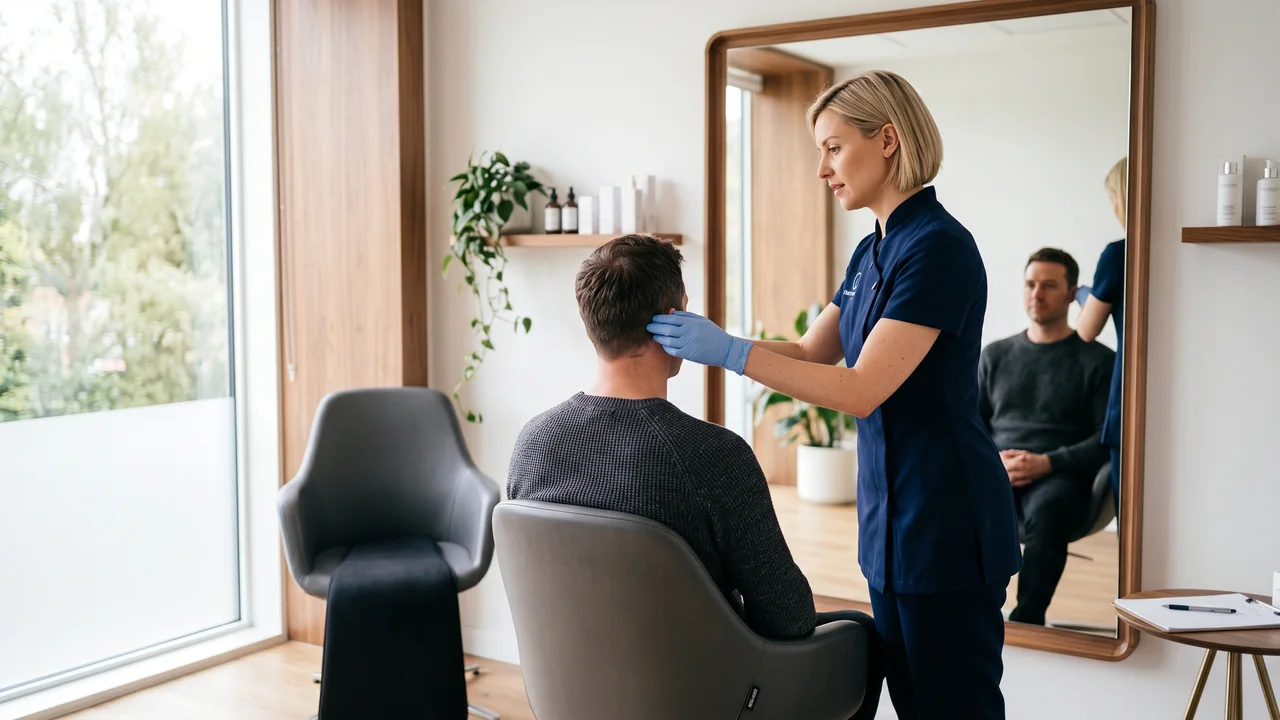
A meticulous clinical assessment of your donor area is the first and most important step in planning a hair transplant. This evaluation determines your candidacy and establishes the parameters for a successful outcome. The process involves:
- Densitometry: Using a specialised microscope, we measure the number of follicular units per square centimetre (FU/cm²) to calculate your total donor capacity.
- Hair Calibre Analysis: We assess the thickness (in microns) of your hair shafts, as thicker hair provides greater visual coverage per graft.
- Scalp Laxity Assessment: The elasticity and flexibility of your scalp are measured, a critical factor for determining suitability for the FUT strip method.
- Donor-to-Recipient Ratio Calculation: Your surgeon calculates the balance between the available donor supply and the size of the area requiring coverage to set realistic density goals.
- Planning for Future Hair Loss: Your age and pattern of hair loss are considered to create a conservative harvesting strategy, reserving grafts for potential future procedures if needed.
This detailed analysis enables the creation of a surgical plan that respects the limits of your donor area while meeting your aesthetic objectives.
Maximising Donor Health: Pre-Transplant Care
Optimising the health of your scalp and follicles before the procedure can improve graft survival rates and support a smooth recovery. We advise patients to follow these pre-operative guidelines:
- Avoid Smoking and Alcohol: Cease smoking at least one week before surgery, as nicotine constricts blood vessels and compromises healing. Avoid alcohol for several days prior.
- Medication Review: Inform your surgeon of all medications and supplements. You will be instructed to stop any blood-thinning agents, such as aspirin or vitamin E, to minimise bleeding.
- Maintain a Balanced Diet: A diet rich in protein, vitamins, and minerals supports healthy hair growth and tissue repair.
- Scalp Hygiene: Arrive for your procedure with a clean scalp, free from styling products, to reduce the risk of infection.
- Manage Stress: Ensure you are well-rested before the procedure, as physical and mental stress can affect the body's healing response.
Protecting Your Donor Area: Post-Operative Care
Following a strict post-operative care regimen is essential for the healing of the donor area and the survival of the transplanted grafts. Adherence to your surgeon's instructions is non-negotiable.
- Gentle Washing: You will receive specific instructions and products for your first wash at the clinic, followed by a gentle washing protocol at home to keep the area clean without dislodging grafts.
- Avoid Touching and Scratching: It is crucial to resist touching or scratching the donor or recipient areas to prevent infection and allow scabs to heal and fall off naturally.
- Sleep Position: Sleep with your head elevated on a travel pillow for the first 5-7 nights to minimise swelling and protect the donor area from friction.
- Protection from Sun: The scalp is sensitive after surgery. Avoid direct sun exposure for at least one month to prevent hyperpigmentation and damage to the healing skin.
- Avoid Strenuous Activity: Refrain from intense exercise, heavy lifting, and swimming for at least 2-4 weeks to prevent sweating, increased blood pressure, and strain on the healing tissues.
- Moisturising and Ointments: Apply any prescribed topical treatments as directed to soothe the donor area, reduce inflammation, and facilitate healing.

The Limits of the Donor Area: Understanding Capacity
The donor area is a finite resource. A typical scalp contains a lifetime reserve of approximately 5,000 to 7,000 follicular units available for safe extraction. Attempting to exceed this limit results in over-harvesting, a critical error that can cause permanent, visible thinning or a 'moth-eaten' appearance in the donor region itself. This irreversible damage compromises the patient's long-term aesthetic.
A responsible surgeon's primary duty is to protect the integrity of the donor area for the future. We perform careful calculations to determine the maximum safe yield for each patient, ensuring the harvesting is distributed evenly and conservatively. This approach delivers an excellent result in the recipient area while preserving a natural look at the back and sides of the head, leaving options for potential future sessions if required.
Long-Term Considerations and Potential Challenges
While transplanted hairs are resistant to pattern baldness, the native hairs in the donor area remain subject to age-related thinning (senescence) or other forms of alopecia. Maintaining overall hair health through a balanced lifestyle is important. For some patients, medical therapies such as finasteride or minoxidil may be recommended by a physician to help stabilise and preserve the existing native hair.
A significant challenge arises when patients present with a previously over-harvested donor area from another clinic. Corrective procedures in these cases are extremely difficult, as the primary resource has been depleted or damaged. This underscores the importance of selecting a highly experienced and ethical surgical team from the outset. Our philosophy is to plan for a lifetime, not just a single procedure.
Medical disclaimer: This article is for informational purposes only and is not medical advice. Individual results vary from person to person. Always consult a qualified doctor before any hair transplant procedure.
Get a Free Hair Analysis from Our Experts
Use our free online help tool to communicate your hair loss concerns – it only takes a few minutes. We’ll provide you with a personalized, non-binding quote.
Let’s Call You!

Popular Blogs
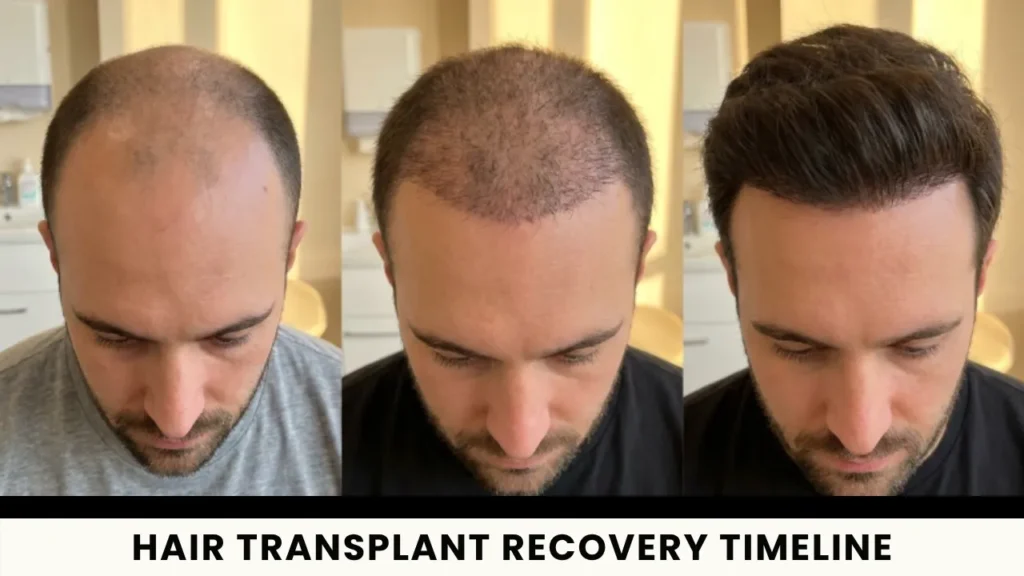
Hair Transplant Recovery Timeline: Day-by-Day, Week-by-Week and Month-by-Month Guide
Hair Transplant Recovery Timeline: Day-by-Day, Week-by-Week and Month-by-Month Guide Free Hair Analysis Homepage Blog Wayne…
Justin Bieber Hair Transplant: Hairline Analysis, Before & After Photos, Rumors & Expert Opinion
Justin Bieber Hair Transplant: Hairline Analysis, Before & After Photos, Rumors & Expert Opinion Free…
Wayne Rooney Hair Transplant: Before & After
Wayne Rooney Hair Transplant: Before & After Free Hair Analysis Homepage Blog Wayne Rooney Hair…

Conor McGregor Hair Transplant: Before & After
Conor McGregor Hair Transplant: Before & After Free Hair Analysis Homepage Blog Conor McGregor Hair…
Turkey Visa Requirements for Hair Transplant in Turkey
Turkey Visa Requirements for Hair Transplant in Turkey Free Hair Analysis Homepage Blog Turkey Visa…
David Silva Hair Transplant: Before & After
David Silva Hair Transplant: Before & After Free Hair Analysis Homepage Blog Discover David Silva…
Ready To
Book Your Appointment?
Reach out to us or complete our simple online form
and we’ll contact you to schedule a time that works perfectly for you.



Frequently Asked Questions