Jeremy Piven Hair Transplant: Before & After Photos, Hairline Analysis & Rumors Explained
Homepage

Blog
Jeremy Piven Hair Transplant: Before & After Photos, Hairline Analysis & Rumors Explained

Medical Reviewed By Dr. Tompi, M.D – Plastic & Aesthetic Surgeon
Written By Nazmi G, Trichologist

Written By: Nazmi G., Senior Trichologist & Hair Restoration Consultant
Medically Reviewed By: Dr. Tompi, M.D., Plastic & Aesthetic Surgeon
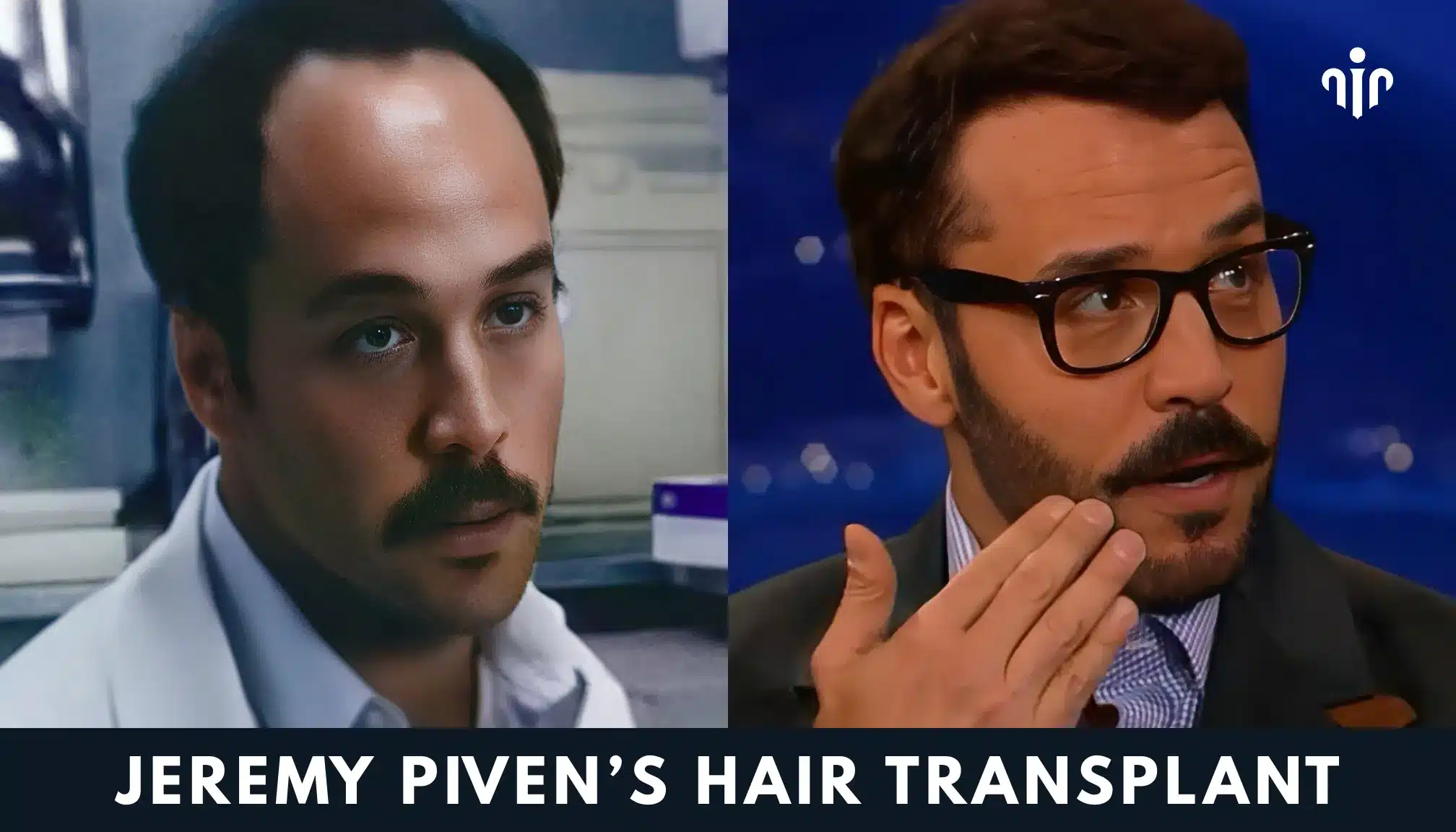
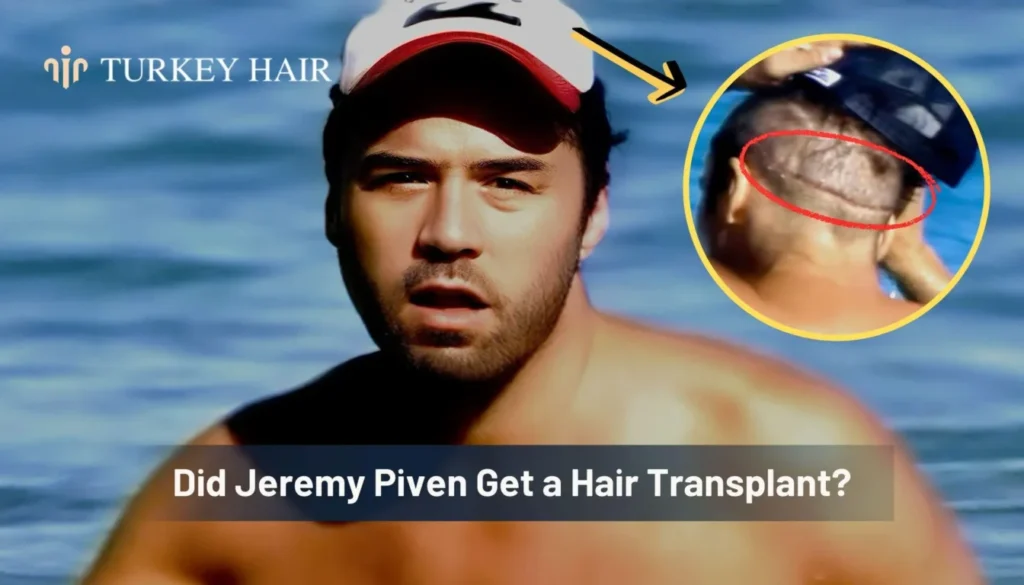
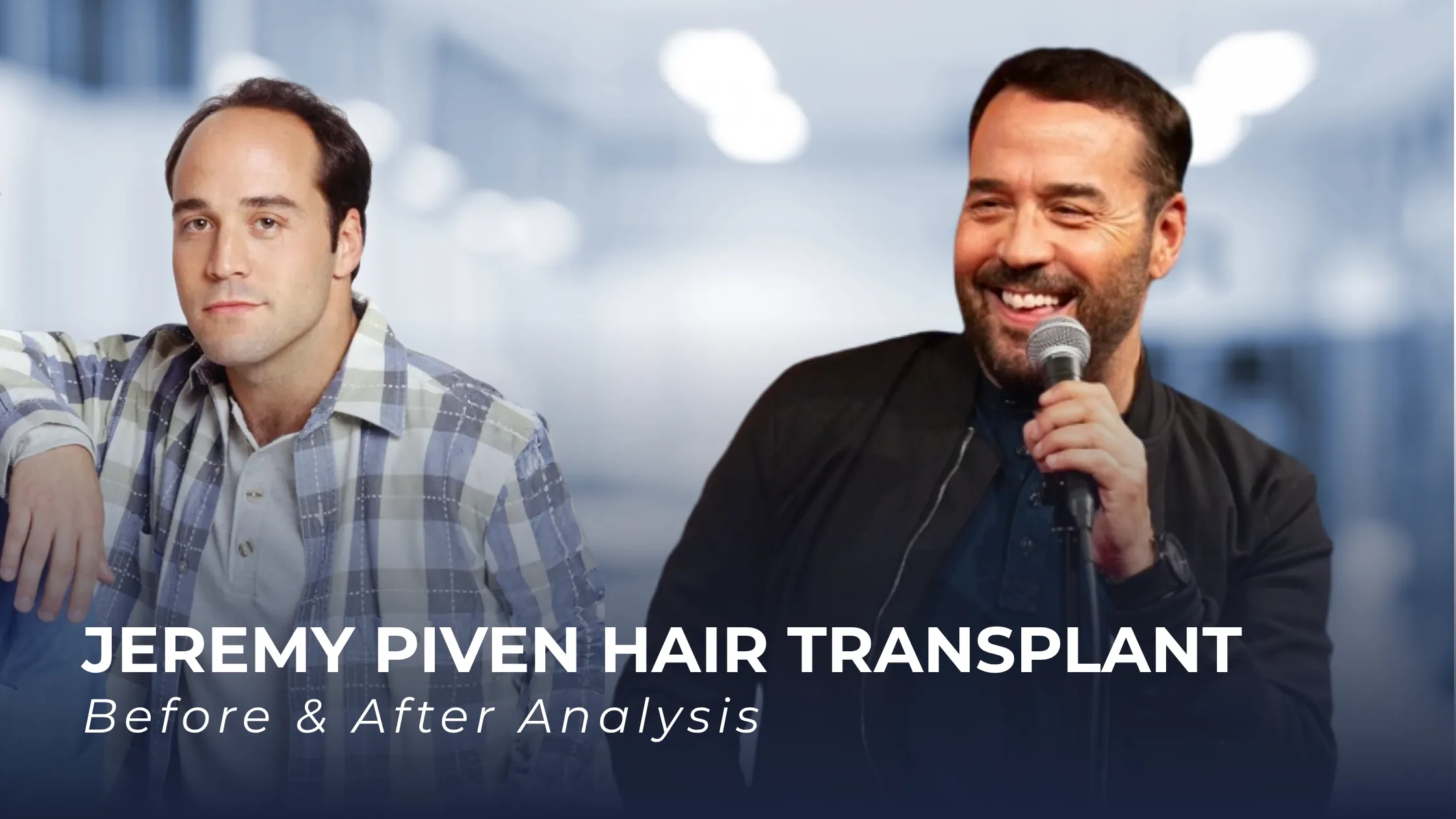
Jeremy Piven has never publicly confirmed undergoing a hair transplant. However, years of before-and-after photos, visible changes in his hairline, and paparazzi images showing what some observers believe resembles a FUT donor scar have kept the discussion alive. Piven has denied that interpretation, saying the mark resulted from an old acting-related injury rather than hair restoration surgery.
Did Jeremy Piven Get a Hair Transplant?
Hollywood transformations always spark curiosity, but few physical changes have fueled as much ongoing debate as Jeremy Piven’s hairline. Over the years, audiences watched him transition from a thinning, receded hairline on early television to a thick, structured look on Entourage. Hair density usually decreases over time. When a noticeably receding hairline later appears fuller, it raises questions. Surgery is one possible explanation, but styling, cosmetic solutions, and other factors can also influence a person's appearance.
What Is Confirmed and What Is Speculation?
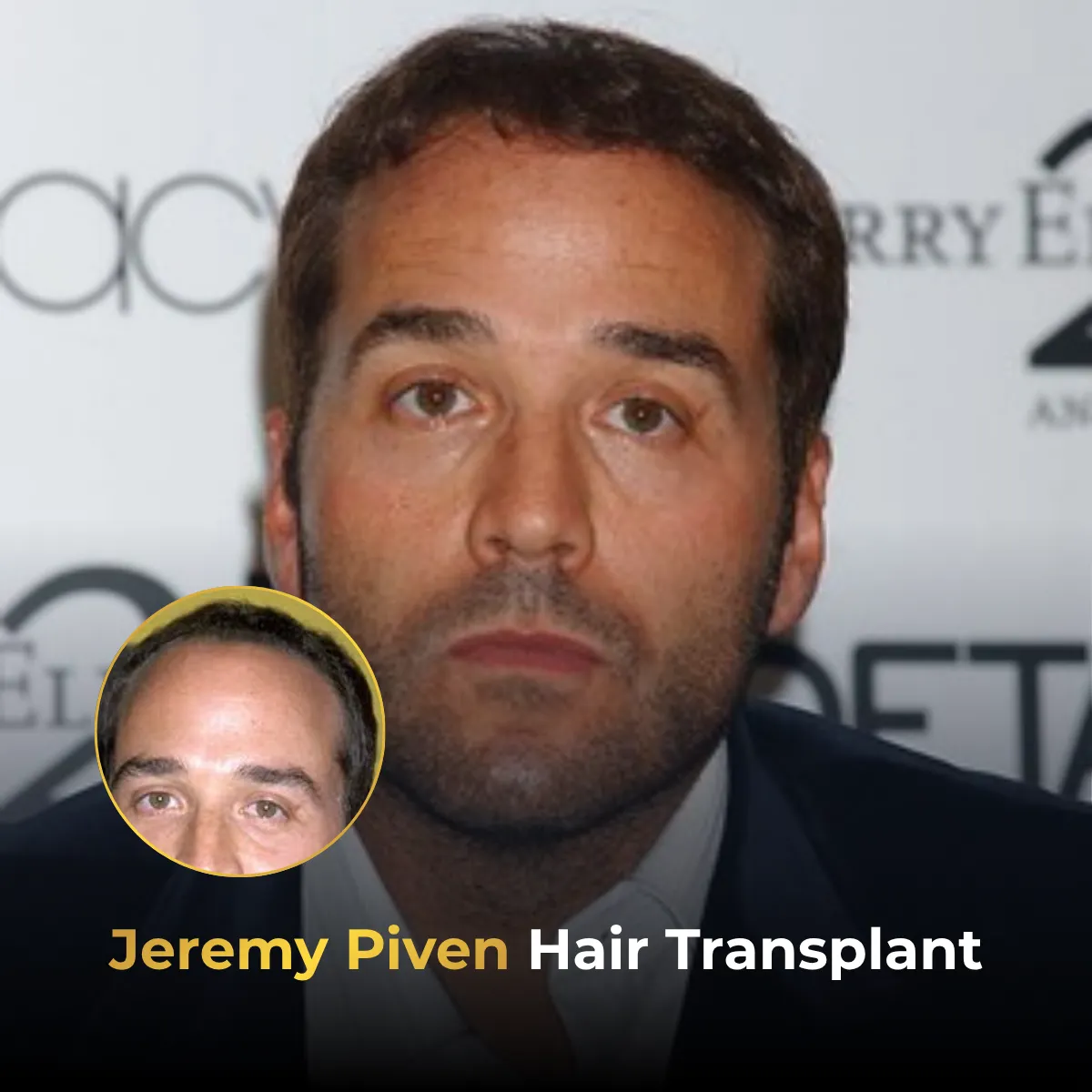
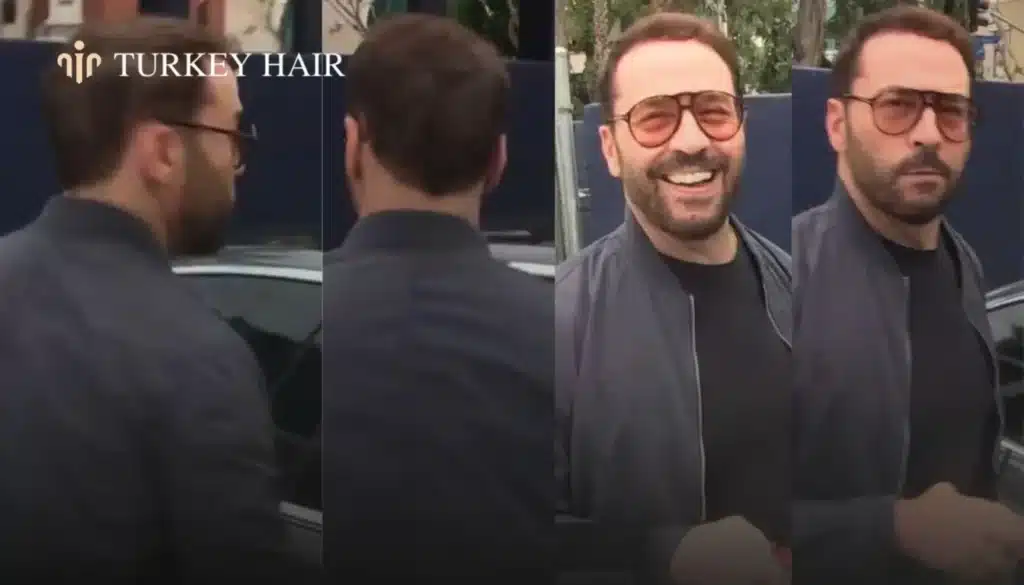
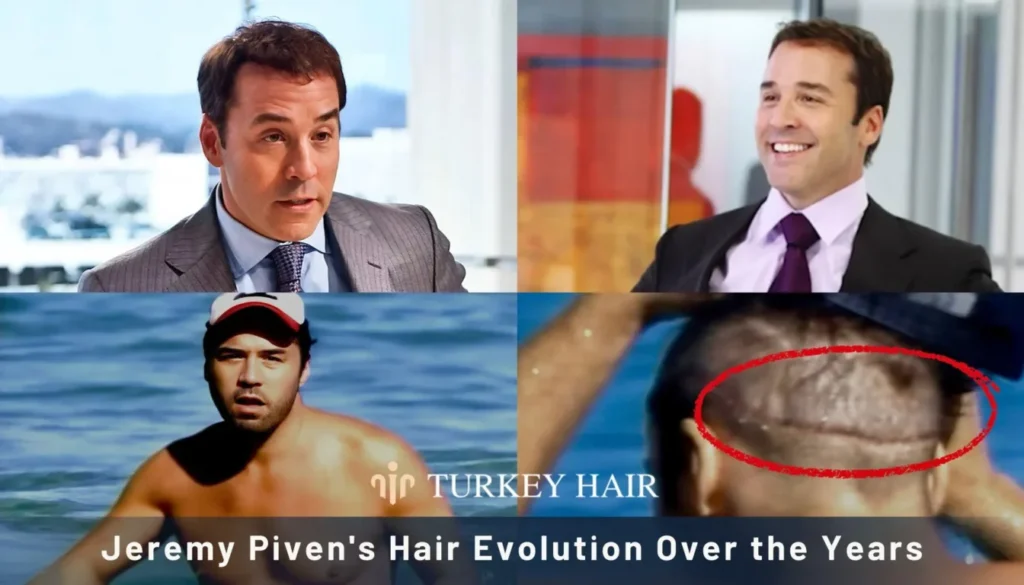
Several facts are clear. Jeremy Piven has never revealed a clinic, surgeon, procedure date, or graft count. No medical records have ever been made public. At the same time, widely circulated paparazzi photographs from Hawaii show a linear mark across the back of his scalp. Many online discussions and some hair restoration commentators have interpreted it as a possible FUT donor scar. Piven rejected that explanation. According to media reports, he stated that the mark came from an injury sustained years earlier during his acting career. Neither explanation has been independently verified.
Why the Scar Became Part of the Story
Most celebrity hair transplant rumors begin with changes in the hairline. Jeremy Piven’s case is different. The discussion expanded beyond before-and-after photos due to the visible mark in several paparazzi images. Supporters of the transplant theory point to the scar as one of the strongest reasons for believing surgery may have taken place. Others accept Piven’s own explanation that the mark was unrelated to hair restoration. That disagreement is one reason the story continues to attract attention years later.
Why the Rumors Started
The rumors did not begin because of one photograph. They grew over time. Fans compared Piven’s early television appearances with his look during the Entourage years and noticed a much fuller, more structured hairline. Combined with the later paparazzi photographs and ongoing online discussions, the transformation became one of Hollywood's most talked-about celebrity hair stories.
Expert Observation
When examining public photographs, the most noticeable changes appear around the temples and frontal hairline. Those changes can naturally raise questions. Hair transplantation is one possible explanation, but professional styling, cosmetic solutions, lighting, and other factors may also influence how a hairline appears on camera.
Jeremy Piven Hair Transformation: What Changed Over the Years?
You cannot judge a public figure's hair by looking at just one photo. Actors constantly change their styling for different roles. Tracking his career over the decades provides a much clearer picture of how his hairline evolved alongside his television and film status.
Early Career: Seinfeld and Earlier TV Appearances
In the 1990s, Piven sported a very natural, unedited look. During his early guest appearances on shows like Seinfeld, his hair was visibly finer and less structured. The corners of his hairline appeared slightly more recessed, showing signs of mild, age-related maturation. This era provides a solid look at his true baseline.
Entourage Era: Fuller, Sharper and More Camera-Ready Hair
His aesthetic shifted dramatically when he took on his most famous roles. Playing a high-powered agent on Entourage required a sharp, commanding presence. Suddenly, his hair appeared much denser and heavily styled. The deep recession from his 90s era was no longer visible, which is exactly when the hair transplant rumors began to circulate widely.
Recent Looks: Stable Hairline and Groomed Appearance
Today, his hairline remains stable and highly groomed. While a surgical procedure is one possible explanation, professional maintenance plays a massive role. High-quality grooming products, strategic hair coloring, and precise barbering all contribute to keeping his look sharp on a daily basis.
| Career Era | Visual Observation | Possible Interpretation |
|---|---|---|
| Early TV (1990s) | Softer, less structured, natural recession. | Baseline genetic pattern. |
| Entourage (2000s) | Dense, sharp, heavily styled. | Raised hair restoration rumors. |
| Current Era | Stable, groomed, maintained density. | May reflect ongoing grooming, maintenance, or other preservation strategies. |
Jeremy Piven Hair Loss: When Did the Signs Start?
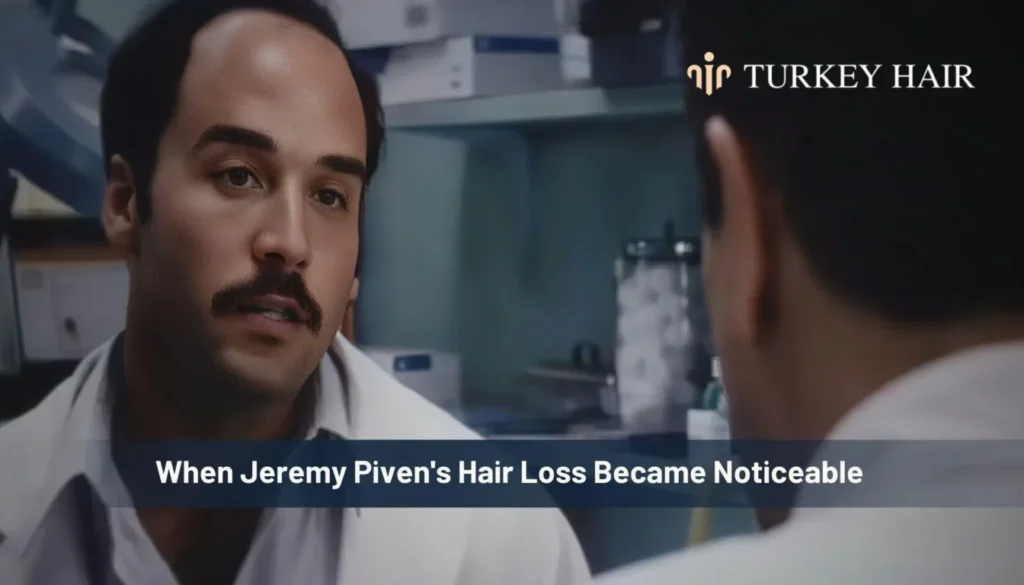
Balding is a slow, progressive process. By looking closely at his early career, it is easy to see how his hair loss pattern was advancing well before his major visual transformation took place.
Mature Hairline vs Male Pattern Baldness
Many men experience a maturing hairline as they age, where the hairline naturally shifts back. However, there is a difference between a mature hairline and actual male pattern baldness (androgenetic alopecia). Piven’s early photos show active thinning specifically at the temples and frontal hairline, which is the main focus of this entire debate.
Why Hair Loss Is Hard to Judge in Actors
Hollywood is built on visual illusions. TV and film sets utilize professional lighting, highly skilled makeup artists, and hair dye. Volumizing products and clever camera angles are standard. Because of these industry tricks, including the potential use of hair systems, a single photograph is never enough to make a definitive judgment.
Jeremy Piven Before and After Hair: What Do the Photos Show?
Before-and-after photos are the foundation of any celebrity hair discussion. Analyzing them requires looking past the expensive styling to observe the actual structure of the hairline over time.
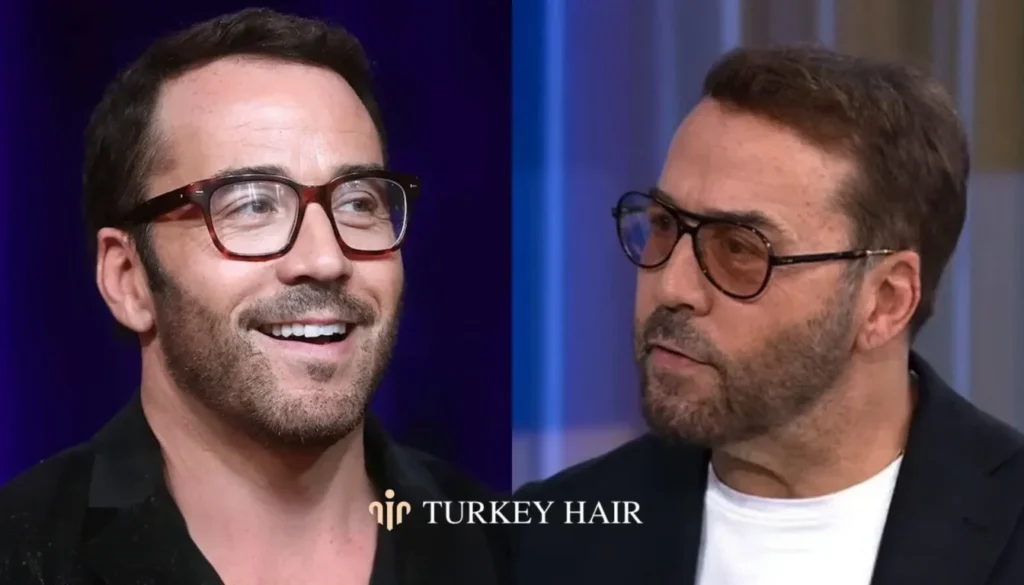
Before: Softer Hairline and Possible Temple Recession
In earlier photos, the hairline was soft and completely natural. The strands appeared finer, and there was a clear possibility of temple recession. During these years, his overall hair density appeared visibly lower.
After: Denser Hairline and Improved Frontal Frame
In more recent photos, the shape of his face appears different. The temporal corners look filled in, and the frontal frame is much more robust and balanced. Photos can show a difference, but they cannot explain exactly why it happened. This level of physical change could stem from a transplant, PRP, minoxidil, a hair system, or elite styling.
Why Before-After Photos Can Be Misleading
Camera angles and lighting change everything. You have to account for age differences, weight fluctuations, and changes in face shape. Different haircuts and professional grooming play a massive role. To see a real trend, you have to look at hundreds of photos over several years, keeping TV production conditions in mind. The discussion became even more intense after paparazzi photos from Hawaii circulated online. For many observers, the visible mark on the back of Piven’s scalp became just as important as the changes seen along the frontal hairline. That is one reason the debate continues today.
Does Jeremy Piven’s Hairline Show Signs of a Transplant?
A well-executed hair restoration should look entirely natural. But under close inspection, there are sometimes subtle markers that can suggest whether a hairline was crafted by a surgeon or simply styled well.
Hairline Shape and Density Distribution
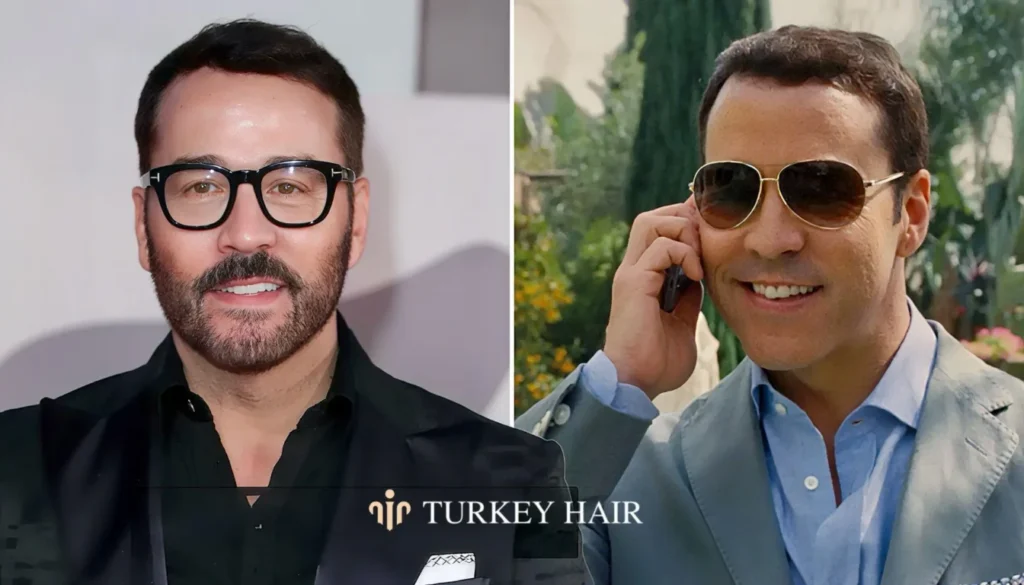
A natural hairline is slightly irregular and soft at the very front. A hairline that looks remarkably straight or uniformly dense can appear artificial. Some of Piven’s photos show an increase in frontal density that certainly raises questions about surgical dense-packing.
Temple Closure and Frontal Framing
The temples are a critical area for analysis. Piven’s temporal corners went from visibly recessed to appearing closed and thick. Rebuilding these corners requires extreme precision, which could be consistent with a carefully planned FUE or DHI procedure, although a custom hair system could produce a similar appearance.
Crown vs Frontal Hairline Changes
The debate surrounding Piven focuses almost entirely on the front. There is very little photographic evidence of severe thinning on his crown. In professional planning, the frontal zone and the crown are evaluated separately, and his aesthetic focus was clearly on the front.
What We Can and Cannot Conclude
Based on public photographs, his hair density improved visually. What we absolutely cannot prove is exactly how it happened. A surgical transplant (FUE/FUT) is one plausible explanation, but PRP, minoxidil, cosmetic concealers, or hair systems remain on the table.
Jeremy Piven Hair Club: Hair System, Wig or Hair Transplant?
Search trends reveal a lot of interest in the term "Jeremy Piven Hair Club". This indicates that a large portion of the public suspects he uses non-surgical hair replacement rather than having undergone a permanent operation.
Why People Search “Jeremy Piven Hair Club”
Many people searching for "Jeremy Piven Hair Club" are referring to long-standing online rumors linking the actor to Hair Club for Men, a company known for both non-surgical hair systems and hair restoration services. Some fans believe his dramatic transformation during the Entourage years may have involved a Hair Club solution rather than surgery. There is no public evidence confirming that Jeremy Piven has ever been a Hair Club client. The connection remains part of the wider internet discussion rather than an established fact.
Hair System vs Hair Transplant: Key Differences
- Hair Transplant: A permanent surgical procedure using the patient's own living hair. Results mature gradually over 12 to 18 months.
- Hair System: A non-surgical cosmetic option that provides immediate density but requires regular maintenance.
Could Styling Alone Explain the Difference?
Professional styling can make a remarkable difference on camera. High-end hair fibers, volume sprays, and hair dye can make a thinning scalp look full. Camera lighting hides flaws beautifully. However, while styling alone explains some differences, it struggles to replicate the appearance of closed temporal corners under harsh lighting. Some online discussions have also mentioned cosmetic hair fibers and concealers such as Toppik. Under professional television lighting, these products can temporarily make hair appear fuller without increasing the actual number of hairs. There is no public confirmation that Jeremy Piven used cosmetic concealers. They remain one of several possible explanations discussed by fans.
How Did Jeremy Piven Regrow His Hair?
When observers notice a dramatic aesthetic comeback, they naturally want to know the mechanics behind it. While the exact method remains unconfirmed, the aesthetic industry provides a few standard explanations for this kind of transformation.
Could It Be a Hair Transplant?
Restoring the frontal hairline is theoretically possible using FUE or FUT. This involves relocating healthy hair from the donor area to the receding front line. However, there is no verified information confirming this for Piven specifically.
Medication Is Another Possibility
Medical treatments can strengthen existing, miniaturized hairs. They are excellent for maintenance, though they do not create new hair in completely bald areas. Using these effectively requires personalized doctor supervision.
Cosmetic Solutions Shouldn't Be Ignored
A hair system provides immediate thickness, and hair fibers make sparse areas look dense. These solutions are used frequently in the TV and film sectors. Yet again, none of this is verified in Piven’s case.
What Hair Transplant Technique Might Jeremy Piven Have Used?
FUE Hair Transplant Possibility
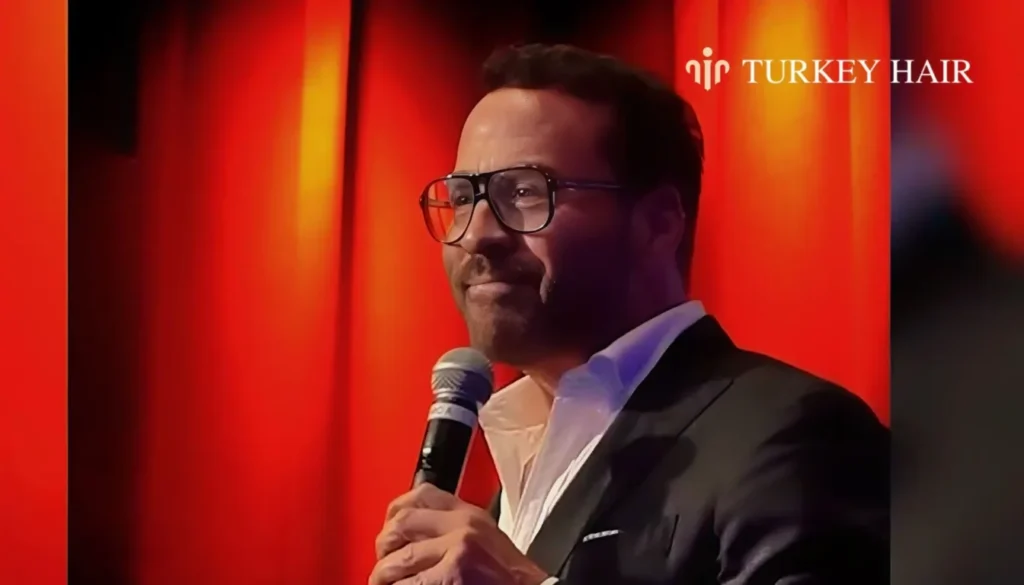
In FUE, grafts are extracted one by one. It does not leave a linear scar. This is highly advantageous for actors who wear their hair short or medium length. It is very suitable for restoring the frontal hairline and the temples.
Could FUT Have Been an Option?
FUT was much more commonly used in the late 1990s and early 2000s. Unlike FUE, it leaves a linear scar across the donor area. The technique is often mentioned in Jeremy Piven’s case because paparazzi photographs taken during a vacation in Hawaii appeared to show a horizontal mark across the back of his scalp. Some hair restoration commentators interpreted it as resembling a FUT donor scar. Jeremy Piven has publicly rejected that interpretation, explaining that the mark resulted from an older acting-related injury rather than a hair transplant procedure. Public photographs alone cannot determine the origin of a scar, which is why the discussion remains speculative.
PRP as a Supportive Treatment
PRP is not a hair transplant. It is commonly used as a supportive treatment to improve hair quality and help preserve existing hair.
How Many Grafts Might Jeremy Piven Have Needed?
Estimating a graft count requires looking at the surface area that appears altered. Because his actual numbers remain entirely private, we can map out a standard clinical estimate.
Estimated Graft Range for a Similar Hairline Case
For a patient presenting a similar early-career recession, a surgical plan would typically be targeted like this:
| Target Area | Description | Estimated Grafts |
|---|---|---|
| Temples | Mild recession closure. | 1,000 - 1,500 |
| Frontal Line | Full hairline and temple closure. | 1,500 - 2,500 |
| Density Push | Wide frontal density. | 2,500 - 3,000 |
These estimates are based on a similar pattern of hair loss and should not be interpreted as Jeremy Piven’s actual graft count.
How Much Do 3,000 Hair Grafts Cost?
The price changes based on the country, clinic, doctor's experience, technique, and package inclusions. Choosing an experienced team is highly important for the best outcome. However, price should never be the only criteria. Protecting the donor area, achieving a natural hairline, and planning for the long term are far more important.
What Happens 10 Years After a Hair Transplant?
Surgery isn't a quick cosmetic fix; it is a long-term physical commitment. The way a scalp ages over a decade determines the true success of any procedure.
Transplanted Hair Can Last Long-Term
Hair taken from the donor area is generally genetically more durable. Well-planned grafts can remain permanently for many years. However, the natural hair surrounding them may continue to thin out.
Why Long-Term Planning Matters
A hair transplant is not a one-time "solves everything" approach. You might need ongoing medical support and a second session for progressive hair loss. In celebrity examples, having a youthful and excessively low hairline can look artificial in the long run.
Jeremy Piven’s Hair and Celebrity Image: Why Public Figures Restore Their Hair
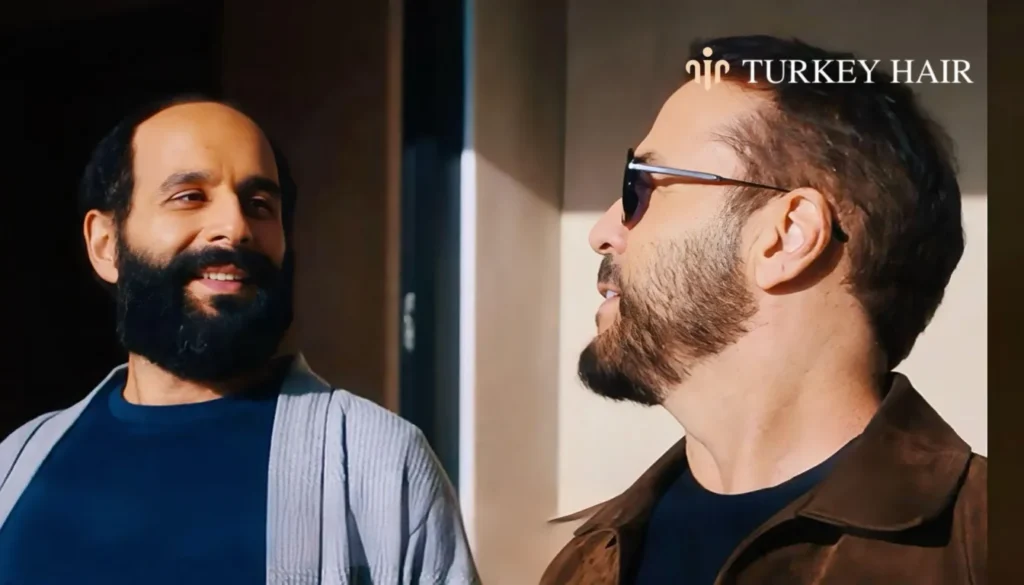
In Hollywood, appearance heavily dictates career opportunities. A full head of hair often plays a massive role in how an actor is cast and perceived by audiences.
Hair Loss and Public Perception
For actors, appearance heavily impacts their career, role selection, and media perception. Hair is strongly associated with youth, energy, and self-confidence. For dynamic roles, projecting a stronger and younger image is very important.
Confirmed vs Rumored Celebrity Hair Transplants
There are confirmed examples, such as Wayne Rooney. Then there are examples discussed purely through rumors and visual analysis, like Jeremy Piven. Not every celebrity case holds the same level of evidence.
Is a Hair Transplant the Right Choice for You? Lessons from Jeremy Piven’s Case
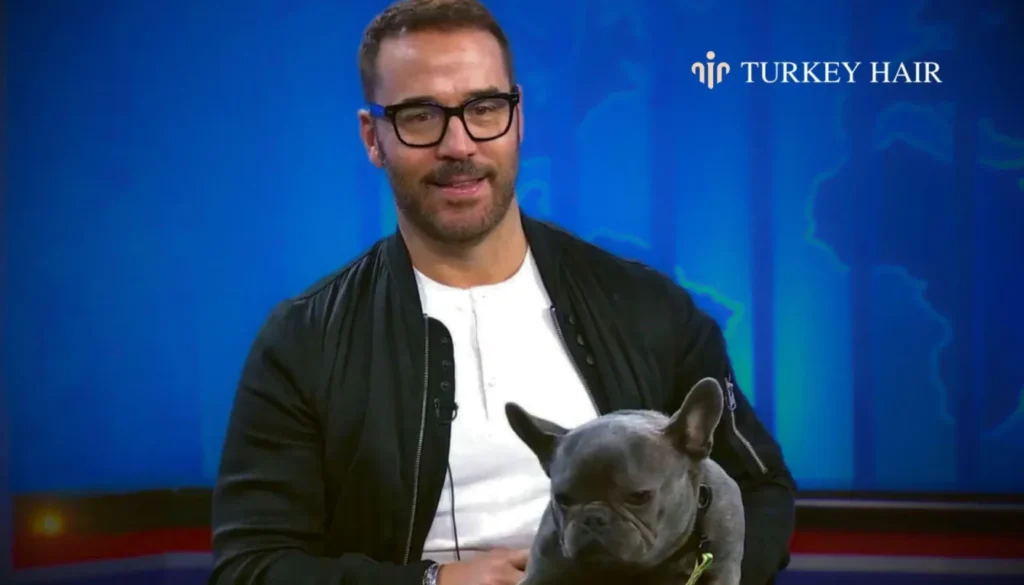
Watching an actor seemingly reverse their hair loss is inspiring. But before booking a clinic, you need to understand your own scalp biology and what is actually possible.
Assessing Your Hair Loss Pattern
You must assess your Norwood scale. Check the density of your donor area. Evaluate the thickness of your hair strands. Consider your age and the risk of progressive hair loss. Always evaluate the crown and frontal areas separately.
Consultation and Custom Treatment Planning
A proper plan includes photo analysis. The donor area is checked. Graft estimates are made. The suitability for FUE, FUT, or DHI is determined. The need for medical treatment is also evaluated.
Realistic Expectations
A hair transplant creates an illusion of density. Your original, youthful hair may not come back. The target should always be a natural, age-appropriate, and sustainable result.
Patient Guidance: Choosing the Right Hair Restoration Clinic
You do not need a Hollywood budget to get high-density results. The global medical landscape offers top-tier surgical options for international patients.
Why Experience Matters
Choosing a clinic should never be based on price alone. Experience, doctor involvement, natural hairline design, donor area protection, and long-term planning all play a much bigger role in the final result than promotional offers or package deals.
Before-and-After Results Matter
Before-and-after photos remain one of the most useful ways to evaluate a clinic. Look for consistent lighting, similar hair length, and images taken over several months rather than immediately after surgery. Long-term results usually provide a much more realistic picture than a single transformation photo.
Safety and Long-Term Planning
Hair restoration should always begin with a proper consultation. A good treatment plan considers the donor area, future hair loss, age, hair characteristics, and realistic expectations. The goal is not simply adding density today, but creating a hairline that still looks natural many years later.
Final Verdict: Jeremy Piven Hair Transplant Rumors Explained
Jeremy Piven has never publicly confirmed undergoing a hair transplant. Public photographs show noticeable changes in his hairline over time, but they cannot explain exactly why those changes occurred. Hair restoration is one possible explanation, although professional styling, cosmetic solutions, medication, and other factors may also have contributed. For anyone considering treatment, an individual consultation remains far more reliable than celebrity comparisons.
About the Author
Nazmi G. is a Trichologist and Hair Restoration Consultant with extensive experience in hairline assessment, patient education, and long-term hair restoration planning. His work focuses on helping patients understand their treatment options through evidence-based guidance and realistic expectations.
Medical Review Note
This article was medically reviewed by Dr. Tompi, M.D., Plastic & Aesthetic Surgeon. The review focused on the accuracy of hair restoration terminology, graft estimate discussions, and the distinction between public photo analysis and confirmed medical information. The goal is to ensure that educational content remains balanced, evidence-based, and medically responsible.
Editorial Policy & Trust
Turkey Hair Center’s celebrity hair analysis series is intended strictly for educational and informational purposes. While internet rumors frequently discuss surgical interventions, Jeremy Piven has not publicly verified a surgical procedure. Therefore, mathematical estimates, technique theories, and density projections in this article represent professional trichological observations rather than official medical records. This analysis combines objective photo analysis, hair restoration expertise, and patient education principles to help readers separate internet hype from real-world scientific facts.
References & Scientific Sources
Medical disclaimer: This article is for informational purposes only and is not medical advice. Individual results vary from person to person. Always consult a qualified doctor before any hair transplant procedure.
Get a Free Hair Analysis from Our Experts
Use our free online help tool to communicate your hair loss concerns – it only takes a few minutes. We’ll provide you with a personalized, non-binding quote.
Let’s Call You!

Popular Blogs
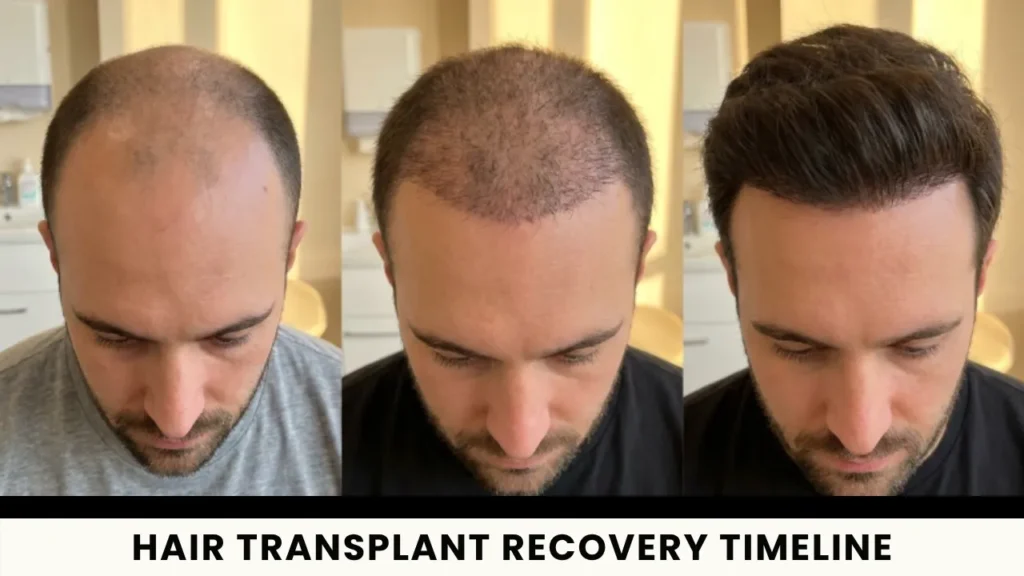
Hair Transplant Recovery Timeline: Day-by-Day, Week-by-Week and Month-by-Month Guide
Hair Transplant Recovery Timeline: Day-by-Day, Week-by-Week and Month-by-Month Guide Free Hair Analysis Homepage Blog Wayne…
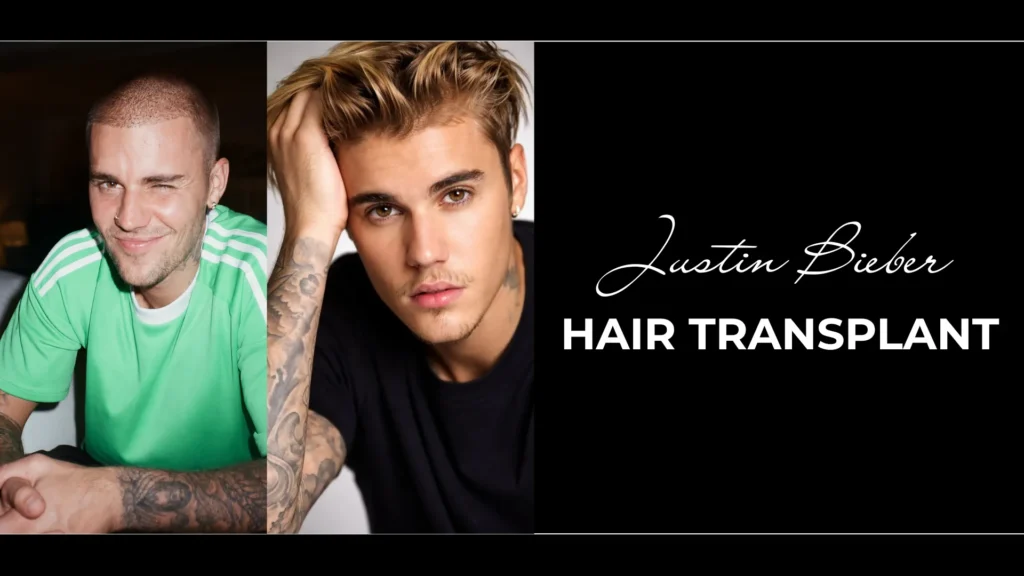
Justin Bieber Hair Transplant: Hairline Analysis, Before & After Photos, Rumors & Expert Opinion
Justin Bieber Hair Transplant: Hairline Analysis, Before & After Photos, Rumors & Expert Opinion Free…
Wayne Rooney Hair Transplant: Before & After
Wayne Rooney Hair Transplant: Before & After Free Hair Analysis Homepage Blog Wayne Rooney Hair…
Conor McGregor Hair Transplant: Before & After
Conor McGregor Hair Transplant: Before & After Free Hair Analysis Homepage Blog Conor McGregor Hair…
Turkey Visa Requirements for Hair Transplant in Turkey
Turkey Visa Requirements for Hair Transplant in Turkey Free Hair Analysis Homepage Blog Turkey Visa…
David Silva Hair Transplant: Before & After
David Silva Hair Transplant: Before & After Free Hair Analysis Homepage Blog Discover David Silva…
Ready To
Book Your Appointment?
Reach out to us or complete our simple online form
and we’ll contact you to schedule a time that works perfectly for you.



Frequently Asked Questions