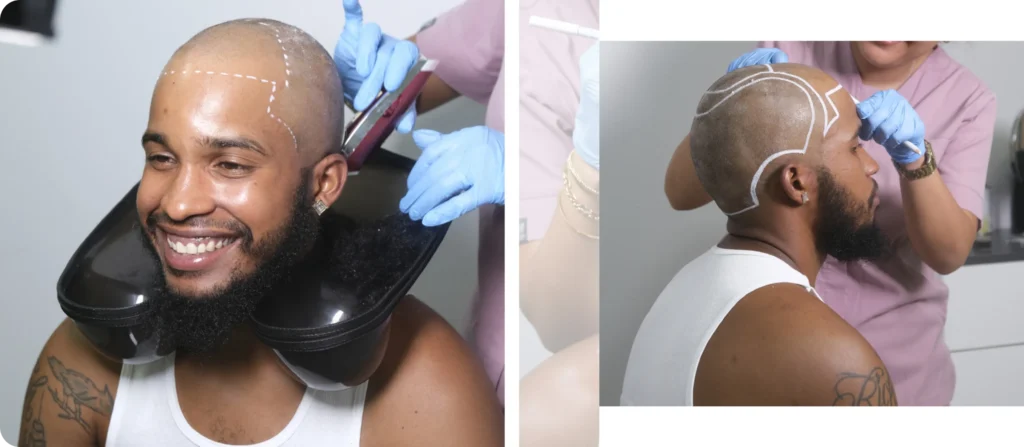
Before hair transplant operation, proper consultation and planning ensure natural, successful, and long-lasting results.
Performed at authorized partner hospitals Turkey Hair Center is a Ministry of Health authorized health-tourism intermediary, not a clinic.
The days and weeks before hair transplant operation are critical for healing and rehabilitation, and can have a significant impact on the ultimate outcome of your procedure.
The days and weeks before hair transplant surgery are critical to recovery and rehabilitation and can have a significant impact on the final outcome of your operation. Turkey Hair Center explained for you one by one the points you should pay attention to in Hair Transplant Preparations.
What to Do Before Hair Transplant Surgery
The hair transplant preparation process starts long before the patient steps into the clinic. A strategic and professional approach to set the stage for optimal follicle survival based on hair biology is the key step for these procedures. A well-organized preparation ensures minimizing risks and maximizing the density of hair and natural looks.
Preparation Steps Before Hair Surgery can positively affect the patient’s post-procedure recovery process and contribute to the successful completion of the procedure. Therefore, it is important for patients to pay attention to these steps.
It must be done
Before hair transplant surgery, patients should carefully follow medical guidelines, stop smoking, avoid alcohol, and maintain proper scalp hygiene. Preparing the body through healthy habits and medication adjustments helps improve graft survival, supports faster healing, and increases the likelihood of successful, natural-looking results.
It must be avoided
Before the procedure, patients should avoid blood-thinning medications, smoking, alcohol consumption, and excessive stress. Ignoring these precautions may reduce blood circulation, interfere with healing, and negatively impact graft retention, potentially compromising the overall effectiveness of the hair transplant procedure.
Determining Candidacy for Hair Transplant
Determining candidacy for a hair transplant depends on several factors below:
Ideal Age and Hair Loss Stability
There isn’t an ideal age for hair transplantation. However, the surgeons generally suggest waiting until the mid-20s-30s. At these ages, hair loss patterns will be more predictable.
If loss is still aggressively continued, a hair transplant operation can result in “isolated islands” while the natural hair keeps receding.
Therefore, it is very important to provide stability over time and medication is very important for having a natural appearance for a long-time.
Donor Area Assessment and Limitations
Key Factors for Donor Area Suitability
Hair density
Scalp elasticity
Follicle strength
Donor zone stability
Overharvesting risk
The donor area’s health is the key factor for the success of the transplant.
Some factors affect the assessment before the procedure:
Hair density
Scalp elasticity
Follicle strength
If these factors are suitable for covering the thinning area, the operation will be successful.
Also, the surgeon must prioritize effective extraction to prevent harvesting excessively and thinning the back of the head.
Medical Conditions That May Affect Eligibility
Scalp healing and how the new grafts integrate strongly depends on the patient’s overall health.
Several conditions can influence blood flow negatively and raise the risk of graft failure:
Uncontrolled diabetes
Active scalp infection
Autoimmune disorders
After the micro-incisions, the healing process is typically intensive. So, a comprehensive medical screening helps to understand that the body is physically capable of supporting these processes.
Realistic Expectations and Psychological Readiness
Full density and natural transformation requires a professional procedure and takes time.
Therefore, the patient should be patient. Also, he needs to understand certain biological limits and the 12-month growth cycle.
For long-term results, the patient has to be prepared for the shedding phase and waiting for the healing process.
Medications, Supplements, and Habits to Avoid Before Hair Transplant Surgery
Selecting the right country for your hair transplant is just as important as choosing the clinic.
A few factors play vital role:
medical standards
surgeon expertise
patient reviews
legal regulations
A reliable destination offers transparent pricing, strong patient support, and a proven track record in medical tourism.
Choosing the Right Clinic and Surgeon
If you want to choose the right clinic and a skilled surgeon for hair transplant procedure, you need to be careful about the steps below:
Credentials, Certifications, and Experience
Always verify the surgeon’s medical license, certifications, and years of experience. Clinics affiliated with recognized medical boards and those specializing in hair restoration tend to deliver safer and more consistent results.
Evaluating Before: After Results
Before: after photos provide insight into a clinic’s real outcomes. Look for consistency, natural hairlines, and cases similar to yours rather than overly edited or limited visuals.
Importance of Personalized Consultation
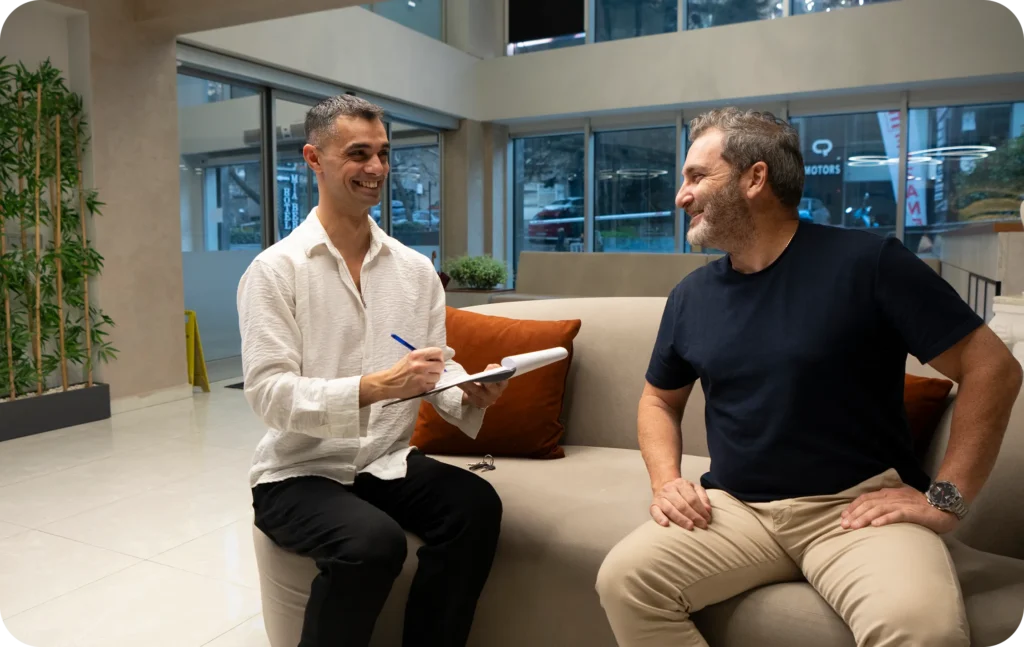
A proper consultation should assess your hair loss pattern, donor area, and expectations. Personalized planning ensures realistic results instead of a one-size-fits-all approach.
Red Flags When Selecting a Clinic
Be cautious of unusually low prices, documented results, or lack of direct communication with the surgeon. High patient turnover and vague answers are also warning signs.
There are several hair transplant techniques. Each technique is chosen according to the patient’s needs.
Here are details about these advanced techniques.
Overview of FUE (Follicular Unit Extraction)
FUE involves extracting individual hair follicles from the donor area and implanting them into thinning areas.
It’s minimally invasive, leaves tiny scars, and offers a relatively quick recovery.
Overview of DHI (Direct Hair Implantation)
DHI is a more refined technique where hair follicles are implanted directly using a specialized pen. It allows for precise control over angle and density, making it ideal for detailed hairline work.
Sapphire Technique Explained
The sapphire technique uses blades made from sapphire instead of steel, enabling smaller incisions and potentially faster healing with less tissue damage.
Choosing the Right Method for Your Case
The best technique depends on your hair loss level, donor capacity, and desired density. A skilled surgeon will recommend the most suitable method rather than pushing a single approach.
Pre-Operative Medical Evaluation
Pre-operative medical assessment includes three important stages:
Required Blood Tests and Screenings
Standard blood tests help assess your overall health and identify any conditions that may affect healing or increase surgical risks. These screenings ensure you are medically fit for the procedure.
Chronic Illnesses and Medication Review
Conditions such as diabetes, hypertension, or autoimmune disorders must be carefully reviewed. Your doctor will also evaluate ongoing medications to prevent complications during and after surgery.
Scalp Analysis and Hair Density Measurement
A detailed scalp examination determines donor hair quality, density, and scalp condition. This step is essential for planning graft distribution and achieving natural-looking results.
Medications and Supplements to Avoid
After a successful operation, the patient must follow some important precautions to achieve the best results.
Blood Thinners and Anti-Inflammatory Drugs
Medications like aspirin or certain anti-inflammatories can increase bleeding during surgery. Patients are usually advised to stop these under medical supervision before the procedure.
Herbal Supplements That Increase Bleeding Risk
Supplements such as ginseng, garlic extract, and ginkgo biloba may also thin the blood. Discontinuing them in advance helps reduce intraoperative bleeding risks.
Alcohol, Smoking, and Caffeine Restrictions
Alcohol and smoking can impair healing and blood circulation, while excessive caffeine may affect blood pressure. Limiting or avoiding these improves surgical outcomes.
Lifestyle Adjustments Before the Procedure
Essential Pre-Surgery Lifestyle Adjustments
Stay hydrated
Eat nutrient-rich foods
Avoid smoking
Limit alcohol
Reduce stress
Prioritize sleep
To achieve the best result for hair transplantation, the patient has to prepare himself before the procedure.
Diet and Hydration Recommendations
Maintaining a balanced diet rich in vitamins and staying well-hydrated supports scalp health and improves your body’s ability to heal after the procedure.
Sleep and Stress Management
Adequate sleep and low stress levels help regulate your immune system, making your body more resilient during surgery and recovery.
Exercise Restrictions Before Surgery
Avoid intense workouts a few days before the procedure, as they can increase blood pressure and sensitivity in the scalp area.
Hair and Scalp Preparation
Here are 3 important instructions for hair and scalp preparation!
Washing Instructions Before Surgery
You’ll typically be asked to wash your hair thoroughly with a mild shampoo prior to surgery to ensure a clean and infection-free scalp.
Avoiding Hair Products and Chemicals
Hair styling products, dyes, or chemical treatments should be avoided before the procedure, as they may irritate the scalp or interfere with implantation.
Hair Length Recommendations
Depending on the chosen technique, your clinic may advise trimming or keeping your hair at a certain length for easier extraction and implantation.
What to Expect on the Day of Surgery
Realistic expectations means that the patient is following the steps below.
Step-by-Step Procedure Overview
The process includes preparing the donor area, extracting grafts, creating recipient sites, and implanting the follicles with precision for natural results.
Duration of the Operation,
The procedure can take anywhere from 4 to 8 hours, depending on the number of grafts and the technique used.
Anesthesia and Pain Management
Local anesthesia is applied to numb the scalp, ensuring minimal discomfort. Patients may feel slight pressure but no significant pain.
Immediate Post-Procedure Care
After surgery, the scalp is protected, and you’ll receive detailed aftercare instructions, including medications and washing guidelines.
Planning Your Recovery Period
You can plan your recovery process by following these steps:
Time Off Work and Social Activities
Most patients return to work within a few days, though visible signs like redness or scabbing may require a short break from social settings.
Travel Considerations for International Patients
If traveling, plan to stay a few days post-procedure for initial recovery and follow-ups. Avoid strenuous travel immediately after surgery.
H3: Post-Op Supplies to Prepare in Advance
Having essentials like prescribed medication, gentle shampoo, and a neck pillow ready can make your recovery smoother and more comfortable.
Risks and Complications to Be Aware Of
There are always some risks and complications that you need to be careful of.
Common Side Effects (Swelling, Redness, Shock Loss)
Temporary swelling, redness, and shedding of transplanted hairs (shock loss) are normal and usually resolve within a few weeks.
Rare Complications and How to Prevent Them
Infections, scarring, or poor graft survival are rare but possible. Choosing an experienced clinic and following aftercare instructions significantly reduces these risks.
Importance of Following Medical Advice
Adhering strictly to your doctor’s guidelines ensures proper healing, protects grafts, and maximizes the success of the transplant.
Frequently Asked Questions
How many days before a hair transplant should I stop smoking and alcohol?
It is generally recommended to stop smoking and alcohol at least 5-7 days before the procedure to support proper healing and circulation.
Can I take my regular medications before the procedure?
You should consult your doctor, as some medications may need to be adjusted or temporarily stopped before surgery.
Is it necessary to shave my head before a hair transplant?
Not always, as techniques like unshaven FUE or DHI allow the procedure without full shaving, depending on your case.
What should I eat before the surgery day?
Eat light, balanced meals rich in nutrients and avoid heavy, greasy, or overly salty foods the day before surgery.
Can I drink coffee on the day of the procedure?
It is usually advised to avoid caffeine on the day of surgery as it may increase blood pressure and sensitivity.
How long does a hair transplant procedure take?
The procedure typically takes between 4 to 8 hours, depending on the number of grafts and technique used.
Is the hair transplant procedure painful?
No, the procedure is performed under local anesthesia, so you may feel slight discomfort but not pain.
What should I wear on the day of surgery?
Wear comfortable, loose-fitting clothes with a button-up or zip-up top to avoid contact with the scalp.
Do I need someone to accompany me after the procedure?
While not always required, having someone with you can provide comfort and assistance after the procedure.
How should I prepare my scalp the night before?
Wash your hair thoroughly with a gentle shampoo and avoid applying any products afterward.
Are there any vitamins or supplements I should take or avoid?
Avoid supplements that increase bleeding (like vitamin E or herbal extracts) unless approved by your doctor.
Can I exercise before the procedure?
Light activity is fine, but intense exercise should be avoided at least 24-48 hours before surgery.
What medical tests are required before a hair transplant?
Basic blood tests and screenings are typically required to assess your overall health and suitability.
How do I know if I am a good candidate for a hair transplant?
You are a good candidate if you have sufficient donor hair, stable hair loss, and realistic expectations.
Can stress affect the outcome of the transplant?
Yes, high stress levels can negatively impact healing and may affect hair growth after the procedure.
Should I stop using minoxidil or finasteride before surgery?
Your doctor may advise pausing minoxidil temporarily, while finasteride is often continued: always follow medical guidance.
What happens if I don’t follow pre-operative instructions?
Ignoring instructions can increase risks, affect graft survival, and compromise overall results.
Can I travel immediately after the procedure?
Short travel may be possible, but it’s usually recommended to wait at least 1-2 days for initial recovery.
How do I choose between FUE and DHI methods?
The choice depends on your hair loss pattern, desired density, and your surgeon’s recommendation.
Setting Realistic Expectations
Time Period
Expected Progress
First Month
Shedding phase
3-4 Months
Early regrowth
6 Months
Visible improvement
9-12 Months
Full results
You should have realistic expectations before starting the full process of hair transplant.
Timeline of Hair Growth After Transplant
Initial shedding occurs within weeks, followed by new hair growth starting around 3-4 months. Full results typically appear within 9-12 months.
Density vs. Coverage Expectations
The goal is to achieve natural-looking coverage rather than extreme density in a single session. Strategic placement creates the illusion of fullness.
Possibility of Multiple Sessions
In cases of extensive hair loss or limited donor supply, more than one session may be required to achieve the desired outcome.
Send three photos: front, top and sides. You get a technique recommendation, a graft range and a straight answer about what is achievable, before anyone talks about price.
Your details are with the team
A patient coordinator will get back to you shortly. If you would like to send your photos now, WhatsApp is the fastest way to do it.
We respond quickly, day or night, in your language.
Multilingual team, no obligation
Data protectedKVKK and GDPR compliant, 100% confidential
Authorized Health Tourism Intermediary
Turkey Hair Center is the hair-restoration brand of Healthy Way Tourism, an authorized international health-tourism intermediary. All medical procedures are performed by licensed medical professionals at authorized healthcare facilities in Turkiye, in accordance with the regulations of the Ministry of Health.