Premature Greying: Understanding the Causes and Prevention Strategies in 2026
Homepage

Blog
Premature Greying: Understanding the Causes and Prevention Strategies in 2026

Medical Reviewed By Dr. Tompi, M.D – Plastic & Aesthetic Surgeon
Written By Nazmi G, Trichologist

Hair typically begins to grey between the ages of 30 and 40 for most individuals, a natural process influenced primarily by genetics. However, for some, the appearance of silver strands can occur much earlier, often before their mid-20s, a phenomenon known as premature greying. This early onset can be a source of concern, prompting questions about underlying health, lifestyle, and potential preventative measures.
Understanding why hair loses its pigment prematurely involves delving into the intricate biology of hair follicles and considering a range of factors from inherited traits to environmental influences. While complete reversal of greying remains elusive with current medical knowledge, identifying and addressing contributing causes can sometimes slow the process or support overall hair health. This article explores the science behind hair greying, outlines the key causes of premature onset, and discusses practical strategies to manage and potentially prevent it.
The Science of Hair Colour: How Hair Turns Grey
Hair colour is determined by melanin, a pigment produced by specialised cells called melanocytes, located within the hair follicles. There are two primary types of melanin: eumelanin, which gives hair black and brown tones, and pheomelanin, responsible for red and yellow hues. The specific combination and amount of these pigments dictate an individual's natural hair colour.
As we age, melanocytes gradually become less active and eventually cease melanin production altogether. This decline is a programmed biological process, leading to new hair strands growing without pigment, appearing white or silver. The perception of 'grey' hair is often an optical illusion, a mix of pigmented and unpigmented strands. A key mechanism in this process is the accumulation of hydrogen peroxide, a natural byproduct of metabolic processes, within hair follicles. Normally, an enzyme called catalase breaks down hydrogen peroxide, but its activity also diminishes with age, allowing hydrogen peroxide to bleach the hair from the inside out, further contributing to pigment loss.

Defining Premature Greying: When is it "Too Early"?
While the exact definition can vary slightly, premature greying is generally recognised when a significant amount of grey hair appears much earlier than the average onset for a person's ethnic background. For individuals of Caucasian descent, greying before the age of 20 is considered premature. For those of Asian descent, it's typically before 25, and for individuals of African descent, before the age of 30. Observing these benchmarks can help determine if your greying pattern falls into the premature category, prompting a closer look at potential underlying factors beyond typical ageing.
Genetic Predisposition: The Primary Driver
The most significant factor influencing when and how much your hair will grey is your genetic inheritance. If your parents or grandparents experienced premature greying, there's a considerably higher likelihood that you will too. Research has identified specific genes associated with hair greying, such as the IRF4 gene, which plays a role in regulating melanin production and storage. This genetic blueprint largely dictates the timing of melanocyte senescence, meaning the natural 'switch-off' point for pigment production is often predetermined. While other factors can influence the rate, genetics establishes the fundamental timeline for most individuals.
Nutritional Deficiencies Linked to Premature Greying
Beyond genetics, certain nutritional deficiencies can play a crucial role in the premature loss of hair pigment. A balanced diet rich in essential vitamins and minerals is vital for healthy hair follicle function and melanin production. When the body lacks these key nutrients, melanocytes may struggle to produce adequate pigment, leading to early greying. Specific deficiencies that have been strongly associated with premature greying include:
- Vitamin B12 (Cobalamin): Essential for red blood cell formation, which carries oxygen to hair follicles. A deficiency can impact melanocyte function and is often linked to pernicious anaemia.
- Copper: A vital trace element that contributes to the enzyme tyrosinase, which is critical for melanin synthesis. Low copper levels can directly impair pigment production.
- Iron: Important for oxygen transport and overall cellular health, including that of hair follicles. Iron deficiency anaemia can affect hair growth and colour.
- Vitamin D: While more research is emerging, Vitamin D is believed to play a role in hair follicle cycling and melanogenesis.
- Selenium: An antioxidant that helps protect cells, including melanocytes, from oxidative damage.
Addressing these deficiencies through dietary changes or targeted supplementation, under medical guidance, can sometimes help improve hair health and, in certain cases, slow the progression of greying if the deficiency is the primary cause.
| Nutrient | Role in Hair Pigmentation | Deficiency Symptoms (Hair) |
|---|---|---|
| Vitamin B12 | Essential for red blood cell formation, carrying oxygen to follicles and supporting melanocyte function. | Premature greying, hair loss, brittle hair. |
| Copper | Key component of tyrosinase, an enzyme vital for melanin production. | Premature greying, dull hair, changes in hair texture. |
| Iron | Carries oxygen to cells, including those in hair follicles. | Hair loss, brittle hair, general fatigue. |
| Vitamin D | Involved in hair follicle cycling and melanogenesis (emerging research). | Hair thinning, premature greying (potential link). |
| Selenium | Antioxidant, protects hair follicles from oxidative damage. | Hair loss, brittle nails. |
Medical Conditions and Their Role in Early Greying
Premature greying can sometimes be a symptom or an associated condition of various underlying medical issues. These conditions can disrupt the normal functioning of melanocytes or create an environment that accelerates pigment loss. Recognising these links is crucial for proper diagnosis and management:
- Thyroid Disorders: Both an underactive (hypothyroidism) and overactive (hyperthyroidism) thyroid can affect hair health, including pigment production. Thyroid hormones are essential for metabolic processes throughout the body, including those within hair follicles.
- Autoimmune Diseases: Conditions such as vitiligo, where the immune system attacks and destroys melanocytes in the skin, can also affect hair follicles, leading to patches of white hair. Alopecia areata, another autoimmune condition causing patchy hair loss, can sometimes be followed by the regrowth of white hair.
- Genetic Syndromes: Rare genetic disorders like Werner syndrome, which causes premature ageing, and dyskeratosis congenita, affecting bone marrow and skin, often include premature greying as a prominent symptom due to accelerated cellular ageing.
- Progeria: An extremely rare genetic disorder characterised by rapid ageing from childhood, with premature greying being one of its hallmark features.
If premature greying is accompanied by other unusual symptoms, consulting a healthcare professional is advisable to rule out or address any underlying medical conditions.
Lifestyle Factors: Stress, Smoking, and Environmental Impact
While genetics set the stage, lifestyle choices and environmental exposures can significantly influence the timing and speed of hair greying. These factors often contribute to oxidative stress, a key mechanism in melanocyte damage and pigment loss:
- Chronic Stress: Prolonged psychological stress is widely believed to accelerate greying. While it doesn't directly turn hair grey overnight, chronic stress can deplete melanocyte stem cells in the hair follicle, leading to a reduction in new pigment-producing cells over time. The 'fight or flight' response releases hormones that can impact cellular function, including those responsible for hair colour.
- Smoking: Numerous studies have linked smoking to premature greying. The toxins in cigarette smoke generate free radicals that cause oxidative damage to hair follicles and melanocytes. Additionally, smoking can constrict blood vessels, reducing blood flow and nutrient delivery to the hair follicles, thereby impairing their ability to produce pigment.
- Environmental Pollution and UV Radiation: Exposure to environmental pollutants and excessive ultraviolet (UV) radiation from the sun can also induce oxidative stress. These external factors can damage melanocytes and the proteins involved in melanin production, potentially contributing to earlier greying.
Mitigating these lifestyle and environmental factors can play a supportive role in maintaining hair health and potentially delaying the onset of greying.

Can Premature Greying Be Prevented or Reversed?
The question of preventing or reversing premature greying is complex and largely depends on the underlying cause. If premature greying is primarily due to genetic predisposition, there is currently no definitive method to prevent its onset or reverse it once it has occurred. Medical science has not yet found a way to reactivate dormant melanocytes or reverse the genetic programming that leads to their decline.
However, if the greying is linked to correctable factors such as severe nutritional deficiencies (e.g., Vitamin B12, copper, or iron deficiency) or certain treatable medical conditions (like thyroid dysfunction), addressing these issues can sometimes halt further greying and, in rare instances, lead to the repigmentation of new hair growth. For example, correcting a severe B12 deficiency has been observed to restore natural hair colour in some individuals. It is important to note that this repigmentation typically only affects newly growing hair, not existing grey strands. For those experiencing hair loss alongside greying, exploring options like hair transplants might be considered. You can find more information on this topic by referring to our dedicated guide: Can You Get a Hair Transplant with Grey Hair?
Strategies for Managing and Supporting Hair Health
While a complete reversal of genetically programmed premature greying isn't currently possible, adopting a holistic approach can support overall hair health and potentially slow down the process if non-genetic factors are at play. These strategies focus on nurturing your body and hair follicles:
- Balanced Nutrition: Ensure your diet is rich in vitamins and minerals essential for hair health. Focus on foods high in B vitamins (especially B12 found in meat, fish, dairy, and fortified cereals), copper (nuts, seeds, legumes, dark leafy greens), iron (lean meats, spinach, lentils), and antioxidants (berries, colourful vegetables). Consider a multivitamin if dietary intake is insufficient, but always consult a doctor before starting new supplements.
- Stress Management: Implement effective stress-reduction techniques into your daily routine. This could include mindfulness meditation, yoga, regular exercise, spending time in nature, or engaging in hobbies you enjoy. Adequate sleep (7-9 hours per night) is also crucial for managing stress and cellular repair.
- Avoid Smoking: Quitting smoking is one of the most impactful steps you can take for your overall health, including the health and pigmentation of your hair. This eliminates a significant source of oxidative stress and improves circulation.
- Gentle Hair Care: Protect your hair from harsh chemical treatments and excessive heat styling, which can damage hair follicles and contribute to oxidative stress. Opt for mild shampoos and conditioners, and minimise exposure to direct, strong sunlight by wearing hats when outdoors for extended periods.
- Regular Health Check-ups: If you're experiencing premature greying, particularly if accompanied by other symptoms, consult your GP. They can conduct blood tests to check for nutritional deficiencies or underlying medical conditions like thyroid dysfunction, allowing for timely diagnosis and treatment.
By integrating these practices, you can support a healthier environment for your hair follicles and potentially mitigate factors that might accelerate greying.
Medical disclaimer: This article is for informational purposes only and is not medical advice. Individual results vary from person to person. Always consult a qualified doctor before any hair transplant procedure.
Get a Free Hair Analysis from Our Experts
Use our free online help tool to communicate your hair loss concerns – it only takes a few minutes. We’ll provide you with a personalized, non-binding quote.
Let’s Call You!

Popular Blogs
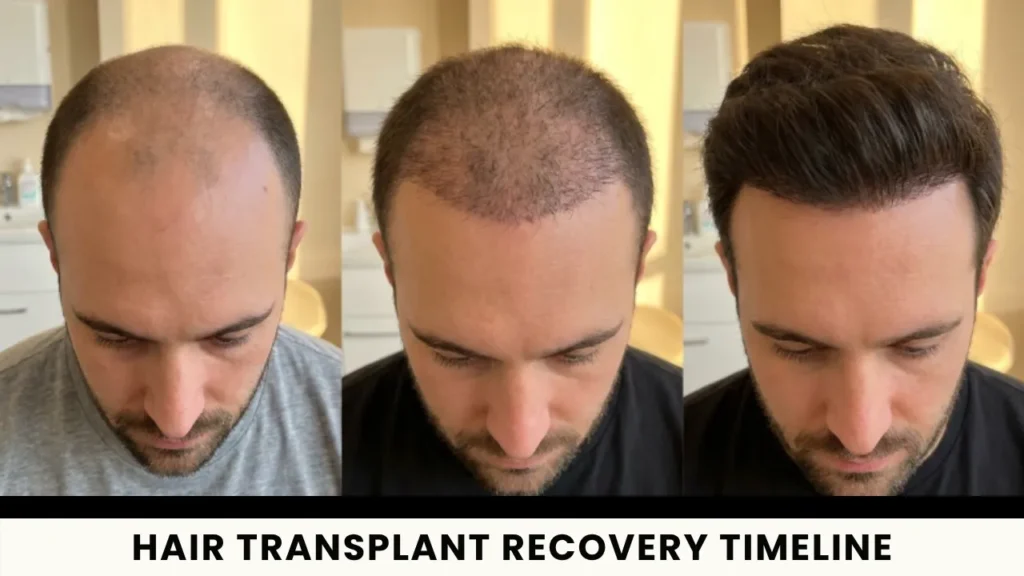
Hair Transplant Recovery Timeline: Day-by-Day, Week-by-Week and Month-by-Month Guide
Hair Transplant Recovery Timeline: Day-by-Day, Week-by-Week and Month-by-Month Guide Free Hair Analysis Homepage Blog Wayne…
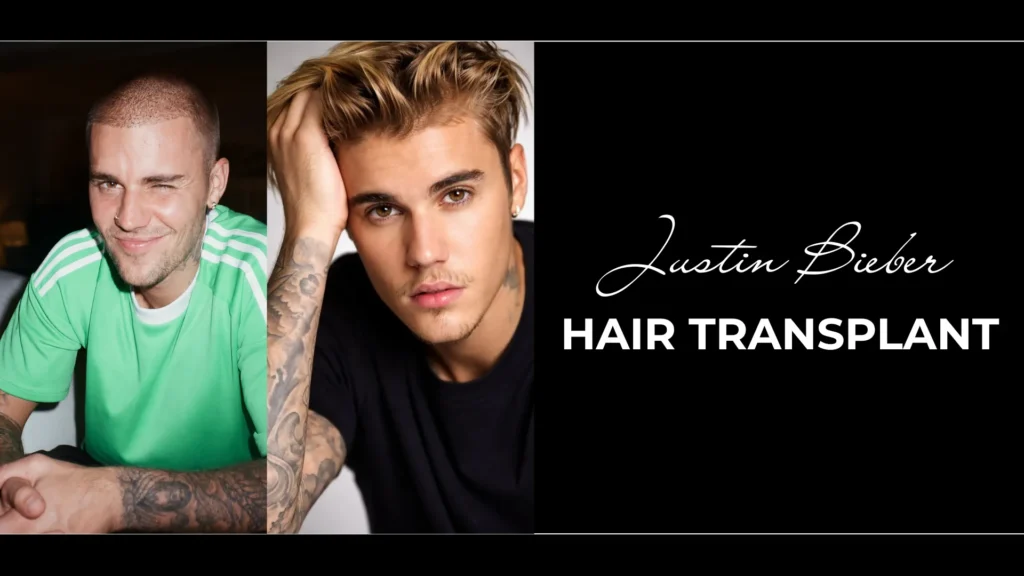
Justin Bieber Hair Transplant: Hairline Analysis, Before & After Photos, Rumors & Expert Opinion
Justin Bieber Hair Transplant: Hairline Analysis, Before & After Photos, Rumors & Expert Opinion Free…
Wayne Rooney Hair Transplant: Before & After
Wayne Rooney Hair Transplant: Before & After Free Hair Analysis Homepage Blog Wayne Rooney Hair…

Conor McGregor Hair Transplant: Before & After
Conor McGregor Hair Transplant: Before & After Free Hair Analysis Homepage Blog Conor McGregor Hair…
Turkey Visa Requirements for Hair Transplant in Turkey
Turkey Visa Requirements for Hair Transplant in Turkey Free Hair Analysis Homepage Blog Turkey Visa…

David Silva Hair Transplant: Before & After
David Silva Hair Transplant: Before & After Free Hair Analysis Homepage Blog Discover David Silva…
Ready To
Book Your Appointment?
Reach out to us or complete our simple online form
and we’ll contact you to schedule a time that works perfectly for you.



Frequently Asked Questions