Hair Transplants for Transgender Individuals: Unique Considerations and Approaches in 2026
Homepage

Blog
Hair Transplants for Transgender Individuals: Unique Considerations and Approaches in 2026

Medical Reviewed By Dr. Tompi, M.D – Plastic & Aesthetic Surgeon
Written By Nazmi G, Trichologist
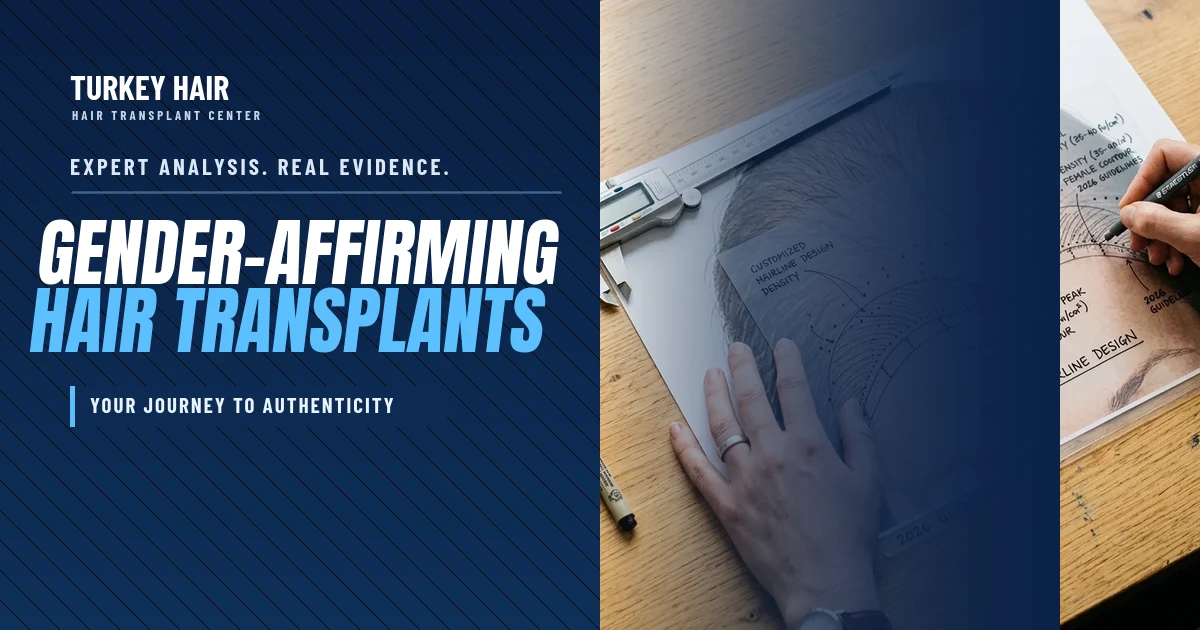

Many transgender individuals seek medical procedures to align their physical appearance with their gender identity, and hair restoration plays a significant role in this journey for many. For transgender women (MTF), a receding hairline or thinning hair can be a source of dysphoria, while transgender men (FTM) might desire a more masculine hairline or facial hair to better reflect their authentic selves.
Unlike standard hair transplant procedures, gender-affirming hair restoration requires a deeply nuanced understanding of aesthetic goals, hormonal impacts, and psychological considerations. Clinics specialising in this area focus not just on graft count, but on reshaping hairlines and increasing density to genuinely reflect the patient's affirmed gender, requiring specific expertise in surgical planning and execution that goes beyond conventional methods.
Understanding Gender-Affirming Hair Restoration Goals
The core objective of hair transplantation for transgender individuals is to achieve a hairline and hair density that aligns with their gender identity, significantly contributing to a sense of authenticity and reducing gender dysphoria. For transgender women, the aspiration is typically a softer, more feminine hairline. This involves lowering the frontal hairline to reduce the perceived height of the forehead and filling in the temporal triangles (the areas at the sides of the forehead) to create a more rounded, oval, or slightly heart-shaped facial frame. This transformation helps to feminise the overall facial appearance, moving away from the often angular or receding hairlines associated with male pattern baldness.
Conversely, transgender men often seek to establish a more masculine hairline. This usually entails creating a higher, more angular hairline, sometimes with a subtle 'M' shape, which is characteristic of cisgender male patterns. Beyond the scalp, some FTM individuals may also consider facial hair transplants to develop a beard or moustache, further aiding in their masculinisation journey. Both processes demand a surgeon with not only technical skill but also a profound artistic understanding of gender-specific facial aesthetics.
The Impact of Hormonal Therapy on Hair Growth and Loss
Hormone Replacement Therapy (HRT) plays a pivotal role in the hair restoration journey for transgender individuals, influencing both existing hair patterns and the long-term stability of transplant results. For transgender women undergoing oestrogen therapy, HRT can effectively slow down or even halt the progression of androgenetic alopecia (male pattern baldness) by reducing the impact of androgens on hair follicles. However, oestrogen generally does not reverse existing hair loss in areas where follicles have already miniaturised or died; a hair transplant then addresses these permanently lost areas to create a full, feminine hairline.
For transgender men receiving testosterone therapy, the introduction of androgens can initiate or accelerate male pattern baldness, even if it wasn't present before HRT. This means that while a hair transplant can create a masculine hairline, careful planning is essential. The surgeon must consider the potential for ongoing hair loss in non-transplanted areas and assess the donor area's long-term viability. In some cases, multiple sessions may be required over time to address future hair loss, making continuous consultation and monitoring crucial.
Hairline Design: Artistry in Gender Affirmation
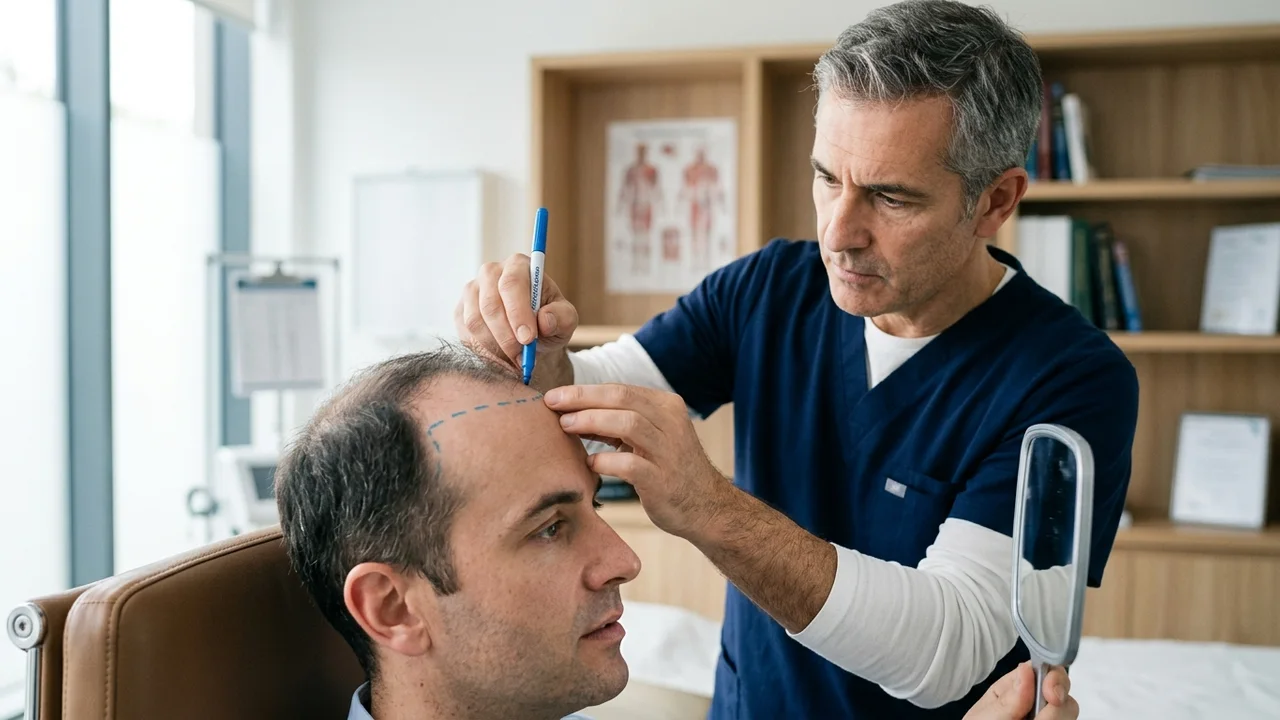
Hairline design is arguably the most critical and artistically demanding aspect of gender-affirming hair transplants. It dictates the overall framing of the face and significantly contributes to perceived gender. For transgender women, the goal is to create a softer, more youthful, and typically lower hairline. This involves meticulously designing a rounded or oval shape that seamlessly blends with the natural contours of the face. The surgeon will often bring the hairline forward by several centimetres and fill in the temporal peaks, which are typically recessed in cisgender males, to create a smooth, continuous curve that feminises the forehead and eye area.
In contrast, for transgender men, the hairline design aims for a more mature and masculine appearance. This often means a higher frontal hairline, sometimes with a more defined and subtle 'M' shape, and potentially some temporal recession that is characteristic of male patterns. The surgeon’s artistic eye, combined with precise measurements and an understanding of facial ratios, is paramount in achieving a natural-looking outcome that aligns with the individual's gender identity. This precise planning ensures the new hairline looks entirely natural and harmonises with other facial features.
Donor Area Considerations and Graft Utilisation
The success of any hair transplant, especially for gender-affirming purposes, heavily relies on the quality and quantity of the donor hair. The donor area, typically located at the back and sides of the head, must be robust enough to provide sufficient grafts for the desired hairline reconstruction and density. For transgender women seeking extensive hairline lowering and feminisation, a significant number of grafts are often required, necessitating a healthy and dense donor supply.
For transgender men, the long-term implications of testosterone therapy on the donor area must be carefully assessed. While the transplanted hair is usually resistant to hormonal effects, if male pattern baldness progresses in the surrounding donor area, it could impact the overall appearance over time. A skilled surgeon will evaluate the donor density, hair calibre, and potential for future hair loss to create a sustainable plan. In cases where scalp donor hair is insufficient, body hair transplantation (BHT) may be considered as a supplementary option, though scalp hair remains the primary and preferred source due to its superior texture and growth characteristics.
Surgical Techniques Tailored for Transgender Individuals
While the fundamental hair transplant techniques – Follicular Unit Excision (FUE) and Direct Hair Implantation (DHI) – are universally applied, their execution for transgender individuals is highly specialised, focusing on the nuanced aesthetic goals. FUE involves individually extracting follicular units from the donor area, leaving minimal scarring, and is excellent for harvesting a large number of grafts needed for significant hairline reconstruction, such as in hairline feminisation. This technique allows for flexibility in graft distribution to achieve natural density across the new hairline.
DHI utilises a specialised implanter pen that allows for simultaneous creation of recipient sites and graft implantation. This offers unparalleled precision in controlling the angle, direction, and depth of each transplanted hair follicle. Such meticulous control is crucial for crafting natural-looking hairlines, particularly in sensitive areas like the temples and frontal zones where the hair angle can dramatically impact the final aesthetic. The choice between FUE and DHI, or a combination, depends on the individual's specific needs, the extent of the transplant, and the surgeon's expertise in achieving the desired gender-affirming outcome.

Pre-operative Planning and Psychological Support
A comprehensive pre-operative planning phase is paramount for transgender hair transplants, extending beyond mere physical assessment to include significant psychological support. The initial consultation is an opportunity for the patient to articulate their aesthetic vision and for the surgeon to discuss realistic outcomes, considering factors like donor hair availability, facial anatomy, and the impact of hormonal therapy. Advanced digital imaging and mock-ups can be invaluable tools, allowing patients to visualise their potential new hairline and provide input, ensuring their expectations are aligned with what is surgically achievable.
Given the deeply personal and often emotional nature of gender-affirming procedures, a compassionate and understanding clinic environment is crucial. Patients should feel comfortable discussing their journey, concerns, and hopes without judgment. Addressing any anxieties, setting clear expectations, and providing ongoing support throughout the process are as vital as the surgical technique itself. A clinic that understands the unique psychological aspects of gender transition can significantly enhance the patient's overall experience and satisfaction.
Post-operative Care and Long-Term Results
Following a gender-affirming hair transplant, meticulous post-operative care is essential to ensure optimal graft survival, proper healing, and the best possible long-term results. Patients will receive detailed instructions on how to care for their newly transplanted hair, which typically includes gentle washing techniques, avoiding strenuous physical activity, and protecting the scalp from direct sun exposure for several weeks. Some temporary redness, swelling, and scabbing in the treated areas are normal and usually subside within 1-2 weeks.
The transplanted hairs typically shed within the first few weeks, which is a normal part of the growth cycle, followed by new growth beginning around 3-4 months post-procedure. Significant aesthetic improvement becomes noticeable from 6 months, with the full and final results usually visible between 12 to 18 months. Ongoing follow-up appointments are important to monitor progress and address any concerns. For transgender men, continued monitoring is particularly important due to the potential for ongoing androgenetic alopecia in non-transplanted areas, which may necessitate further discussions about maintenance or future sessions to preserve the desired masculine aesthetic.
| Feature | Transgender Women (MTF) Goals | Transgender Men (FTM) Goals |
|---|---|---|
| Hairline Shape | Rounded, oval, or slightly heart-shaped | More angular, often with a subtle 'M' shape |
| Hairline Height | Lowered, reducing forehead height | Maintained or slightly raised, consistent with male patterns |
| Temporal Areas | Filled in, softening the temples and facial frame | Maintained or slightly receded for a masculine appearance |
| Density | High density for a full, feminine appearance | Adequate density, considering potential future hair loss |
| Overall Effect | Feminisation, softer facial features | Masculinisation, stronger facial contours |
Medical disclaimer: This article is for informational purposes only and is not medical advice. Individual results vary from person to person. Always consult a qualified doctor before any hair transplant procedure.
Get a Free Hair Analysis from Our Experts
Use our free online help tool to communicate your hair loss concerns – it only takes a few minutes. We’ll provide you with a personalized, non-binding quote.
Let’s Call You!

Popular Blogs
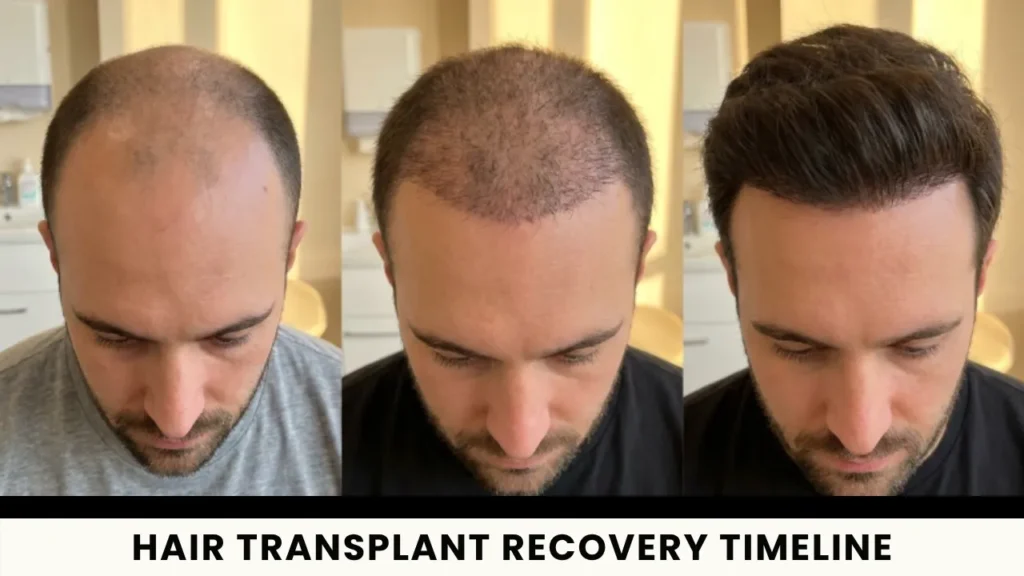
Hair Transplant Recovery Timeline: Day-by-Day, Week-by-Week and Month-by-Month Guide
Hair Transplant Recovery Timeline: Day-by-Day, Week-by-Week and Month-by-Month Guide Free Hair Analysis Homepage Blog Wayne…
Justin Bieber Hair Transplant: Hairline Analysis, Before & After Photos, Rumors & Expert Opinion
Justin Bieber Hair Transplant: Hairline Analysis, Before & After Photos, Rumors & Expert Opinion Free…
Wayne Rooney Hair Transplant: Before & After
Wayne Rooney Hair Transplant: Before & After Free Hair Analysis Homepage Blog Wayne Rooney Hair…

Conor McGregor Hair Transplant: Before & After
Conor McGregor Hair Transplant: Before & After Free Hair Analysis Homepage Blog Conor McGregor Hair…
Turkey Visa Requirements for Hair Transplant in Turkey
Turkey Visa Requirements for Hair Transplant in Turkey Free Hair Analysis Homepage Blog Turkey Visa…
David Silva Hair Transplant: Before & After
David Silva Hair Transplant: Before & After Free Hair Analysis Homepage Blog Discover David Silva…
Ready To
Book Your Appointment?
Reach out to us or complete our simple online form
and we’ll contact you to schedule a time that works perfectly for you.



Frequently Asked Questions