Understanding Hair Loss in Younger Men: Early Intervention Options
Homepage

Blog
Understanding Hair Loss in Younger Men: Early Intervention Options

Medical Reviewed By Dr. Tompi, M.D – Plastic & Aesthetic Surgeon
Written By Nazmi G, Trichologist

Experiencing hair loss in your late teens, twenties, or early thirties can be a particularly distressing experience. While often associated with ageing, the reality is that many men begin to notice significant thinning or a receding hairline long before middle age. This early onset can impact self-confidence, leading to anxiety and a feeling of helplessness.
However, the good news is that early intervention offers the most promising outcomes. Understanding the root causes and acting promptly can make a substantial difference in preserving your existing hair and even stimulating new growth. This comprehensive guide will explore why hair loss occurs in younger men and detail the various effective strategies available to tackle it head-on.
Why Hair Loss Starts Early for Some Men
Hair loss, particularly male pattern baldness (Androgenetic Alopecia), isn't solely an issue for older demographics. For a significant number of men, the genetic predisposition kicks in much earlier. Understanding the factors at play is the first step towards effective management.
- Genetics: The most dominant factor. If your father, grandfathers, or uncles experienced early hair loss, you have a higher likelihood of doing so too. It's not a simple 'bald gene' from your mother's side; it's a complex polygenic trait.
- Hormonal Sensitivity: Androgenetic Alopecia is primarily driven by dihydrotestosterone (DHT), a potent derivative of testosterone. Hair follicles on the scalp, particularly at the crown and temples, can be genetically sensitive to DHT, causing them to shrink (miniaturise) over time. This leads to shorter, finer, and eventually non-existent hair.
- Lifestyle and Environmental Factors: While not primary causes of male pattern baldness, factors like chronic stress, poor nutrition, specific medical conditions, and certain medications can exacerbate hair loss or trigger temporary shedding (Telogen Effluvium), making underlying genetic hair loss appear more pronounced.

Common Causes of Early Male Hair Loss
While Androgenetic Alopecia accounts for the vast majority of early hair loss in men, other conditions can also contribute. A specialist diagnosis is crucial to distinguish between them.
- Androgenetic Alopecia (Male Pattern Baldness): As mentioned, this is the most common cause. It typically manifests as a receding hairline, thinning at the temples, and/or a bald spot on the crown. It's progressive and will worsen without intervention.
- Telogen Effluvium: This is a temporary condition where excessive shedding occurs, often triggered by significant physical or emotional stress, illness, crash dieting, or certain medications. Hair loss is diffuse, meaning it occurs all over the scalp, but usually resolves once the underlying cause is addressed.
- Alopecia Areata: An autoimmune condition where the body's immune system mistakenly attacks hair follicles, leading to sudden, patchy hair loss. While often presenting as small, circular bald spots, it can sometimes affect larger areas.
- Nutritional Deficiencies: Severe deficiencies in iron, zinc, biotin, or protein can impact hair health and lead to shedding.
- Thyroid Issues: Both an overactive and underactive thyroid can cause diffuse hair loss.
Recognising the Early Signs
Catching hair loss early means you have more options and a better chance of successful intervention. Be vigilant for these common indicators:
- Receding Hairline: Often the first noticeable sign. You might observe your hairline moving backward, creating a more pronounced M-shape or simply appearing higher on your forehead.
- Thinning at the Crown: A subtle thinning on the top back of your head, which can be difficult to spot yourself without a mirror or another person's observation.
- Increased Hair Shedding: While losing 50-100 hairs daily is normal, consistently noticing significantly more hair in your shower drain, on your pillow, or in your brush could be a red flag.
- Finer, Weaker Hair: Your hair might feel less dense, individual strands may appear thinner, and it might become harder to style, lacking its usual volume.
- Scalp Visibility: When wet, or under bright light, your scalp might become more visible through your hair than before.
The Importance of Early Diagnosis
Procrastination can be costly when it comes to hair loss. Early diagnosis by a qualified trichologist or dermatologist is paramount for several reasons:
- Accurate Identification: A specialist can accurately diagnose the type and cause of your hair loss, which is essential for prescribing the correct treatment. Self-diagnosis and generic treatments often lead to wasted time and resources.
- Preventative Power: For conditions like Androgenetic Alopecia, treatments are far more effective at preventing further loss and maintaining existing hair than they are at regrowing significant amounts of lost hair. The earlier you start, the more hair you can save.
- Tailored Treatment Plans: Your hair loss is unique. An expert can create a personalised treatment plan that addresses your specific needs, considering the extent of loss, its cause, and your overall health.
- Emotional Support: Dealing with early hair loss can be emotionally challenging. A professional can offer reassurance, realistic expectations, and a clear path forward.
Non-Surgical Early Intervention Options
For younger men, non-surgical treatments are often the first line of defence, aiming to halt progression and stimulate existing follicles. These are most effective when hair loss is mild to moderate.
- Minoxidil (Topical Solution/Foam): Available over-the-counter, Minoxidil is applied directly to the scalp. It works by increasing blood flow to hair follicles and extending the anagen (growth) phase of the hair cycle. It can slow hair loss and, for some, stimulate regrowth, particularly at the crown. Consistency is key, and results typically appear after 3-6 months.
- Finasteride (Oral Medication): A prescription medication, Finasteride works by inhibiting the enzyme 5-alpha-reductase, which converts testosterone into DHT. By reducing DHT levels in the scalp, it significantly slows or stops hair loss and can promote regrowth in many men. It's generally taken daily, and results can be seen after 6-12 months. Potential side effects should be discussed thoroughly with a doctor.
- Platelet-Rich Plasma (PRP) Therapy: This involves drawing a small amount of your blood, processing it to concentrate the platelets (rich in growth factors), and then injecting the PRP into your scalp. These growth factors are believed to stimulate dormant hair follicles and improve hair density. A series of treatments is usually required, followed by maintenance sessions.
- Low-Level Laser Therapy (LLLT): Utilising devices like laser combs, helmets, or caps, LLLT delivers photons to the scalp. The theory is that these photons stimulate cellular metabolism and encourage hair growth. It's a non-invasive option, often used in conjunction with other treatments.
| Treatment | Mechanism | Application/Frequency | Expected Results |
|---|---|---|---|
| Minoxidil | Increases blood flow, extends growth phase | Topical, once or twice daily | Slows loss, some regrowth; 3-6 months for visible results |
| Finasteride | Blocks DHT production | Oral, once daily (prescription) | Halts loss, promotes regrowth; 6-12 months for visible results |
| PRP Therapy | Injects growth factors to stimulate follicles | Injections, multiple sessions then maintenance | Improved density, reduced shedding; results vary |
| LLLT | Stimulates cellular metabolism with light | Device use, several times per week | May improve hair quality and density; adjunctive therapy |
Lifestyle Adjustments and Hair Care
While genetics play a major role, your lifestyle significantly influences your hair's overall health and can either exacerbate or mitigate hair loss. Incorporating healthy habits can support medical treatments.
- Balanced Nutrition: Ensure your diet is rich in essential vitamins and minerals crucial for hair health. These include Biotin (B7), Zinc, Iron, Vitamin D, and sufficient protein. Lean meats, fish, eggs, leafy greens, nuts, and seeds are excellent sources.
- Stress Management: Chronic stress can push hair follicles into a resting phase prematurely, leading to increased shedding. Practise stress-reducing techniques such such as meditation, yoga, regular exercise, or hobbies to manage your mental wellbeing.
- Gentle Hair Care: Avoid harsh chemical treatments, excessive heat styling, and tight hairstyles that pull on the hair follicles. Use mild shampoos and conditioners, and be gentle when towel-drying your hair.
- Adequate Sleep: Good quality sleep is vital for cellular repair and regeneration throughout the body, including hair follicles. Aim for 7-9 hours of uninterrupted sleep each night.
- Hydration: Drinking sufficient water supports overall health, including the health of your scalp and hair.

When to Consider a Hair Transplant
While early intervention often focuses on non-surgical methods, a hair transplant may become a viable option for younger men once their hair loss pattern has stabilised. It's not typically the first solution for diffuse or rapidly progressing hair loss, as the goal is to ensure long-term, natural-looking results.
- Stabilised Hair Loss: The ideal candidate for a hair transplant has a stable hair loss pattern, meaning their hair loss has slowed significantly or stopped progressing. This often occurs in the mid-twenties or later, though individual circumstances vary. Premature transplantation when hair loss is still active can lead to an unnatural appearance as surrounding native hair continues to thin.
- Good Donor Area: A successful transplant relies on a healthy and sufficient donor area (typically the back and sides of the head) from which follicles can be extracted.
- Realistic Expectations: A hair transplant restores hair to balding areas using your own existing hair. It cannot create new hair where none existed and it won't prevent future hair loss in non-transplanted areas. Understanding these limitations is crucial.
- Complementary to Other Treatments: For younger men, a hair transplant is often combined with ongoing non-surgical treatments (like Minoxidil or Finasteride) to maintain the transplanted hair and preserve existing native hair in other areas.
For more detailed information on the optimal timing, you might find our guide, The Best Age for a Hair Transplant: Why Timing Matters in 2026, particularly insightful.
The Role of a Specialist Clinic
Navigating early hair loss requires expertise. Partnering with a specialist clinic like Turkey Hair Center offers a distinct advantage:
- Comprehensive Diagnosis: Our experts conduct thorough evaluations, including trichoscopy (detailed scalp analysis) and, if necessary, blood tests, to pinpoint the exact cause of your hair loss.
- Personalised Treatment Plans: We don't believe in one-size-fits-all solutions. Based on your diagnosis, we develop a bespoke treatment strategy that may combine medical therapies, lifestyle advice, and, when appropriate, surgical considerations.
- Advanced Techniques: Should a hair transplant be recommended, we utilise the latest FUE and DHI techniques, ensuring minimal discomfort and natural-looking results. However, the focus for early intervention is often on non-surgical methods first.
- Ongoing Support and Monitoring: Your journey doesn't end with a diagnosis or initial treatment. We provide continuous support, monitoring your progress and adjusting your plan as needed to ensure the best possible long-term outcomes.
- Patient-First Philosophy: Our commitment is to your health and confidence. We provide honest, transparent advice, empowering you to make informed decisions about your hair restoration journey.
Medical disclaimer: This article is for informational purposes only and is not medical advice. Individual results vary from person to person. Always consult a qualified doctor before any hair transplant procedure.
Get a Free Hair Analysis from Our Experts
Use our free online help tool to communicate your hair loss concerns – it only takes a few minutes. We’ll provide you with a personalized, non-binding quote.
Let’s Call You!

Popular Blogs
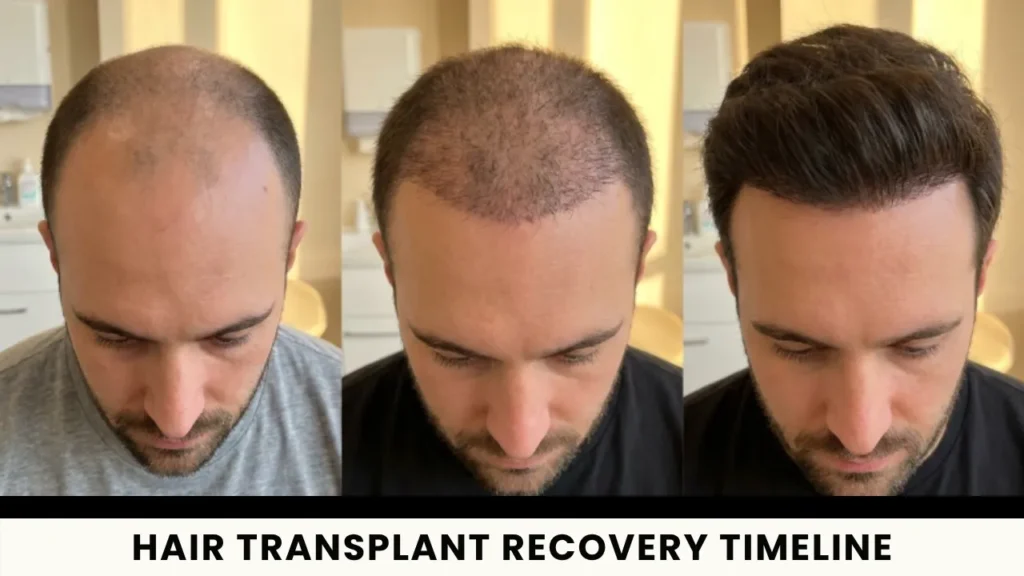
Hair Transplant Recovery Timeline: Day-by-Day, Week-by-Week and Month-by-Month Guide
Hair Transplant Recovery Timeline: Day-by-Day, Week-by-Week and Month-by-Month Guide Free Hair Analysis Homepage Blog Wayne…
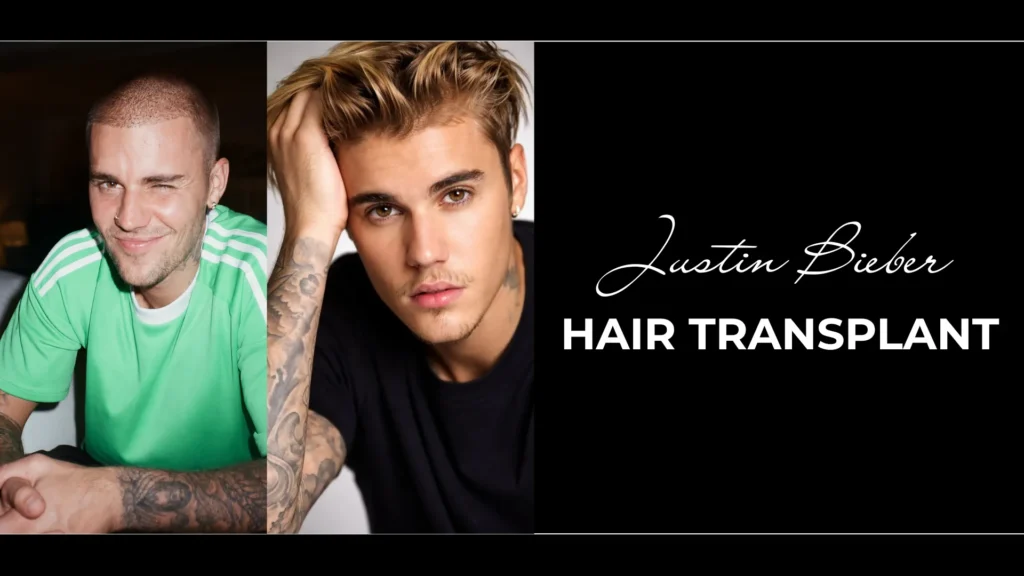
Justin Bieber Hair Transplant: Hairline Analysis, Before & After Photos, Rumors & Expert Opinion
Justin Bieber Hair Transplant: Hairline Analysis, Before & After Photos, Rumors & Expert Opinion Free…
Wayne Rooney Hair Transplant: Before & After
Wayne Rooney Hair Transplant: Before & After Free Hair Analysis Homepage Blog Wayne Rooney Hair…

Conor McGregor Hair Transplant: Before & After
Conor McGregor Hair Transplant: Before & After Free Hair Analysis Homepage Blog Conor McGregor Hair…
Turkey Visa Requirements for Hair Transplant in Turkey
Turkey Visa Requirements for Hair Transplant in Turkey Free Hair Analysis Homepage Blog Turkey Visa…
David Silva Hair Transplant: Before & After
David Silva Hair Transplant: Before & After Free Hair Analysis Homepage Blog Discover David Silva…
Ready To
Book Your Appointment?
Reach out to us or complete our simple online form
and we’ll contact you to schedule a time that works perfectly for you.



Frequently Asked Questions