Hair Transplant Alternatives: Solutions If You're Not a Candidate in 2026
Homepage

Blog
Hair Transplant Alternatives: Solutions If You're Not a Candidate in 2026

Medical Reviewed By Dr. Tompi, M.D – Plastic & Aesthetic Surgeon
Written By Nazmi G, Trichologist

Approximately 30-50% of individuals experiencing hair loss may not be ideal candidates for a hair transplant due to various factors, including insufficient donor hair density, advanced stages of pattern baldness, or underlying medical conditions. While a hair transplant offers a robust solution for many, it is crucial to understand that it is not a universal remedy for everyone facing hair thinning or loss.
Being deemed unsuitable for a hair transplant, however, does not signify the end of your journey towards addressing hair loss. Modern trichology offers a diverse array of non-surgical alternatives and supportive therapies designed to stabilise hair loss, stimulate new growth, and improve the overall density and health of your existing hair. These options range from proven pharmacological treatments to advanced clinical procedures, each with specific mechanisms and benefits.
Understanding Hair Transplant Candidacy
A hair transplant is a surgical procedure that involves relocating healthy hair follicles from a 'donor area' (typically the back or sides of the head) to 'recipient areas' where hair is thinning or absent. The success of this procedure hinges significantly on the quality and quantity of the donor hair available. If the donor area lacks sufficient density or stability, or if the individual's hair loss is too widespread (such as in diffuse unpatterned alopecia), a transplant may not yield satisfactory or natural-looking results.
Furthermore, certain medical conditions, uncontrolled autoimmune disorders, or even an individual's age can influence candidacy. For instance, very young patients (under 25) often have unstable hair loss patterns, making it difficult to predict future balding and design a lasting hairline. A thorough consultation with a hair restoration specialist is always the first step to assess your specific situation and determine the most appropriate course of action.
Topical Treatments: Minoxidil and Finasteride
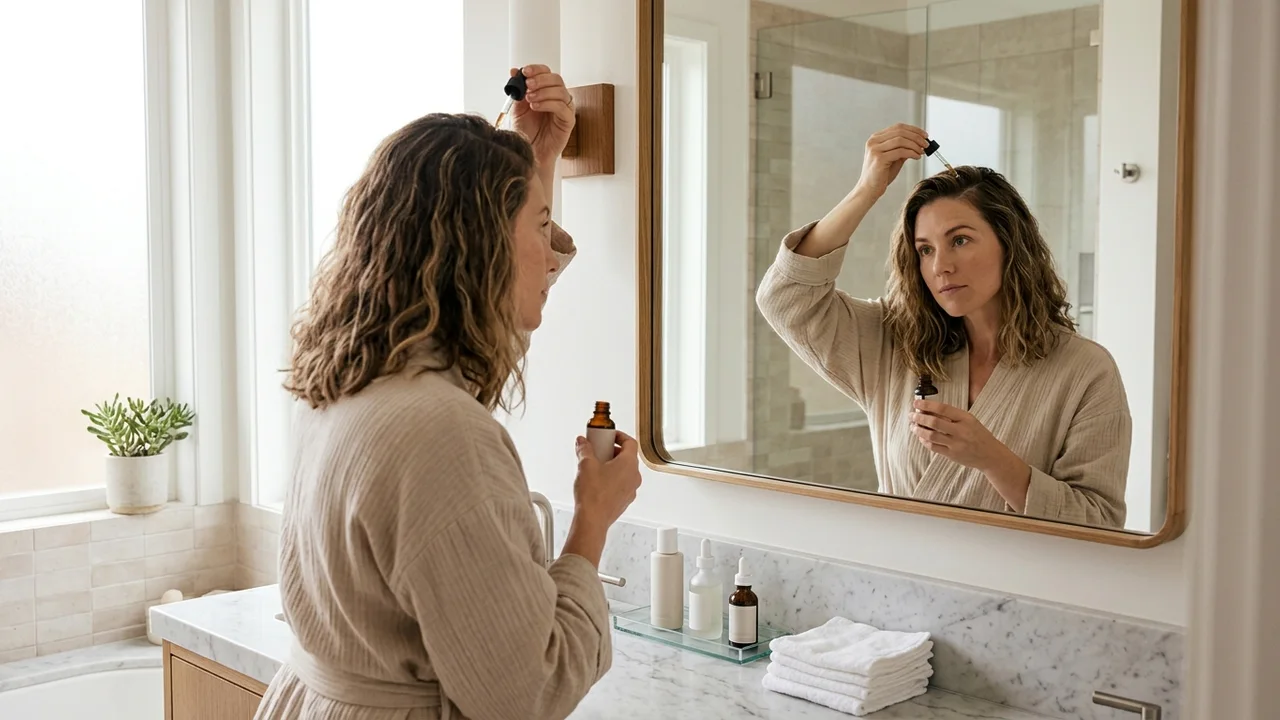
For many individuals not suitable for surgery, pharmacological treatments are the first line of defence. Minoxidil and Finasteride are two of the most widely recognised and clinically proven medications for combating androgenetic alopecia (pattern baldness).
- Minoxidil (Topical Solution/Foam): Available over-the-counter, minoxidil is a vasodilator that, when applied directly to the scalp, is believed to prolong the anagen (growth) phase of hair follicles and increase their size. It can be effective for both men and women and typically requires consistent daily application. Visible results, such as a reduction in shedding and some regrowth, are often observed within three to six months of regular use. It is crucial to continue application indefinitely to maintain results.
- Finasteride (Oral Medication): This prescription-only oral medication works by inhibiting the enzyme 5-alpha-reductase, which converts testosterone into dihydrotestosterone (DHT) – the hormone primarily responsible for pattern hair loss. Finasteride is generally prescribed for men and can significantly slow down hair loss and even promote regrowth in some areas, particularly the crown. Results typically become noticeable after six to twelve months of consistent daily intake. Potential side effects, though rare, should be discussed with a medical professional.
Platelet-Rich Plasma (PRP) Therapy
Platelet-Rich Plasma (PRP) therapy is an increasingly popular non-surgical option that harnesses the body's natural healing capabilities to stimulate hair growth. The procedure involves drawing a small sample of the patient's blood, which is then processed in a centrifuge to separate the platelet-rich plasma. This concentrated plasma, abundant in growth factors, is then carefully injected into the areas of the scalp experiencing thinning hair.
The growth factors in PRP are believed to stimulate dormant hair follicles, increase blood supply to the scalp, and promote thicker, healthier hair shafts. A typical treatment protocol involves an initial series of three to four sessions, usually spaced a month apart, followed by maintenance sessions every six to twelve months to sustain the benefits. PRP is generally well-tolerated, with minimal downtime, making it an appealing option for many.
Low-Level Laser Therapy (LLLT)
Low-Level Laser Therapy (LLLT) is a non-invasive treatment that uses medical-grade lasers or LED lights to stimulate hair follicles. These devices, which can range from in-clinic hoods to at-home helmets, combs, or caps, emit red light at specific wavelengths (e.g., 650-670 nanometres) directly onto the scalp.
The mechanism behind LLLT, known as photobiomodulation, involves the absorption of light energy by the cells in the hair follicles. This absorption is thought to increase cellular activity, improve blood circulation, and reduce inflammation, thereby promoting hair growth and strengthening existing hair. LLLT is a convenient option for long-term management of hair loss, requiring consistent use, often for 15-30 minutes, several times a week. Results can typically be observed after three to six months of regular treatment.
Microneedling for Hair Growth
Microneedling, also known as collagen induction therapy, involves using a device with fine needles to create microscopic punctures on the scalp's surface. These micro-injuries stimulate the body's natural wound-healing response, leading to increased collagen production and the release of growth factors beneficial for hair follicles.
When used for hair restoration, microneedling is often combined with topical treatments like minoxidil or PRP, as the micro-channels created by the needles can enhance the absorption of these active ingredients into the scalp. Typical needle depths range from 0.5mm to 1.5mm, and sessions are usually performed every two to four weeks. While it can be done at home with derma rollers, professional clinic treatments offer controlled depth and hygiene, reducing risks and optimising results.
Nutritional Support and Lifestyle Adjustments
While not standalone cures, optimising your nutrition and lifestyle can play a significant supportive role in managing hair loss, especially when combined with medical treatments. Hair health is intrinsically linked to overall bodily health.
- Balanced Diet: Ensure your diet is rich in essential vitamins and minerals. Key nutrients for hair include iron, zinc, biotin (Vitamin B7), Vitamin D, Vitamin E, and various B vitamins. Lean proteins, omega-3 fatty acids, and antioxidants from fruits and vegetables are also vital.
- Stress Management: Chronic stress can contribute to various forms of hair loss, including telogen effluvium. Practising stress-reduction techniques such as meditation, yoga, or regular exercise can help mitigate its impact.
- Adequate Sleep: Sufficient restful sleep is crucial for cellular regeneration and overall health, including that of your hair follicles.
- Gentle Hair Care: Avoid harsh chemical treatments, excessive heat styling, and tight hairstyles that can pull on hair follicles (traction alopecia). Use gentle shampoos and conditioners suitable for your hair type.

Scalp Micropigmentation (SMP)
For individuals seeking a cosmetic solution without stimulating new hair growth, Scalp Micropigmentation (SMP) offers an innovative alternative. SMP is a highly specialised procedure where natural pigments are applied to the epidermal layer of the scalp, mimicking the appearance of tiny hair follicles.
This technique creates the illusion of a fuller, denser head of hair, effectively concealing areas of thinning or baldness. It is particularly effective for those with diffuse thinning, receding hairlines, or to camouflage scars from previous hair transplants or injuries. SMP provides an immediate, low-maintenance solution that offers a defined hairline and a natural-looking shaved head aesthetic, or increased density for existing hair. It is not a treatment for hair growth but a sophisticated aesthetic enhancement.
Comparing Non-Surgical Hair Loss Treatments
Understanding the differences between these alternatives can help you and your specialist choose the most suitable path:
| Treatment | Mechanism | Application/Frequency | Typical Results Onset | Primary Benefit |
|---|---|---|---|---|
| Minoxidil | Vasodilator, prolongs growth phase | Topical, daily | 3-6 months | Stimulates regrowth, reduces shedding |
| Finasteride | DHT blocker | Oral, daily | 6-12 months | Slows loss, promotes regrowth (men) |
| PRP Therapy | Growth factor stimulation | Injections, monthly (initial) | 3-6 months | Thickens hair, stimulates follicles |
| LLLT | Photobiomodulation | Device, multiple times/week | 3-6 months | Stimulates growth, strengthens hair |
| Microneedling | Collagen induction, enhanced absorption | Topical, bi-weekly/monthly | 3-6 months | Boosts growth, improves product efficacy |
| SMP | Cosmetic pigment application | Procedure, 2-3 sessions | Immediate | Creates illusion of density, conceals baldness |
Medical disclaimer: This article is for informational purposes only and is not medical advice. Individual results vary from person to person. Always consult a qualified doctor before any hair transplant procedure.
Get a Free Hair Analysis from Our Experts
Use our free online help tool to communicate your hair loss concerns – it only takes a few minutes. We’ll provide you with a personalized, non-binding quote.
Let’s Call You!

Popular Blogs
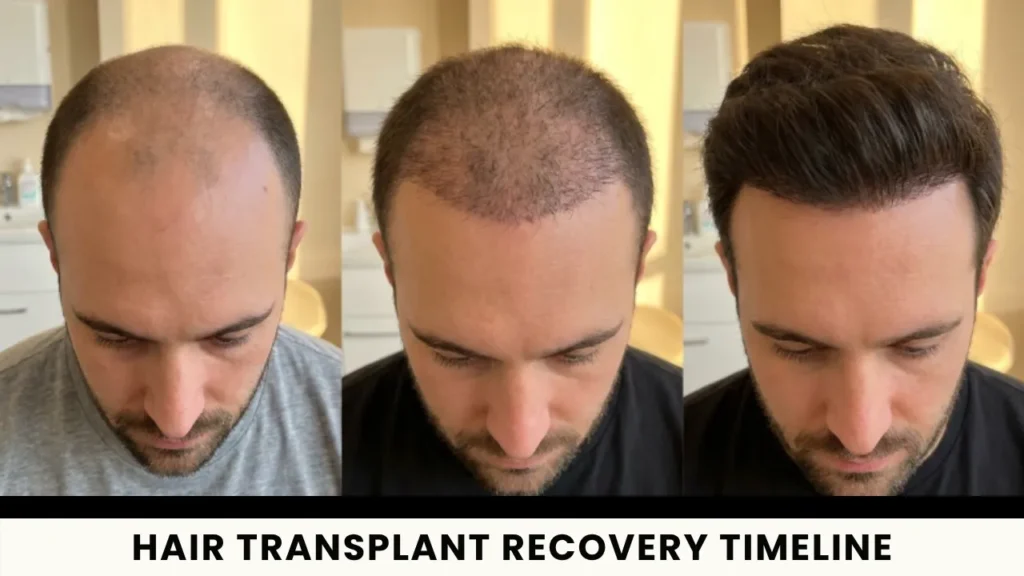
Hair Transplant Recovery Timeline: Day-by-Day, Week-by-Week and Month-by-Month Guide
Hair Transplant Recovery Timeline: Day-by-Day, Week-by-Week and Month-by-Month Guide Free Hair Analysis Homepage Blog Wayne…
Justin Bieber Hair Transplant: Hairline Analysis, Before & After Photos, Rumors & Expert Opinion
Justin Bieber Hair Transplant: Hairline Analysis, Before & After Photos, Rumors & Expert Opinion Free…
Wayne Rooney Hair Transplant: Before & After
Wayne Rooney Hair Transplant: Before & After Free Hair Analysis Homepage Blog Wayne Rooney Hair…

Conor McGregor Hair Transplant: Before & After
Conor McGregor Hair Transplant: Before & After Free Hair Analysis Homepage Blog Conor McGregor Hair…
Turkey Visa Requirements for Hair Transplant in Turkey
Turkey Visa Requirements for Hair Transplant in Turkey Free Hair Analysis Homepage Blog Turkey Visa…
David Silva Hair Transplant: Before & After
David Silva Hair Transplant: Before & After Free Hair Analysis Homepage Blog Discover David Silva…
Ready To
Book Your Appointment?
Reach out to us or complete our simple online form
and we’ll contact you to schedule a time that works perfectly for you.



Frequently Asked Questions