How Hair Calibre and Colour Impact Hair Transplant Results
Homepage

Blog
How Hair Calibre and Colour Impact Hair Transplant Results

Medical Reviewed By Dr. Tompi, M.D – Plastic & Aesthetic Surgeon
Written By Nazmi G, Trichologist

When considering a hair transplant, the conversation often revolves around the number of grafts needed or the latest techniques like FUE or DHI. While these are undoubtedly critical factors, a truly successful and natural-looking outcome hinges significantly on characteristics often overlooked: your existing hair's calibre and colour. These inherent attributes of your hair play a profound role in how density is perceived, how well the transplanted hair blends, and ultimately, the aesthetic harmony of your new hairline.
At Turkey Hair Center, our specialists understand that every patient’s hair is unique. We recognise that achieving optimal results isn't merely about filling bald spots; it's about crafting a natural appearance that complements your individual features. By meticulously analysing your hair's calibre (thickness) and colour, we can develop a customised transplant strategy that maximises visual density and ensures a seamless integration with your existing hair, leading to results that look genuinely yours.
Understanding Hair Calibre: Fine, Medium, and Coarse Hair
Hair calibre refers to the individual thickness of a single hair strand. This seemingly minor detail has a monumental impact on the visual density and coverage achieved after a hair transplant. Generally, hair can be categorised into three main calibres:
- Fine Hair: These strands are delicate and have a smaller diameter. While they offer a softer, more natural feel, fine hair can make the scalp appear less dense, even with a high graft count. Achieving significant visual fullness often requires a greater number of grafts and highly strategic placement to maximise the illusion of density.
- Medium Hair: This is the most common hair calibre, offering a good balance between naturalness and perceived density. Medium-calibre hair is versatile and generally provides excellent results in hair transplantation, as it offers good coverage without appearing overly coarse or unnatural.
- Coarse Hair: With a larger diameter, coarse hair strands provide superior coverage and contribute significantly to perceived density. Fewer grafts of coarse hair can achieve the same visual fullness as a larger number of fine hairs. However, coarse hair requires expert placement to ensure a natural-looking hairline and avoid a 'pluggy' appearance.
The success of a transplant relies on matching the calibre of the donor hair as closely as possible to the existing hair in the recipient area, ensuring a cohesive and natural blend.
The Role of Hair Colour in Visual Density and Coverage
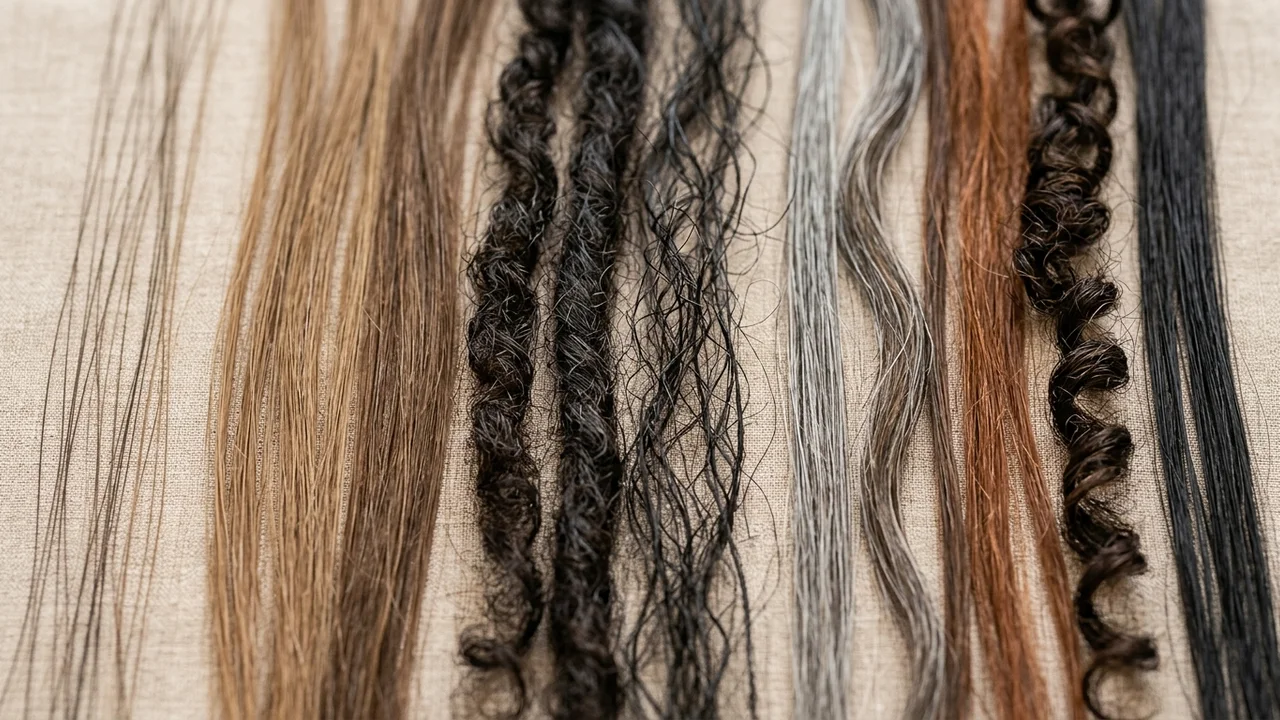
Beyond calibre, hair colour is another critical factor influencing the perceived density of a hair transplant. The contrast between your hair colour and your scalp colour plays a significant role in how noticeable hair loss is, and conversely, how effective a transplant appears.
- High Contrast (e.g., Dark Hair on Light Scalp): When there's a strong contrast, such as dark hair on a fair scalp, thinning hair becomes more apparent because the scalp shows through more readily. For these individuals, a successful transplant can create a dramatic improvement in visual density. However, precise placement is crucial to avoid an unnatural 'helmet-like' appearance, as the dark hair makes any imperfections more visible.
- Low Contrast (e.g., Light Hair on Light Scalp, or Dark Hair on Dark Scalp): Individuals with blonde, grey, or very light brown hair on a fair scalp, or very dark hair on a darker scalp, often have the advantage of less noticeable thinning. The lower contrast means the scalp doesn't show through as much, giving the illusion of greater density even with fewer hair strands. This can be beneficial in transplants, as a slightly lower graft count might still achieve excellent visual results.
- Grey Hair: Grey hair can be advantageous in a transplant as it often blends seamlessly with a lighter scalp, reducing the contrast and enhancing the appearance of density. However, the surgeon must still consider the calibre and texture of the grey hair to ensure a natural outcome.
Understanding this interplay allows our specialists to tailor the transplant plan, focusing on achieving the best possible visual outcome for your unique colour profile.
How Calibre and Colour Influence Graft Placement and Density
The strategic placement of grafts is where the art and science of hair transplantation truly converge, especially when considering hair calibre and colour. A skilled surgeon doesn't just plant grafts; they meticulously plan their distribution to create a natural, dense appearance.
For patients with finer hair, more grafts may be necessary to achieve the desired visual density compared to someone with coarse hair. The surgeon will also pay close attention to the angle and direction of each implanted follicle to ensure it mimics natural hair growth. With coarser hair, fewer grafts can provide substantial coverage, but they must be placed carefully to avoid an overly dense, artificial look, particularly at the hairline.
Hair colour also dictates placement. For high-contrast hair types, grafts might be distributed in a way that softens the transition zones and avoids harsh lines. Blending different calibres or even slightly varied shades (if present in the donor area) can further enhance the naturalness, creating a multi-dimensional look that closely resembles untouched hair. This intricate planning ensures that the final result is not only dense but also incredibly natural-looking.
Hair Texture and Curl Pattern: An Often Overlooked Factor
While calibre and colour are primary, hair texture and curl pattern also significantly influence the final aesthetic of a hair transplant. Hair isn't just straight; it can be wavy, curly, or coily, each type offering unique advantages and challenges.
Curly and coily hair, for instance, provides exceptional visual volume and density due to its natural bounce and ability to cover more scalp area. Even with fewer grafts, the inherent volume of curly hair can create a remarkably full appearance. However, transplanting curly or coily hair, particularly Afro-textured hair, requires specialised expertise due to the curved nature of the hair follicles beneath the skin. Our clinic has dedicated experience in Afro-textured hair transplants, ensuring the integrity of these unique follicles is maintained for optimal growth.
Straight hair, while requiring more direct graft placement for density, offers a sleek and uniform look. Wavy hair strikes a balance, providing some volume while maintaining a natural flow. The surgeon must consider these textures when designing the hairline and distributing grafts to ensure the transplanted hair grows in harmony with the patient's natural curl pattern, contributing to a seamless and undetectable result.
Achieving a Natural Look: The Art of Hair Transplant Design
The ultimate goal of any hair transplant is to achieve a result that looks entirely natural and undetectable. This is where the artistry of the surgeon, combined with a deep understanding of hair characteristics, becomes paramount. Factors like calibre and colour directly inform the hairline design, density distribution, and overall blending.
For instance, fine hair might be strategically placed at the very front of the hairline to create a soft, feathered edge, while medium or coarse hair is used behind it to build density. This mimics the natural progression of hair thickness on an untouched scalp. Similarly, subtle variations in hair colour can be leveraged to create depth and avoid a monochromatic, artificial appearance.
Our specialists at Turkey Hair Center meticulously plan every detail, considering the patient's facial features, age, and natural hair characteristics. This personalised approach ensures that the transplanted hair not only grows successfully but also integrates flawlessly, enhancing the patient's overall appearance without drawing attention to the procedure itself.
Donor Area Considerations: Quality Over Quantity
The success of a hair transplant is intrinsically linked to the quality and characteristics of the donor hair. The donor area, typically the back and sides of the head, must possess hair that closely matches the calibre and colour of the hair in the recipient areas. It's not just about how many grafts can be extracted, but rather the suitability of those grafts.
If the donor hair is significantly finer or has a different colour than the hair on top of the head, even a high graft count might not yield the desired density or blend seamlessly. Our experts thoroughly assess the donor area, taking into account the hair's calibre, colour, density, and follicular unit composition. This comprehensive evaluation ensures that the transplanted hair will grow in harmony with your existing hair, providing a consistent and natural look.
Preserving the integrity and density of the donor area is also crucial to avoid visible thinning or scarring. A skilled surgeon will carefully extract grafts, ensuring sufficient hair remains to maintain a natural appearance in the donor region itself.
The Consultation Process: Why a Detailed Analysis is Key
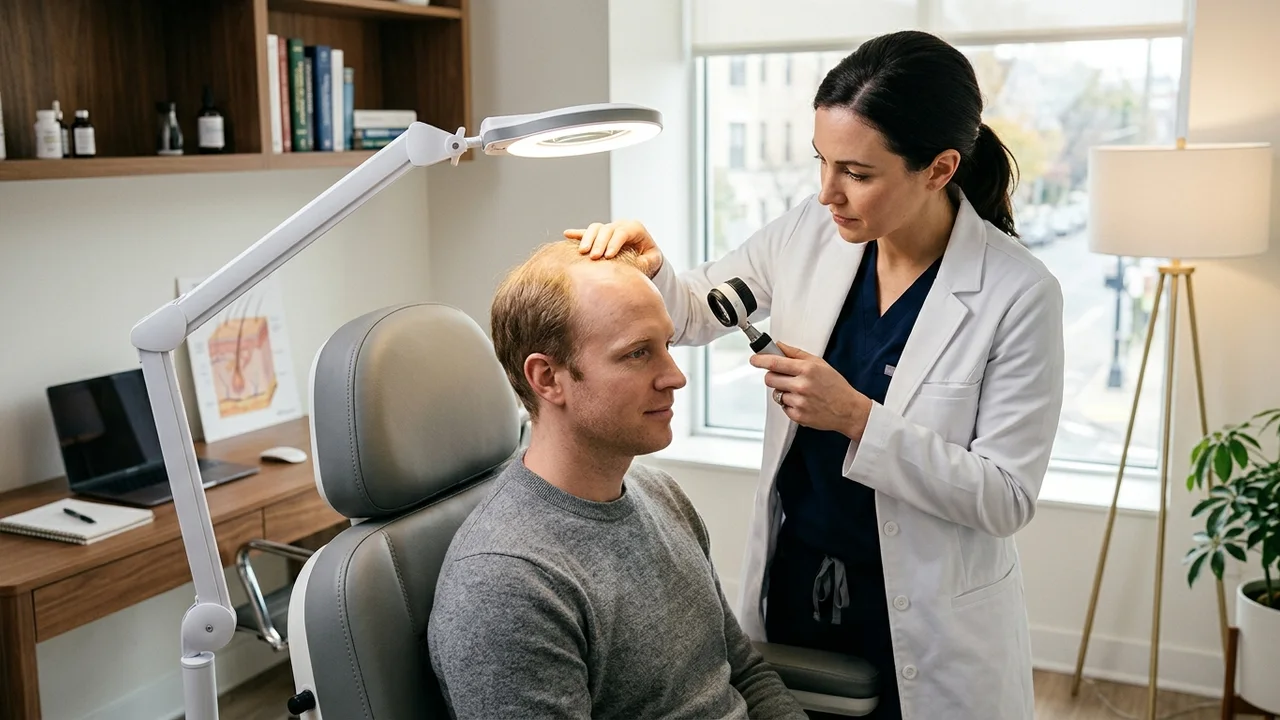
A thorough consultation is the cornerstone of a successful hair transplant, particularly when considering the nuances of hair calibre and colour. During this crucial stage, our specialists conduct a detailed analysis of your hair and scalp, going far beyond a simple graft count estimation.
We examine your existing hair's thickness, texture, and colour variations across different areas of your scalp. We also assess the quality and quantity of your donor hair, determining how well it matches the recipient areas. This comprehensive evaluation allows us to formulate a highly personalised treatment plan that takes into account your unique hair characteristics and your aesthetic goals.
This is also the opportunity for you to discuss your expectations. Our team will provide honest, professional advice on what can realistically be achieved based on your specific hair type, ensuring you have a clear understanding of the process and the potential outcomes. This transparent approach is vital for managing expectations and achieving patient satisfaction.
Managing Expectations Based on Your Hair Characteristics
Understanding how your hair calibre and colour influence transplant results is crucial for managing expectations. While a hair transplant can dramatically improve your appearance, the final outcome will always be influenced by your natural hair characteristics.
For instance, individuals with naturally fine hair might achieve a softer, more subtle density compared to someone with coarse hair, even with the same number of grafts. Similarly, the contrast between your hair and scalp colour will affect the perceived fullness. It's important to remember that the goal is not to achieve an unrealistic density, but rather a natural, age-appropriate look that complements your features.
Our team at Turkey Hair Center is committed to providing realistic assessments and guiding you through every step. By combining advanced techniques with a deep understanding of individual hair characteristics, we strive to achieve the best possible aesthetic outcome for each patient, delivering results that are both effective and genuinely natural-looking.
| Hair Calibre | Perceived Density | Graft Requirement for Similar Visual Density | Key Considerations |
|---|---|---|---|
| Fine | Lower | Higher | Can appear less dense, but offers soft, natural look. Requires skilled placement. |
| Medium | Moderate | Moderate | Versatile, good balance of density and naturalness. Most common. |
| Coarse | Higher | Lower | Provides excellent coverage and density. Can appear less natural if not blended well. |
Medical disclaimer: This article is for informational purposes only and is not medical advice. Individual results vary from person to person. Always consult a qualified doctor before any hair transplant procedure.
Get a Free Hair Analysis from Our Experts
Use our free online help tool to communicate your hair loss concerns – it only takes a few minutes. We’ll provide you with a personalized, non-binding quote.
Let’s Call You!

Popular Blogs
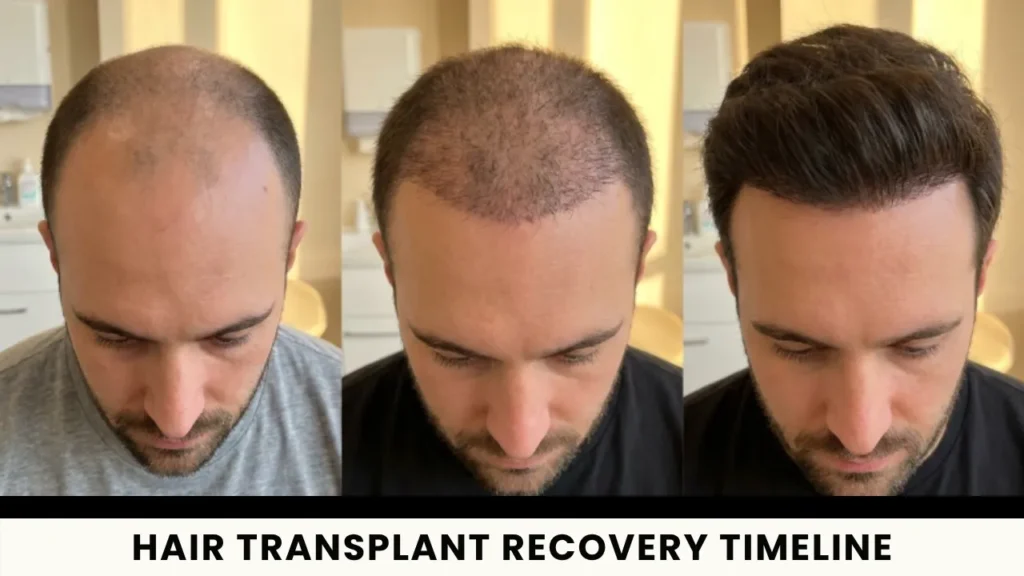
Hair Transplant Recovery Timeline: Day-by-Day, Week-by-Week and Month-by-Month Guide
Hair Transplant Recovery Timeline: Day-by-Day, Week-by-Week and Month-by-Month Guide Free Hair Analysis Homepage Blog Wayne…
Justin Bieber Hair Transplant: Hairline Analysis, Before & After Photos, Rumors & Expert Opinion
Justin Bieber Hair Transplant: Hairline Analysis, Before & After Photos, Rumors & Expert Opinion Free…
Wayne Rooney Hair Transplant: Before & After
Wayne Rooney Hair Transplant: Before & After Free Hair Analysis Homepage Blog Wayne Rooney Hair…

Conor McGregor Hair Transplant: Before & After
Conor McGregor Hair Transplant: Before & After Free Hair Analysis Homepage Blog Conor McGregor Hair…
Turkey Visa Requirements for Hair Transplant in Turkey
Turkey Visa Requirements for Hair Transplant in Turkey Free Hair Analysis Homepage Blog Turkey Visa…
David Silva Hair Transplant: Before & After
David Silva Hair Transplant: Before & After Free Hair Analysis Homepage Blog Discover David Silva…
Ready To
Book Your Appointment?
Reach out to us or complete our simple online form
and we’ll contact you to schedule a time that works perfectly for you.



Frequently Asked Questions