PRP Hair Treatment: Does It Boost Transplant Results?
Homepage

Blog
PRP Hair Treatment: Does It Boost Transplant Results?

Medical Reviewed By Dr. Tompi, M.D – Plastic & Aesthetic Surgeon
Written By Nazmi G, Trichologist

PRP therapy is a supportive treatment for hair transplantation, not a replacement. The procedure uses platelet-rich plasma derived from your own blood, which is injected to support follicle health and healing. A typical protocol involves one session during the transplant surgery, followed by several more over the subsequent months to aid graft maturation and strengthen existing hair.
While hair transplantation is the most effective surgical method for restoring hair, clinical practice continually evolves to improve outcomes. Platelet-Rich Plasma (PRP) therapy has emerged as a widely adopted adjunctive treatment intended to support the healing process and enhance the final results of both the transplanted follicles and the surrounding native hair.
At Turkey Hair Center, patients frequently ask whether adding PRP to their procedure is genuinely beneficial. This guide provides a clinical perspective on the science and practical application of this combination therapy, helping you determine if it aligns with your hair restoration goals for 2026.
Understanding Hair Transplants: A Brief Overview
A hair transplant is a surgical procedure that relocates hair follicles from a donor site—usually the back and sides of the head where hair is genetically resistant to balding—to a recipient area experiencing thinning or baldness. Modern techniques like Follicular Unit Extraction (FUE), Sapphire FUE, and Direct Hair Implantation (DHI) involve the precise extraction and implantation of individual follicular units to create a natural and dense result.
A successful outcome depends on the surgeon's skill, the viability of the transplanted grafts, and the patient's adherence to post-operative care. Clinics incorporate adjunctive therapies like PRP to create the optimal physiological environment for graft survival, accelerate healing, and potentially improve the aesthetic density of the final result. For a detailed breakdown of the post-operative phase, our guide on the Hair Transplant Recovery Timeline offers further insight.
What is PRP Therapy and How Does It Work for Hair?
Platelet-Rich Plasma (PRP) therapy uses a concentration of a patient's own platelets to support tissue repair and stimulate cellular activity. Platelets are blood components rich in growth factors—proteins essential for the body's healing and regenerative processes.
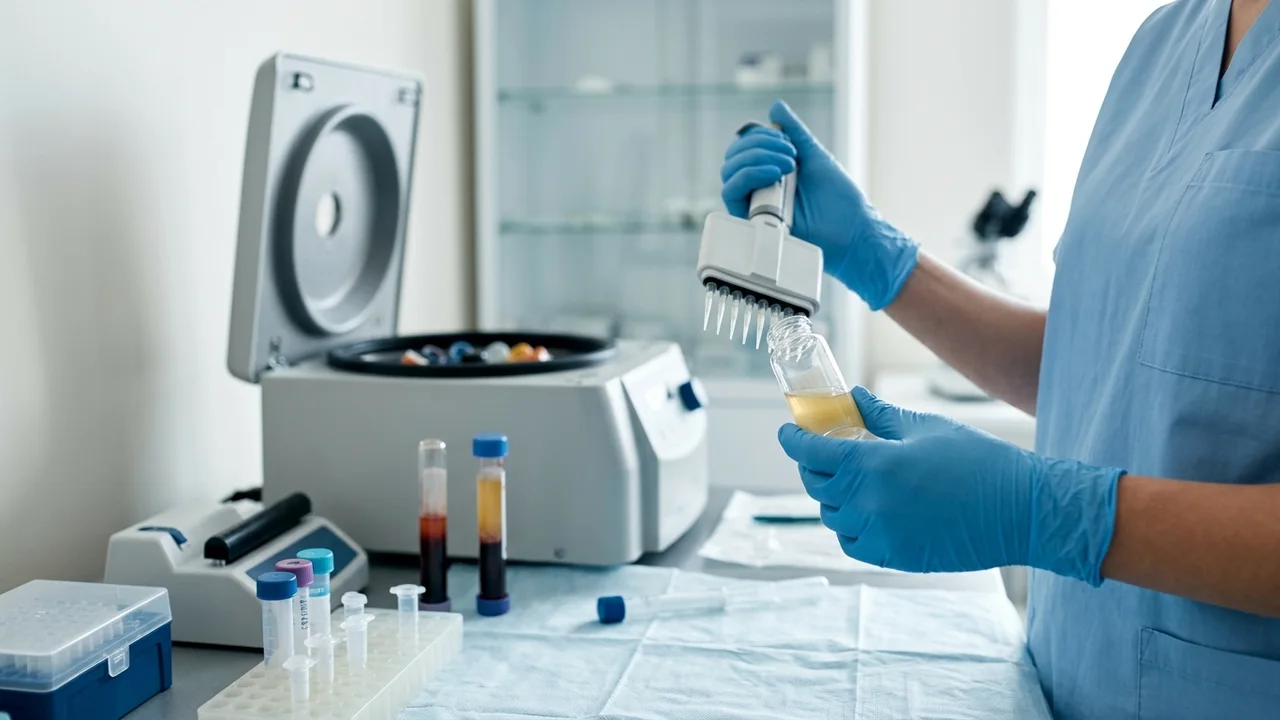
The procedure begins with a simple blood draw. This blood is then processed in a centrifuge to isolate the platelet-rich plasma. The resulting concentrate is injected directly into the scalp in the areas requiring treatment. In the context of hair restoration, PRP is understood to function by:
- Stimulating follicles that are dormant or miniaturising.
- Promoting the growth phase (anagen) of existing hair.
- Increasing blood circulation to the follicles.
- Reducing inflammation around the follicle.
- Potentially increasing the thickness of the hair shaft.
PRP therapy leverages the body's intrinsic healing mechanisms to improve the scalp environment and support follicle function.
The Rationale Behind Combining PRP with Hair Transplants
The clinical rationale for adding PRP to a hair transplant procedure targets several key stages of healing and graft integration. Transplanted follicles are temporarily removed from their blood supply and are vulnerable during this transition. PRP's growth factors are thought to provide critical support during this period.
- Improve Graft Survival: The growth factors may nourish newly implanted follicles, helping them establish a new blood supply and improving their survival rate.
- Accelerate Healing: PRP can promote faster tissue regeneration in both the donor and recipient sites, potentially shortening the initial recovery period.
- Reduce Inflammation: Its anti-inflammatory properties may help minimise post-operative swelling and discomfort.
- Strengthen Existing Hair: Beyond the grafts, PRP injections can also invigorate surrounding native hair that may be thinning, contributing to overall density.
- Support Hair Growth Cycles: By enriching the scalp environment, PRP aims to encourage a more robust and timely entry of transplanted hairs into their growth phase.
This combined approach is designed to optimise every aspect of the surgical outcome, from healing to the final aesthetic appearance.
Evidence and Clinical Perspectives: Does Science Support the Combination?
The efficacy of PRP in hair restoration is an active area of clinical research. Multiple studies have evaluated PRP both as a standalone treatment for androgenetic alopecia and as an adjunct to hair transplantation. Many of these studies report positive findings, such as increased hair density and shaft diameter. However, the scientific community is still working to standardise optimal protocols, including platelet concentration levels, injection timing, and the necessary number of sessions.
From a clinical perspective, most hair restoration surgeons view PRP as a valuable supportive therapy rather than a guaranteed solution. It cannot regrow hair on a completely bald scalp where follicles are absent. At Turkey Hair Center, we offer PRP as an option to enhance the surgical result, based on favourable clinical observations and its excellent safety profile. Patients should maintain realistic expectations and understand that it is a tool to improve, not replace, a well-executed transplant.
How PRP is Integrated into the Hair Transplant Process
When combined with a hair transplant, PRP can be applied at different points in the procedure, depending on the clinic's protocol.
- Pre-operative Application: A less common approach involves a PRP session weeks before surgery to prepare the scalp and improve its vascularity.
- Intra-operative Application: PRP can be used as a holding solution to bathe and preserve extracted grafts. It can also be injected into the recipient site incisions just before the grafts are placed to enrich the local environment.
- Post-operative Application: This is the most common method. An initial PRP session is performed immediately after graft placement or within the first few days. This is typically followed by a series of 2-4 additional sessions, often at monthly intervals, to support healing and stimulate the new growth cycle.
The exact protocol, including the timing and number of sessions, will be determined by your surgeon based on your specific case.
Potential Benefits of Combined PRP and Hair Transplant Therapy
Patients who opt for a combined approach are seeking to maximise the outcome of their procedure. The potential advantages observed in clinical practice include:
- Accelerated Healing and Recovery: Growth factors can speed up wound healing, potentially reducing redness and scabbing in both donor and recipient areas.
- Support for Graft Survival Rates: A nutrient-rich environment may help a higher percentage of transplanted follicles successfully integrate and thrive.
- Reduced Post-Operative Shock Loss: PRP may help mitigate the severity and duration of telogen effluvium, the temporary shedding of hair that often follows surgery.
- Improved Hair Calibre and Density: By stimulating existing miniaturised hairs, PRP can contribute to a thicker feel and denser appearance overall.
- Enhanced Naturalness of Results: Healthier grafts and stronger native hair work together to produce a more robust and aesthetically pleasing final outcome.
These collective benefits aim to deliver a more efficient and satisfactory hair restoration result.

Who is a Suitable Candidate for PRP and Hair Transplant Combination?
The combination of PRP with a hair transplant is beneficial for specific patient profiles but is not a universal requirement. Ideal candidates often include:
- Individuals with diffuse thinning alongside areas of baldness, where existing hair can also be strengthened.
- Patients seeking to maximise the outcome of their investment by supporting graft health and accelerating recovery.
- Those who have a significant number of miniaturised, weaker hairs that could benefit from stimulation.
- Patients who understand the supportive role of PRP and have realistic expectations for its adjunctive benefits.
A detailed consultation with a hair transplant surgeon is essential. The surgeon will evaluate your pattern of hair loss, donor quality, and overall health to advise whether adding PRP is a clinically sound recommendation for you.
Considering PRP with Your Hair Transplant in Turkey
Turkey is a global centre for hair restoration, with clinics offering advanced surgical techniques and comprehensive care. Many leading Turkish clinics, including Turkey Hair Center, provide PRP therapy as a standard or optional part of their hair transplant packages. This allows patients to access sophisticated combination treatments that may be prohibitively expensive elsewhere.
When selecting a clinic in Turkey, it is important to verify that they follow established protocols for PRP preparation and application. Prioritise clinics that provide transparent information about their procedures, offer in-depth consultations, and demonstrate a commitment to patient safety and long-term results. For further guidance, our article on Hair Transplant in Turkey 2026 provides a comprehensive overview.
| Feature | Hair Transplant Alone | Hair Transplant with PRP |
|---|---|---|
| Graft Survival | High with proper technique | Potentially enhanced support |
| Healing Time | Standard recovery timeline | Potentially accelerated |
| Shock Loss Reduction | Natural recovery process | Potentially reduced severity |
| Existing Hair Stimulation | Minimal indirect effect | Direct stimulation intended |
| Overall Hair Density | Result from transplanted grafts | Result from grafts + strengthened existing hair |
| Post-Op Discomfort | Managed with standard care | Potentially minimised |
| Cost | Base procedure cost | Additional cost for PRP sessions |
Medical disclaimer: This article is for informational purposes only and is not medical advice. Individual results vary from person to person. Always consult a qualified doctor before any hair transplant procedure.
Get a Free Hair Analysis from Our Experts
Use our free online help tool to communicate your hair loss concerns – it only takes a few minutes. We’ll provide you with a personalized, non-binding quote.
Let’s Call You!

Popular Blogs
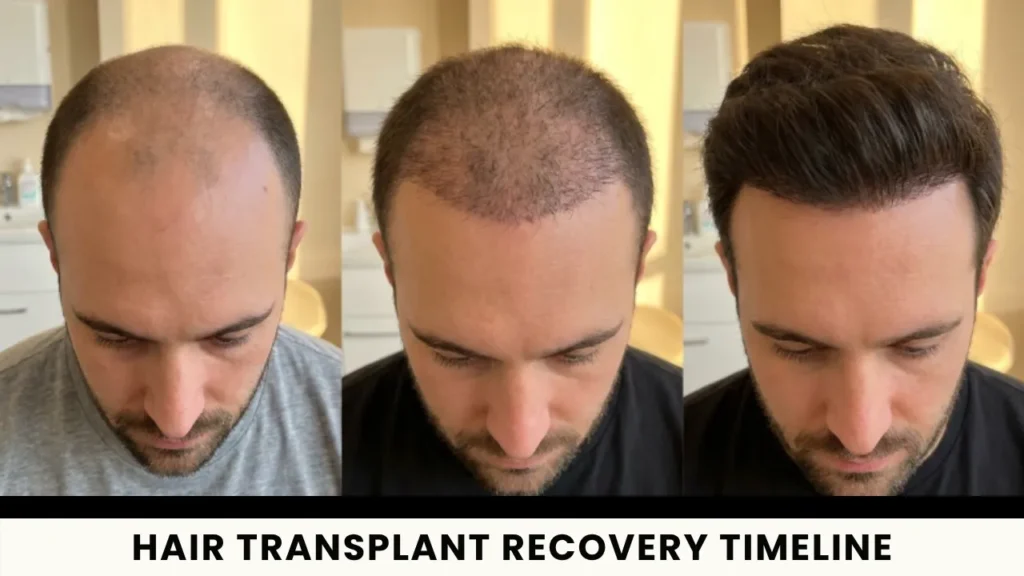
Hair Transplant Recovery Timeline: Day-by-Day, Week-by-Week and Month-by-Month Guide
Hair Transplant Recovery Timeline: Day-by-Day, Week-by-Week and Month-by-Month Guide Free Hair Analysis Homepage Blog Wayne…
Justin Bieber Hair Transplant: Hairline Analysis, Before & After Photos, Rumors & Expert Opinion
Justin Bieber Hair Transplant: Hairline Analysis, Before & After Photos, Rumors & Expert Opinion Free…
Wayne Rooney Hair Transplant: Before & After
Wayne Rooney Hair Transplant: Before & After Free Hair Analysis Homepage Blog Wayne Rooney Hair…

Conor McGregor Hair Transplant: Before & After
Conor McGregor Hair Transplant: Before & After Free Hair Analysis Homepage Blog Conor McGregor Hair…
Turkey Visa Requirements for Hair Transplant in Turkey
Turkey Visa Requirements for Hair Transplant in Turkey Free Hair Analysis Homepage Blog Turkey Visa…
David Silva Hair Transplant: Before & After
David Silva Hair Transplant: Before & After Free Hair Analysis Homepage Blog Discover David Silva…
Ready To
Book Your Appointment?
Reach out to us or complete our simple online form
and we’ll contact you to schedule a time that works perfectly for you.



Frequently Asked Questions