The Hair Transplant Surgical Team: Roles and Importance in Your Procedure
Homepage

Blog
The Hair Transplant Surgical Team: Roles and Importance in Your Procedure

Medical Reviewed By Dr. Tompi, M.D – Plastic & Aesthetic Surgeon
Written By Nazmi G, Trichologist

When considering a hair transplant, it’s natural to focus on the lead surgeon and the chosen technique. However, the true cornerstone of a successful, safe, and aesthetically pleasing hair restoration journey lies not with a single individual, but with the entire surgical team working in harmony. From your initial consultation through to the intricate procedure itself and your subsequent aftercare, a dedicated, skilled, and cohesive team is indispensable, ensuring every aspect of your experience is handled with precision and professional care.
At Turkey Hair Center, we understand that exceptional results are a collaborative effort. Your hair transplant procedure is a complex medical and artistic undertaking, requiring a diverse group of specialists, each bringing unique expertise to the table. This article will delve into the critical roles within a hair transplant surgical team, explaining why their collective proficiency and commitment are paramount to achieving the natural-looking, lasting outcomes you desire.
The Core Philosophy: Why the Team Matters
A hair transplant is far more than just moving grafts from one area to another; it's a meticulously planned and executed medical procedure. While the lead surgeon provides the overarching vision and performs key surgical aspects, the detailed work, patient safety, comfort, and logistical coordination are shared responsibilities. A well-orchestrated team mitigates risks, enhances efficiency, and most importantly, optimises the survival rate of transplanted grafts and the aesthetic quality of the final result. Each member's contribution is vital, creating a seamless experience that prioritises your well-being and satisfaction.
The Lead Surgeon: Vision, Expertise, and Oversight
The lead hair transplant surgeon is the conductor of this intricate orchestra. Their role extends beyond mere graft extraction and implantation. They are responsible for:
- Diagnosis and Treatment Plan: Assessing your hair loss pattern, donor area suitability, and overall health to determine the best technique (e.g., FUE, DHI) and graft count.
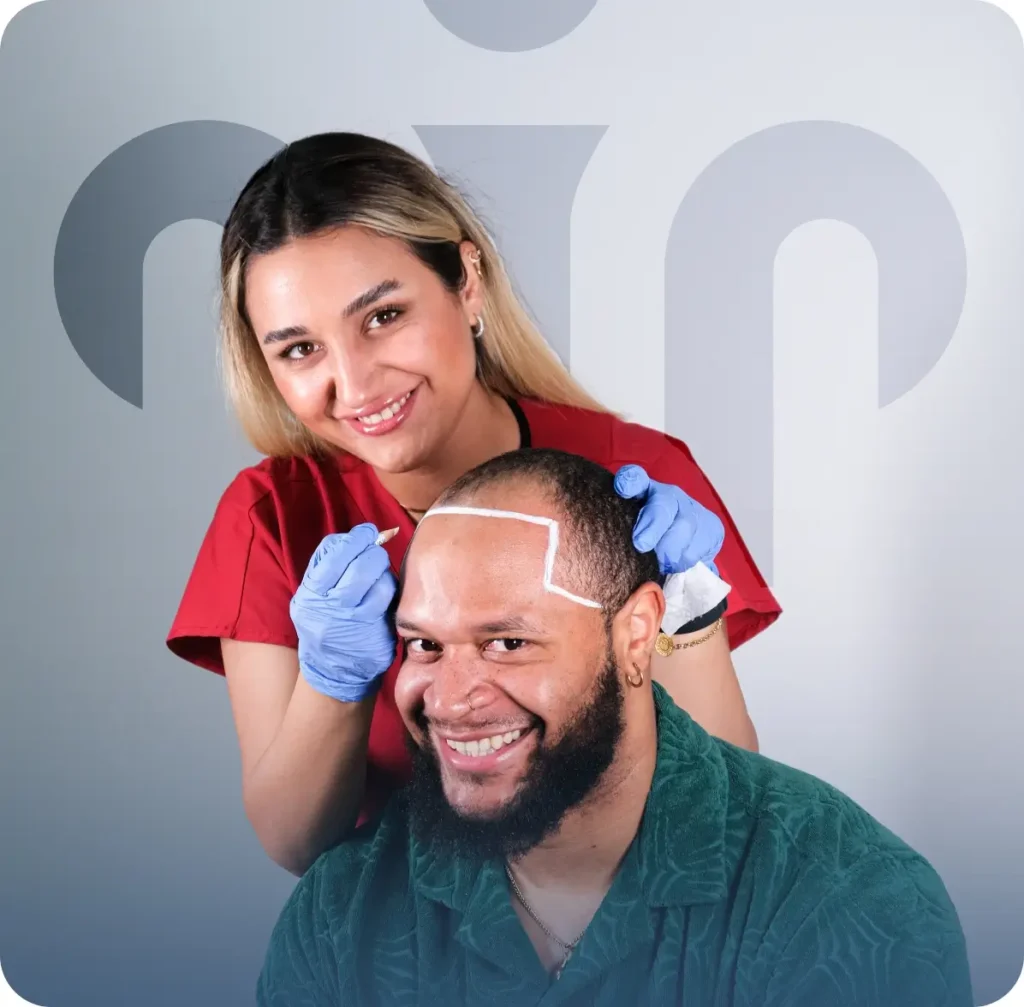
- Hairline Design: This is perhaps the most artistic and critical aspect, requiring an eye for natural aesthetics to create a hairline that complements your facial structure and age.
- Surgical Supervision: Overseeing every stage of the procedure, ensuring adherence to the highest medical standards and making real-time adjustments as necessary.
- Medical Responsibility: Bearing the ultimate responsibility for your safety and the surgical outcome.
Their extensive training, experience, and artistic sensibility are foundational to a successful transplant.
The Hair Transplant Technicians: Precision and Dedication
Often the unsung heroes of the procedure, hair transplant technicians play an incredibly hands-on and vital role. Under the surgeon's direction, their responsibilities typically include:
- Graft Extraction (Assisted): In FUE procedures, skilled technicians often assist in the precise extraction of individual follicular units from the donor area, ensuring minimal damage and optimal viability.
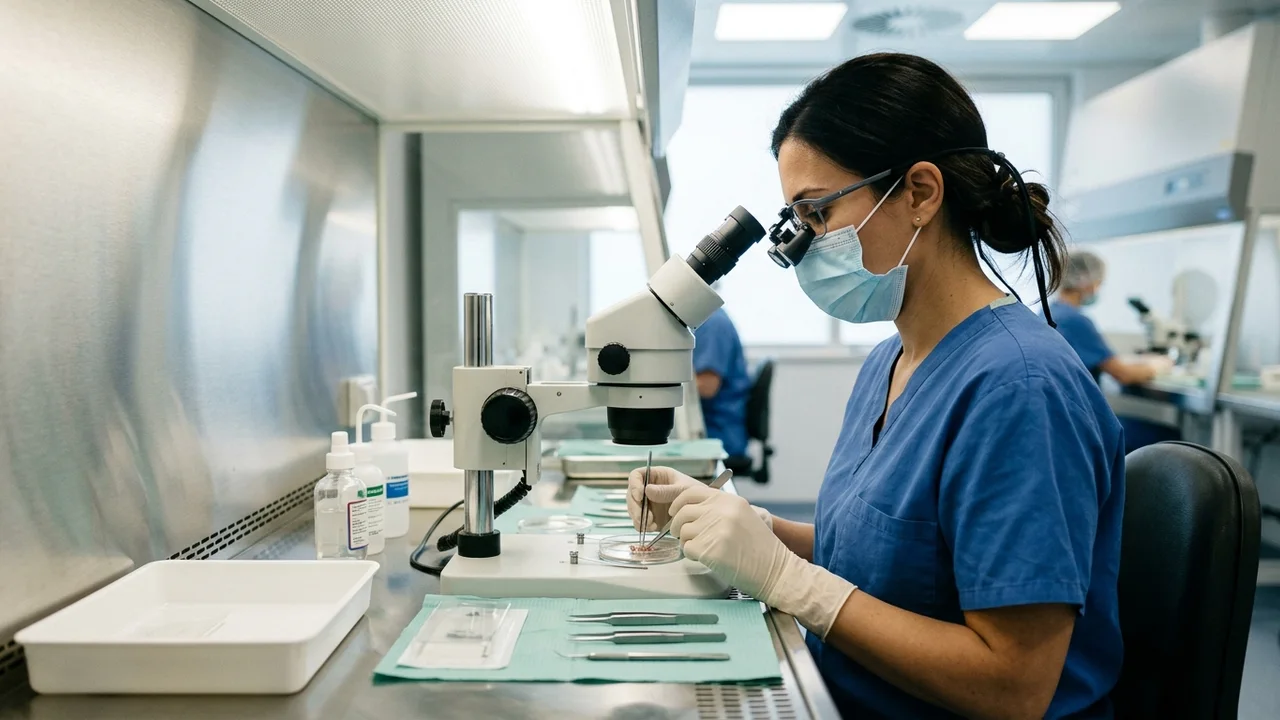
- Graft Preparation: This is a crucial step. Technicians meticulously sort, trim, and prepare each follicular unit under high-powered microscopes, ensuring they are ready for implantation and have the best chance of survival. This stage directly impacts graft viability and therefore, the final density and naturalness.
- Recipient Site Incisions (Assisted): In some clinics, highly trained technicians may assist the surgeon in making the tiny incisions in the recipient area, following the surgeon's design for angle, direction, and density.
- Graft Implantation: The delicate placement of each prepared graft into the recipient sites, ensuring correct depth, angle, and direction for a natural growth pattern.
Their dexterity, patience, and meticulous attention to detail are paramount for both the survival of the grafts and the aesthetic quality of the outcome.
The Anaesthetist: Ensuring Your Comfort and Safety
While hair transplant procedures are typically performed under local anaesthesia, the presence of a qualified anaesthetist or a medical doctor trained in anaesthesia is a significant indicator of patient safety and clinic quality. Their role includes:
- Pain Management: Administering and monitoring local anaesthesia to ensure you remain comfortable and pain-free throughout the lengthy procedure.
- Vital Sign Monitoring: Continuously tracking your heart rate, blood pressure, oxygen levels, and other vital signs to detect and address any potential issues immediately.
- Emergency Preparedness: Being equipped and trained to handle any rare adverse reactions or medical emergencies that might arise, providing an essential layer of safety.
Their expertise allows you to relax knowing your physiological well-being is expertly managed.
The Clinical Nurses: Comprehensive Care and Support
Clinical nurses are integral to your journey, providing care and support at every stage. Their roles often encompass:
- Pre-operative Assessment: Conducting initial health checks, reviewing your medical history, and preparing you for the procedure.
- Sterilisation and Hygiene: Ensuring the operating environment, instruments, and equipment are fully sterilised to prevent infection – a fundamental aspect of patient safety.
- Intra-operative Assistance: Assisting the surgeon and technicians during the procedure, passing instruments, monitoring patient comfort, and ensuring a smooth workflow.
- Post-operative Care Instructions: Providing detailed verbal and written instructions for aftercare, including medication schedules, washing protocols, and what to expect during recovery.
- Patient Education: Answering your questions and alleviating concerns, acting as a crucial link between you and the medical team.
Their compassionate care and medical knowledge are invaluable for a positive experience.
The Patient Coordinator: Your Guide Through the Journey
For international patients, especially, the patient coordinator is often your first and most consistent point of contact, acting as your personal guide. Their role is to simplify the entire process, including:
- Initial Consultation and Information: Providing comprehensive information about the procedure, costs, and what to expect.
- Logistical Support: Assisting with travel arrangements, accommodation bookings, and airport transfers, particularly for those travelling to Istanbul.
- Translation Services: Bridging any language barriers to ensure clear communication between you and the medical team.
- Scheduling and Follow-up: Arranging your appointments and ensuring you receive timely follow-up care instructions.
- Emotional Support: Offering reassurance and addressing any concerns you might have before, during, and after your procedure.
They ensure your journey is as stress-free and smooth as possible.

Beyond the Operating Room: Support Staff and Clinic Infrastructure
A top-tier hair transplant clinic extends its commitment to excellence beyond the immediate surgical team. This includes:
- Administrative Staff: Managing appointments, records, and ensuring the smooth operation of the clinic.
- Cleaning and Maintenance Crews: Maintaining impeccable hygiene standards throughout the facility, which is critical for preventing infections.
- Quality Control and Training Teams: Ensuring all staff are up-to-date with the latest techniques and safety protocols through continuous training and auditing.
The overall infrastructure, from the quality of equipment to the cleanliness of the facility, reflects the clinic's dedication to patient care.
Choosing Your Clinic: Prioritising Team Quality
When selecting a clinic for your hair transplant in 2026, looking beyond just the surgeon's name or the price tag is crucial. Investigate the composition and experience of the entire team. A clinic that openly discusses its team's roles, qualifications, and collaborative approach demonstrates transparency and a genuine commitment to patient outcomes. Don't hesitate to ask questions about the technicians' experience, the presence of an anaesthetist, and the support staff available to you.
The Turkey Hair Center Approach: A Cohesive Team for Superior Results
At Turkey Hair Center, we pride ourselves on our highly skilled and cohesive hair transplant surgical team. Each member, from our distinguished lead surgeons to our meticulous technicians, vigilant nurses, and supportive patient coordinators, is rigorously trained and dedicated to achieving the best possible results for every individual. We believe that this unified, patient-centric approach, combined with state-of-the-art facilities and advanced techniques, is what truly sets us apart and ensures a transformative and positive experience for our patients.
Here’s a summary of the key roles within a hair transplant surgical team and their primary responsibilities:
| Role | Primary Responsibilities | Impact on Procedure |
|---|---|---|
| Lead Surgeon | Diagnosis, treatment planning, hairline design, surgical oversight, ultimate medical responsibility. | Defines aesthetic outcome, ensures overall safety and medical integrity. |
| Hair Transplant Technicians | Graft extraction assistance, meticulous graft preparation, implantation of follicular units. | Directly influences graft survival, density, and naturalness of growth. |
| Anaesthetist / Medical Doctor | Administering local anaesthesia, vital sign monitoring, emergency preparedness. | Ensures patient comfort, pain management, and critical safety during the procedure. |
| Clinical Nurses | Pre-op assessment, sterilisation, intra-op assistance, post-op care instructions, patient education. | Provides comprehensive patient care, maintains hygiene, and supports recovery. |
| Patient Coordinator | Information provision, logistical support, translation, scheduling, emotional support. | Simplifies patient journey, ensures clear communication, reduces stress. |
Medical disclaimer: This article is for informational purposes only and is not medical advice. Individual results vary from person to person. Always consult a qualified doctor before any hair transplant procedure.
Get a Free Hair Analysis from Our Experts
Use our free online help tool to communicate your hair loss concerns – it only takes a few minutes. We’ll provide you with a personalized, non-binding quote.
Let’s Call You!

Popular Blogs
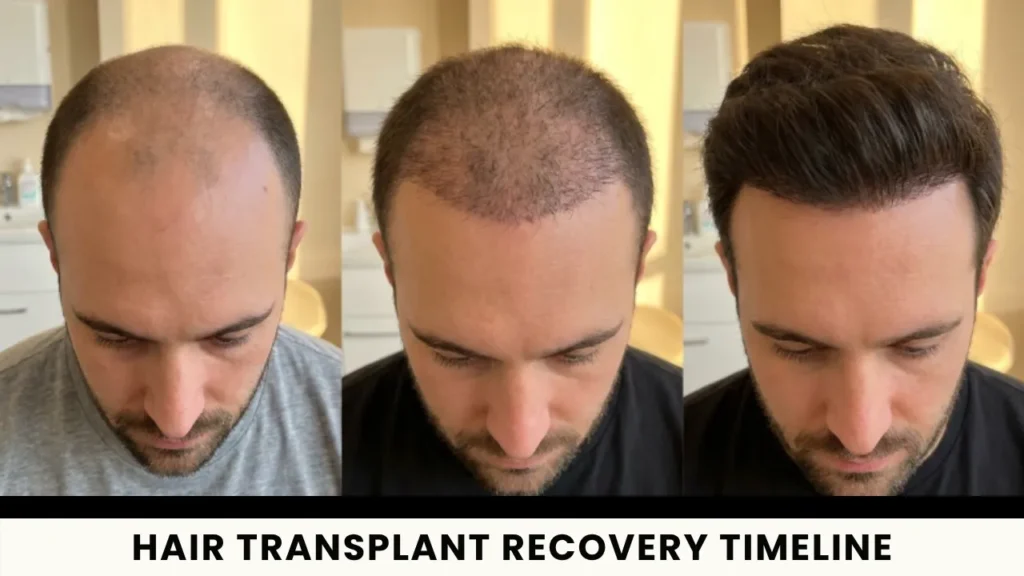
Hair Transplant Recovery Timeline: Day-by-Day, Week-by-Week and Month-by-Month Guide
Hair Transplant Recovery Timeline: Day-by-Day, Week-by-Week and Month-by-Month Guide Free Hair Analysis Homepage Blog Wayne…
Justin Bieber Hair Transplant: Hairline Analysis, Before & After Photos, Rumors & Expert Opinion
Justin Bieber Hair Transplant: Hairline Analysis, Before & After Photos, Rumors & Expert Opinion Free…
Wayne Rooney Hair Transplant: Before & After
Wayne Rooney Hair Transplant: Before & After Free Hair Analysis Homepage Blog Wayne Rooney Hair…

Conor McGregor Hair Transplant: Before & After
Conor McGregor Hair Transplant: Before & After Free Hair Analysis Homepage Blog Conor McGregor Hair…
Turkey Visa Requirements for Hair Transplant in Turkey
Turkey Visa Requirements for Hair Transplant in Turkey Free Hair Analysis Homepage Blog Turkey Visa…
David Silva Hair Transplant: Before & After
David Silva Hair Transplant: Before & After Free Hair Analysis Homepage Blog Discover David Silva…
Ready To
Book Your Appointment?
Reach out to us or complete our simple online form
and we’ll contact you to schedule a time that works perfectly for you.



Frequently Asked Questions