Beyond the Usual Suspects: Understanding Diverse Causes of Hair Loss in 2026
Homepage

Blog
Beyond the Usual Suspects: Understanding Diverse Causes of Hair Loss in 2026

Medical Reviewed By Dr. Tompi, M.D – Plastic & Aesthetic Surgeon
Written By Nazmi G, Trichologist

When we think about hair loss, the first image that often comes to mind is male pattern baldness, or androgenetic alopecia. It's a prevalent condition, widely discussed, and often seen as the default explanation for thinning hair. However, the reality of hair loss is far more complex and multifaceted. While androgenetic alopecia is indeed a common culprit, countless other factors can contribute to hair shedding, thinning, and bald patches, affecting individuals of all ages and genders.
Understanding these diverse causes is crucial, not only for finding effective solutions but also for alleviating the anxiety and confusion that often accompany hair loss. Accurate diagnosis is the first and most vital step towards addressing any form of hair loss, as the underlying reason dictates the most appropriate course of action. At Turkey Hair Center, we believe in empowering our patients with comprehensive knowledge, ensuring they understand their condition fully before exploring any treatment paths.
Androgenetic Alopecia (Male and Female Pattern Hair Loss): A Brief Overview
While our focus today is on causes beyond it, it's important to briefly acknowledge androgenetic alopecia (AGA) as the most common form of hair loss. Often referred to as male pattern baldness or female pattern hair loss, AGA is primarily genetic and hormonal. In men, it typically presents as a receding hairline and thinning at the crown. In women, it usually manifests as diffuse thinning over the top of the scalp, with the hairline often remaining intact. While not the sole cause of hair loss, its prevalence often overshadows other less-known, yet equally significant, conditions.

Telogen Effluvium: The Stress-Related Shedding
Telogen effluvium is a common form of temporary hair loss that occurs after a significant stressor or shock to the body. Hair normally goes through growth (anagen), resting (telogen), and shedding (exogen) phases. In telogen effluvium, a large number of growing hairs prematurely enter the resting phase, leading to excessive shedding a few months later. Triggers can include major surgery, severe illness, significant psychological stress, childbirth, drastic weight loss, certain medications, or nutritional deficiencies. The good news is that once the underlying cause is identified and addressed, hair often regrows within several months.
Alopecia Areata: An Autoimmune Enigma
Alopecia areata is an autoimmune condition where the body's immune system mistakenly attacks healthy hair follicles, leading to hair loss. It typically presents as smooth, round, coin-sized patches of baldness on the scalp, but can affect any hair-bearing area of the body. In some cases, it can progress to total scalp hair loss (alopecia totalis) or even total body hair loss (alopecia universalis). The exact cause is unknown, but genetics and environmental factors are believed to play a role. While hair can spontaneously regrow, the condition can be unpredictable, with periods of regrowth and further loss.
Traction Alopecia: The Strain of Styling
Traction alopecia is a preventable form of hair loss caused by repetitive or prolonged tension on the hair follicles. This often results from certain hairstyles such as tight ponytails, braids, cornrows, dreadlocks, hair extensions, or weaves. The constant pulling damages the hair follicles, leading to thinning and breakage, particularly around the hairline and temples. If the tension continues over time, the damage can become permanent, resulting in irreversible hair loss in the affected areas. Early recognition and changes in styling habits are key to preventing long-term damage.
Nutritional Deficiencies: What Your Body Needs
Our hair, like every other part of our body, requires a steady supply of nutrients to grow and remain healthy. Deficiencies in certain vitamins and minerals can significantly impact hair health, leading to thinning, weakness, and excessive shedding. Key deficiencies linked to hair loss include:
- Iron: Essential for red blood cell production, which carries oxygen to hair follicles.
- Zinc: Plays a vital role in hair tissue growth and repair.
- Biotin (Vitamin B7): Important for keratin production, a primary protein in hair.
- Vitamin D: Linked to hair follicle cycling and growth.
- Protein: Hair is made of protein, so inadequate intake can lead to thinning.
A balanced diet is fundamental, but sometimes supplements may be necessary under medical guidance.
Thyroid Disorders: Hormonal Imbalance and Hair Health
The thyroid gland produces hormones that regulate metabolism and play a crucial role in the healthy functioning of cells throughout the body, including hair follicles. Both an underactive thyroid (hypothyroidism) and an overactive thyroid (hyperthyroidism) can lead to hair loss. Hypothyroidism often causes dry, brittle hair that sheds easily and may be accompanied by other symptoms like fatigue and weight gain. Hyperthyroidism can also result in thinning hair, sometimes accompanied by other symptoms such as weight loss and increased heart rate. Treating the underlying thyroid condition can often reverse the hair loss.
Medication-Induced Hair Loss: Unintended Side Effects
Many medications, while vital for treating various health conditions, can have hair loss as an unfortunate side effect. This type of hair loss is often temporary and resolves once the medication is stopped or adjusted. Common culprits include:
- Chemotherapy drugs (often causing significant, rapid hair loss)
- Blood thinners (anticoagulants)
- Antidepressants
- Beta-blockers (for blood pressure and heart conditions)
- High doses of Vitamin A or retinoids
- Oral contraceptives (in some individuals)
- Certain anti-inflammatory drugs
If you suspect a medication is causing your hair loss, it is imperative to discuss it with your doctor before making any changes.

Scalp Conditions and Infections: Underlying Skin Issues
A healthy scalp is the foundation for healthy hair. Various scalp conditions and infections can disrupt this environment, leading to inflammation, itching, flaking, and ultimately, hair loss. Some common examples include:
- Tinea Capitis (Scalp Ringworm): A fungal infection causing scaly, itchy patches and brittle hair that breaks off easily.
- Psoriasis: An autoimmune condition that can affect the scalp, causing thick, silvery scales and sometimes temporary hair loss.
- Seborrheic Dermatitis: Causes red, greasy, scaly patches and dandruff, which can indirectly contribute to hair thinning if severe.
- Folliculitis: Inflammation or infection of the hair follicles, often due to bacteria or fungi.
Addressing these underlying scalp issues with appropriate medical treatment is essential for hair regrowth.
Trichotillomania: The Impulse to Pull
Trichotillomania is a psychological disorder characterised by an irresistible urge to pull out one's own hair. This compulsive behaviour can lead to noticeable bald patches on the scalp, eyebrows, or other areas of the body. The hair loss is self-induced and often results in irregular, patchy areas of broken hairs of varying lengths. It's not a conscious desire to be bald but an inability to resist the urge. This condition requires psychological intervention and support to manage the underlying impulses and promote healthy hair growth.
Summary of Non-Androgenetic Hair Loss Causes
| Cause of Hair Loss | Primary Characteristic | Common Triggers / Factors | General Approach |
|---|---|---|---|
| Telogen Effluvium | Diffuse shedding, usually temporary | Severe stress, illness, childbirth, medication, surgery | Identify and resolve underlying trigger |
| Alopecia Areata | Patchy, smooth bald spots, can be extensive | Autoimmune response, genetics | Medical consultation, management of immune response |
| Traction Alopecia | Thinning/loss along hairline and temples | Tight hairstyles, braids, extensions | Modify styling habits, gentle hair care |
| Nutritional Deficiencies | Diffuse thinning, brittle hair | Inadequate intake of iron, zinc, biotin, protein, Vitamin D | Dietary assessment, targeted supplementation |
| Thyroid Disorders | Diffuse thinning, dry/brittle hair | Hypothyroidism, Hyperthyroidism | Treat underlying thyroid condition |
| Medication-Induced | Variable shedding, often diffuse | Specific prescription drugs (e.g., chemotherapy, anticoagulants) | Consult doctor for medication review |
| Scalp Conditions | Inflammation, itching, flaking, localised loss | Fungal infections, psoriasis, seborrheic dermatitis | Treat underlying scalp condition |
| Trichotillomania | Irregular patches of broken hairs | Compulsive hair pulling (psychological) | Psychological therapy and support |
As you can see, the landscape of hair loss causes extends far beyond just genetics and hormones. Each condition requires a nuanced approach, starting with accurate diagnosis by a qualified professional. Understanding these different factors can help you advocate for your own health and seek the right kind of help. While some conditions may resolve with lifestyle changes or medical treatment, others, once stable, might lead to considering hair restoration options. For those instances, Turkey Hair Center offers advanced hair transplant solutions, but always after a thorough assessment of the underlying cause and suitability.
Medical disclaimer: This article is for informational purposes only and is not medical advice. Individual results vary from person to person. Always consult a qualified doctor before any hair transplant procedure.
Get a Free Hair Analysis from Our Experts
Use our free online help tool to communicate your hair loss concerns – it only takes a few minutes. We’ll provide you with a personalized, non-binding quote.
Let’s Call You!

Popular Blogs
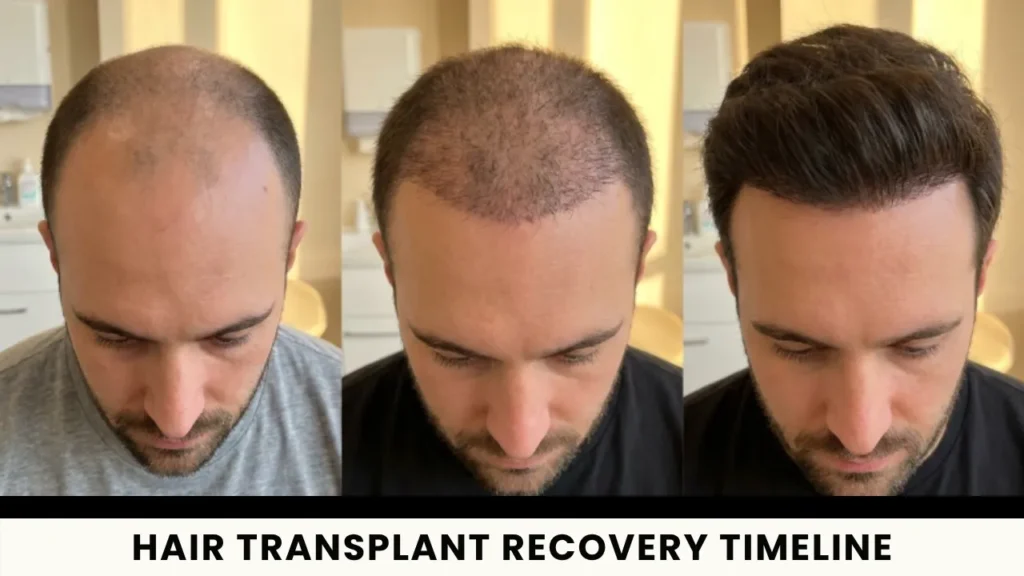
Hair Transplant Recovery Timeline: Day-by-Day, Week-by-Week and Month-by-Month Guide
Hair Transplant Recovery Timeline: Day-by-Day, Week-by-Week and Month-by-Month Guide Free Hair Analysis Homepage Blog Wayne…
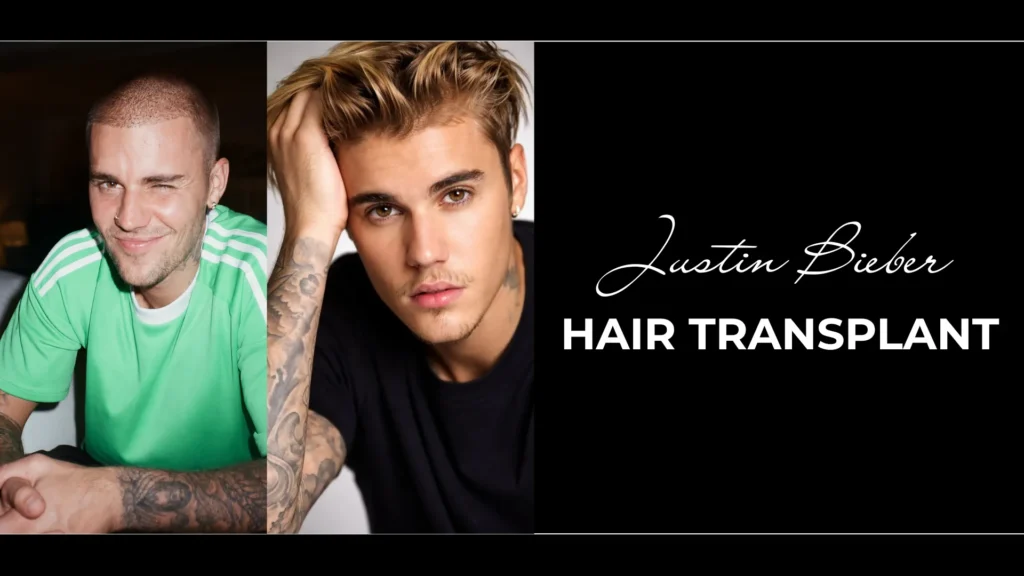
Justin Bieber Hair Transplant: Hairline Analysis, Before & After Photos, Rumors & Expert Opinion
Justin Bieber Hair Transplant: Hairline Analysis, Before & After Photos, Rumors & Expert Opinion Free…
Wayne Rooney Hair Transplant: Before & After
Wayne Rooney Hair Transplant: Before & After Free Hair Analysis Homepage Blog Wayne Rooney Hair…

Conor McGregor Hair Transplant: Before & After
Conor McGregor Hair Transplant: Before & After Free Hair Analysis Homepage Blog Conor McGregor Hair…
Turkey Visa Requirements for Hair Transplant in Turkey
Turkey Visa Requirements for Hair Transplant in Turkey Free Hair Analysis Homepage Blog Turkey Visa…
David Silva Hair Transplant: Before & After
David Silva Hair Transplant: Before & After Free Hair Analysis Homepage Blog Discover David Silva…
Ready To
Book Your Appointment?
Reach out to us or complete our simple online form
and we’ll contact you to schedule a time that works perfectly for you.



Frequently Asked Questions