7 Hair Transplant Myths That Need To Die in 2026
Homepage

Blog
7 Hair Transplant Myths That Need To Die in 2026

Medical Reviewed By Dr. Tompi, M.D – Plastic & Aesthetic Surgeon
Written By Nazmi G, Trichologist

Common hair transplant myths—that results look unnatural, the surgery is intensely painful, or that the new hair is temporary—are based on outdated information. Modern Follicular Unit Excision (FUE) and Direct Hair Implantation (DHI) techniques, performed under local anaesthesia, produce natural and lasting results. Transplanted follicles retain their genetic resistance to balding and grow for life. The initial healing phase takes approximately 7–10 days, with the full cosmetic result visible at 12–18 months.
Hair loss is a medical condition that can affect self-perception. While hair transplantation is an effective treatment, misconceptions often deter suitable candidates. These outdated ideas stem from older surgical methods and do not reflect the significant technical advancements in the field of hair restoration.
At Turkey Hair Center, we prioritise patient education to ensure all decisions are well-informed. This guide directly addresses seven of the most persistent myths about hair transplantation, providing clear, medically accurate information for anyone considering the procedure in 2026 and beyond.
Myth 1: Hair Transplants Are Only for Men
Hair transplantation is a highly effective treatment for both men and women. While androgenetic alopecia (pattern baldness) is common in men, women also experience significant hair loss from conditions like female pattern hair loss or traction alopecia. For many women, transplantation can successfully restore density and redefine hairlines.
The approach is tailored to the pattern of loss. Men typically present with a receding hairline and thinning at the crown, whereas women often experience diffuse thinning across the top of the scalp. Modern FUE and DHI techniques allow for the precise extraction and implantation of grafts in both scenarios. A thorough consultation is essential to diagnose the cause of hair loss, assess the stability of the donor area, and establish realistic surgical goals.
Myth 2: Transplanted Hair Looks Unnatural or Like a 'Doll's Head'
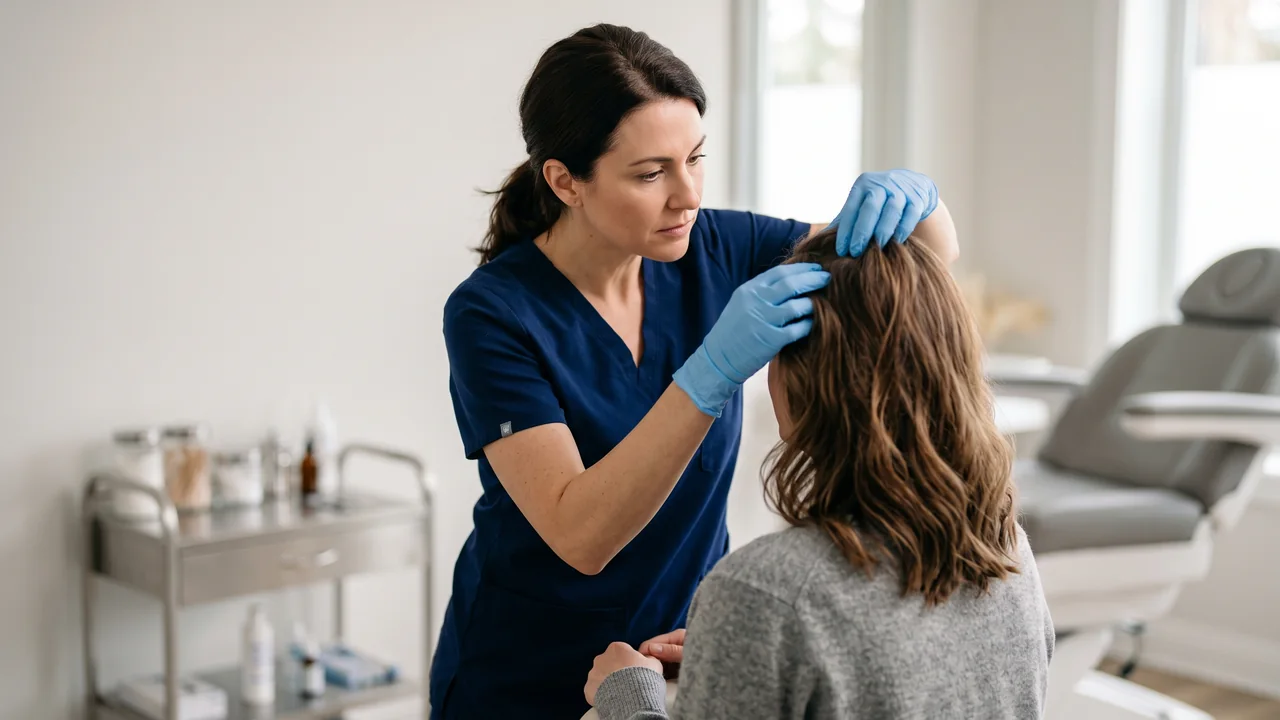
The unnatural, “pluggy” appearance is a result of obsolete techniques from the 1980s and 90s that used large, round grafts. Modern hair restoration, using FUE or DHI methods, creates results that are indistinguishable from native hair.
This level of naturalness is achieved through several key surgical principles:
- Individual Follicular Units: Surgeons transplant follicular units—natural groupings of one to four hairs—instead of larger plugs. This mimics the way hair grows naturally.
- Artistic Hairline Design: A skilled surgeon designs a soft, irregular hairline that is appropriate for the patient's age and facial structure, avoiding harsh, straight lines.
- Precise Angle and Direction: Each follicular unit is implanted at a specific angle and direction to match the growth pattern of the surrounding native hair, ensuring a seamless, blended result.
- Strategic Density: Grafts are distributed to create density that appears full and natural, transitioning smoothly into thinner areas.
When performed by a skilled surgical team, the final result should be so natural that it is undetectable, even to a hairdresser.
Myth 3: Hair Transplants Are Extremely Painful and Involve a Long, Difficult Recovery
Hair transplantation is a minimally invasive surgical procedure performed under local anaesthesia. Patients are awake and comfortable, able to watch television or listen to music. While you may feel pressure or movement on the scalp, you will not feel sharp pain during the graft extraction or implantation.
Post-operatively, most patients report mild soreness, tightness, and some swelling for the first 2-4 days. This is effectively managed with the provided pain relief and anti-inflammatory medications. Most patients can resume office work and light activities within a few days. The most visible stage of healing, where small scabs form on the grafts, resolves within 7–10 days.
Key aspects of the recovery process include:
- Minimal Downtime: Return to non-strenuous work is often possible within a week.
- Manageable Discomfort: Post-operative pain is typically mild and subsides quickly.
- Structured Aftercare: Clinics provide a detailed regimen for washing, sleeping, and protecting the scalp to ensure optimal graft survival and healing.
While proper aftercare is essential, the recovery from modern FUE or DHI is generally straightforward and far less demanding than many assume.
Myth 4: A Hair Transplant Is a Cure for All Future Hair Loss
This is a critical point of misunderstanding. A hair transplant permanently relocates healthy, genetically resistant hair follicles from the donor area (the back and sides of the head) to an area of thinning or baldness. These transplanted hairs will continue to grow for life.
However, the procedure does not stop the underlying process of androgenetic alopecia, which can continue to affect your *native* (non-transplanted) hair. Over time, you may notice further thinning in areas that were not transplanted. For this reason, a long-term hair maintenance strategy is often recommended. This may include medical treatments such as Finasteride or Minoxidil to help stabilise loss in the native hair and preserve the overall result for years to come.
Myth 5: Hair Transplants Are Prohibitively Expensive
The cost of a hair transplant is determined by the technique used, the number of grafts required, and the geographic location of the clinic. Procedures in the UK, Western Europe, and North America can be costly, often exceeding £15,000. This does not, however, represent the global standard.
Istanbul, Turkey, has established itself as a leading global destination for hair restoration, providing high-quality medical care at more accessible prices. This cost-effectiveness is a result of the country's lower operational expenses and a highly competitive healthcare market, not a compromise on technology or surgical expertise. Many leading Turkish clinics are equipped with the latest technology and staffed by experienced medical teams.
| Factor | Turkey (Istanbul) | Western Europe / UK | USA / Canada |
|---|---|---|---|
| Average Cost Range (2026) | £1,500 - £4,500 | £5,000 - £15,000 | £6,000 - £20,000+ |
| Inclusions | Often all-inclusive (accommodation, transfers, aftercare) | Varies, often procedure only | Varies, often procedure only |
| Quality of Care | High, experienced teams | High | High |
| Wait Times | Often shorter | Can be longer | Can be longer |
When comparing prices, it is important to evaluate what is included. Clinics in Istanbul frequently offer comprehensive packages that cover the surgery, hotel accommodation, airport transfers, and post-operative medications, providing significant value.
Myth 6: Anyone Can Perform a Hair Transplant Effectively
This is a dangerous misconception. Hair transplantation is a specialised surgical procedure that demands medical expertise, technical precision, and aesthetic judgement. An improperly performed procedure can lead to poor growth, an unnatural appearance, visible scarring, or permanent damage to the limited donor hair supply.
A successful outcome depends on several non-negotiable factors:
- Surgeon-Led Procedure: The surgery must be planned and directly supervised or performed by a qualified and experienced surgeon specialising in hair restoration.
- Skilled Technical Team: The technicians who assist with graft extraction and placement must be highly trained to handle the delicate follicular units without causing damage.
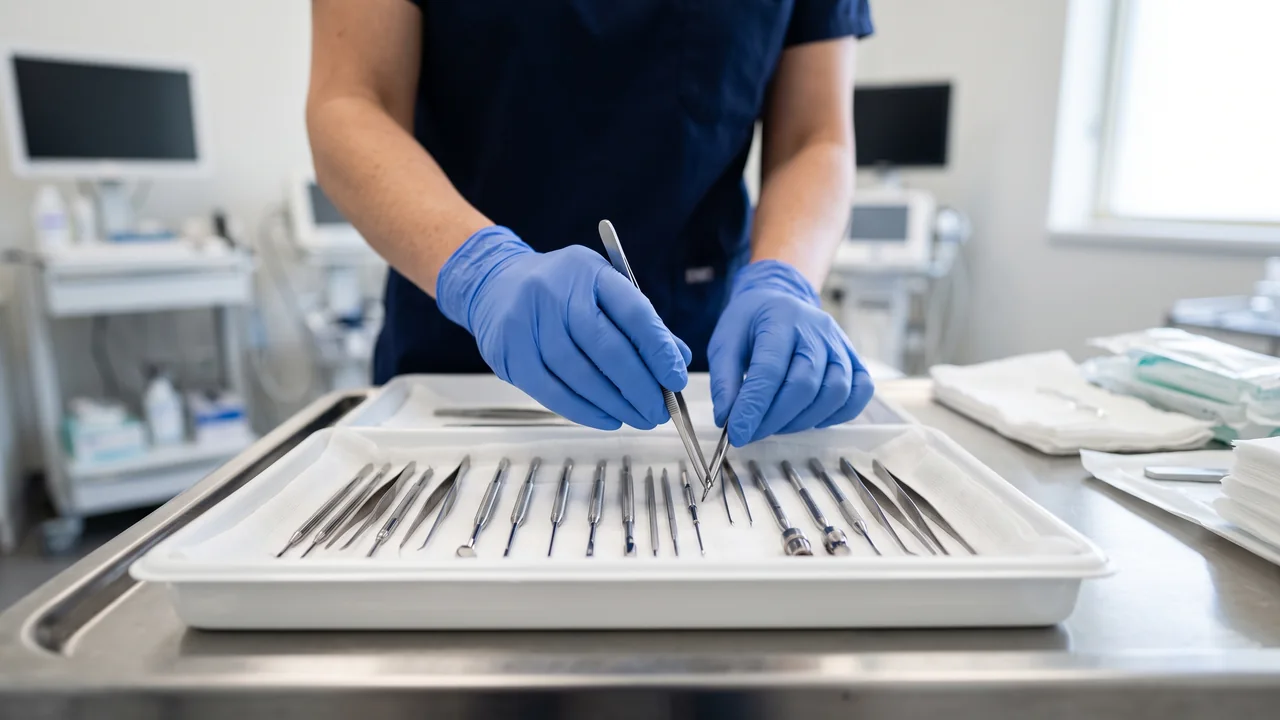
- Clinical Environment: The procedure must take place in a sterile, medically appropriate facility to minimise the risk of infection.
- Aesthetic Skill: The ability to design a natural-looking hairline and create appropriate density is an artistic skill that develops with experience.
- Ethical Standards: A reputable clinic provides transparent pricing, sets realistic expectations, and offers comprehensive post-operative support.
Thoroughly research your surgeon's credentials and the clinic's reputation. Verify who will be performing each stage of your procedure and review patient outcomes before making a decision.
Myth 7: There Isn't Enough Donor Hair for a Successful Transplant
The principle of 'donor dominance' is the foundation of hair transplantation. Hair follicles located on the back and sides of the scalp are genetically resistant to the DHT hormone that causes pattern baldness. This region serves as the donor area.
Most patients with pattern baldness have a sufficient lifetime supply of donor hair to achieve a cosmetically significant improvement. During a consultation, the surgeon assesses the donor area's density and quality to calculate how many grafts can be safely harvested without causing visible thinning. While this donor supply is finite and must be managed carefully, it is rare for a patient to be unsuitable for surgery due to an insufficient donor area alone. In complex cases with extensive loss, hair from the beard can sometimes be used as a secondary source to supplement density.
Choosing the Right Hair Transplant Clinic
Navigating the options for hair restoration requires careful consideration. Selecting the right clinic is the single most important factor influencing your safety and the quality of your surgical outcome. A systematic approach to your research is essential.
Evaluate potential clinics based on these critical factors:
- Surgeon's Credentials and Involvement: Confirm the qualifications of the lead surgeon and clarify their direct role during the procedure. The entire surgery should be surgeon-planned and supervised.
- Clinic Environment and Standards: The facility must be a sterile, professional medical clinic, not a salon. Look for evidence of adherence to national or international health standards.
- Transparent Process and Pricing: You should receive a clear, itemised quotation with no hidden costs. The clinic should explain its entire process from consultation to aftercare.
- Medical Consultation: Your initial assessment should be with a medical professional who evaluates your hair loss, assesses your donor area, and discusses what can realistically be achieved.
- Verifiable Patient Results: Reputable clinics can share a portfolio of non-publicised patient cases, showing consistent, high-quality results across different types of hair loss.
- Post-Operative Support: Ensure the clinic has a clear and accessible aftercare protocol to guide you through the healing and growth phases.
A diligent evaluation of these points will enable you to select a clinic that prioritises medical ethics, patient safety, and the achievement of natural, lasting results.
Medical disclaimer: This article is for informational purposes only and is not medical advice. Individual results vary from person to person. Always consult a qualified doctor before any hair transplant procedure.
Get a Free Hair Analysis from Our Experts
Use our free online help tool to communicate your hair loss concerns – it only takes a few minutes. We’ll provide you with a personalized, non-binding quote.
Let’s Call You!

Popular Blogs
Hair Transplant Recovery Timeline: Day-by-Day, Week-by-Week and Month-by-Month Guide
Hair Transplant Recovery Timeline: Day-by-Day, Week-by-Week and Month-by-Month Guide Free Hair Analysis Homepage Blog Wayne…
Justin Bieber Hair Transplant: Hairline Analysis, Before & After Photos, Rumors & Expert Opinion
Justin Bieber Hair Transplant: Hairline Analysis, Before & After Photos, Rumors & Expert Opinion Free…
Wayne Rooney Hair Transplant: Before & After
Wayne Rooney Hair Transplant: Before & After Free Hair Analysis Homepage Blog Wayne Rooney Hair…

Conor McGregor Hair Transplant: Before & After
Conor McGregor Hair Transplant: Before & After Free Hair Analysis Homepage Blog Conor McGregor Hair…
Turkey Visa Requirements for Hair Transplant in Turkey
Turkey Visa Requirements for Hair Transplant in Turkey Free Hair Analysis Homepage Blog Turkey Visa…
David Silva Hair Transplant: Before & After
David Silva Hair Transplant: Before & After Free Hair Analysis Homepage Blog Discover David Silva…
Ready To
Book Your Appointment?
Reach out to us or complete our simple online form
and we’ll contact you to schedule a time that works perfectly for you.



Frequently Asked Questions