Hair Transplant Aftercare: The Complete Recovery Checklist
Homepage

Blog
Hair Transplant Aftercare: The Complete Recovery Checklist

Medical Reviewed By Dr. Tompi, M.D – Plastic & Aesthetic Surgeon
Written By Nazmi G, Trichologist

The success of your hair transplant is determined by your post-operative care. For the first 48–72 hours, do not touch, rub, or scratch the grafts. Sleep with your head elevated (45°) for 5–7 nights, and avoid hats or strenuous exercise. Scabs typically fall away by day 10–14, followed by a temporary shedding phase ('shock loss') around weeks 2–4. New, permanent growth begins at 3–4 months.
The surgical procedure is only the first step; the aftercare protocol that follows is what secures the result. Proper care is not optional—it is a mandatory phase of treatment designed to protect the newly implanted follicular units and ensure they anchor successfully in the recipient area. This guide provides the essential, non-negotiable instructions for your recovery.
Following these steps diligently will minimise complications, support healing, and help achieve the intended density and natural appearance from your procedure. Adherence to this protocol directly correlates with the quality of your final outcome.
The Critical First 48 Hours: Protecting Your New Grafts
During the first 48 hours post-surgery, the transplanted follicular grafts are extremely fragile and have not yet anchored into the scalp tissue. Any physical contact or pressure can easily dislodge them, compromising the outcome of your procedure.
- No Direct Contact: You must resist any urge to touch, rub, or scratch the recipient area. Accidental contact can permanently remove a graft.
- Elevated Sleeping Position: For the first 5-7 nights, sleep with your head and back elevated at a 45-degree angle to minimise swelling and prevent the grafts from touching pillows or bed linen. A travel neck pillow can provide support.
- Keep the Area Dry: Do not wash your hair or allow shower water to hit the scalp. The recipient area must remain completely dry until your first instructed wash.
- Avoid Overhead Clothing: Wear button-front or zip-front shirts. Pulling clothing like t-shirts or jumpers over your head creates a significant risk of dislodging grafts.
- Maintain Hydration: Drinking sufficient water is crucial for optimal physiological healing and circulation to the scalp.
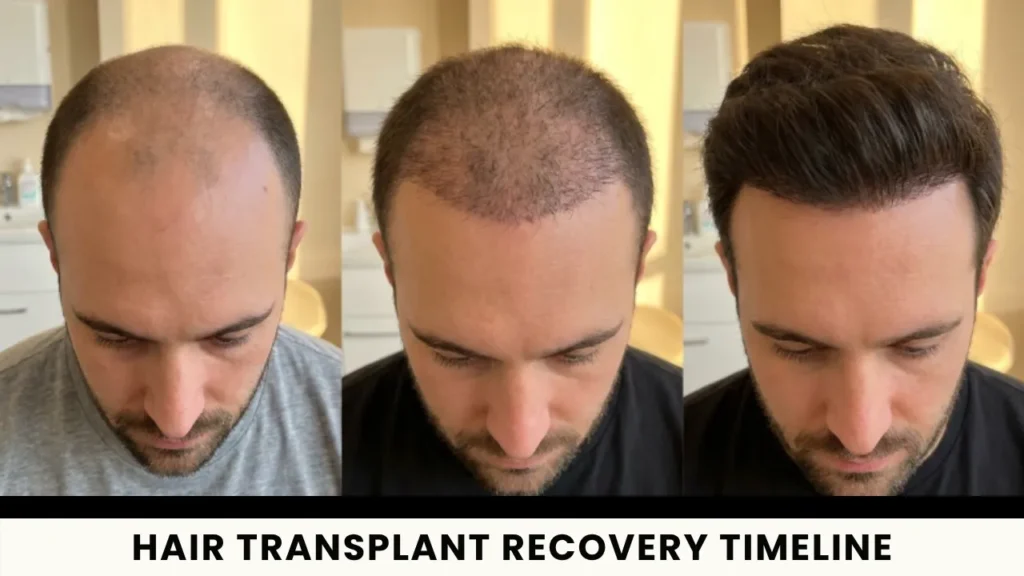
For a detailed schedule of the healing process, please refer to our comprehensive Hair Transplant Recovery Timeline.
Gentle Cleansing: Your Post-Operative Hair Wash Routine
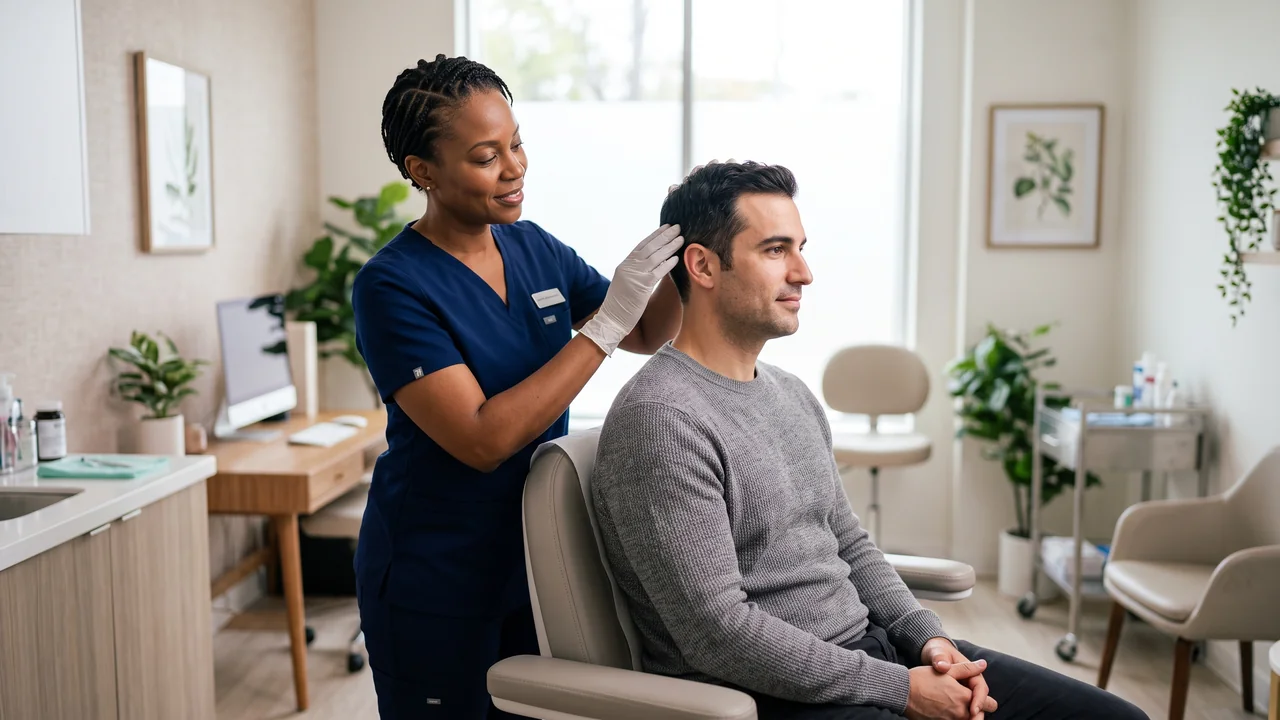
A structured washing routine is essential for removing scabs and dried blood, which helps prevent infection and allows the skin to heal cleanly. This process must be performed with meticulous care to avoid damaging the follicles.
Your first wash will typically be performed at our partner hospital 2-3 days after your procedure. For subsequent washes at home, you will use the provided specialised lotion and shampoo. The technique is critical:
- Lotion/Foam Application: Gently apply the prescribed lotion or foam by dabbing it onto the recipient area. Do not rub. Let it soften the scabs for the duration specified by your surgeon.
- Low-Pressure Rinsing: Use lukewarm water with very low pressure. A cup is ideal for pouring water gently over the scalp. Avoid direct spray from a high-pressure shower head.
- Drying: Let the area air dry, or very gently pat it with a soft, clean paper towel. Do not use a regular towel, and absolutely do not rub the area.
For a complete visual and written guide to this crucial step, please consult our detailed instructions on the After Hair Transplant Operation | Recovery & Aftercare Guide.
Medication and Supplements: Adhering to Your Regimen
The prescribed medications are not optional; they are integral to managing post-operative symptoms and preventing infection. You must follow the dosage and schedule provided by your surgeon without deviation.
- Pain Management: Take prescribed analgesics as needed to control any discomfort, which is typically mild and subsides within a few days.
- Antibiotics for Infection Prevention: Complete the full course of antibiotics to prevent bacterial infection in both the donor and recipient zones.
- Anti-Inflammatories for Swelling: These medications are prescribed to control the expected post-operative swelling, particularly on the forehead.
- Swelling Control: In addition to medication, applying a cold compress to the forehead (never directly on the grafts) can help reduce swelling.
- Supportive Therapies: Your surgeon may discuss additional treatments like Platelet-Rich Plasma (PRP) or specific supplements to support graft health and hair growth. Follow their professional recommendation.
Always consult your clinical team before taking any unprescribed medications or supplements during your recovery period.
Lifestyle Adjustments for Optimal Healing
Certain lifestyle choices directly impact graft survival by affecting blood flow, blood pressure, and the body's healing capacity. Temporary modifications are required.
| Do's | Don'ts |
|---|---|
| Stay Hydrated: Drink ample water to support cellular recovery. | Avoid Alcohol: Abstain for at least 7 days post-op, as it can interfere with medication and increase swelling. |
| Eat a Nutrient-Rich Diet: Focus on protein, vitamins, and minerals to provide the building blocks for tissue repair. | Avoid Smoking and Vaping: Nicotine constricts blood vessels, reducing vital oxygen supply to the grafts. Stop for at least 2-4 weeks. |
| Rest Sufficiently: Your body requires energy to heal. Prioritise rest, especially in the first week. | Avoid Strenuous Exercise: For at least 2-4 weeks, refrain from any activity that raises your heart rate and blood pressure or causes sweating. |
| Protect from the Sun: After the first week, wear a loose-fitting hat when outdoors to shield the scalp from UV radiation. | Avoid Direct Sun Exposure: Do not expose the scalp to direct sunlight for the first month, as it can damage the sensitive skin and follicles. |
| Follow Massage Instructions (later): Your clinic may advise a gentle massage of the donor area after a few weeks to improve sensation. | Avoid Swimming and Saunas: Stay out of pools, seas, and saunas for at least one month to prevent infection from bacteria or chlorine. |
Managing Swelling, Scabbing, and Itching
Swelling, scabbing, and itching are expected physiological responses to the procedure. Understanding how to manage them will ensure your comfort and protect the grafts.
- Swelling: Facial swelling is caused by the anaesthetic fluid and gravity, usually peaking on day 3 or 4. It is harmless and will resolve within a week. Keeping your head elevated is the most effective way to manage it.
- Scabbing: Tiny scabs form around each micro-incision. This is a normal part of wound healing. They will begin to lift and fall away naturally between days 10 and 14 with your daily gentle washes. Do not pick them.
- Itching: Itching in both the donor and recipient areas is a common sign of healing. A sterile saline spray can provide relief. Do not scratch the recipient area; you may gently pat the donor area if needed.
If you experience pain that is severe or worsening, or see signs of infection like pus, contact your clinic immediately.

The Shedding Phase and Regrowth: Trusting the Process
Approximately 2-4 weeks after the procedure, you will experience what is known as 'shock loss'—the shedding of the transplanted hair shafts. This is a normal and predictable part of the hair growth cycle. The implanted follicles are secure beneath the skin and are entering a temporary resting (telogen) phase before initiating new growth.
This shedding does not indicate a problem with the procedure. The underlying follicular units are unaffected. New hair will begin to emerge from these follicles at around 3-4 months post-operatively. The density will progressively increase over the following months, with the most significant changes visible between 6 and 12 months. Final maturation of the hair can take up to 18 months.
Our Hair Transplant Recovery Timeline provides a detailed month-by-month guide to help you anticipate these changes.
Long-Term Care and Protecting Your Investment
Once the initial healing phase is complete, long-term care focuses on maintaining the health of both your transplanted and native, non-transplanted hair.
- Gentle Hair Products: Use mild, pH-balanced shampoos without harsh sulphates to maintain scalp health.
- Avoid Damaging Styling Practices: Minimise the use of high-heat styling tools and avoid chemical treatments or hairstyles that pull on the hair roots.
- Medical Therapy for Native Hair: Your surgeon may recommend ongoing medical treatments, such as Finasteride or Minoxidil, to prevent further loss of your existing native hair.
- Scheduled Clinical Reviews: Attend all follow-up appointments. These allow your surgical team to monitor your progress, assess the results, and provide any necessary guidance.
The quality of your aftercare support is determined by your choice of clinic. Our guide on how to choose a hair transplant clinic explains the key factors to consider.
Medical disclaimer: This article is for informational purposes only and is not medical advice. Individual results vary from person to person. Always consult a qualified doctor before any hair transplant procedure.
Get a Free Hair Analysis from Our Experts
Use our free online help tool to communicate your hair loss concerns – it only takes a few minutes. We’ll provide you with a personalized, non-binding quote.
Let’s Call You!

Popular Blogs
Hair Transplant Recovery Timeline: Day-by-Day, Week-by-Week and Month-by-Month Guide
Hair Transplant Recovery Timeline: Day-by-Day, Week-by-Week and Month-by-Month Guide Free Hair Analysis Homepage Blog Wayne…
Justin Bieber Hair Transplant: Hairline Analysis, Before & After Photos, Rumors & Expert Opinion
Justin Bieber Hair Transplant: Hairline Analysis, Before & After Photos, Rumors & Expert Opinion Free…
Wayne Rooney Hair Transplant: Before & After
Wayne Rooney Hair Transplant: Before & After Free Hair Analysis Homepage Blog Wayne Rooney Hair…

Conor McGregor Hair Transplant: Before & After
Conor McGregor Hair Transplant: Before & After Free Hair Analysis Homepage Blog Conor McGregor Hair…
Turkey Visa Requirements for Hair Transplant in Turkey
Turkey Visa Requirements for Hair Transplant in Turkey Free Hair Analysis Homepage Blog Turkey Visa…
David Silva Hair Transplant: Before & After
David Silva Hair Transplant: Before & After Free Hair Analysis Homepage Blog Discover David Silva…
Ready To
Book Your Appointment?
Reach out to us or complete our simple online form
and we’ll contact you to schedule a time that works perfectly for you.



Frequently Asked Questions