Eyelash Transplant: Your Guide to Enhanced Natural Lash Density
Homepage

Blog
Eyelash Transplant: Your Guide to Enhanced Natural Lash Density

Medical Reviewed By Dr. Tompi, M.D – Plastic & Aesthetic Surgeon
Written By Nazmi G, Trichologist

Each person typically has between 100 to 150 eyelashes on their upper lid and 50 to 75 on their lower, playing a vital role in eye protection and aesthetic appeal. These delicate hairs are crucial for shielding the eyes from dust and debris, while also significantly contributing to facial aesthetics, framing the eyes and enhancing their expressiveness.
However, various factors such as genetics, trauma, medical conditions, or even certain beauty practices can lead to thinning or complete loss of eyelashes. For those seeking a permanent and natural solution to restore or enhance their lash density, an eyelash transplant offers a sophisticated and effective option, carefully re-establishing a fuller, more defined lash line.
What is an Eyelash Transplant?
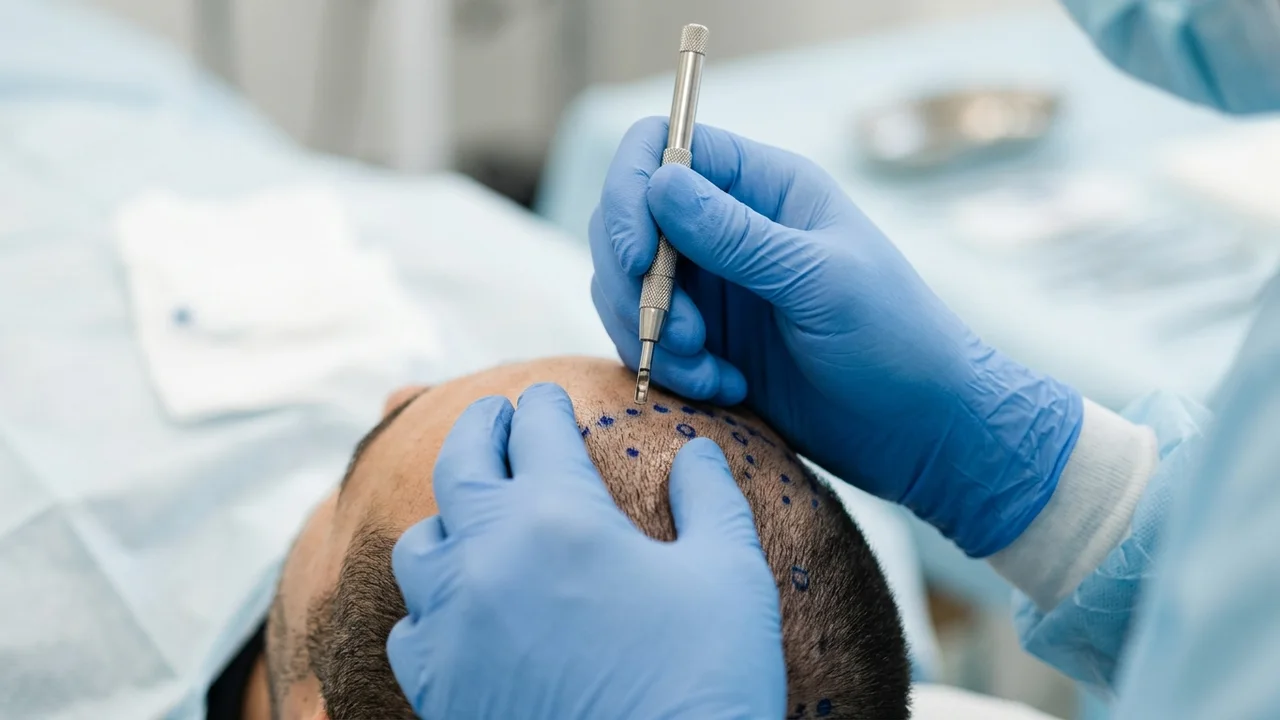
An eyelash transplant is a refined surgical procedure designed to permanently restore or increase the density of natural eyelashes. Unlike temporary solutions such as extensions or serums, this treatment involves transplanting individual hair follicles, typically harvested from the scalp, directly into the eyelid margin. The procedure leverages the principles of Follicular Unit Extraction (FUE), where healthy hair follicles are meticulously extracted from a donor area and then artfully implanted to mimic natural lash growth.
The goal is not only to add volume but also to create a natural-looking lash line that grows permanently, requiring ongoing maintenance similar to regular hair. This micro-surgical technique demands exceptional precision and an understanding of hair growth patterns and facial aesthetics to ensure the transplanted lashes blend seamlessly with existing ones and grow in the correct direction.
Who is a Candidate for Eyelash Transplants?
Ideal candidates for an eyelash transplant are individuals experiencing sparse, thin, or absent eyelashes due to a variety of reasons. These can include:
- Genetic factors: Some people are naturally born with very short or sparse lashes.
- Trauma or burns: Accidents, injuries, or burns can permanently damage lash follicles.
- Medical conditions: Conditions like alopecia areata, hypothyroidism, or chemotherapy can cause temporary or permanent lash loss.
- Trichotillomania: A compulsive disorder where individuals pull out their own hair, including eyelashes.
- Scarring: Scars on the eyelid margin from previous surgeries or injuries can prevent lash growth.
Beyond these specific causes, a good candidate must also possess a sufficient and healthy donor hair supply, typically from the back of the scalp (the occipital region). They should be in good general health, have realistic expectations about the outcomes, and understand the commitment required for post-operative care and long-term maintenance of the transplanted lashes.
The Eyelash Transplant Procedure: A Step-by-Step Overview
The eyelash transplant procedure is a delicate, intricate process, typically performed under local anaesthesia and lasting approximately two to four hours per eye. It involves several precise steps:
- Initial Consultation: A thorough assessment of the patient's lash loss, medical history, and donor hair availability. The surgeon will discuss aesthetic goals and design the prospective lash line.
- Donor Area Preparation: A small section of hair, usually from the back of the scalp, is trimmed to a very short length. Local anaesthesia is then administered to numb this area.
- Follicle Extraction: Using the FUE technique, individual hair follicles (grafts) are carefully extracted one by one. This involves using a micro-punch tool, typically between 0.6mm and 0.8mm in diameter, to minimise scarring and ensure the integrity of the follicle.
- Recipient Area Preparation: The eyelid margins are gently cleansed, and local anaesthesia is applied to ensure comfort. The surgeon then creates tiny, precise incisions along the lash line. These incisions are crucial; they are made at a specific angle and direction to ensure the transplanted hairs grow naturally outwards and with the correct curl. Typically, 25 to 50 grafts are implanted per eyelid, depending on the desired density.
- Graft Implantation: Each individual hair follicle is meticulously inserted into the prepared recipient sites along the eyelid. This step requires immense skill and patience, as the grafts are extremely delicate, and their correct placement is paramount for a natural result.
Throughout the procedure, the surgical team prioritises patient comfort and safety, ensuring a sterile environment and continuous monitoring.
Donor Hair for Eyelash Transplants: Understanding the Source
The success and natural appearance of an eyelash transplant heavily rely on the selection and characteristics of the donor hair. The most common and effective source for eyelash transplantation is the hair from the back of the scalp, specifically the occipital region. This area is chosen for several key reasons:
- Growth Cycle: Hair from the scalp has a long anagen (growth) phase, which means it will continue to grow indefinitely, much like natural scalp hair. This is crucial for creating long, full lashes.
- Texture and Calibre: Scalp hair, particularly finer hairs often found at the nape of the neck, closely mimics the texture and calibre of natural eyelashes. This helps ensure a more natural blend and appearance.
- Availability: The scalp typically provides an abundant supply of healthy hair follicles, making it an ideal donor site without causing noticeable thinning in the donor area.
It is important for patients to understand that since these hairs originate from the scalp, they will retain their original growth characteristics. This means they will continue to grow to significant lengths and may require regular trimming and curling to maintain an aesthetic and manageable appearance, similar to how one would groom their head hair.
Eyelash Transplant Recovery and Aftercare
The recovery period following an eyelash transplant is crucial for optimal results and requires diligent adherence to post-operative instructions. Immediately after the procedure, patients may experience mild swelling, redness, and some crusting around the transplanted follicles on the eyelid margins. These are normal and generally subside within a few days.
Key aftercare guidelines include:
- Gentle Cleansing: Patients will be instructed on how to gently clean the eyelids using a prescribed saline solution to prevent infection and remove any crusts.
- Avoid Rubbing: It is paramount to avoid rubbing or touching the eyes, especially during the initial healing phase, to prevent dislodging the newly transplanted grafts.
- Sleeping Position: Sleeping on your back with your head elevated for the first few nights can help reduce swelling.
- Medication: Prescribed antibiotic eye drops or oral antibiotics may be necessary to prevent infection, along with pain relief if required.
- Avoid Make-up and Contact Lenses: Refrain from using eye make-up, mascara, or contact lenses for at least two to four weeks, or as advised by your surgeon.
- Activity Restrictions: Strenuous activities, swimming, and exposure to direct sunlight or saunas should be avoided for several weeks to protect the delicate grafts.
The transplanted hairs will typically shed within two to four weeks, which is a normal part of the process, making way for new hair growth. Visible new lash growth usually begins around three to four months post-procedure, with full results becoming apparent between 12 to 18 months.
Potential Risks and Considerations
While eyelash transplantation is generally safe and effective, it is a surgical procedure and, as such, carries potential risks and considerations that patients should be aware of. Understanding these can help manage expectations and ensure informed decision-making.
- Infection: As with any surgical procedure, there is a small risk of infection at the donor or recipient sites. This risk is minimised through sterile techniques and post-operative antibiotics.
- Swelling and Bruising: Mild swelling and bruising around the eyelids are common but temporary, typically resolving within a few days.
- Misdirection of Growth: One of the most significant considerations unique to eyelash transplants is the possibility of transplanted hairs growing in an incorrect direction, potentially leading to ingrown lashes or irritation. This risk is substantially mitigated by the surgeon's expertise in creating precise incision angles.
- Asymmetry: Slight differences in density or growth pattern between the two eyes can occur, though skilled surgeons aim for maximum symmetry.
- Irritation: The transplanted hairs, being scalp hair, may initially feel stiffer or cause mild irritation as they grow. This usually subsides as they soften over time.
- Need for Maintenance: Transplanted eyelashes will continue to grow like scalp hair, necessitating regular trimming (typically monthly) and curling to maintain a natural appearance and prevent them from becoming too long or poking the eye.
Choosing an experienced surgeon with a proven track record in delicate facial hair transplantation is paramount to minimising these risks and achieving the best possible outcome.

Expected Results and Maintenance
The ultimate goal of an eyelash transplant is to achieve a natural-looking, fuller lash line that enhances the eyes permanently. Patients should approach the outcome with realistic expectations, understanding that the full results unfold gradually over time.
Here's what to expect regarding results and ongoing maintenance:
- Gradual Growth: After the initial shedding phase (around 2-4 weeks post-op), new lash growth will typically begin at 3-4 months. The lashes will gradually thicken and lengthen, with the final results usually visible between 12 to 18 months.
- Natural Appearance: When performed by an expert surgeon, the transplanted eyelashes will blend seamlessly with any existing natural lashes. The careful placement ensures they emerge at the correct angle and direction, creating a soft, natural curve.
- Permanent Solution: The transplanted hair follicles are permanent and will continue to grow for a lifetime, offering a lasting solution to lash thinning or loss.
- Lifelong Maintenance: This is a crucial aspect of living with transplanted eyelashes. Since the hairs retain the characteristics of their scalp origin, they will grow continuously. This means:
- Trimming: Regular trimming, usually once a month, will be necessary to keep the lashes at a desirable length and prevent them from becoming excessively long.
- Curling: Transplanted lashes may grow straighter than natural eyelashes, so daily or weekly curling with an eyelash curler may be required to achieve the desired upward sweep.
Embracing this simple maintenance routine allows patients to fully enjoy their enhanced, naturally dense eyelashes without the need for temporary solutions.
Choosing a Specialist Clinic for Eyelash Transplants
Selecting the right clinic for an eyelash transplant is perhaps the most critical decision in your journey to enhanced lash density. Given the delicate nature of the procedure and the visible area involved, expertise and specialised care are non-negotiable. Here are the key factors to consider when choosing a specialist clinic like Turkey Hair Center:
- Surgeon's Expertise and Experience: Ensure the surgeon performing the procedure has extensive experience specifically in eyelash transplantation, not just general hair transplants. Look for evidence of their skill in handling the intricate details of eyelid surgery and precise graft placement.
- Accreditation and Facility Standards: The clinic should be fully accredited and adhere to the highest international standards of hygiene and patient safety. A sterile, modern facility equipped with advanced micro-surgical tools is essential for successful outcomes and to minimise risks.
- Comprehensive Consultation Process: A reputable clinic will provide a thorough, personalised consultation. This involves a detailed assessment of your candidacy, a clear discussion of the procedure, potential outcomes, and all associated risks. They should address your concerns comprehensively.
- Advanced Techniques: While FUE is the standard, inquire about the specific tools and techniques used for graft extraction and implantation, such as fine-tipped implanter pens or sapphire blades, which can enhance precision and minimise trauma.
- Patient Support and Aftercare: Excellent clinics offer robust pre-operative guidance and comprehensive post-operative care instructions, including follow-up appointments and easily accessible support for any questions or concerns during your recovery and beyond.
- Transparent Pricing: A trustworthy clinic will provide clear, upfront pricing without hidden costs, often offering all-inclusive packages that cover the procedure, accommodation, and transfers, especially for international patients.
At Turkey Hair Center, our commitment to these standards ensures that every patient receives world-class care, leading to safe, effective, and aesthetically pleasing eyelash transplant results.
Medical disclaimer: This article is for informational purposes only and is not medical advice. Individual results vary from person to person. Always consult a qualified doctor before any hair transplant procedure.
Get a Free Hair Analysis from Our Experts
Use our free online help tool to communicate your hair loss concerns – it only takes a few minutes. We’ll provide you with a personalized, non-binding quote.
Let’s Call You!

Popular Blogs
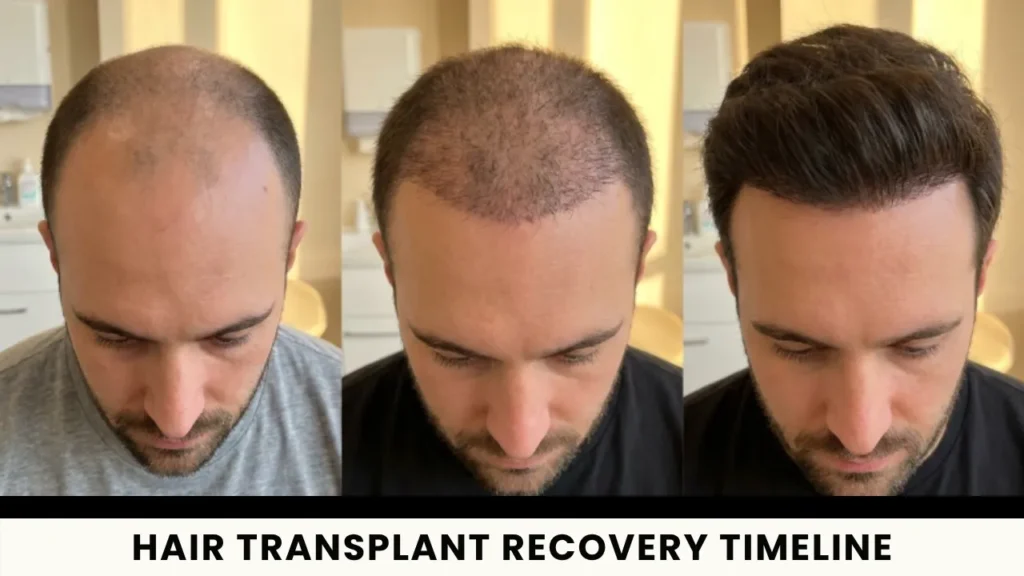
Hair Transplant Recovery Timeline: Day-by-Day, Week-by-Week and Month-by-Month Guide
Hair Transplant Recovery Timeline: Day-by-Day, Week-by-Week and Month-by-Month Guide Free Hair Analysis Homepage Blog Wayne…

Justin Bieber Hair Transplant: Hairline Analysis, Before & After Photos, Rumors & Expert Opinion
Justin Bieber Hair Transplant: Hairline Analysis, Before & After Photos, Rumors & Expert Opinion Free…
Wayne Rooney Hair Transplant: Before & After
Wayne Rooney Hair Transplant: Before & After Free Hair Analysis Homepage Blog Wayne Rooney Hair…

Conor McGregor Hair Transplant: Before & After
Conor McGregor Hair Transplant: Before & After Free Hair Analysis Homepage Blog Conor McGregor Hair…
Turkey Visa Requirements for Hair Transplant in Turkey
Turkey Visa Requirements for Hair Transplant in Turkey Free Hair Analysis Homepage Blog Turkey Visa…
David Silva Hair Transplant: Before & After
David Silva Hair Transplant: Before & After Free Hair Analysis Homepage Blog Discover David Silva…
Ready To
Book Your Appointment?
Reach out to us or complete our simple online form
and we’ll contact you to schedule a time that works perfectly for you.



Frequently Asked Questions