The Critical First 24 Hours After Your Hair Transplant: A Comprehensive Guide for 2026
Homepage

Blog
The Critical First 24 Hours After Your Hair Transplant: A Comprehensive Guide for 2026

Medical Reviewed By Dr. Tompi, M.D – Plastic & Aesthetic Surgeon
Written By Nazmi G, Trichologist

Congratulations on taking a significant step towards restoring your hair! Undergoing a hair transplant is an exciting journey, and while the procedure itself is often straightforward, the immediate aftermath is a critical period that sets the foundation for your long-term results. The first 24 hours after your surgery are crucial for graft survival and minimising potential complications.
Understanding what to expect during this initial phase can significantly ease any anxieties and empower you to follow your post-operative instructions diligently. At Turkey Hair Center, we prioritise clear communication and comprehensive care, ensuring you feel supported and informed every step of the way. Let's delve into the vital details of your first day post-transplant.
Immediately After Your Hair Transplant: The Clinic Experience
As your hair transplant procedure concludes, the medical team will meticulously clean the donor and recipient areas. You might notice small scabs forming around each transplanted graft, which is a normal part of the healing process. The donor area, typically at the back or sides of your head, will be bandaged, while the recipient area (where the new grafts are placed) is usually left uncovered or gently covered with a light dressing, depending on the clinic's protocol and your specific case.
Before you leave the clinic, our specialists will provide detailed verbal and written aftercare instructions. This will include how to take your prescribed medications, how to sleep, and crucial precautions for the coming days. You'll also receive an aftercare kit containing necessary items such as special shampoos, sprays, and sometimes a neck pillow. Ensure all your questions are answered before your departure, as clear understanding is key to a smooth recovery.
Managing Post-Operative Discomfort and Swelling
It's natural to experience some degree of discomfort, tightness, or mild pain in both the donor and recipient areas immediately after your procedure. This is typically managed effectively with the pain medication prescribed by your clinic. Take these as directed to stay comfortable.
Swelling is another common occurrence, particularly around the forehead and eyes. This is a normal physiological response to the trauma of surgery. To minimise swelling, your clinic may administer a steroid injection during or after the procedure, and you'll be advised to keep your head elevated, even while sleeping. Applying cold compresses (never directly to the transplanted area) to your forehead can also help. Rest assured, any swelling typically subsides within a few days.
Protecting Your Newly Transplanted Grafts: Essential Precautions
The first 24 hours are paramount for the survival and secure anchoring of your newly transplanted grafts. These tiny grafts are extremely delicate and can be dislodged with even slight friction or impact. It is absolutely crucial to avoid touching, rubbing, or scratching the recipient area. If you experience itching, resist the urge to scratch and instead gently tap around the area or use the prescribed soothing spray.
When getting dressed, opt for loose-fitting, button-up shirts or zip-up tops to avoid pulling clothing over your head, which could inadvertently brush against the transplanted area. Be mindful of doorframes, car ceilings, and any other objects that could accidentally come into contact with your scalp. Your diligence in protecting these grafts directly impacts your final results.
Navigating Your First Night: Sleeping Post-Hair Transplant
A good night's sleep is important for recovery, but your sleeping position in the first 24 hours requires careful consideration. To prevent accidental dislodgement of grafts and to minimise swelling, it is vital to sleep on your back with your head elevated. Many clinics recommend using a special neck pillow (often provided in your aftercare kit) to keep your head stable and prevent it from rolling to the sides, which could rub against your pillow or bedding.
Avoid sleeping on your stomach or side at all costs during this initial period. If you find it difficult to maintain this position, you can use additional pillows to prop yourself up or even sleep in a recliner chair. Ensuring your grafts remain untouched throughout the night is a top priority.
Your Essential Aftercare Kit: Medications and Solutions
Upon leaving Turkey Hair Center, you will receive a comprehensive aftercare kit tailored to your needs. This kit typically includes:
- Painkillers: To manage any post-operative discomfort.
- Antibiotics: To prevent infection in both the donor and recipient areas.
- Anti-inflammatory medication: To help reduce swelling.
- Specialised shampoo and lotion/spray: For the gentle first wash and ongoing care.
- Neck pillow: To aid in proper sleeping posture.
It is imperative to follow the dosage and schedule for all prescribed medications precisely. Do not self-medicate or use any over-the-counter products without consulting your clinic. The topical solutions and sprays are designed to keep the grafts moist and aid healing, so apply them as instructed.
The Initial Hair Wash: A Gentle Introduction
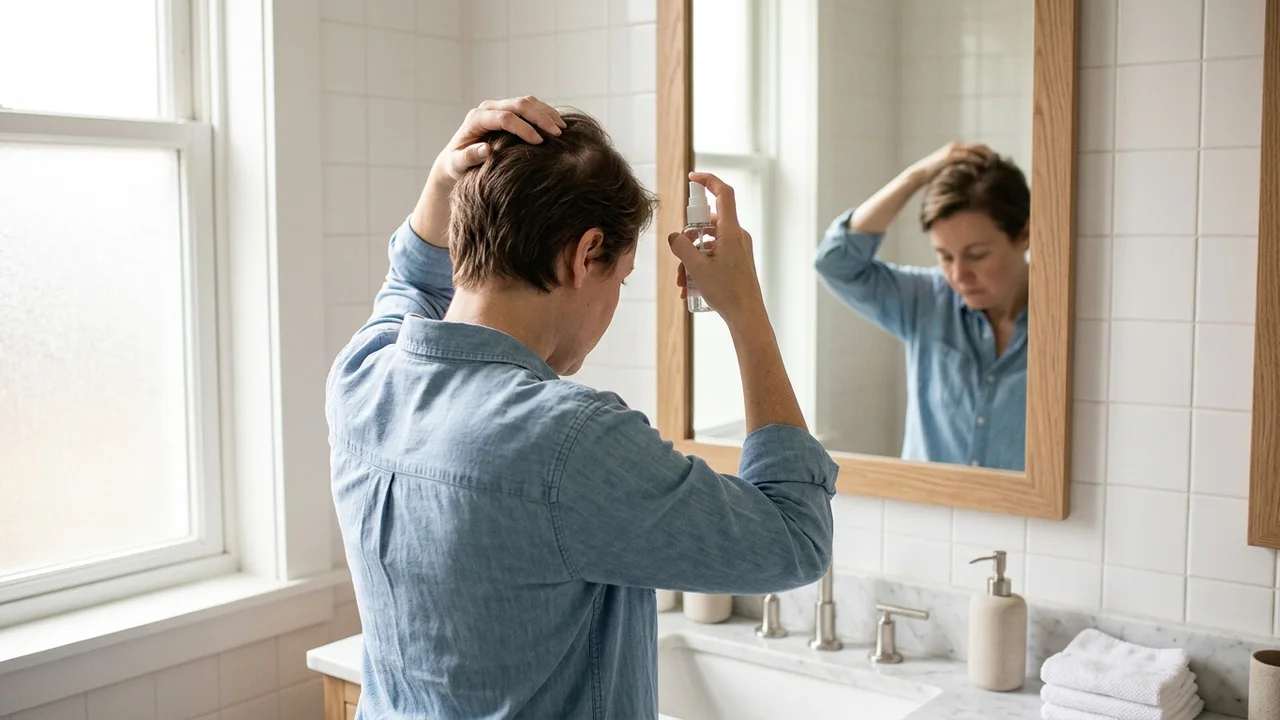
Your first hair wash is a significant milestone in your recovery, but it's usually performed under strict guidance, often by the clinic staff the day after your procedure, or with very specific instructions for you to do at home. In the first 24 hours, direct washing of the recipient area is generally avoided. Instead, you'll likely be instructed to apply a special lotion or spray to keep the area moist.
When the time comes for your first wash, it will be an incredibly gentle process, using lukewarm water and a mild, pH-balanced shampoo. The aim is to clean the area without disturbing the delicate grafts. For detailed instructions on subsequent washes and ongoing care, please refer to our dedicated guide on Post-Operative Hair Wash.

Diet, Hydration, and Lifestyle: What to Do on Day One
Maintaining a healthy lifestyle immediately after your hair transplant supports your body's healing process. Focus on light, nutritious meals that are easy to digest. Staying well-hydrated is crucial; drink plenty of water throughout the day. Avoid alcohol and smoking, as these can impede healing and increase the risk of complications.
Refrain from strenuous activities, heavy lifting, or any exercise that could elevate your heart rate or blood pressure, as this can increase swelling and put grafts at risk. Gentle walking is generally acceptable, but listen to your body and prioritise rest. Avoid direct sun exposure to your scalp and wear a loose-fitting hat (ensuring it doesn't touch the grafts) if you must go outdoors.
| DO | DON'T |
|---|---|
| Take prescribed medications as directed | Touch, rub, or scratch the transplanted area |
| Sleep on your back with head elevated (using a neck pillow) | Sleep on your stomach or side |
| Wear loose, button-up clothing | Wear pullover shirts that might snag grafts |
| Stay well-hydrated and eat light meals | Consume alcohol or smoke |
| Keep your head elevated and avoid bending down | Engage in strenuous exercise or heavy lifting |
| Apply prescribed sprays gently | Wash your hair directly (unless instructed by clinic) |
| Contact your clinic with any concerns | Ignore unusual symptoms or discomfort |
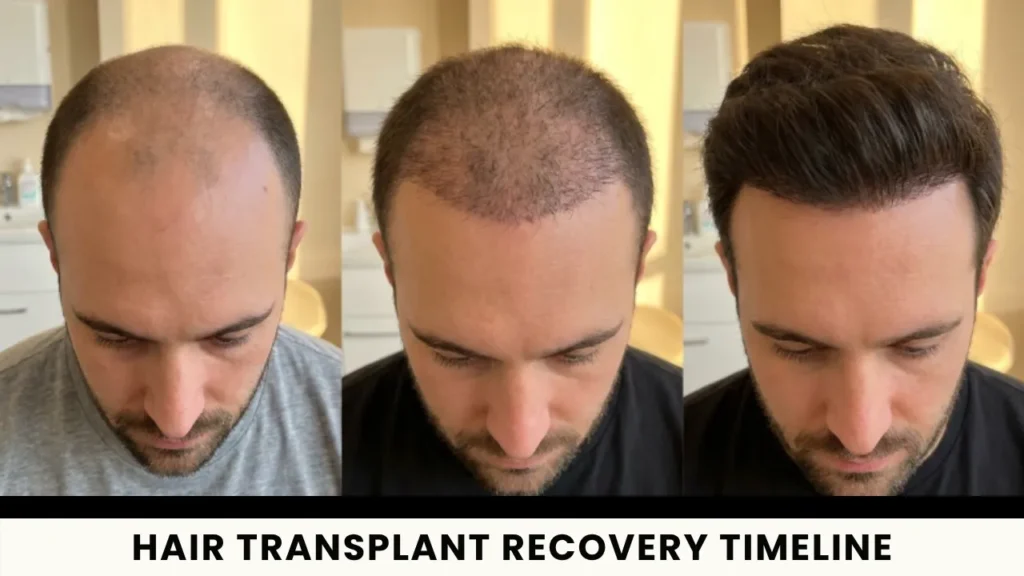
For a broader overview of what to expect in the weeks and months following your procedure, our Hair Transplant Recovery Timeline provides a helpful day-by-day and week-by-week breakdown.
When to Contact Your Clinic: Recognising Important Signs
While some discomfort, swelling, and redness are normal in the first 24 hours, it's important to be aware of signs that warrant contacting your clinic. These include:
- Severe, unmanageable pain despite medication.
- Excessive bleeding from either the donor or recipient area.
- Signs of infection, such as fever, pus, or increasing redness and warmth around the surgical sites.
- Unexpected allergic reactions to medications.
- Any accidental trauma to the transplanted area.
Your medical team at Turkey Hair Center is always available to address your concerns. Don't hesitate to reach out if something feels wrong or if you have questions that aren't covered in your aftercare instructions. Proactive communication ensures the best possible outcome.
Medical disclaimer: This article is for informational purposes only and is not medical advice. Individual results vary from person to person. Always consult a qualified doctor before any hair transplant procedure.
Get a Free Hair Analysis from Our Experts
Use our free online help tool to communicate your hair loss concerns – it only takes a few minutes. We’ll provide you with a personalized, non-binding quote.
Let’s Call You!

Popular Blogs
Hair Transplant Recovery Timeline: Day-by-Day, Week-by-Week and Month-by-Month Guide
Hair Transplant Recovery Timeline: Day-by-Day, Week-by-Week and Month-by-Month Guide Free Hair Analysis Homepage Blog Wayne…
Justin Bieber Hair Transplant: Hairline Analysis, Before & After Photos, Rumors & Expert Opinion
Justin Bieber Hair Transplant: Hairline Analysis, Before & After Photos, Rumors & Expert Opinion Free…
Wayne Rooney Hair Transplant: Before & After
Wayne Rooney Hair Transplant: Before & After Free Hair Analysis Homepage Blog Wayne Rooney Hair…

Conor McGregor Hair Transplant: Before & After
Conor McGregor Hair Transplant: Before & After Free Hair Analysis Homepage Blog Conor McGregor Hair…
Turkey Visa Requirements for Hair Transplant in Turkey
Turkey Visa Requirements for Hair Transplant in Turkey Free Hair Analysis Homepage Blog Turkey Visa…
David Silva Hair Transplant: Before & After
David Silva Hair Transplant: Before & After Free Hair Analysis Homepage Blog Discover David Silva…
Ready To
Book Your Appointment?
Reach out to us or complete our simple online form
and we’ll contact you to schedule a time that works perfectly for you.



Frequently Asked Questions