Sapphire FUE Hair Transplant: How the Blade Improves Results
Homepage

Blog
Sapphire FUE Hair Transplant: How the Blade Improves Results

Medical Reviewed By Dr. Tompi, M.D – Plastic & Aesthetic Surgeon
Written By Nazmi G, Trichologist
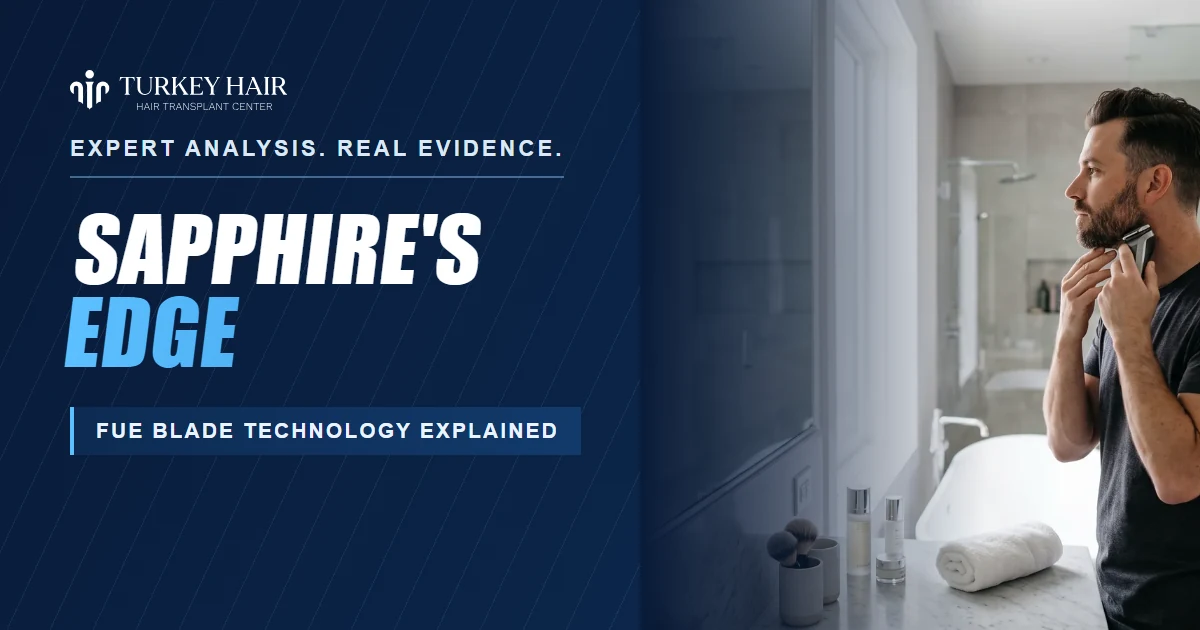

The Sapphire FUE difference is the blade used to create recipient channels for transplanted grafts. This technique uses blades tipped with genuine sapphire instead of traditional steel. The sapphire's exceptional sharpness and smooth surface allow for finer, more precise incisions. This can lead to reduced tissue trauma, potentially faster healing, and the ability to place grafts closer together for higher density, all while the graft extraction phase remains identical to the standard FUE method.
Follicular Unit Extraction (FUE) has evolved considerably, and Sapphire FUE is a key refinement of the implantation stage. This technique modifies the standard FUE procedure by using blades made from genuine sapphire to open channels in the recipient area. The core question for patients is what this material change means clinically and how it influences the surgical process and final aesthetic result.
A clear understanding of the technology is essential for making an informed decision. This guide provides a clinical explanation of Sapphire FUE, detailing how the properties of the sapphire blade directly affect channel creation, healing, and the overall quality of the hair transplant. We will examine the specific advantages this instrument offers over traditional steel blades.
Beyond the Basics: What is Sapphire FUE, Truly?
In any FUE hair transplant, individual follicular units are extracted from a donor area and implanted into a recipient area. The critical difference in Sapphire FUE lies in how the recipient sites, or channels, are created. Where traditional FUE often uses steel blades, Sapphire FUE employs surgical blades made from genuine sapphire. This is not a superficial change; the physical properties of sapphire—its hardness, smoothness, and ability to hold an exceptionally fine edge—directly enhance the precision of the channel creation phase. While graft extraction and handling remain the same, the instrument used for implantation significantly influences the surgical environment and the potential outcome.
The Material Advantage: Why Sapphire, Not Steel?
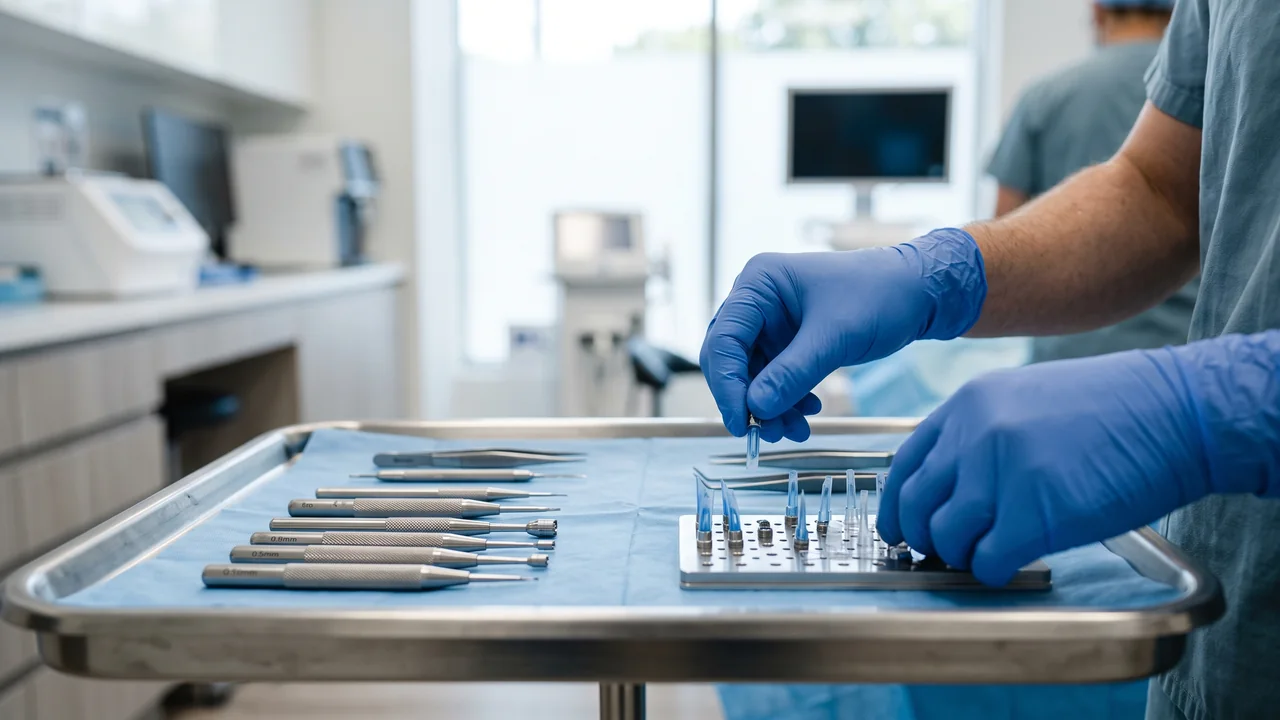
The selection of sapphire over steel is based on clear material science advantages. Sapphire is one of the hardest minerals, meaning its blade edge remains sharp and consistent throughout a lengthy procedure, unlike steel which can dull with use. This sustained sharpness allows the surgeon to make uniform, precise incisions from start to finish. Additionally, sapphire's surface is incredibly smooth, which reduces friction and tissue drag as the channel is created. As a biocompatible material, it also minimises the risk of metal allergies or tissue irritation, making it a suitable choice for sensitive scalps.
Precision Engineering: How the Sapphire Blade Creates Superior Channels
The design of a sapphire blade allows for the creation of V-shaped micro-channels, a key distinction from the broader, U-shaped slits often made by steel blades. This specific geometry has several clinical implications for the transplant:
- Improved Graft Seating: The V-shaped channel mirrors the cylindrical shape of a follicular unit, allowing the graft to sit securely with minimal movement. This snug fit improves contact with surrounding tissue, which is vital for revascularisation and nutrient supply.
- Potential for Higher Density: The fine tip of the sapphire blade allows incisions to be made closer together without disrupting the integrity of the intervening tissue and its blood supply. This facilitates higher-density packing, which is often required for a visually dense result.
- Precise Angular Control: The sharpness of the blade gives the surgeon exceptional control over the depth, angle, and direction of each incision. This precision is fundamental to recreating a natural hair growth pattern and ensuring the final result is seamless and undetectable.
Minimising Trauma, Maximising Healing
A direct clinical benefit of the sapphire blade is a significant reduction in tissue trauma during channel creation. Because the blade is sharper and smoother than steel, it incises the skin cleanly with less friction and collateral tissue damage. This less traumatic process has direct post-operative advantages for the patient:
- Less Intraoperative Bleeding: The clean incisions cause less damage to the microvasculature of the scalp, resulting in less bleeding during the procedure and a clearer surgical field.
- Reduced Post-operative Oedema: Less tissue trauma leads to a less pronounced inflammatory response, which can mean less swelling in the days following the procedure.
- More Rapid Healing: The scalp can recover more efficiently from cleaner, smaller incisions. This often translates to faster scab formation and shedding, contributing to a more comfortable recovery. For a detailed guide on post-operative care, please refer to our hair transplant recovery timeline.
Enhanced Graft Survival and Natural Results
The primary goal of any transplant is to maximise graft survival. The Sapphire FUE technique supports this by creating an optimal environment for the grafts. By minimising tissue trauma and ensuring a snug fit within the channel, the likelihood of successful revascularisation—the process where the graft reconnects to the body's blood supply—is improved. Higher graft viability is fundamental to achieving a dense, successful outcome. Moreover, the surgeon's ability to precisely control the angle and direction of each channel is critical for achieving a natural-looking result, particularly when recreating a soft, irregular hairline. This level of control is a key element in advanced hairline design.
Is Sapphire FUE Right for You? Patient Considerations
Determining the most suitable transplant technique requires a one-on-one clinical consultation. Sapphire FUE is often recommended for patients whose primary goal is achieving maximum density, such as in hairline reconstruction or crown coverage. It is also a strong option for individuals with skin sensitivity, as the reduced trauma can contribute to a smoother recovery. A surgeon will assess factors like your pattern and degree of hair loss, donor area characteristics, and scalp condition to recommend the most appropriate surgical plan. We provide a range of techniques, including standard FUE, DHI, and Sapphire FUE, which are outlined on our treatments page.

Understanding the Investment: Sapphire FUE Costs
The cost of a Sapphire FUE procedure reflects the advanced instrumentation and high level of surgical skill required. The single-use sapphire blades are more costly than steel, and their effective use demands specific training and experience. This positions Sapphire FUE as a premium surgical option. Patients should view the cost difference in the context of the technique's potential benefits, such as improved density and a more comfortable recovery. A full explanation of the factors that determine pricing for procedures in Turkey is available on our hair transplant cost guide.
Sapphire Blade FUE vs. Traditional Steel Blade FUE: A Comparison
| Feature | Sapphire Blade FUE | Traditional Steel Blade FUE |
|---|---|---|
| Blade Material | Monocrystalline Sapphire | Surgical Steel |
| Blade Sharpness | Sustains a fine, sharp edge for consistent incisions | Edge can dull during the procedure, affecting incision consistency |
| Channel Shape | Fine, V-shaped channels for a snug graft fit | Wider, U-shaped or slit-shaped channels |
| Tissue Trauma | Reduced due to less friction and a sharper incision | More tissue drag and friction compared to sapphire |
| Bleeding & Swelling | Minimised intraoperative bleeding and post-operative oedema | Generally more bleeding and post-operative swelling |
| Healing Time | Potentially faster healing due to cleaner incisions | Standard FUE recovery timeline |
| Graft Fit & Density | Enables higher density packing and secure graft seating | Standard density; grafts may have more room for movement |
| Scarring | Minimal micro-scarring; promotes finer healing | Minimal micro-scarring |
Medical disclaimer: This article is for informational purposes only and is not medical advice. Individual results vary from person to person. Always consult a qualified doctor before any hair transplant procedure.
Get a Free Hair Analysis from Our Experts
Use our free online help tool to communicate your hair loss concerns – it only takes a few minutes. We’ll provide you with a personalized, non-binding quote.
Let’s Call You!

Popular Blogs
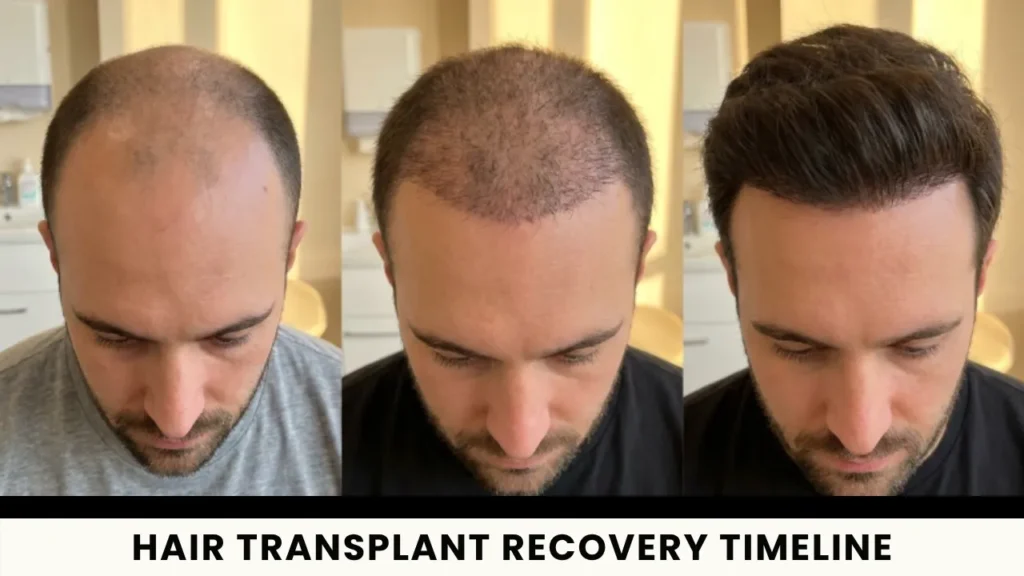
Hair Transplant Recovery Timeline: Day-by-Day, Week-by-Week and Month-by-Month Guide
Hair Transplant Recovery Timeline: Day-by-Day, Week-by-Week and Month-by-Month Guide Free Hair Analysis Homepage Blog Wayne…
Justin Bieber Hair Transplant: Hairline Analysis, Before & After Photos, Rumors & Expert Opinion
Justin Bieber Hair Transplant: Hairline Analysis, Before & After Photos, Rumors & Expert Opinion Free…
Wayne Rooney Hair Transplant: Before & After
Wayne Rooney Hair Transplant: Before & After Free Hair Analysis Homepage Blog Wayne Rooney Hair…

Conor McGregor Hair Transplant: Before & After
Conor McGregor Hair Transplant: Before & After Free Hair Analysis Homepage Blog Conor McGregor Hair…
Turkey Visa Requirements for Hair Transplant in Turkey
Turkey Visa Requirements for Hair Transplant in Turkey Free Hair Analysis Homepage Blog Turkey Visa…
David Silva Hair Transplant: Before & After
David Silva Hair Transplant: Before & After Free Hair Analysis Homepage Blog Discover David Silva…
Ready To
Book Your Appointment?
Reach out to us or complete our simple online form
and we’ll contact you to schedule a time that works perfectly for you.



Frequently Asked Questions