A Second Hair Transplant: When It Makes Sense
Homepage

Blog
A Second Hair Transplant: When It Makes Sense

Medical Reviewed By Dr. Tompi, M.D – Plastic & Aesthetic Surgeon
Written By Nazmi G, Trichologist

A second hair transplant is indicated when native hair loss progresses into new areas, when greater density is required in a previously treated zone, or to correct a suboptimal result from an earlier procedure. This is contingent on the patient having sufficient remaining follicles in their donor area. Surgeons require a minimum of 12 months for the first transplant to fully mature before assessing and planning a subsequent session.
While a single hair transplant is sufficient for many patients, androgenetic alopecia is a progressive condition. Further thinning may necessitate a second procedure to maintain a consistent appearance. A follow-up transplant is a distinct clinical undertaking, not a simple repetition of the first. It demands a more complex evaluation of the scalp, donor capacity, and realistic surgical goals.
An informed patient is essential for a successful outcome. This guide outlines the clinical criteria for a second hair transplant, detailing the factors that determine candidacy and the realistic results that can be achieved. At Turkey Hair Center, our approach is grounded in a thorough assessment and transparent communication with every patient.
Understanding the Need for a Second Hair Transplant
Patients consider a second hair transplant for several distinct clinical reasons:
- Progressive Hair Loss: Androgenetic alopecia can continue to affect untreated native hair, creating new areas of thinning behind or adjacent to the initial transplant. A second procedure can address these emergent areas.
- Increased Density: The first session may have established coverage, but a patient might desire greater follicular density for a fuller look. This is a common reason, provided the donor area can support it.
- Hairline or Crown Refinement: After living with the initial result, a patient may wish to make subtle adjustments, such as lowering the hairline slightly or adding density to the crown, which may have been a lower priority in the first session.
- Correcting a Previous Procedure: A second transplant may be necessary to improve the aesthetic outcome of a procedure performed elsewhere that resulted in low graft survival, poor design, or unnatural-looking results.
A clinical evaluation is required to differentiate between the natural progression of hair loss and issues stemming from the initial surgery, which informs the strategy for the second procedure.
Key Factors Determining Candidacy for a Second Procedure
Suitability for a second hair transplant is determined by a careful assessment of several clinical factors:
- Donor Area Health and Capacity: This is the primary limiting factor. The density, quality, and available number of follicular units remaining in the donor scalp (the occipital and temporal regions) are meticulously calculated. An over-harvested or depleted donor area may preclude a second procedure.
- Stability of Hair Loss: The patient's hair loss pattern should ideally be stable. If hair loss is rapid and unmanaged, transplanting into thinning areas can result in an unnatural look as native hair recedes further. Medical therapies such as Minoxidil and Finasteride are often used to achieve stability. You can review our guide on Minoxidil and Finasteride after a Hair Transplant.
- Patient Expectations: A clear understanding of what is achievable is critical. A second transplant can add density and coverage, but it cannot defy the mathematical reality of a finite donor supply. We work with patients to set realistic, achievable goals.
- Overall Health: As with any surgical procedure, the patient's general health must be sufficient to undergo another session safely. Any underlying medical conditions are reviewed.
The Importance of a Sufficient Donor Area
The donor area is a finite resource of permanent hair follicles. A second procedure places additional demands on this supply, making its condition the most critical variable. Our specialists conduct a detailed analysis of your donor area, evaluating:
- Follicle Density: The number of viable follicular units (grafts) available per square centimetre is measured to calculate the potential yield without causing visible thinning.
- Hair Calibre: The thickness (diameter) of individual hair shafts. Thicker hair provides better visual coverage per graft, influencing the surgical plan.
- Skin Laxity: The elasticity of the scalp skin, which is a consideration for healing and extraction, particularly if a previous procedure involved the FUT (strip) method.
- Scarring: The extent of any micro-scarring from the first procedure (typically FUE or DHI) is assessed to ensure the viability of surrounding follicles and the aesthetic appearance of the donor site.
If the scalp donor supply is exhausted, body hair transplantation (BHT) may be a limited option, but it involves different considerations. For more detail, please read our article on The Donor Area: Why It's Crucial for Your Hair Transplant.
Timing is Everything: When to Consider a Second Transplant
A minimum waiting period of 12 months is clinically necessary before considering a second transplant; in some cases, waiting up to 18 months is preferable. This timeframe is not arbitrary and serves several important functions:
- Full Results Maturation: Transplanted hair follicles require 12 to 18 months to fully grow, thicken, and reveal the final density and texture of the first procedure. Any assessment before this point is premature.
- Donor Area Recovery: The donor area must completely heal from the initial extractions. This allows any temporary shock loss to resolve and provides an accurate measure of its remaining capacity for a second harvest.
- Stabilisation of Hair Loss: This period allows the surgeon to observe the progression of your native hair loss, enabling a more strategic plan for graft placement in the second session to anticipate future patterns.
Our partner surgeons will provide a clear recommendation on timing based on the clinical evaluation of your hair and scalp.
What to Expect During a Second Hair Transplant Consultation
A consultation for a second procedure is more in-depth than the first, focusing on the changes that have occurred since the initial transplant. It will include:
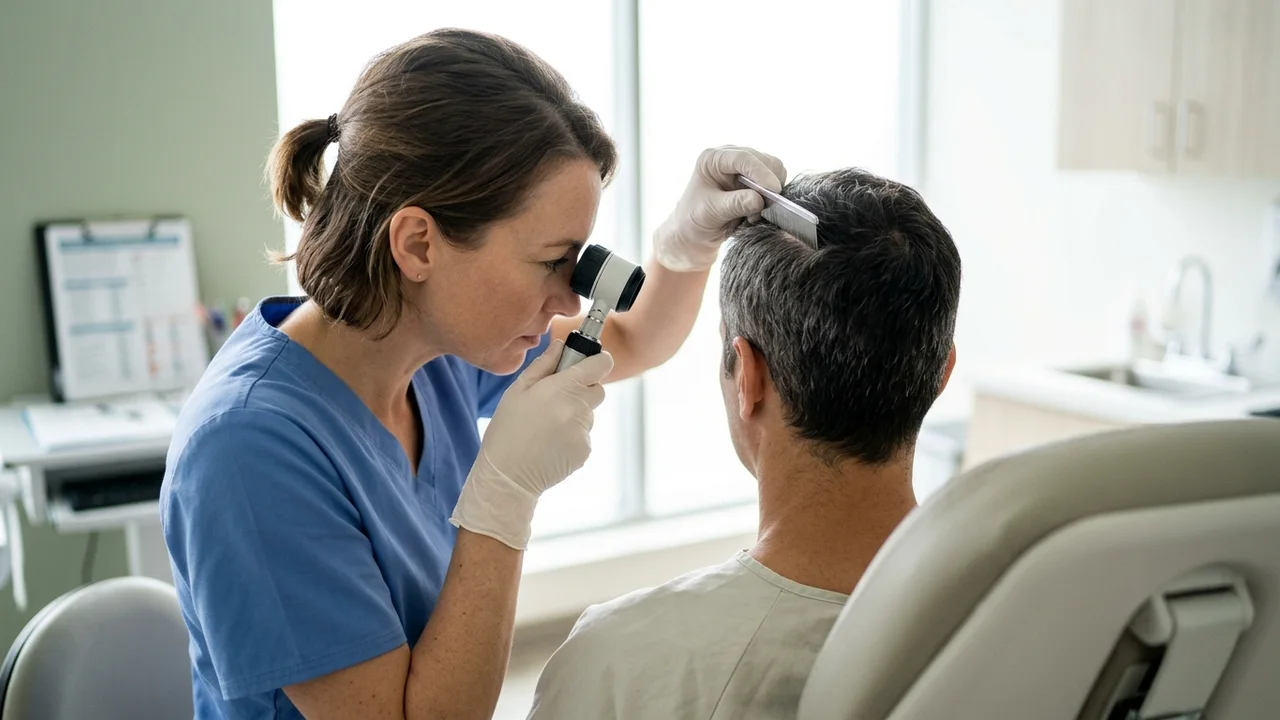
- Comprehensive Hair and Scalp Analysis: Using high-magnification tools (trichoscopy), we examine the previously transplanted zones, the state of remaining native hair, and, most importantly, the condition of the donor area.
- Review of Previous Surgery: We will discuss the details of your first transplant, including the technique used (e.g., FUE, DHI), the number of grafts placed, and the clinic that performed it. This information helps inform the new surgical plan.
- Evaluation of Hair Loss Progression: A detailed history of your hair loss since the first procedure helps us create a long-term, sustainable strategy.
- Realistic Goal Setting: The surgeon will provide a transparent assessment of what can be achieved with your remaining donor supply, defining clear expectations for density and coverage.
- Technique Discussion: The optimal technique for a second procedure, such as Sapphire FUE or DHI, will be determined by your specific needs, donor area condition, and aesthetic goals. We invite you to read more on our FUE Hair Transplant and DHI Hair Transplant pages.
Risks and Challenges Unique to a Second Procedure
While hair transplantation is a safe procedure, a second session introduces specific challenges that require an experienced surgical team:
- Donor Area Depletion: The primary risk is over-harvesting, which can create a thin, 'moth-eaten' appearance in the donor area that is difficult to conceal. A responsible surgeon will prioritise the long-term aesthetic of this zone.
- Increased Scarring Potential: Although modern FUE techniques produce minimal scarring, repeated extractions can increase the cumulative effect of micro-scars, potentially impacting the appearance and health of the donor area.
- Lower Graft Yield: The presence of existing scar tissue or reduced blood supply in previously operated areas can sometimes lead to a slightly lower graft survival rate compared to a procedure on a virgin scalp.
- Managing Expectations: The surgical goals for a second transplant may need to be more conservative than the first, depending entirely on the remaining donor resources.
A frank discussion of these risks with your surgeon is a key part of the consultation process.

When a Second Hair Transplant May Not Be Advisable
Our primary duty is to the patient's long-term well-being and satisfaction. There are clear clinical situations where we would advise against a second procedure:
| When a Second Transplant Makes Sense | When a Second Transplant May Not Be Advisable |
|---|---|
| Documented progression of hair loss in untreated areas. | A severely depleted or poor-quality donor area. |
| Desire for increased density with a confirmed sufficient donor supply. | Unrealistic expectations that cannot be met by the available donor hair. |
| Aesthetic refinement of hairline or crown after full maturation of the first result. | Aggressive, unstable hair loss not controlled by medical therapy. |
| Correction of a poor result from a previous surgery, after a full assessment. | Poor general health or scalp conditions that contraindicate further surgery. |
If a second transplant is not in your best interest, we will explain the clinical reasoning and discuss non-surgical alternatives, such as medical management or scalp micropigmentation (SMP), where appropriate.
Maximising the Success of Your Second Transplant
For patients who are suitable candidates, several factors are critical for maximising the outcome of a second procedure:
- Choose an Experienced Clinic: A second transplant requires advanced skills in donor management and aesthetic design. Select a surgical team with demonstrable experience in revision and multi-session cases. Our guide on choosing a clinic in Turkey provides key criteria.
- Follow Post-Operative Care Meticulously: Strict adherence to the post-operative protocol for cleaning, medication, and activity is essential for protecting the new grafts and ensuring optimal healing. Our aftercare checklist provides detailed instructions.
- Adherence to Medical Treatments: If you are on a prescribed regimen of Finasteride or Minoxidil, continuing this treatment is vital for preserving your non-transplanted native hair.
- Maintain a Healthy Lifestyle: Proper nutrition and avoiding smoking are important for supporting blood circulation and the body's healing processes, which directly impact graft survival.
A well-planned second hair transplant can significantly enhance the results of your initial procedure. With expert surgical planning and realistic goals, you can achieve a lasting and natural-looking outcome.
Medical disclaimer: This article is for informational purposes only and is not medical advice. Individual results vary from person to person. Always consult a qualified doctor before any hair transplant procedure.
Get a Free Hair Analysis from Our Experts
Use our free online help tool to communicate your hair loss concerns – it only takes a few minutes. We’ll provide you with a personalized, non-binding quote.
Let’s Call You!

Popular Blogs
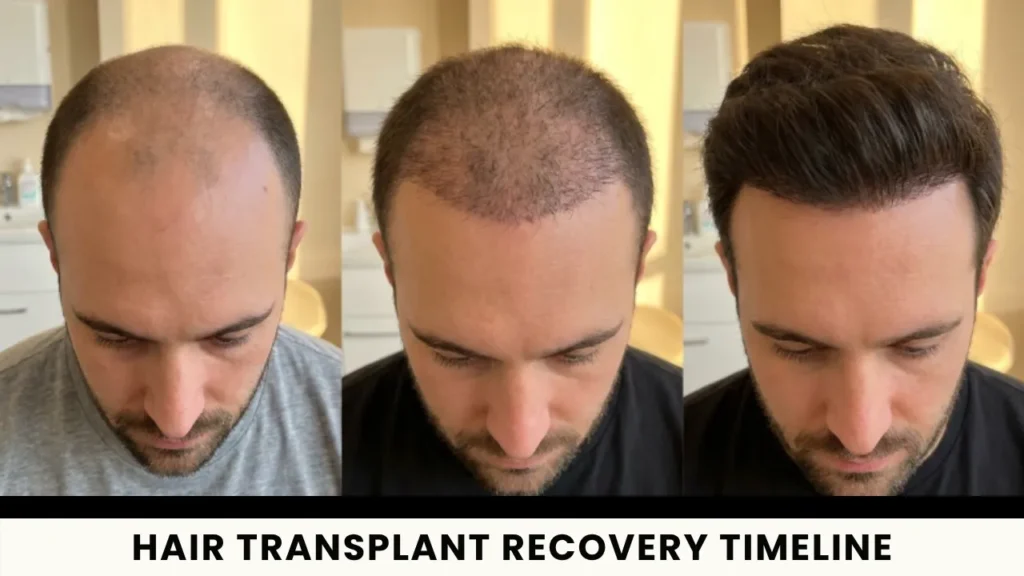
Hair Transplant Recovery Timeline: Day-by-Day, Week-by-Week and Month-by-Month Guide
Hair Transplant Recovery Timeline: Day-by-Day, Week-by-Week and Month-by-Month Guide Free Hair Analysis Homepage Blog Wayne…

Justin Bieber Hair Transplant: Hairline Analysis, Before & After Photos, Rumors & Expert Opinion
Justin Bieber Hair Transplant: Hairline Analysis, Before & After Photos, Rumors & Expert Opinion Free…
Wayne Rooney Hair Transplant: Before & After
Wayne Rooney Hair Transplant: Before & After Free Hair Analysis Homepage Blog Wayne Rooney Hair…

Conor McGregor Hair Transplant: Before & After
Conor McGregor Hair Transplant: Before & After Free Hair Analysis Homepage Blog Conor McGregor Hair…
Turkey Visa Requirements for Hair Transplant in Turkey
Turkey Visa Requirements for Hair Transplant in Turkey Free Hair Analysis Homepage Blog Turkey Visa…
David Silva Hair Transplant: Before & After
David Silva Hair Transplant: Before & After Free Hair Analysis Homepage Blog Discover David Silva…
Ready To
Book Your Appointment?
Reach out to us or complete our simple online form
and we’ll contact you to schedule a time that works perfectly for you.



Frequently Asked Questions