Hair Loss Due to Scalp Infections: Causes, Symptoms, and 2026 Treatments
Homepage

Blog
Hair Loss Due to Scalp Infections: Causes, Symptoms, and 2026 Treatments

Medical Reviewed By Dr. Tompi, M.D – Plastic & Aesthetic Surgeon
Written By Nazmi G, Trichologist

Approximately 1 in 5 individuals will experience some form of scalp condition in their lifetime, with infections representing a significant, often overlooked, contributor to hair loss. While many factors can lead to thinning hair or bald patches, such as genetics or hormonal changes, bacterial, fungal, or viral infections of the scalp present a unique challenge, directly compromising the environment essential for healthy hair growth.
Understanding the specific types of scalp infections, how they manifest, and the mechanisms by which they trigger hair loss is crucial for timely and effective intervention. This guide will provide a comprehensive overview, helping you identify potential issues and seek appropriate medical advice before permanent damage occurs.
The Intricate Link Between Scalp Health and Hair Growth
A healthy scalp is the foundation for healthy hair. The skin on your head, much like the rest of your body, is a complex ecosystem. It hosts millions of hair follicles, each nourished by blood vessels and protected by a delicate balance of oils (sebum) produced by the sebaceous glands, and a specific pH level. When this intricate balance is disrupted by an infection, the hair follicles can become inflamed, damaged, or even destroyed.
Specific details matter: The stratum corneum, the outermost layer of the scalp, acts as a critical barrier. When this barrier is compromised by pathogens, whether through minor abrasions or an overgrowth of resident microbes, it triggers an inflammatory response. This inflammation can restrict blood flow to the follicles, deprive them of essential nutrients, and in severe cases, directly attack the follicular structure, leading to premature hair shedding or impaired growth.

Common Scalp Infections That Lead to Hair Loss
Several types of infections can target the scalp, each with distinct characteristics and potential for hair loss:
- Tinea Capitis (Scalp Ringworm): This is a fungal infection, primarily caused by dermatophytes, which invades the hair shaft and follicle. It's particularly common in children but can affect adults. It typically presents as scaly, itchy patches with broken hairs and black dots where hairs have snapped off. A specific detail is that Microsporum canis and Trichophyton tonsurans are common culprits, often requiring systemic antifungal medication like oral griseofulvin or terbinafine for effective treatment.
- Folliculitis: Characterised by inflammation of the hair follicles, usually due to a bacterial (often Staphylococcus aureus) or sometimes fungal infection. It appears as small, red bumps or pustules around hair follicles, which can be itchy or painful. Left untreated, chronic folliculitis can lead to permanent scarring and hair loss in the affected areas.
- Impetigo: A highly contagious bacterial skin infection (usually Staphylococcus aureus or Streptococcus pyogenes) that can affect the scalp. It causes red sores that quickly rupture, ooze, and form honey-coloured crusts. While not always directly causing hair loss, the inflammation and scratching can damage follicles and lead to temporary shedding.
- Seborrheic Dermatitis (Severe Cases): While often considered a non-infectious inflammatory condition, severe seborrheic dermatitis is associated with an overgrowth of the yeast Malassezia globosa. This can lead to persistent itching, redness, and greasy, yellow scales on the scalp. Chronic inflammation and excessive scratching can weaken hair follicles, contributing to diffuse thinning.
- Cellulitis: A deeper bacterial skin infection that can affect the scalp. It causes redness, swelling, warmth, and pain. If severe, it can lead to abscess formation and permanent hair loss due to follicular destruction.
Recognising the Symptoms: When to Seek Professional Help
Early recognition of scalp infection symptoms is crucial for preventing extensive hair loss. While some symptoms overlap with other scalp conditions, certain signs strongly suggest an infection. Look for:
- Itching: Persistent and often intense itching is a hallmark of many scalp infections, particularly fungal ones like tinea capitis.
- Redness and Inflammation: Patches of red, inflamed skin, sometimes warm to the touch, indicate an active inflammatory process.
- Scaly Patches or Flakes: Unlike typical dandruff, scales from infections can be thicker, greasier, or have a distinct pattern. Tinea capitis, for instance, often features greyish, scaly patches.
- Pustules or Sores: Small, pus-filled bumps (pustules) or open sores are strong indicators of bacterial folliculitis or impetigo.
- Pain or Tenderness: The scalp may feel sore or painful, especially when touched, which is common in cellulitis or severe folliculitis.
- Hair Breakage or Patchy Hair Loss: Hairs may break off at the scalp surface, leaving 'black dot' appearance, or you may notice distinct, circular patches of hair loss.
- Swollen Lymph Nodes: In some cases, particularly with tinea capitis, lymph nodes in the neck may become swollen.
If you observe any combination of these symptoms, especially if they are worsening or accompanied by fever, it is advisable to consult a general practitioner or dermatologist promptly. A specific concrete detail is that waiting too long can allow the infection to spread or cause irreversible damage to hair follicles.
How Scalp Infections Damage Hair Follicles
The mechanism by which scalp infections cause hair loss varies depending on the pathogen, but the underlying principle involves disruption to the hair growth cycle and direct damage to the follicle. Hair typically grows in three phases: anagen (growth), catagen (transition), and telogen (resting/shedding).
When an infection takes hold, it can:
- Induce Inflammation: The body's immune response to an infection involves inflammation, which, while protective, can also harm surrounding tissues. Chronic or severe inflammation around the hair follicle can constrict blood vessels, reducing the supply of oxygen and nutrients vital for hair growth. This can force hair prematurely into the telogen phase, leading to increased shedding (telogen effluvium) or disrupt the anagen phase, causing hair to break.
- Direct Pathogen Attack: Fungi, such as those causing tinea capitis, directly invade the hair shaft and follicle, weakening the hair structure until it breaks. Bacteria, in cases like folliculitis or impetigo, can create abscesses or destroy the follicle's cells, leading to its collapse.
- Scarring: In severe or chronic infections, the intense inflammatory process can lead to the formation of scar tissue. This is known as cicatricial (scarring) alopecia. Once scar tissue replaces healthy follicular tissue, the hair follicle is permanently destroyed and cannot regrow hair. A specific detail is that conditions like dissecting cellulitis of the scalp or folliculitis decalvans, though rarer, are examples of severe inflammatory conditions leading to scarring alopecia.
Diagnosis and Treatment Approaches
Accurate diagnosis is the first step towards effective treatment for hair loss caused by scalp infections. A medical professional will typically begin with a thorough examination of your scalp and a review of your medical history.
Diagnostic methods may include:
- Dermoscopy: Using a specialised magnified lens to examine the scalp and hair structures in detail.
- Fungal Culture: Taking a scraping of skin or a hair sample from an affected area to identify specific fungal pathogens.
- Bacterial Swab: Swabbing pustules or sores to identify bacterial species.
- Biopsy: In some complex or persistent cases, a small tissue sample may be taken for microscopic examination to confirm the diagnosis and assess the extent of follicular damage.
Treatment is then tailored to the specific type of infection:
| Infection Type | Typical Symptoms | Common Treatment Approaches |
|---|---|---|
| Tinea Capitis (Fungal) | Scaly, itchy patches, hair breakage, black dots, swollen lymph nodes | Oral antifungals (e.g., Griseofulvin, Terbinafine), medicated shampoos (e.g., Ketoconazole, Selenium Sulphide) |
| Bacterial Folliculitis | Red, tender bumps or pustules around hair follicles, itching | Topical antibiotics (e.g., Mupirocin), oral antibiotics (e.g., Doxycycline, Cephalexin) |
| Impetigo | Red sores that blister, ooze, and form honey-coloured crusts | Topical antibiotics, oral antibiotics for widespread cases |
| Severe Seborrheic Dermatitis (Yeast overgrowth) | Greasy, yellow scales, redness, intense itching | Antifungal shampoos (e.g., Ketoconazole, Ciclopirox), topical corticosteroids to reduce inflammation |
| Cellulitis | Redness, swelling, warmth, pain, fever in severe cases | Oral antibiotics, intravenous antibiotics for severe infections |
It's important to complete the full course of medication, even if symptoms improve, to ensure the infection is fully eradicated and prevent recurrence.

Preventing Scalp Infections and Maintaining Hair Health
Prevention is always better than cure, especially when it comes to scalp infections and preserving hair health. Adopting good hygiene practices and understanding risk factors can significantly reduce your chances of developing these conditions.
- Good Scalp Hygiene: Regularly wash your hair with a mild shampoo suitable for your hair type. Avoid excessive washing or infrequent washing, both of which can disrupt the scalp's natural balance.
- Avoid Sharing Personal Items: Do not share combs, brushes, hats, towels, or pillowcases, especially if you suspect someone has a scalp infection. This is a specific detail for preventing the spread of contagious conditions like tinea capitis.
- Keep Hair and Scalp Dry: After washing or swimming, ensure your scalp and hair are thoroughly dry, as damp environments promote fungal and bacterial growth.
- Manage Underlying Conditions: Conditions like diabetes or a compromised immune system can increase susceptibility to infections. Effective management of these health issues is crucial.
- Clean Hair Tools: Regularly clean and disinfect your combs, brushes, and hair accessories.
- Protective Hairstyles: Avoid excessively tight hairstyles that can cause traction and micro-traumas to the scalp, creating entry points for pathogens.
When Hair Loss Becomes Permanent: The Role of Scarring Alopecia and Hair Transplants
In cases where scalp infections are severe, chronic, or left untreated for extended periods, they can lead to permanent hair loss. This occurs primarily through the development of scarring alopecia, where the intense inflammation permanently damages and replaces the hair follicles with fibrous scar tissue.
Once a hair follicle is scarred, it loses its ability to produce hair, and natural regrowth in that area is impossible. Conditions like dissecting cellulitis, folliculitis decalvans, or severe, chronic tinea capitis that has led to a kerion (a highly inflammatory, boggy lesion) can result in this irreversible damage. A specific detail is that diagnosing scarring alopecia often requires a scalp biopsy to confirm the destruction of hair follicles and the presence of scar tissue.
For individuals with stable scarring alopecia, meaning the underlying inflammatory process has been effectively treated and is no longer active, hair transplantation may become a viable option to restore hair to the scarred areas. This procedure involves carefully extracting healthy hair follicles from a donor area (typically the back of the head) and transplanting them into the scarred, hairless regions. It's crucial that the infection is completely resolved and the scalp is healthy before considering such a procedure. For more information on potential solutions for permanent hair loss, you might find our guides on FUE Hair Transplant or DHI Hair Transplant helpful.
Medical disclaimer: This article is for informational purposes only and is not medical advice. Individual results vary from person to person. Always consult a qualified doctor before any hair transplant procedure.
Get a Free Hair Analysis from Our Experts
Use our free online help tool to communicate your hair loss concerns – it only takes a few minutes. We’ll provide you with a personalized, non-binding quote.
Let’s Call You!

Popular Blogs
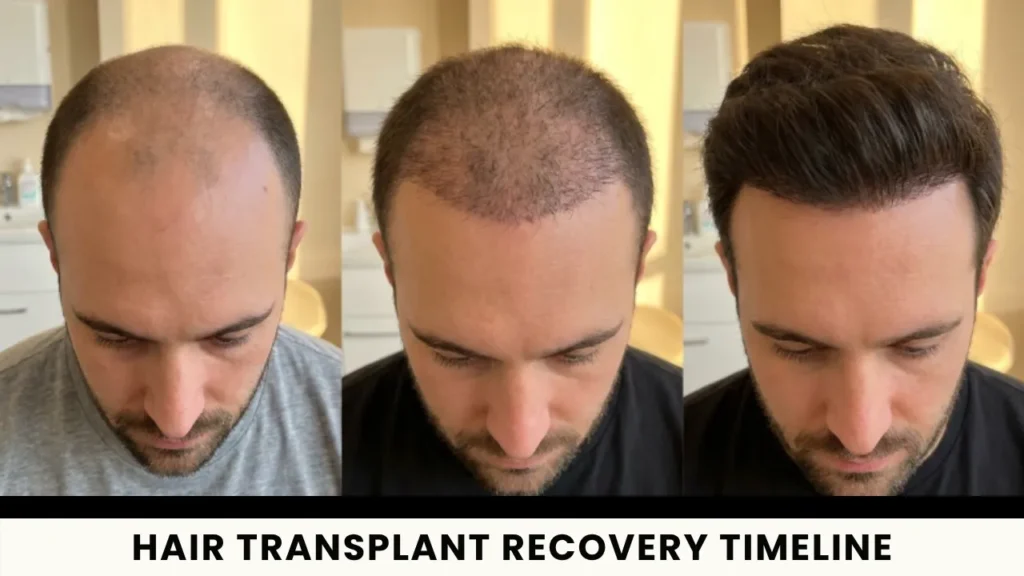
Hair Transplant Recovery Timeline: Day-by-Day, Week-by-Week and Month-by-Month Guide
Hair Transplant Recovery Timeline: Day-by-Day, Week-by-Week and Month-by-Month Guide Free Hair Analysis Homepage Blog Wayne…
Justin Bieber Hair Transplant: Hairline Analysis, Before & After Photos, Rumors & Expert Opinion
Justin Bieber Hair Transplant: Hairline Analysis, Before & After Photos, Rumors & Expert Opinion Free…
Wayne Rooney Hair Transplant: Before & After
Wayne Rooney Hair Transplant: Before & After Free Hair Analysis Homepage Blog Wayne Rooney Hair…

Conor McGregor Hair Transplant: Before & After
Conor McGregor Hair Transplant: Before & After Free Hair Analysis Homepage Blog Conor McGregor Hair…
Turkey Visa Requirements for Hair Transplant in Turkey
Turkey Visa Requirements for Hair Transplant in Turkey Free Hair Analysis Homepage Blog Turkey Visa…

David Silva Hair Transplant: Before & After
David Silva Hair Transplant: Before & After Free Hair Analysis Homepage Blog Discover David Silva…
Ready To
Book Your Appointment?
Reach out to us or complete our simple online form
and we’ll contact you to schedule a time that works perfectly for you.



Frequently Asked Questions