The Difference Between Hair Loss and Hair Shedding: Understanding Normal Cycles and When to Seek Help
Homepage

Blog
The Difference Between Hair Loss and Hair Shedding: Understanding Normal Cycles and When to Seek Help

Medical Reviewed By Dr. Tompi, M.D – Plastic & Aesthetic Surgeon
Written By Nazmi G, Trichologist

Most adults typically shed between 50 and 100 hairs each day as part of a natural renewal process. This common experience often leads to a significant question: Am I simply shedding a normal amount of hair, or am I experiencing genuine hair loss? The distinction is crucial, not only for peace of mind but also for understanding when professional intervention might be necessary.
Confusion between hair shedding and hair loss is widespread, yet they represent fundamentally different processes. While one is a healthy, cyclical event, the other indicates a disruption in the hair growth cycle that can lead to noticeable thinning or baldness. This article will clarify these differences, explain the natural stages of hair growth, identify common triggers for increased shedding, and guide you on recognising the signs of true hair loss, ensuring you know when to seek expert advice.
The Hair Growth Cycle: A Natural Process
Our hair is constantly growing, resting, and renewing itself through a fascinating, cyclical process. Each individual hair follicle on your scalp operates independently, moving through three primary phases:
- Anagen (Growth Phase): This is the active growth period, lasting typically between two and seven years. During this time, hair cells divide rapidly, and the hair shaft grows about 1 cm per month. Approximately 85-90% of your hair is in the anagen phase at any given moment.
- Catagen (Transition Phase): A short transitional phase, lasting about two to three weeks. During catagen, hair growth stops, the outer root sheath shrinks, and the hair follicle detaches from the dermal papilla. Only about 1% of your hair is in this phase.
- Telogen (Resting Phase): This is the resting period, lasting around two to four months. The hair remains in the follicle, but it is no longer growing. At the end of the telogen phase, the old hair is shed, and a new hair begins to grow from the same follicle, pushing out the old one. Around 10-15% of your hair is in the telogen phase.
Understanding these specific durations helps contextualise normal shedding as the natural conclusion of the telogen phase.

What is Hair Shedding? The Normal Turnover
Hair shedding is the natural, healthy release of telogen-phase hairs. As new anagen hairs begin to grow, they push out the old, resting hairs. This is why you commonly find hairs on your brush, in the shower drain, or on your clothes. Shedding is a normal part of the hair renewal process, ensuring your scalp maintains a healthy population of active, growing hairs.
While shedding 50 to 100 hairs daily is considered typical, certain events can temporarily increase this number, a condition medically known as telogen effluvium. This often occurs a few months after a significant stressor, such as a severe illness, surgery, childbirth, extreme dieting, or significant emotional distress. In such cases, a larger percentage of hairs prematurely enter the telogen phase, leading to a noticeable increase in shedding. Crucially, with telogen effluvium, the hair follicles remain healthy and will typically resume normal growth once the trigger is resolved.
What is Hair Loss? A Deeper Concern
In contrast to shedding, true hair loss indicates a disruption in the hair growth cycle where follicles either stop producing hair entirely or produce progressively thinner, weaker hairs. This results in a noticeable reduction in overall hair density, often manifesting as receding hairlines, widening parts, or bald patches. Unlike shedding, where the follicle is merely releasing an old hair to make way for a new one, hair loss often signifies a problem with the follicle's ability to produce healthy hair.
Common types of hair loss include androgenetic alopecia (male or female pattern baldness), where follicles gradually miniaturise due to genetic and hormonal factors, eventually ceasing to produce visible hair. Other forms include alopecia areata, an autoimmune condition causing patchy hair loss, and traction alopecia, resulting from prolonged tension on the hair follicles. In these cases, the issue extends beyond simply shedding; it's about a failure of the follicle to sustain robust hair growth.
Key Differences: Shedding vs. Loss
Distinguishing between hair shedding and hair loss can be challenging, but understanding their fundamental differences is key to identifying the problem and seeking appropriate solutions. The table below highlights the primary distinctions:
| Feature | Hair Shedding (Normal/Temporary) | Hair Loss (Progressive/Clinical) |
|---|---|---|
| Mechanism | Natural release of resting hairs from healthy follicles. | Follicles stop growing or miniaturise, leading to reduced hair production. |
| Hair Quantity | Consistent daily amount (typically 50-100 hairs); increased temporarily during telogen effluvium. | Noticeable thinning, receding hairline, or bald patches; overall reduction in hair density. |
| Regrowth | Full regrowth expected as new hairs push out old ones. | Reduced or no regrowth; new hairs are often finer or weaker. |
| Scalp View | Generally healthy, no visible scalp thinning or bald spots, even with increased shedding. | Visible scalp, receding hairline, widening part line, or distinct bald spots become apparent. |
| Duration | Temporary (e.g., telogen effluvium resolves within months). | Often chronic and progressive without intervention (e.g., androgenetic alopecia). |
While increased shedding can be alarming, if the follicles are healthy, new hair will eventually replace the lost strands. With true hair loss, the underlying issue with the follicle means that, without treatment, the hair may not regrow to its previous density or quality.
Common Triggers for Increased Hair Shedding (Telogen Effluvium)
Many factors can temporarily disrupt the hair growth cycle, pushing a larger proportion of hairs into the resting (telogen) phase prematurely. This results in a period of increased shedding, typically occurring two to four months after the triggering event. These triggers, while causing concern, generally do not lead to permanent hair loss, and hair density often recovers once the underlying cause is addressed.
- Stress: Significant physical or emotional stress, such as major surgery, severe illness (like a high fever or COVID-19), or a traumatic event, can shock the system and induce widespread shedding.
- Hormonal Changes: Fluctuations in hormones are a common culprit. Post-partum hair loss (effluvium) is a prime example, as are changes related to menopause, thyroid imbalances (hypothyroidism or hyperthyroidism), or discontinuing hormonal birth control.
- Nutritional Deficiencies: Inadequate intake of essential nutrients vital for hair health can lead to increased shedding. Key deficiencies include iron, zinc, Vitamin D, and certain B vitamins.
- Medications: Several prescription medications can list increased hair shedding as a side effect. These include blood thinners, certain antidepressants, retinoids, beta-blockers, and some chemotherapy drugs.
- Rapid Weight Loss: Crash diets or significant, rapid weight loss can stress the body and deprive hair follicles of necessary nutrients, leading to temporary shedding.
Identifying and managing these specific triggers is often the first step in resolving excessive hair shedding.

Recognising the Signs of True Hair Loss
True hair loss, unlike temporary shedding, tends to be more persistent and often progressive. Recognising the specific patterns and changes can help you differentiate it from normal shedding and seek timely professional advice. The signs of genuine hair loss often indicate a deeper issue with the hair follicles themselves:
- Receding Hairline: For men, a common sign is a hairline that gradually moves backward, particularly at the temples and across the forehead.
- Thinning on the Crown or Top of the Head: Both men and women can experience a reduction in hair density on the top of the scalp. For men, this often manifests as a bald spot on the crown, while for women, it might appear as a widening part line.
- Patchy or Circular Bald Spots: This is characteristic of conditions like alopecia areata, where smooth, coin-sized patches of baldness appear suddenly on the scalp or other parts of the body.
- Increased Visibility of the Scalp: As hair density diminishes, the scalp becomes more apparent through the hair, especially under bright lighting.
- Hair Feeling Finer or Weaker Over Time: Individual hair strands may become thinner, shorter, and less pigmented, a process known as miniaturisation, which is typical of androgenetic alopecia.
- Hair That Doesn't Grow Back: If you notice areas where hair has fallen out and new hair isn't growing to replace it, or only grows back as very fine, vellus-like hair, this is a strong indicator of hair loss.
If you observe these persistent changes, it is advisable to consult a trichologist or dermatologist for a precise diagnosis. Early detection and intervention are crucial for managing progressive hair loss conditions effectively.
When to Seek Professional Advice
While occasional hair shedding is a normal part of life, there are clear indicators that suggest it's time to seek expert medical opinion. Ignoring these signs can lead to more advanced hair loss that might be harder to manage. Consider consulting a specialist if you experience any of the following:
- Persistent Excessive Shedding: If you are shedding significantly more than 100 hairs daily for an extended period (beyond six months) and the shedding doesn't seem to be resolving.
- Noticeable Thinning or Bald Patches: Any visible reduction in hair density, a receding hairline, a widening part, or the appearance of distinct bald spots warrants professional evaluation.
- Sudden, Unexplained Hair Loss: Rapid onset of hair loss without an obvious trigger should be investigated.
- Scalp Symptoms: If your hair loss is accompanied by itching, pain, redness, scaling, or pus on the scalp, it could indicate an underlying dermatological condition requiring treatment.
- Family History: If you have a strong family history of significant hair loss, especially at an early age, it's wise to be proactive and discuss your concerns with a specialist.
A qualified trichologist or dermatologist can accurately diagnose the cause of your hair concerns through a thorough examination, medical history, and sometimes blood tests. They can differentiate between temporary shedding and progressive hair loss, providing tailored advice and treatment options. If your hair loss is diagnosed as male or female pattern baldness, options like hair transplantation (see our pages on FUE Hair Transplant or DHI Hair Transplant) may be discussed as effective, long-term solutions.
Medical disclaimer: This article is for informational purposes only and is not medical advice. Individual results vary from person to person. Always consult a qualified doctor before any hair transplant procedure.
Get a Free Hair Analysis from Our Experts
Use our free online help tool to communicate your hair loss concerns – it only takes a few minutes. We’ll provide you with a personalized, non-binding quote.
Let’s Call You!

Popular Blogs
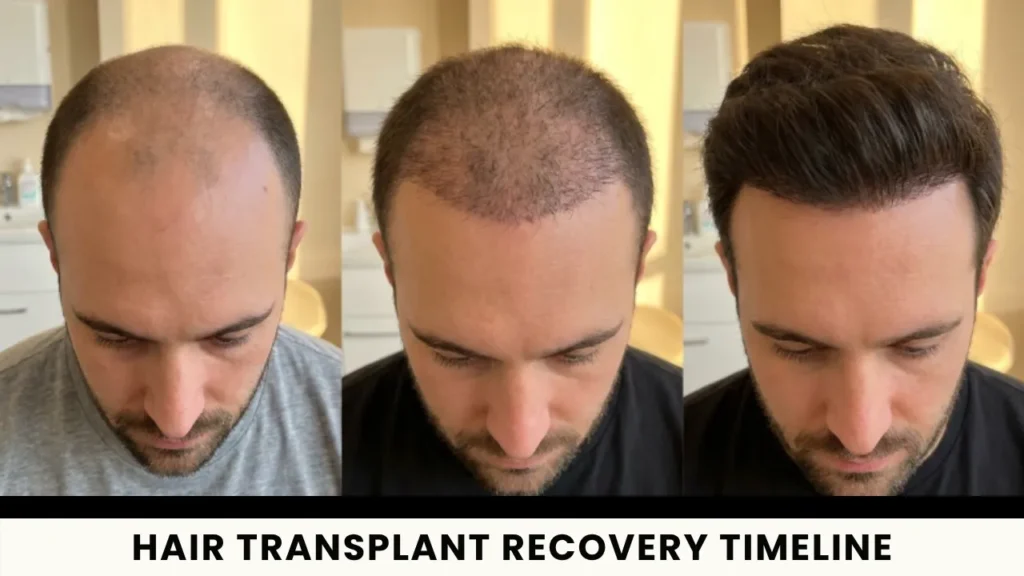
Hair Transplant Recovery Timeline: Day-by-Day, Week-by-Week and Month-by-Month Guide
Hair Transplant Recovery Timeline: Day-by-Day, Week-by-Week and Month-by-Month Guide Free Hair Analysis Homepage Blog Wayne…

Justin Bieber Hair Transplant: Hairline Analysis, Before & After Photos, Rumors & Expert Opinion
Justin Bieber Hair Transplant: Hairline Analysis, Before & After Photos, Rumors & Expert Opinion Free…

Wayne Rooney Hair Transplant: Before & After
Wayne Rooney Hair Transplant: Before & After Free Hair Analysis Homepage Blog Wayne Rooney Hair…

Conor McGregor Hair Transplant: Before & After
Conor McGregor Hair Transplant: Before & After Free Hair Analysis Homepage Blog Conor McGregor Hair…
Turkey Visa Requirements for Hair Transplant in Turkey
Turkey Visa Requirements for Hair Transplant in Turkey Free Hair Analysis Homepage Blog Turkey Visa…

David Silva Hair Transplant: Before & After
David Silva Hair Transplant: Before & After Free Hair Analysis Homepage Blog Discover David Silva…
Ready To
Book Your Appointment?
Reach out to us or complete our simple online form
and we’ll contact you to schedule a time that works perfectly for you.



Frequently Asked Questions