Hair Transplant Scars: FUE vs FUT and How to Hide Them
Homepage

Blog
Hair Transplant Scars: FUE vs FUT and How to Hide Them
Medical Reviewed By Dr. Tompi, M.D – Plastic & Aesthetic Surgeon
Written By Nazmi G, Trichologist

Modern FUE produces small, punctate scars scattered across the donor area which are typically unnoticeable and do not restrict hairstyle choices. In contrast, FUT leaves a single, fine linear scar where the donor strip was removed and sutured, a process requiring 10–14 days before suture removal. With expert surgical technique and correct aftercare, scars from both procedures heal to be well-concealed by surrounding hair.
Patient concerns about scarring are a primary and valid consideration in planning a hair transplant. While any surgical incision results in a scar, the visibility and pattern are determined by the chosen surgical technique. The fundamental difference between Follicular Unit Extraction (FUE) and Follicular Unit Transplantation (FUT) lies in how donor hair is harvested, which directly dictates the type of scar that will form.
At Turkey Hair Center, we provide clear, clinical information on what to expect from each procedure. This guide details the scarring characteristics of both FUE and FUT, explains the factors that influence healing, and outlines how our surgical team works to minimise scar visibility. Our objective is to ensure you have the necessary information to make a confident and informed decision.
Understanding Hair Transplant Scarring
All surgical procedures, including hair transplantation, create scars as part of the body's natural healing response. The visibility of these scars depends directly on the surgical method used, the surgeon's technical skill, and the patient's individual healing physiology. Advanced hair restoration techniques are specifically designed to make scarring as inconspicuous as possible.
The two principal methods of hair transplantation, FUE and FUT, employ distinct harvesting processes. FUE involves extracting hair follicles individually, while FUT involves removing a strip of tissue. This core difference is what leads to their unique and predictable scarring patterns in the donor area at the back and sides of the head.
FUT Hair Transplant Scars: The Linear Reality
Follicular Unit Transplantation (FUT), also known as the 'strip method', involves the surgical excision of a linear strip of scalp from the donor area. This tissue, rich in healthy hair follicles, is then meticulously dissected into individual follicular unit grafts by a specialised team using high-powered microscopes. The resulting incision is closed with sutures.
This process invariably results in a single, fine linear scar across the donor zone. The final length and width of this scar are influenced by the size of the donor strip required, the patient's scalp laxity, and the surgeon's closure technique. We employ an advanced 'trichophytic closure' method, which allows hair to grow directly through the scar tissue, significantly improving its concealment. Nonetheless, patients choosing FUT must understand that the scar is permanent and may be visible with very short hairstyles, such as a grade 1 or 2 clipper cut.
FUE Hair Transplant Scars: Tiny Dots, Big Difference
Follicular Unit Extraction (FUE) is a technique where individual follicular units are harvested one-by-one directly from the donor area. This is performed using a specialised micro-punch, typically 0.7mm to 1.0mm in diameter, which creates tiny, circular incisions around each graft. These small punctures heal to form minor, dot-like scars.
The primary advantage of FUE is that these micro-scars are diffusely scattered across a wide area, avoiding a single, contiguous line. When performed by an experienced surgeon who carefully disperses the extractions, these punctate scars are extremely difficult to detect, even when the hair is worn very short. A critical aspect of the technique is avoiding 'over-harvesting'—extracting too many grafts from one small zone—which preserves the overall density of the donor area and ensures the tiny scars are effectively camouflaged by the remaining hair.
FUE vs FUT Scars: A Direct Comparison
The choice between FUE and FUT directly impacts the donor area's appearance post-operatively. This table provides a clinical comparison of the scarring characteristics inherent to each method, helping you understand the trade-offs and make a decision that aligns with your lifestyle and hairstyle preferences.
| Feature | FUE (Follicular Unit Extraction) | FUT (Follicular Unit Transplantation) |
|---|---|---|
| Scar Type | Multiple small, circular punctate scars | Single linear scar |
| Scar Location | Distributed across the donor area (back/sides of head) | Horizontal line across the back of the head |
| Visibility with Short Hair | Typically allows for very short hairstyles without visible scarring | May be visible with very short hairstyles (e.g., grade 1-2 buzz cut) |
| Healing Time (Donor Area) | Faster initial healing; small scabs resolve within 7-14 days | Longer; sutures are typically removed after 10-14 days |
| Donor Area Sensation | Minimal long-term numbness or tightness | Potential for temporary or persistent altered sensation along the scar line |
| Post-Operative Pain | Generally mild discomfort manageable with standard analgesics | Can be more pronounced due to the incision and sutures |
| Potential for Scar Stretch | Negligible | A risk, particularly with poor scalp laxity, which can widen the scar |
Factors Influencing Scar Visibility
While the surgical technique is the primary determinant of scar type, several patient and procedural factors influence the final aesthetic outcome. The visibility of any scar is not solely dependent on the method used.
- Surgeon's Skill and Experience: This is the most critical variable. A specialist surgeon utilises precise extraction angles and distribution patterns in FUE, and executes meticulous, tension-free trichophytic closures in FUT to produce the least noticeable scars.
- Patient's Skin Characteristics: Individual healing capacity, skin elasticity, and any predisposition to hypertrophic or keloid scarring (rare on the scalp) will affect the final appearance of the scar tissue.
- Hair Characteristics: Greater hair density, coarse texture, and curl can provide superior camouflage for both FUE and FUT scars compared to fine, straight, or sparse hair.
- Number of Grafts Extracted: A larger procedure requires more extractions. In FUE, this means more punctate scars; in FUT, it necessitates a longer linear scar.
- Post-Operative Care: Strict adherence to the provided aftercare protocol is vital for preventing infection, promoting uncomplicated healing, and ensuring optimal scar maturation.
Minimising Scarring: Pre-Operative and Intra-Operative Steps
Effective scar management begins with careful pre-operative planning and precise intra-operative technique. These steps are standard protocol at our centre to ensure the best possible outcome for every patient.
- Surgeon and Clinic Selection: Select a clinic with board-certified surgeons who specialise exclusively in hair restoration. Evaluate their results, focusing on the appearance of the donor area in past patients. A reputable clinic prioritises patient safety and manages expectations realistically.
- Thorough Consultation: Your consultation should include a detailed assessment of your donor density, hair calibre, and scalp laxity. This allows the surgeon to recommend the most suitable technique and provide an honest projection of the likely scarring outcome based on your physiology.
- Optimal Donor Area Management: During an FUE procedure, a skilled surgeon avoids creating visible patterns or thinning by distributing extractions evenly. For FUT, a precise incision and a multi-layered, tension-free closure are critical to achieving a fine-line scar.
- Patient Health Optimisation: Your general health directly impacts healing. Following pre-operative instructions regarding smoking, alcohol, and certain medications is essential for minimising complications and supporting your body's healing process.

Post-Operative Scar Care and Management
Adherence to a strict post-operative care regimen is essential for uncomplicated healing and minimising scar tissue formation. Your clinic will provide a detailed timeline and instructions.
- Follow Washing Instructions: Gentle, prescribed washing of the scalp is critical to keep the area clean, prevent infection, and allow scabs to shed naturally without damaging the underlying tissue. Our Complete Hair Transplant Aftercare Checklist and After Hair Transplant Operation: What To Expect guides offer further detail.
- Avoid Sun Exposure: New scar tissue is vulnerable to UV radiation, which can cause hyperpigmentation (darkening) and impede healing. Protect the donor area with a hat when outdoors for at least six months post-surgery.
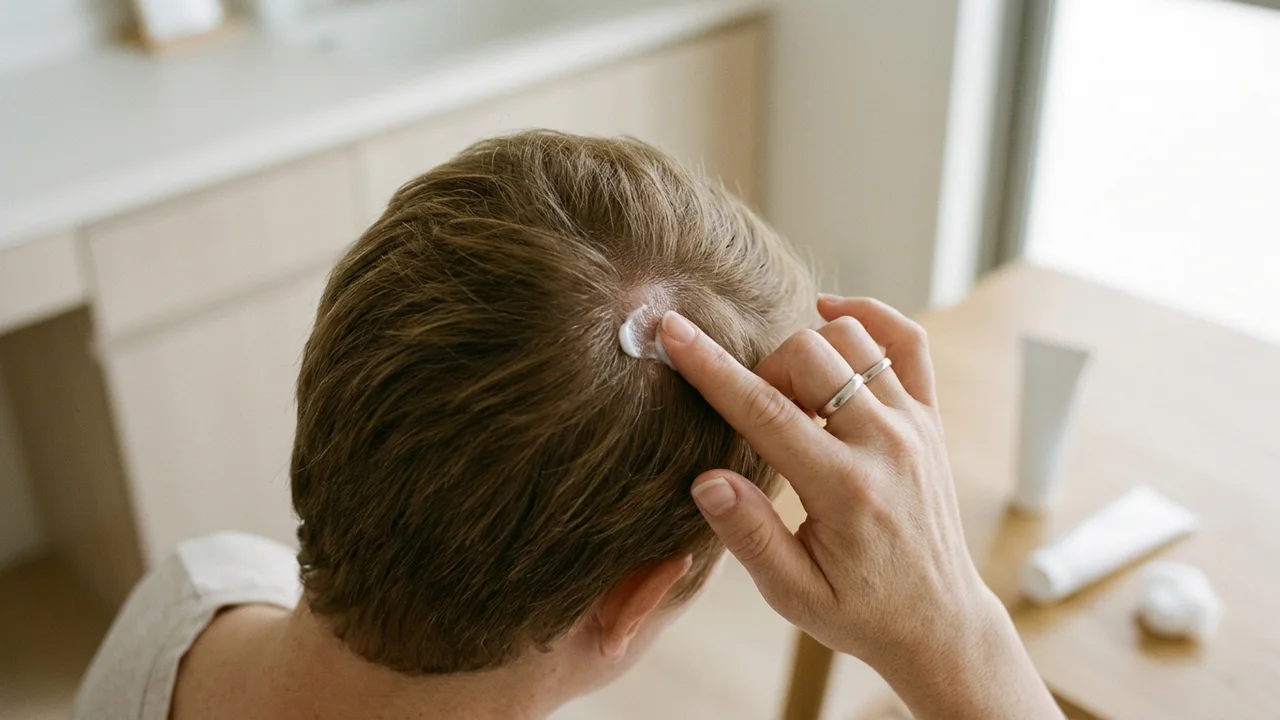
- Moisturise and Massage: After the initial healing phase (as advised by your surgeon), gentle massage of an FUT scar with a suitable emollient can help increase flexibility and flatten the scar tissue over time.
- Avoid Picking Scabs: Manually removing scabs can cause inflammation, increase the risk of infection, and lead to poorer scar quality. Allow them to detach on their own.
- Be Patient: Scar maturation is a long-term process. Scars will initially appear red and may be slightly raised, but they will gradually fade, soften, and flatten over 12 to 18 months.
- Consider Scar Treatments (If Needed): In the rare event a scar is more visible than desired, treatments can be considered after it has fully matured. Options include microneedling, laser therapy, or a scar hair transplant, where FUE grafts are placed directly into the scar.
Living with Hair Transplant Scars
For the vast majority of patients, scarring from modern hair transplant procedures does not restrict lifestyle or hairstyle choices. The clinical objective is to make any scarring functionally invisible.
- Hair Styling: FUE scars typically permit very short hairstyles, including grade 1 or 2 clipper cuts, without being noticeable. For FUT scars, a hairstyle of grade 3 or 4 length is usually sufficient to provide complete coverage of the linear scar.
- Scar Camouflage: For patients with a more prominent FUT scar, scalp micropigmentation (SMP) can be an effective non-surgical option to camouflage the area. As a permanent solution, transplanting FUE grafts directly into the scar can break up the line and conceal it with hair growth.
- Realistic Expectations: No surgical procedure is scar-free. The goal of a skilled hair transplant surgeon is not to promise an absence of scars, but to create a result where any scarring is clinically insignificant and aesthetically well-concealed.
Medical disclaimer: This article is for informational purposes only and is not medical advice. Individual results vary from person to person. Always consult a qualified doctor before any hair transplant procedure.
Get a Free Hair Analysis from Our Experts
Use our free online help tool to communicate your hair loss concerns – it only takes a few minutes. We’ll provide you with a personalized, non-binding quote.
Let’s Call You!

Popular Blogs
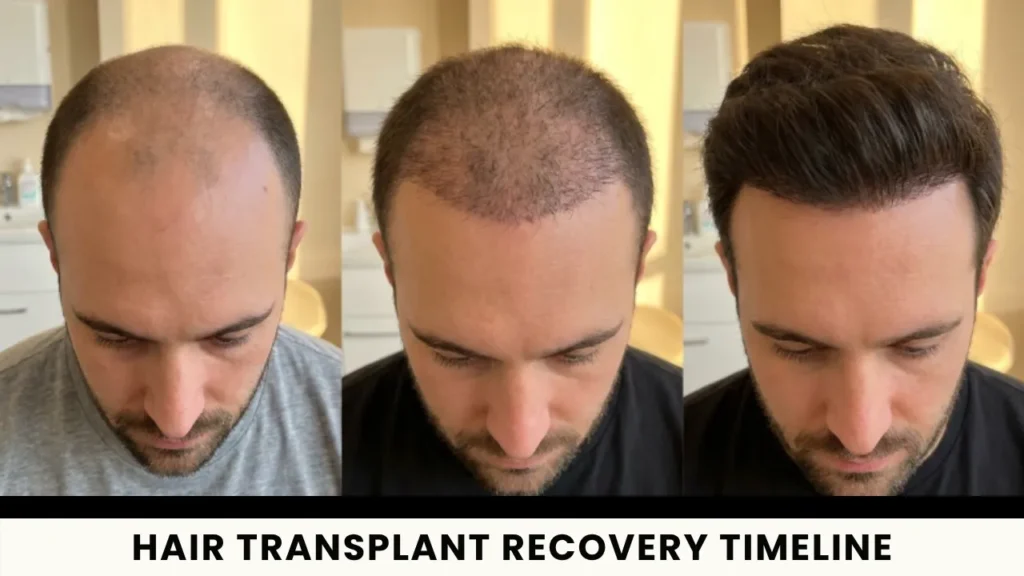
Hair Transplant Recovery Timeline: Day-by-Day, Week-by-Week and Month-by-Month Guide
Hair Transplant Recovery Timeline: Day-by-Day, Week-by-Week and Month-by-Month Guide Free Hair Analysis Homepage Blog Wayne…
Justin Bieber Hair Transplant: Hairline Analysis, Before & After Photos, Rumors & Expert Opinion
Justin Bieber Hair Transplant: Hairline Analysis, Before & After Photos, Rumors & Expert Opinion Free…
Wayne Rooney Hair Transplant: Before & After
Wayne Rooney Hair Transplant: Before & After Free Hair Analysis Homepage Blog Wayne Rooney Hair…

Conor McGregor Hair Transplant: Before & After
Conor McGregor Hair Transplant: Before & After Free Hair Analysis Homepage Blog Conor McGregor Hair…
Turkey Visa Requirements for Hair Transplant in Turkey
Turkey Visa Requirements for Hair Transplant in Turkey Free Hair Analysis Homepage Blog Turkey Visa…
David Silva Hair Transplant: Before & After
David Silva Hair Transplant: Before & After Free Hair Analysis Homepage Blog Discover David Silva…
Ready To
Book Your Appointment?
Reach out to us or complete our simple online form
and we’ll contact you to schedule a time that works perfectly for you.



Frequently Asked Questions