How to Spot a Low-Quality Hair Transplant Clinic in 2026
Homepage

Blog
How to Spot a Low-Quality Hair Transplant Clinic in 2026

Medical Reviewed By Dr. Tompi, M.D – Plastic & Aesthetic Surgeon
Written By Nazmi G, Trichologist

Embarking on a hair transplant journey can be a life-changing decision, offering renewed confidence and a fuller head of hair. With Turkey emerging as a global leader in hair restoration, many individuals are drawn by the promise of world-class procedures at competitive prices. However, the popularity of the industry has also led to an unfortunate rise in clinics that prioritise profit over patient safety and ethical practices. Choosing the right clinic is paramount, as a low-quality procedure can lead to unsatisfactory results, complications, and even permanent damage.
Understanding the difference between a reputable clinic and one that cuts corners is crucial for anyone considering a hair transplant. This comprehensive guide is designed to empower you with the knowledge to identify the tell-tale signs of a low-quality hair transplant clinic. By recognising these red flags, you can make an informed decision, safeguard your health, and ensure your investment yields the natural-looking, lasting results you deserve.
The Allure and the Pitfalls: Why Vigilance Matters
The appeal of an affordable hair transplant is undeniable, particularly when travelling to a country renowned for its medical tourism. However, beneath the surface of enticing package deals, some clinics may compromise on essential standards. A low-cost procedure isn't inherently bad, but it should prompt a deeper investigation into what exactly is included and, more importantly, who will be performing your surgery. The potential pitfalls of choosing a substandard clinic extend far beyond merely disappointing aesthetic results; they can encompass serious health risks, irreversible damage to your donor area, and the emotional toll of a botched procedure.
Unqualified Practitioners: The Most Dangerous Red Flag
One of the most critical indicators of a low-quality clinic is the absence of a fully qualified and experienced surgeon overseeing or performing the entire procedure. In many countries, strict regulations dictate that hair transplant surgery, particularly the intricate steps of extraction and implantation, must be performed by a licensed medical doctor or surgeon. Some unethical clinics, however, delegate these vital steps to uncertified technicians who lack the necessary medical training, anatomical knowledge, and surgical precision.
- Lack of Medical Oversight: Ensure a board-certified dermatologist or plastic surgeon is present and actively involved in every stage of your procedure, from initial consultation to the final implantation.
- Reliance on Technicians for Critical Steps: While technicians play a supportive role, they should not be performing graft extraction or implantation. These are surgical acts requiring a doctor's expertise.
- Absence of Credentials: Always ask for and verify the surgeon's medical license, specialisation, and professional affiliations with recognised medical bodies. A reputable clinic will be transparent about their team's qualifications.
Unrealistic Promises and "Too Good To Be True" Offers
Be extremely wary of clinics that make extravagant claims or offer deals that seem too good to be true. Hair transplantation is a precise medical procedure with realistic limitations. High-quality results depend on various factors, including the quality and quantity of your donor hair, the extent of your hair loss, and your individual physiology.
| Characteristic | Reputable Clinic | Low-Quality Clinic |
|---|---|---|
| Graft Count Promises | Realistic assessment based on donor capacity and recipient area. | Exaggerated graft counts (e.g., "unlimited grafts") regardless of individual suitability. |
| Result Guarantees | Discusses realistic outcomes, managing expectations, focuses on natural-looking density. | Guarantees "perfect" hair or results that defy biological limitations. |
| Pricing Transparency | Clear, itemised pricing for services, no hidden costs. | Vague pricing, pressure sales tactics, unusually low prices that might exclude essential services. |
| Consultation Approach | Thorough medical examination, detailed discussion of risks and benefits. | Quick, superficial assessment, downplays risks, focuses solely on selling the procedure. |
A reputable clinic will provide an honest assessment of what can be achieved, explain potential limitations, and manage your expectations rather than promising a miracle. They will also be transparent about costs, ensuring you understand exactly what your package includes.
Poor Clinic Hygiene and Infrastructure
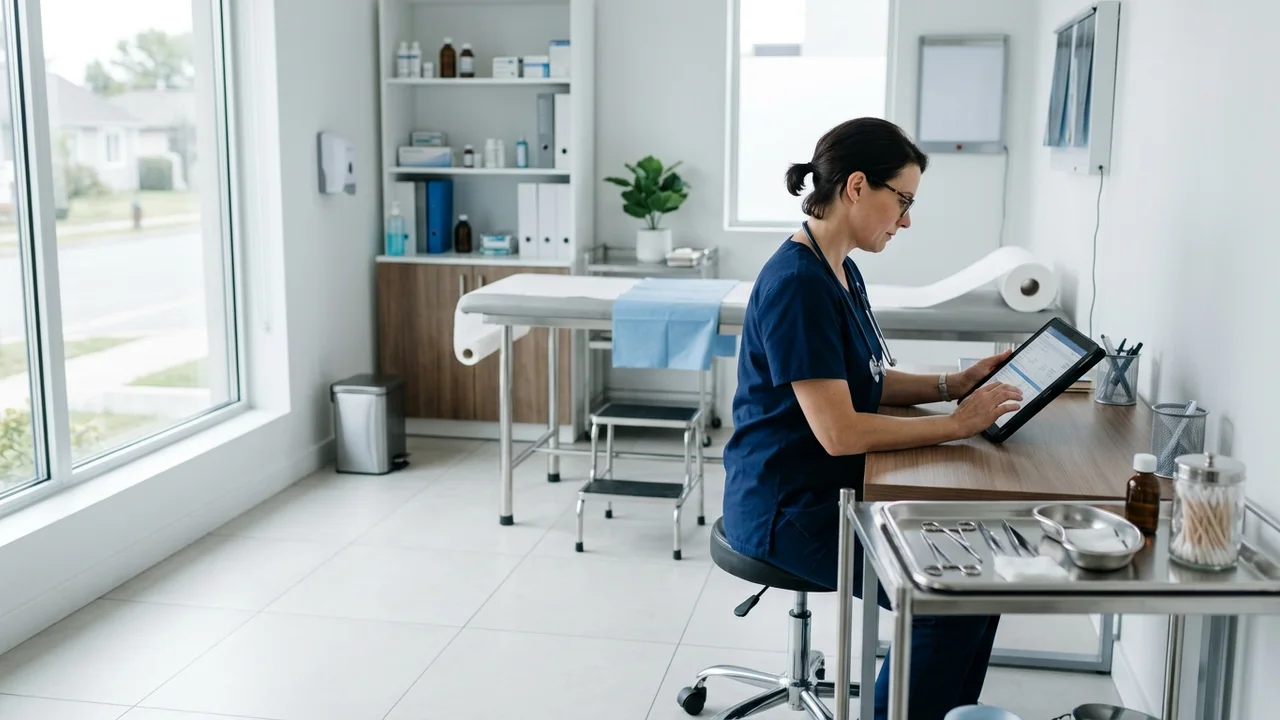
A hair transplant is a surgical procedure, and as such, it demands the highest standards of hygiene and sterility to prevent infections and other complications. A low-quality clinic often cuts corners in this crucial area, posing significant health risks to patients.
- Unsanitary Environment: Look for a clean, organised, and professional clinic environment. Operating rooms should be sterile, and all equipment should be visibly clean or disposable where appropriate.
- Outdated or Non-Sterile Equipment: Reusing disposable tools or using poorly maintained equipment can lead to infections, cross-contamination, and less effective procedures.
- Lack of Proper Facilities: A legitimate clinic will have dedicated consultation rooms, a clean operating theatre, and appropriate recovery areas. If the facility appears makeshift or unkempt, it's a major red flag.
During your research, look for clinics that highlight their accreditation, certifications, and adherence to international health and safety standards. If possible, a virtual or in-person tour of the facility can provide invaluable insight.
Lack of Personalised Consultation and Aftercare
Every patient's hair loss pattern, donor area, and aesthetic goals are unique. A high-quality hair transplant requires a bespoke approach, which begins with a thorough, personalised consultation and extends to comprehensive aftercare.
- Generic Treatment Plans: A low-quality clinic might offer a one-size-fits-all approach, pushing a standard graft count or technique without properly assessing your specific needs, medical history, or suitability for the procedure.
- Insufficient Pre-operative Assessment: A proper clinic will conduct detailed blood tests, examine your scalp and donor area thoroughly, and discuss your medical history to ensure you are a suitable candidate and to tailor the procedure precisely.
- Absent or Inadequate Aftercare: The post-operative period is critical for graft survival and healing. A low-quality clinic may offer minimal or no aftercare instructions, follow-up appointments, or readily available support for questions or concerns. Reputable clinics provide clear, detailed aftercare guidelines and ongoing support to ensure optimal results and recovery. For more on this, consult our Complete Hair Transplant Aftercare Checklist.
Vague or Non-Existent Communication
Clear, honest, and consistent communication is a hallmark of a professional medical institution. When communication is vague, difficult, or pressured, it's a significant cause for concern.
- Difficulty Getting Clear Answers: If the clinic avoids direct questions about surgeon qualifications, procedure details, risks, or costs, proceed with extreme caution.
- Language Barriers: While many clinics in Turkey offer multilingual support, ensure that the communication with your primary medical team is clear and leaves no room for misunderstanding.
- Pressure Sales Tactics: Beware of clinics that pressure you into making a quick decision, offer limited-time discounts that expire rapidly, or discourage you from seeking second opinions. A reputable clinic will allow you ample time to consider your options.
- Lack of Transparency: All aspects of the procedure, including potential risks, complications, and realistic outcomes, should be openly discussed and understood before you commit.

Scrutinising Online Reviews and Testimonials (with Caution)
Online reviews can be a valuable resource, but they also require careful scrutiny. Low-quality clinics often attempt to manipulate their online presence.
- Overly Positive or Generic Reviews: Be suspicious of clinics with an unusually high number of five-star reviews that are short, generic, and lack specific details or personal experiences. These can often be fabricated.
- Lack of Negative Reviews: While everyone strives for perfection, a complete absence of any minor complaints or constructive criticism can be unrealistic and a sign of review suppression or deletion.
- Unverified Testimonials: Look for reviews on independent, third-party platforms rather than just those published on the clinic's own website, which can be easily curated.
- Consistent Themes in Negative Feedback: If multiple reviews mention similar issues – such as poor communication, unsatisfactory results, or hygiene concerns – these are likely genuine red flags.
Your Due Diligence Checklist for Quality Assurance
To protect yourself and ensure a successful hair transplant, thorough research and a methodical approach are essential. Here’s a summary of steps to take:
- Verify Surgeon Credentials: Confirm the surgeon's medical license, specialisation, and experience.
- Check Clinic Accreditation: Look for international health accreditations and local health authority approvals.
- Ask Detailed Questions: Don't hesitate to inquire about every aspect of the procedure, from graft handling to aftercare.
- Review Before-and-After Galleries (with realism): While we don't make specific claims, viewing a clinic's general gallery can show consistency in their work quality, focusing on natural hairlines and density.
- Understand the All-Inclusive Package: Ensure you know exactly what is included in the price, from accommodation and transfers to medication and follow-up care. See our All-Inclusive Hair Transplant Packages 2026 page for more insights.
- Trust Your Gut: If something feels off or too good to be true, it likely is.
For more comprehensive advice on selecting a clinic, you may find our guide on How to Choose a Hair Transplant Clinic in Turkey Without helpful.
Medical disclaimer: This article is for informational purposes only and is not medical advice. Individual results vary from person to person. Always consult a qualified doctor before any hair transplant procedure.
Get a Free Hair Analysis from Our Experts
Use our free online help tool to communicate your hair loss concerns – it only takes a few minutes. We’ll provide you with a personalized, non-binding quote.
Let’s Call You!

Popular Blogs
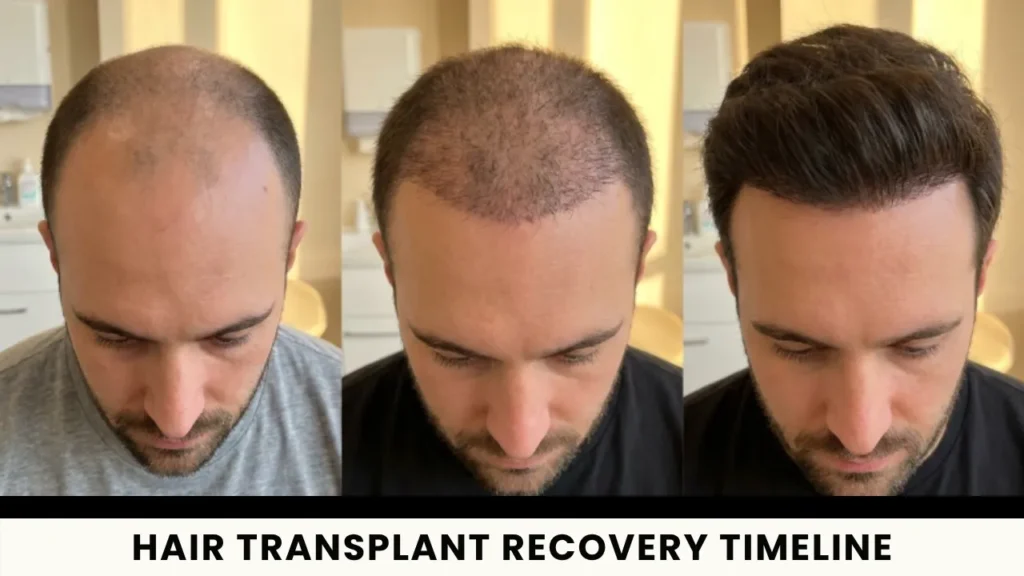
Hair Transplant Recovery Timeline: Day-by-Day, Week-by-Week and Month-by-Month Guide
Hair Transplant Recovery Timeline: Day-by-Day, Week-by-Week and Month-by-Month Guide Free Hair Analysis Homepage Blog Wayne…
Justin Bieber Hair Transplant: Hairline Analysis, Before & After Photos, Rumors & Expert Opinion
Justin Bieber Hair Transplant: Hairline Analysis, Before & After Photos, Rumors & Expert Opinion Free…
Wayne Rooney Hair Transplant: Before & After
Wayne Rooney Hair Transplant: Before & After Free Hair Analysis Homepage Blog Wayne Rooney Hair…

Conor McGregor Hair Transplant: Before & After
Conor McGregor Hair Transplant: Before & After Free Hair Analysis Homepage Blog Conor McGregor Hair…
Turkey Visa Requirements for Hair Transplant in Turkey
Turkey Visa Requirements for Hair Transplant in Turkey Free Hair Analysis Homepage Blog Turkey Visa…
David Silva Hair Transplant: Before & After
David Silva Hair Transplant: Before & After Free Hair Analysis Homepage Blog Discover David Silva…
Ready To
Book Your Appointment?
Reach out to us or complete our simple online form
and we’ll contact you to schedule a time that works perfectly for you.



Frequently Asked Questions