Comprendre les taux de survie des greffons capillaires et les facteurs clés en 2026
Page d'Accueil

Blog
Comprendre les taux de survie des greffons capillaires et les facteurs clés en 2026

Révisé médicalement par Dr. Tompi, M.D – Chirurgien plasticien et esthétique
Écrit par Nazmi G, Trichologist

Se lancer dans un parcours de greffe de cheveux est une décision importante, offrant une voie vers la restauration de la confiance en soi et d'une chevelure plus dense. Bien que la perspective de retrouver votre ligne frontale naturelle soit excitante, il est primordial de comprendre la science derrière le succès de la procédure. Au cœur d'une greffe de cheveux réussie se trouve le concept de survie des greffons – le pourcentage de follicules pileux transplantés qui s'enracinent et poussent avec succès dans leur nouvel emplacement.
De nombreux patients se concentrent sur le nombre de greffons transplantés, mais le résultat final dépend du nombre de ces greffons qui survivent et prospèrent. Cet article explore le monde complexe des taux de survie des greffons, examinant la myriade de facteurs qui peuvent influencer cette métrique critique, depuis le moment où vous envisagez la procédure jusqu'à votre rétablissement post-opératoire. Connaître ces éléments vous permet de prendre des décisions éclairées et de collaborer avec votre clinique pour obtenir les meilleurs résultats possibles.
Comprendre la survie des greffons : la pierre angulaire du succès de la greffe de cheveux
En transplantation capillaire, un « greffon » désigne un petit morceau de tissu contenant un ou plusieurs follicules pileux, généralement prélevé sur une zone donneuse de votre cuir chevelu, généralement l'arrière ou les côtés de la tête. Ces greffons sont ensuite méticuleusement implantés dans les zones receveuses où la perte de cheveux s'est produite. Le taux de survie des greffons est simplement le pourcentage de ces greffons transplantés qui établissent avec succès un apport sanguin, restent viables et commencent à produire de nouveaux cheveux.
Un taux de survie élevé des greffons est le principal indicateur d'une greffe de cheveux réussie. Si un nombre significatif de greffons ne survivent pas, la densité et le résultat esthétique global seront compromis, quel que soit le nombre de greffons initialement placés. Par conséquent, chaque étape du processus de greffe de cheveux, de l'évaluation du patient aux soins post-opératoires, est conçue dans le but ultime de maximiser la viabilité et la longévité de chaque greffon individuel.
Le taux de survie idéal des greffons : à quoi s'attendre
Lorsqu'elle est réalisée par des professionnels expérimentés utilisant des techniques avancées, la transplantation capillaire moderne peut atteindre des taux de survie des greffons impressionnants. Les cliniques qui respectent des normes de soins élevées et emploient des chirurgiens qualifiés rapportent généralement des taux de survie de l'ordre de 90 à 95 %, voire plus. Il est important de comprendre qu'un taux de survie de 100 % n'est généralement pas une attente réaliste en raison des complexités biologiques impliquées dans la transplantation de tissus vivants.
Des facteurs tels que les caractéristiques individuelles du patient, la qualité des cheveux donneurs et le respect des instructions de suivi peuvent tous influencer subtilement ce pourcentage. Une clinique réputée fournira toujours des informations transparentes sur ses résultats attendus, gérant les attentes des patients de manière réaliste plutôt que d'offrir des garanties irréalistes.
Facteurs clés affectant la survie des greffons avant la procédure
Le chemin vers une survie optimale des greffons commence avant même la première incision. Plusieurs facteurs préopératoires jouent un rôle crucial :
- Santé et aptitude du patient : Une évaluation médicale approfondie est essentielle. Les patients atteints de certaines affections sous-jacentes, telles que le diabète non contrôlé, les maladies auto-immunes ou des problèmes circulatoires importants, peuvent avoir des capacités de guérison compromises, ce qui peut affecter la survie des greffons.
- Qualité de la zone donneuse : La qualité et la densité des follicules pileux dans la zone donneuse sont primordiales. Les follicules sains et robustes sont plus susceptibles de survivre à la transplantation. Si la zone donneuse est faible ou contient des cheveux miniaturisés, le taux de survie de ces greffons peut être plus faible.
- Instructions préopératoires : Le respect strict des directives préopératoires de votre clinique est essentiel. Cela inclut souvent d'éviter l'alcool, le tabac, les médicaments anticoagulants et certains suppléments pendant une période spécifiée, tous pouvant avoir un impact sur le flux sanguin, la guérison et, par conséquent, la viabilité des greffons.
- Santé du cuir chevelu : Un environnement de cuir chevelu sain, exempt d'infections ou d'inflammation sévère, constitue la meilleure base pour que les nouveaux greffons prospèrent.
Facteurs cruciaux pendant la procédure de greffe de cheveux
La phase chirurgicale est sans doute la période la plus critique pour la survie des greffons. L'expertise de l'équipe chirurgicale et les techniques employées ont un impact direct et profond :
| Facteur | Impact sur la survie des greffons |
|---|---|
| Expertise du chirurgien et normes de la clinique | Les chirurgiens hautement qualifiés et les équipes médicales expérimentées minimisent les traumatismes des greffons, effectuent des extractions et des implantations précises et maintiennent un environnement stérile. Les protocoles de la clinique pour la manipulation, le stockage des greffons et les soins aux patients sont primordiaux. |
| Technique d'extraction des greffons | Que la FUE (Extraction d'Unités Folliculaires) ou la DHI (Implantation Directe de Cheveux) soit utilisée, la technique doit être réalisée en douceur pour éviter d'endommager les follicules. Minimiser la transection (couper à travers le follicule) est essentiel. |
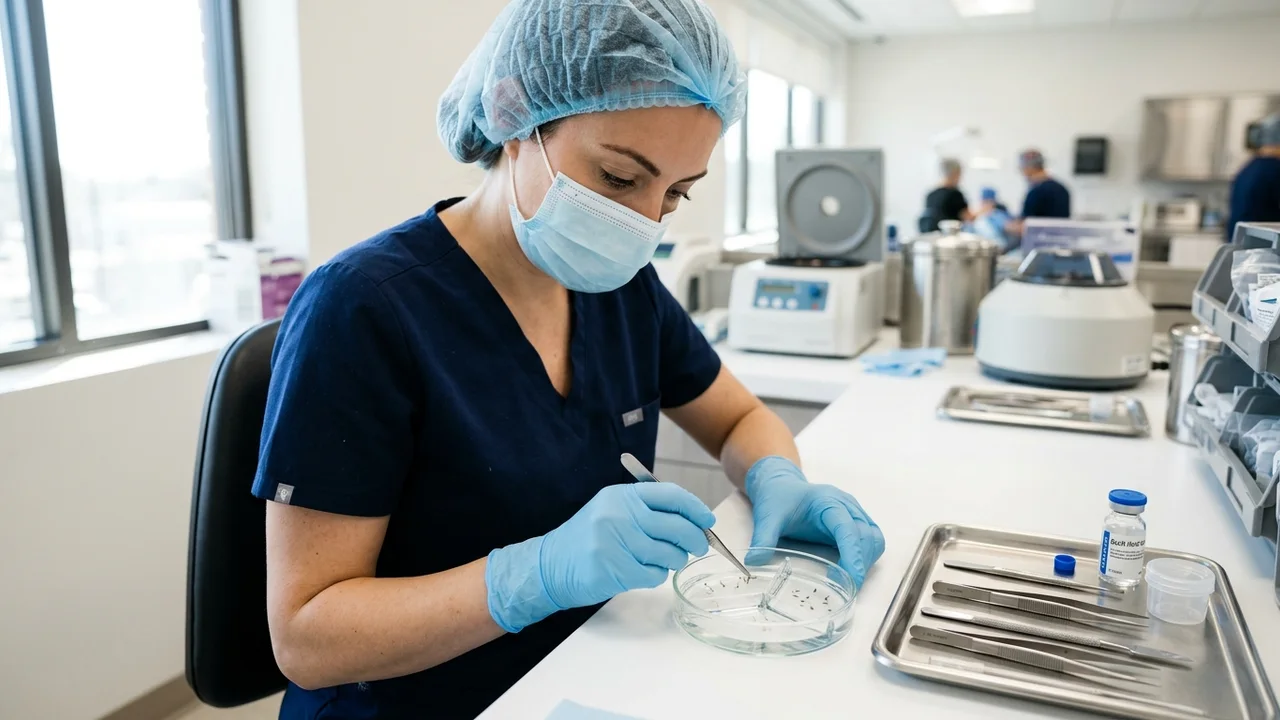
| Manipulation et stockage des greffons | Les greffons sont délicats et vulnérables une fois retirés du cuir chevelu. Ils doivent être maintenus hydratés dans des solutions spécifiques (par exemple, HypoThermosol, solutions contenant de l'ATP) à une température fraîche et contrôlée. Minimiser leur temps « hors du corps » (temps d'ischémie) est crucial pour prévenir la déshydratation et la privation d'oxygène. |
| Création du site receveur | La création de sites receveurs (incisions ou canaux) à la bonne profondeur, au bon angle et dans la bonne direction est vitale. Cela garantit que les greffons s'adaptent parfaitement, reçoivent un apport sanguin adéquat et poussent selon un motif naturel, favorisant une meilleure intégration et survie. |
| Technique d'implantation | Les greffons doivent être implantés doucement et solidement dans les sites receveurs sans plier, écraser ou endommager les follicules délicats. Des outils spécialisés et des mains stables sont essentiels. |
Soins post-opératoires : maximiser la survie de vos greffons
Vos actions dans les jours et les semaines suivant la procédure sont tout aussi importantes que la chirurgie elle-même. Des soins post-opératoires diligents augmentent considérablement la survie des greffons :
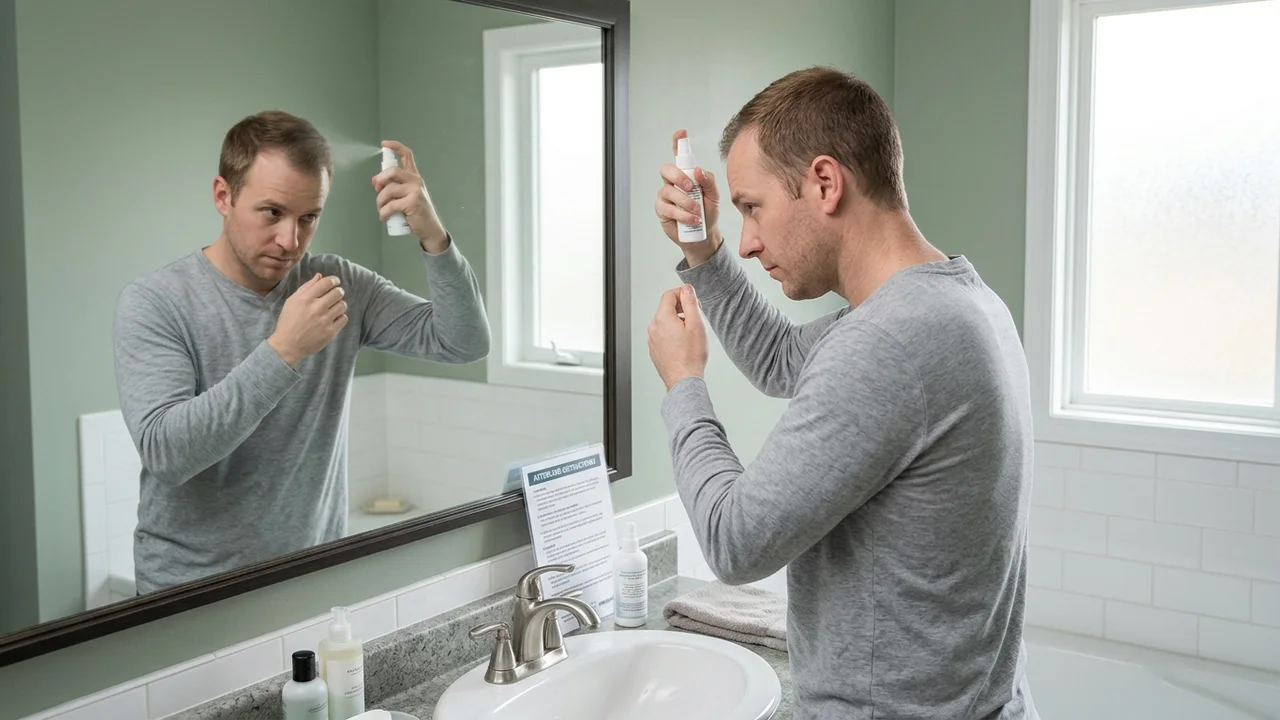
- Respect des instructions de suivi : Votre clinique vous fournira des instructions détaillées sur le lavage de vos cheveux, les positions de sommeil, les restrictions d'activité et l'utilisation de médicaments. Les suivre précisément est non négociable pour protéger les greffons nouvellement transplantés.
- Protection du cuir chevelu : Éviter tout traumatisme à la zone receveuse est essentiel. Cela inclut de s'abstenir de se gratter, de se frotter ou de se cogner la tête. Protéger votre cuir chevelu de la lumière directe du soleil et des températures extrêmes est également important.
- Éviter les habitudes nocives : Le tabagisme et la consommation d'alcool peuvent altérer la circulation sanguine et retarder la guérison, ce qui a un impact négatif sur la survie des greffons. Il est conseillé de les éviter pendant la période recommandée.
- Respect des médicaments : S'ils sont prescrits, des médicaments comme le Minoxidil ou le Finastéride (voir notre guide détaillé : Minoxidil et Finastéride après une greffe de cheveux) peuvent aider à soutenir la santé des cheveux existants et nouveaux, bien que leur impact direct sur la survie initiale des greffons soit moins prononcé que leur rôle dans l'entretien capillaire à long terme.
Facteurs biologiques influençant la viabilité des greffons
Au-delà des aspects procéduraux et des soins post-opératoires, certains facteurs biologiques inhérents à chaque patient peuvent influencer la survie des greffons :
- Capacité de guérison individuelle : Le corps de chaque individu guérit différemment. Des facteurs comme l'âge, le métabolisme et la réponse immunitaire globale peuvent affecter la rapidité et l'efficacité avec lesquelles les greffons s'intègrent dans le tissu receveur.
- Apport sanguin à la zone receveuse : Un apport sanguin robuste dans la zone receveuse est crucial pour nourrir les greffons transplantés. Les zones avec une circulation compromise peuvent connaître des taux de survie plus faibles.
- Caractéristiques des cheveux : La qualité intrinsèque des cheveux donneurs eux-mêmes, y compris leur épaisseur, leur texture et leur boucle, peut influencer leur résilience pendant la transplantation et leur capacité à prospérer après la procédure. Par exemple, les cheveux afro nécessitent une expertise spécialisée en raison de leur structure folliculaire unique (voir : Greffes de cheveux afro : pourquoi une expertise spécialisée est essentielle).
- Conditions de santé sous-jacentes : Comme mentionné précédemment, certains problèmes de santé chroniques peuvent affecter subtilement le microenvironnement du cuir chevelu et la guérison globale, même s'ils sont bien gérés.
Le rôle de la technologie et de l'innovation dans la survie des greffons
Le domaine de la transplantation capillaire est en constante évolution, les avancées technologiques jouant un rôle croissant dans l'optimisation de la survie des greffons. Les innovations comprennent :
- Solutions de stockage avancées : L'utilisation de solutions de maintien spécialisées, telles que l'HypoThermosol ou les fluides contenant de l'ATP, aide à préserver la viabilité des greffons en dehors du corps en imitant l'environnement cellulaire naturel et en fournissant des nutriments essentiels.
- Instrumentation améliorée : Des poinçons plus fins et plus précis pour l'extraction et les outils d'implantation (comme les stylos implanteurs DHI) minimisent les traumatismes aux follicules, ce qui entraîne moins de dommages et des taux de survie plus élevés.
- Grossissement et éclairage : Un grossissement de haute qualité et un éclairage optimal permettent aux chirurgiens de travailler avec une extrême précision, garantissant un minimum de dommages à toutes les étapes de la procédure.
Choisir une clinique pour une survie optimale des greffons
En fin de compte, le choix de votre clinique de greffe de cheveux est peut-être la décision la plus importante qui aura un impact sur votre taux de survie des greffons. Une clinique réputée en Turquie, comme Turkey Hair Center, s'engage à :
- Employer des chirurgiens expérimentés : Recherchez des cliniques ayant une expérience avérée de procédures réussies et des chirurgiens spécialisés dans la transplantation capillaire.
- Maintenir des normes de soins élevées : Cela inclut des protocoles d'hygiène stricts, des équipements de pointe et une équipe médicale dédiée et bien formée.
- Fournir des soins post-opératoires complets : Une bonne clinique offre des instructions post-opératoires claires et détaillées et un soutien continu pour vous assurer que vous savez comment protéger vos greffons.
- Prioriser l'éducation des patients : Ils discuteront de manière transparente des attentes réalistes, des risques potentiels et de tous les facteurs influençant votre résultat.
Privilégier la qualité et l'expertise plutôt que de se concentrer uniquement sur le coût (voir : Comment choisir une clinique de greffe de cheveux en Turquie) est le meilleur investissement pour atteindre les taux de survie élevés des greffons nécessaires à des résultats véritablement transformateurs et durables.
Medical disclaimer: This article is for informational purposes only and is not medical advice. Individual results vary from person to person. Always consult a qualified doctor before any hair transplant procedure.
Obtenez Analyse Capillaire Gratuite de nos experts
Use our free online help tool to communicate your hair loss concerns – it only takes a few minutes. We’ll provide you with a personalized, non-binding quote.
Let’s Call You!

Articles de Blog Populaires
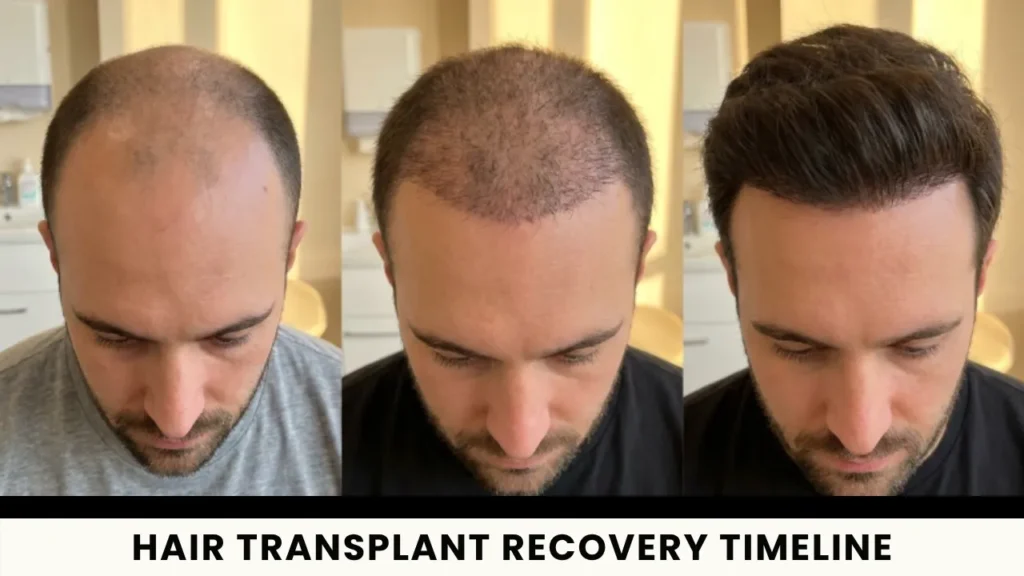
Calendrier de récupération après une greffe de cheveux : Guide jour par jour, semaine par semaine et mois par mois
Calendrier de récupération après une greffe de cheveux : Guide jour par jour, semaine par semaine et mois par mois

Greffe de cheveux de Justin Bieber : Analyse de la ligne frontale, photos avant et après, rumeurs et avis d'experts
Greffe de cheveux de Justin Bieber : Analyse de la ligne frontale, photos avant et après, rumeurs et avis d'experts
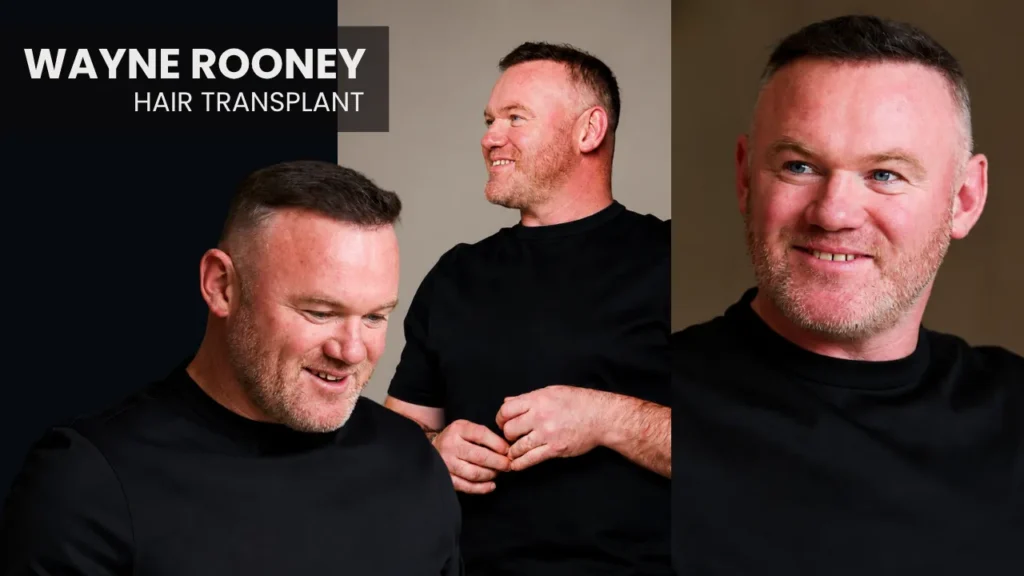
Greffe de cheveux de Wayne Rooney : Avant et après
Greffe de cheveux de Wayne Rooney : Avant et après

Greffe de cheveux de Conor McGregor : Avant et après
Greffe de cheveux de Conor McGregor : Avant et après
Exigences de visa pour la Turquie pour une greffe de cheveux en Turquie
Exigences de visa pour la Turquie pour une greffe de cheveux en Turquie

Greffe de cheveux de David Silva : Avant et après
Greffe de cheveux de David Silva : Avant et après
Prêt à
Réserver Votre Rendez-vous ?
Reach out to us or complete our simple online form
and we’ll contact you to schedule a time that works perfectly for you.



Foire Aux Questions