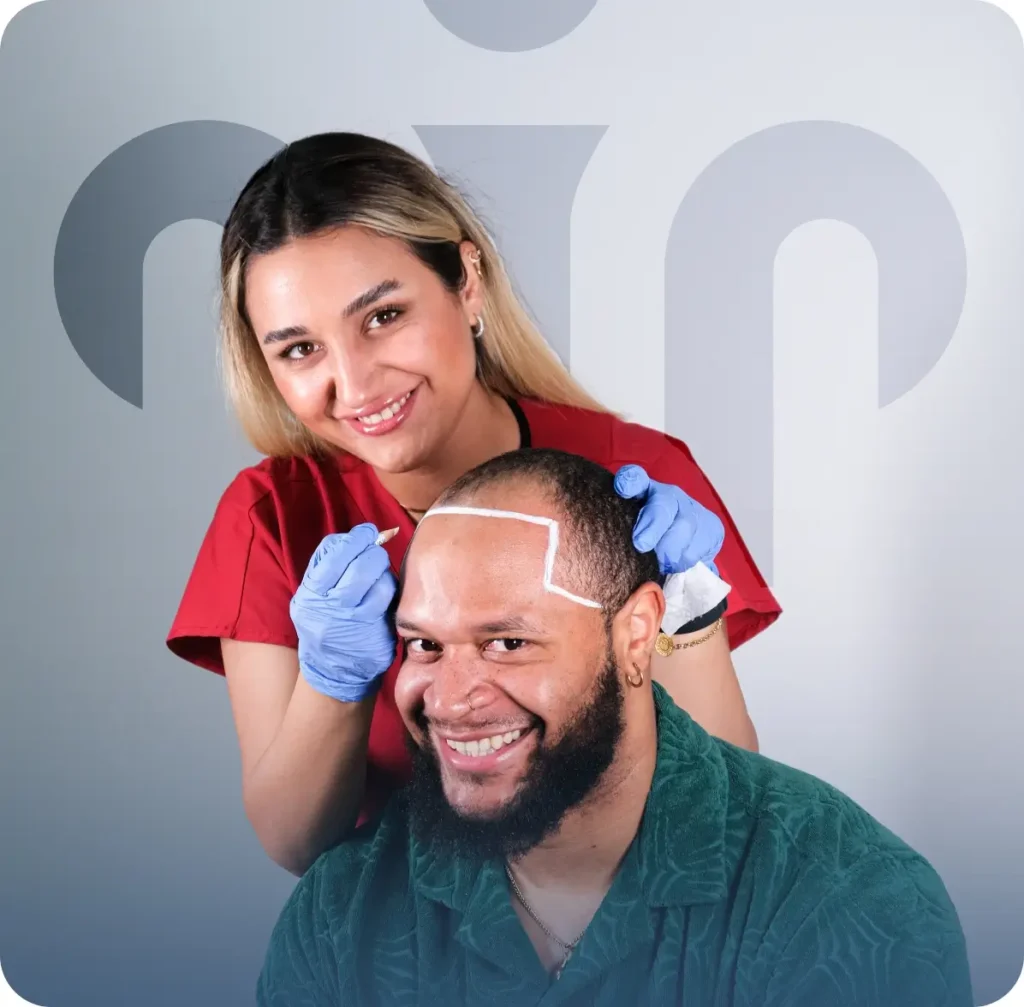
Beard Transplant: A Practical Guide to Fuller Facial Hair
Homepage

Blog
Beard Transplant: A Practical Guide to Fuller Facial Hair
Medical Reviewed By Dr. Tompi, M.D – Plastic & Aesthetic Surgeon
Written By Nazmi G, Trichologist

Many men find achieving dense, uniform facial hair challenging due to genetics, scarring, or underlying medical issues. These factors can result in patchy growth or a complete absence of a beard, causing significant self-consciousness. For these individuals, beard transplantation offers a definitive surgical solution to construct or enhance facial hair.
This guide provides a clinical overview of the beard transplant procedure. It covers patient suitability, the surgical steps, recovery protocols, and realistic outcomes for 2026, enabling you to make a medically informed decision about your facial aesthetic.
What is a Beard Transplant?
A beard transplant is a surgical procedure that moves hair follicles from a donor site—typically the scalp's occipital region—to the beard, moustache, or sideburn areas. The standard and most effective technique is Follicular Unit Extraction (FUE), which involves harvesting individual follicular units, or grafts, from the donor area for implantation into the face.
The objective is to create a beard that appears entirely natural and complements the patient's facial structure. This requires considerable surgical skill in placing each graft at the correct angle, direction, and density to blend seamlessly with existing hair. Once transplanted, these follicles will grow permanently, allowing the beard to be trimmed, styled, or shaved as normal.
Are You a Suitable Candidate?
Candidacy for a beard transplant depends on several clinical factors essential for a successful surgical outcome. The most critical requirement is a stable and sufficiently dense donor area on the scalp, which can provide the necessary number of grafts without creating visible thinning.
- Sufficient Donor Hair Density: A dense, stable donor area, usually the back of the scalp, is required to source follicles without compromising the appearance of the donor site itself.
- Good Overall Health: Candidates must be in good general health, without any conditions that could complicate surgery or impair the healing process.
- Realistic Aesthetic Goals: A clear understanding of the procedure's capabilities and limitations is essential. The final outcome is contingent on your specific hair characteristics and the number of grafts transplanted.
- Clinical Indications: The procedure is indicated for patients with a congenital lack of facial hair, patchy growth (alopecia barbae), or hair loss due to scarring from trauma, surgery, or burns.
A pre-operative consultation is necessary to assess your donor hair quality, discuss your aesthetic objectives, and confirm if a beard transplant is the appropriate medical solution.
The Beard Transplant Procedure: Step-by-Step
The procedure is performed under local anaesthesia and follows a precise sequence of steps over several hours to ensure patient comfort and clinical accuracy.
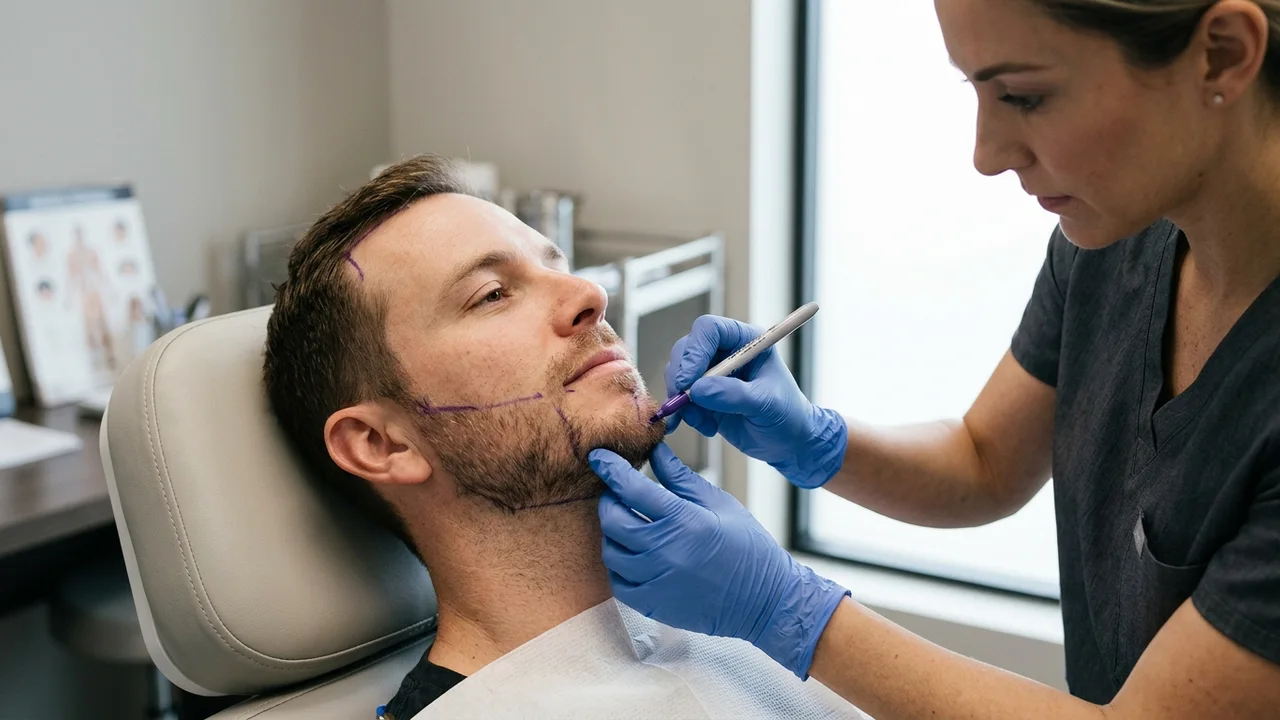
- Surgical Planning and Design: The surgeon collaborates with you to design the beard's shape, density, and borders, marking the final outline directly on your face to complement your facial anatomy.
- Donor Area Preparation: The donor site on the scalp is trimmed, and local anaesthetic is administered to numb the area completely before extraction begins.
- Follicular Unit Extraction (FUE): Individual follicular units (grafts) are extracted one by one from the donor area using a specialised micro-punch tool. These grafts are then sorted and preserved in a sterile holding solution.
- Recipient Site Creation: After anaesthetising the facial area, the surgeon creates micro-incisions, or channels, in the beard region. The angle, depth, and direction of these channels are critical for achieving natural-looking hair growth.
- Graft Implantation: Each follicular unit is carefully placed into a recipient channel. This is the most meticulous phase, requiring artistic skill to ensure correct density and hair orientation for a natural appearance.
The entire process is managed to maximise patient comfort; you can typically listen to music or rest during the lengthy implantation phase.
| Procedure Stage | Description | Approximate Duration |
|---|---|---|
| Initial Consultation & Design | Defining aesthetic goals and beard mapping | 30-60 minutes |
| Donor Area Preparation & Anaesthesia | Trimming hair and administering local anaesthetic | 30 minutes |
| Follicular Unit Extraction (FUE) | Harvesting individual grafts from the scalp | 2-4 hours |
| Recipient Site Preparation & Anaesthesia | Administering anaesthetic and creating channels | 30-60 minutes |
| Graft Implantation | Placing individual grafts into the beard area | 2-4 hours |
| Post-Procedure Review | Final clinical check and aftercare briefing | 15-30 minutes |
Recovery and Aftercare
Post-operative care is critical for graft survival and achieving optimal results. The initial healing phase involves redness, minor swelling, and the formation of small crusts around each implanted follicle, all of which are expected physiological responses.
- Initial 72 Hours: The transplanted area must be kept clean and protected from physical contact. We provide a post-operative spray to aid healing. Sleep with your head elevated to reduce swelling.
- Days 5-10: Small crusts around the grafts will begin to shed. Follow the prescribed washing protocol precisely to prevent infection and support graft viability. Avoid strenuous exercise and direct sun exposure.
- Shock Loss Phase (Weeks 2-4): The transplanted hair shafts will typically shed. This is an expected part of the hair growth cycle and does not indicate graft failure; the follicle remains dormant beneath the skin.
- Initial Regrowth (Months 3-4): New hair will begin to emerge from the transplanted follicles. This initial growth may be fine and sparse but will progressively thicken.
- Visible Density (Months 6-12): Growth becomes more significant, and the beard will appear much denser. You can begin to style it as you would your natural hair.
- Final Result Maturation (Months 12-18): The final texture, thickness, and density of the beard will be established, representing the complete surgical outcome.
Strict adherence to the surgeon's aftercare protocol is non-negotiable for ensuring the success of the transplant.
Potential Risks and Side Effects
Beard transplantation is a safe procedure when performed by a qualified surgeon, but like any surgical intervention, it carries potential risks and side effects, most of which are temporary and manageable.
- Swelling and Bruising: This is common in the facial area post-procedure and typically resolves within 5-7 days.
- Temporary Numbness: Sensation in the donor or recipient areas may be temporarily altered due to nerve irritation, usually returning to normal within several weeks.
- Infection: There is a low risk of infection, which is mitigated by sterile surgical technique and adherence to post-operative hygiene protocols.
- Scarring: The FUE technique leaves tiny, punctate scars in the donor area that are typically concealed by surrounding hair. Recipient site scarring is negligible.
- Folliculitis: Inflammation of hair follicles can present as small pimples, which usually resolve with simple care or prescribed topical treatments.
- Poor Graft Placement: If grafts are not angled correctly, the resulting growth can appear unnatural. This risk is minimised by selecting an experienced surgical team with proven aesthetic expertise.
Should any concerns arise during your recovery, it is important to contact your clinic immediately for medical advice.
Understanding Beard Transplant Costs and Factors
The cost of a beard transplant is determined by several clinical and logistical factors. A final quotation is only possible after a direct medical assessment of your specific case.
- Number of Grafts: This is the primary cost driver. A minor touch-up requires far fewer grafts than a full beard construction, directly impacting the time and resources needed.
- Surgeon and Clinic Experience: The expertise of the surgical team and the clinic's quality standards, including its technology and support staff, are reflected in the cost.
- Geographic Location: Pricing varies significantly by country. Turkey, for instance, is a major centre for hair restoration, offering competitive pricing due to lower operational costs and a high volume of procedures.
- Package Inclusions: Quotes may be comprehensive, bundling the procedure with accommodation, local transport, and post-operative medications.
- Surgical Technique: The specific method used, such as Sapphire FUE or Direct Hair Implantation (DHI), which uses different instrumentation, can influence the final cost.
When evaluating cost, consider the overall value provided, including the surgeon's proven skill, the clinic's safety standards, and the comprehensiveness of the aftercare programme.
Achieving Natural-Looking Results
A natural-looking beard transplant depends entirely on the surgeon's ability to replicate the subtle characteristics of facial hair growth. This is an artistic as well as a technical skill.
- Graft Angulation and Direction: Facial hair grows at acute angles to the skin. The surgeon must meticulously replicate the specific direction of hair on the cheeks, chin, and moustache for a seamless result.
- Density Management: Grafts must be placed to create a natural density gradient, avoiding a 'plug-like' or unnaturally uniform appearance that does not mimic natural growth.
- Beard Line Aesthetics: The cheek and neck lines must be designed to suit the patient's facial structure, avoiding overly sharp or artificial-looking borders. A softer, slightly irregular edge often yields a more natural look.
- Follicle Selection: Surgeons prioritise single-hair follicular units for soft hairlines and multi-hair units for density in the core beard area, mirroring the patterns found in a natural beard.
The final, mature result requires patience, as the full density and texture of the new beard will develop over the course of 12 to 18 months.
Medical disclaimer: This article is for informational purposes only and is not medical advice. Individual results vary from person to person. Always consult a qualified doctor before any hair transplant procedure.
Get a Free Hair Analysis from Our Experts
Use our free online help tool to communicate your hair loss concerns – it only takes a few minutes. We’ll provide you with a personalized, non-binding quote.
Let’s Call You!

Popular Blogs
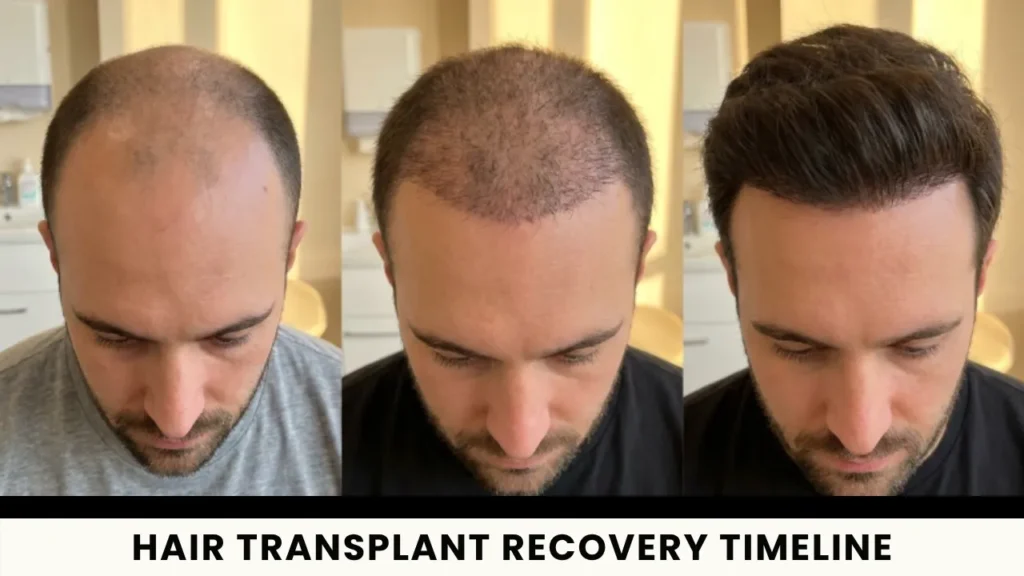
Hair Transplant Recovery Timeline: Day-by-Day, Week-by-Week and Month-by-Month Guide
Hair Transplant Recovery Timeline: Day-by-Day, Week-by-Week and Month-by-Month Guide Free Hair Analysis Homepage Blog Wayne…
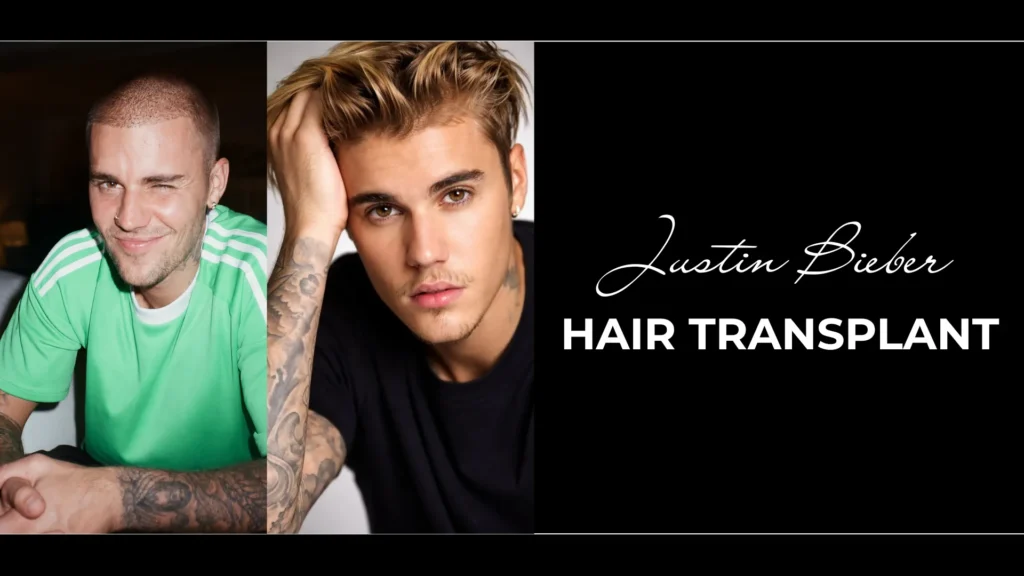
Justin Bieber Hair Transplant: Hairline Analysis, Before & After Photos, Rumors & Expert Opinion
Justin Bieber Hair Transplant: Hairline Analysis, Before & After Photos, Rumors & Expert Opinion Free…
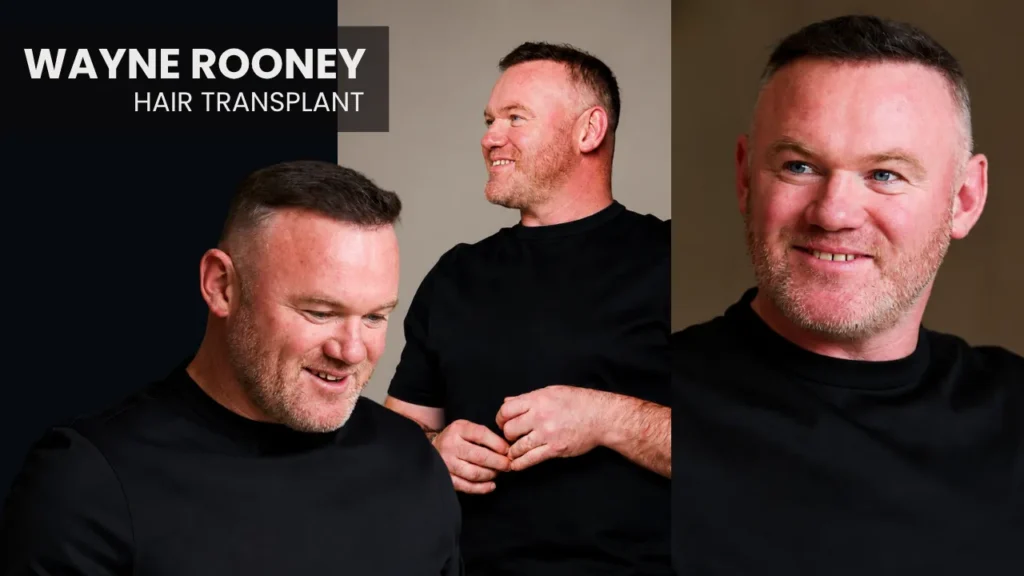
Wayne Rooney Hair Transplant: Before & After
Wayne Rooney Hair Transplant: Before & After Free Hair Analysis Homepage Blog Wayne Rooney Hair…
Conor McGregor Hair Transplant: Before & After
Conor McGregor Hair Transplant: Before & After Free Hair Analysis Homepage Blog Conor McGregor Hair…
Turkey Visa Requirements for Hair Transplant in Turkey
Turkey Visa Requirements for Hair Transplant in Turkey Free Hair Analysis Homepage Blog Turkey Visa…
David Silva Hair Transplant: Before & After
David Silva Hair Transplant: Before & After Free Hair Analysis Homepage Blog Discover David Silva…
Ready To
Book Your Appointment?
Reach out to us or complete our simple online form
and we’ll contact you to schedule a time that works perfectly for you.



Frequently Asked Questions