The Essential Role of Blood Tests in Hair Loss Diagnosis and Transplant Planning 2026
Homepage

Blog
The Essential Role of Blood Tests in Hair Loss Diagnosis and Transplant Planning 2026

Medical Reviewed By Dr. Tompi, M.D – Plastic & Aesthetic Surgeon
Written By Nazmi G, Trichologist

Up to 50% of men experience significant hair loss by age 50, while a substantial number of women also face thinning, often with more complex underlying causes. While androgenetic alopecia (pattern baldness) is common, hair loss is rarely a one-dimensional issue. Many factors, ranging from nutritional deficiencies to hormonal imbalances and systemic health conditions, can either trigger or exacerbate hair thinning. This is precisely why a thorough diagnostic process, anchored by comprehensive blood testing, is indispensable before considering any hair restoration treatment, including a hair transplant.
At Turkey Hair Center, we believe that effective treatment begins with an accurate diagnosis. Understanding the full picture of your health through detailed blood analysis allows our specialists to not only identify the primary drivers of your hair loss but also to assess your overall suitability for a hair transplant. This critical step ensures that any underlying issues are addressed, optimising both the safety of your procedure and the longevity of your results.
Understanding the Root Cause: Why Blood Tests Matter
Hair loss is not always solely genetic. In many instances, it serves as a visible indicator of an internal health imbalance. Without identifying and addressing these underlying medical or nutritional issues, any hair restoration effort, surgical or otherwise, may yield suboptimal or temporary results. Blood tests provide an invaluable diagnostic window, helping clinicians differentiate between various types of alopecia and pinpoint specific physiological triggers.
For example, diffuse hair thinning might be dismissed as early pattern baldness, but a comprehensive blood panel could reveal a significant iron deficiency or an undiagnosed thyroid condition. These are treatable causes that, once addressed, can often stabilise or even reverse some hair loss. Ignoring such factors not only compromises hair health but can also impact a patient's general well-being. Our approach ensures that we don't just treat the symptom (hair loss) but also the cause, leading to more effective and sustainable outcomes.
Key Blood Tests for Hair Loss Diagnosis
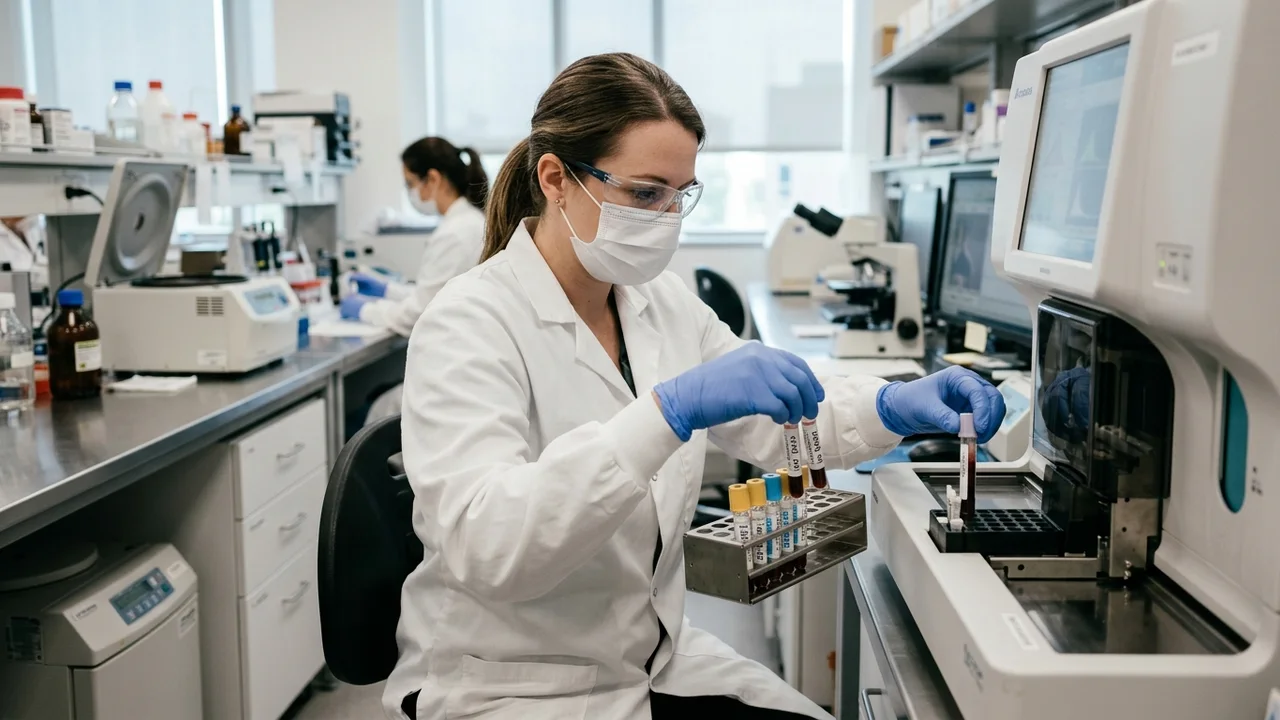
A standard consultation for hair loss at Turkey Hair Center includes a recommendation for a series of targeted blood tests. These tests are selected because they screen for common culprits behind hair thinning and shedding. Below is a breakdown of the key tests and what they reveal:
| Blood Test | What it Measures | Relevance to Hair Loss |
|---|---|---|
| Complete Blood Count (CBC) | Red and white blood cells, platelets, haemoglobin. | Detects anaemia (low red blood cell count), which can cause hair shedding due to insufficient oxygen supply to follicles. Also flags infections. |
| Ferritin (Iron Stores) | Measures the amount of iron stored in your body. | Low ferritin levels, even without full-blown anaemia, are strongly linked to increased hair shedding (telogen effluvium) and can worsen genetic hair loss. Crucial for hair growth cycle. |
| Thyroid Function Panel (TSH, Free T3, Free T4) | Hormones produced by the thyroid gland. | Both an underactive (hypothyroidism) and overactive (hyperthyroidism) thyroid can disrupt hair growth cycles, leading to brittle hair and diffuse shedding. |
| Vitamin D (25-hydroxyvitamin D) | Levels of Vitamin D in the blood. | Vitamin D plays a critical role in hair follicle cycling. Deficiency is prevalent and has been associated with various forms of hair loss, including alopecia areata and telogen effluvium. |
| Vitamin B12 | Levels of Vitamin B12. | Essential for cell metabolism and red blood cell formation. Deficiency can lead to anaemia and subsequently impact hair health and growth. |
| Zinc | Levels of Zinc in the blood. | A vital trace element for hair tissue growth and repair. Deficiency can cause hair loss and impaired wound healing, important for transplant recovery. |
| Hormone Panel (e.g., Testosterone, DHEA-S, DHT, Oestrogen, Prolactin) | Specific hormone levels. | Crucial for diagnosing hormonal imbalances, especially in women with female pattern hair loss, polycystic ovary syndrome (PCOS), or other endocrine disorders that can cause androgenic alopecia. |
| C-Reactive Protein (CRP) & Erythrocyte Sedimentation Rate (ESR) | Markers of inflammation in the body. | Elevated levels can indicate systemic inflammation or autoimmune conditions, which might be contributing to certain types of hair loss, such as alopecia areata or scarring alopecias. |
Interpreting Your Blood Test Results for Hair Health
Receiving your blood test results is just the first step; the true value lies in their expert interpretation. It's not simply about whether a result falls within a 'normal' laboratory range. For hair health, optimal levels are often more important than just avoiding a deficiency. For instance, while a ferritin level might be considered 'normal' by some labs, a level below 70 ng/mL can still contribute to hair shedding, even if it's above the clinical cut-off for iron deficiency anaemia.
Our specialists at Turkey Hair Center meticulously review your results, correlating them with your medical history, lifestyle, and the specific pattern of your hair loss. This holistic approach allows us to identify subtle imbalances that might be overlooked in a general health check, ensuring a precise diagnosis and a tailored treatment plan. We explain each finding clearly, empowering you with knowledge about your health.
The Crucial Link to Hair Transplant Candidacy
Blood tests serve as a critical screening tool, directly influencing whether an individual is deemed a suitable candidate for a hair transplant. The safety and success of a hair transplant procedure are paramount, and certain underlying health conditions, if undetected or unmanaged, can significantly increase surgical risks or compromise the outcome.
For example, if blood tests reveal uncontrolled diabetes, severe anaemia, or an active infection, proceeding with surgery without addressing these issues could lead to complications such such as poor wound healing, increased risk of infection, or compromised graft survival. A healthy body provides the best environment for transplanted follicles to thrive. By identifying and managing these conditions pre-operatively, we can ensure a safer procedure and significantly enhance the chances of a successful transplant outcome. For more on preparing for your procedure, please see our guide on What To Do Before Hair Transplant.
Optimising Health Before a Hair Transplant
Should your blood tests reveal any treatable conditions or deficiencies, our team will guide you through the necessary steps to optimise your health before your hair transplant. This pre-operative optimisation is a cornerstone of our patient-first approach, ensuring you are in the best possible condition for the procedure and subsequent recovery.
For instance, if a Vitamin D deficiency is identified, we might recommend specific supplementation to elevate your levels. Similarly, if thyroid hormone levels are out of balance, a referral to an endocrinologist might be advised to stabilise the condition. Addressing these issues not only improves your general health but also creates a more favourable environment for new hair growth and graft integration. This proactive management can significantly enhance the success rate of your hair transplant, leading to denser, healthier hair.

The Role of Blood Tests in Post-Transplant Care and Long-Term Success
While the primary role of blood tests in hair restoration is diagnostic and pre-operative, their importance can extend into post-transplant care and long-term success, especially if underlying conditions were identified. For patients with chronic conditions like thyroid disorders or ongoing nutritional deficiencies, periodic monitoring may be recommended to ensure these issues remain well-managed. This proactive approach helps to prevent further non-transplanted hair loss and supports the overall health of your existing and newly transplanted hair.
Maintaining optimal health, guided by your blood test results, complements the surgical results by fostering a healthy scalp environment. This holistic care strategy ensures that your investment in a hair transplant is protected, contributing to the longevity and natural appearance of your results for years to come.
The Turkey Hair Center Approach: Comprehensive Care
At Turkey Hair Center, our commitment to excellence begins long before the first graft is transplanted. We integrate comprehensive blood testing into our initial consultation process as a fundamental step towards accurate diagnosis and personalised treatment planning. Our experienced medical team carefully evaluates each patient's unique health profile, ensuring that every aspect of their well-being is considered.
This meticulous approach allows us to address any underlying medical conditions that could impact the success of a hair transplant, providing you with the most effective and safest path to hair restoration. We believe that a truly successful hair transplant is one that not only restores your hairline but also enhances your overall health and confidence, supported by a thorough understanding of your body's needs.
Medical disclaimer: This article is for informational purposes only and is not medical advice. Individual results vary from person to person. Always consult a qualified doctor before any hair transplant procedure.
Get a Free Hair Analysis from Our Experts
Use our free online help tool to communicate your hair loss concerns – it only takes a few minutes. We’ll provide you with a personalized, non-binding quote.
Let’s Call You!

Popular Blogs
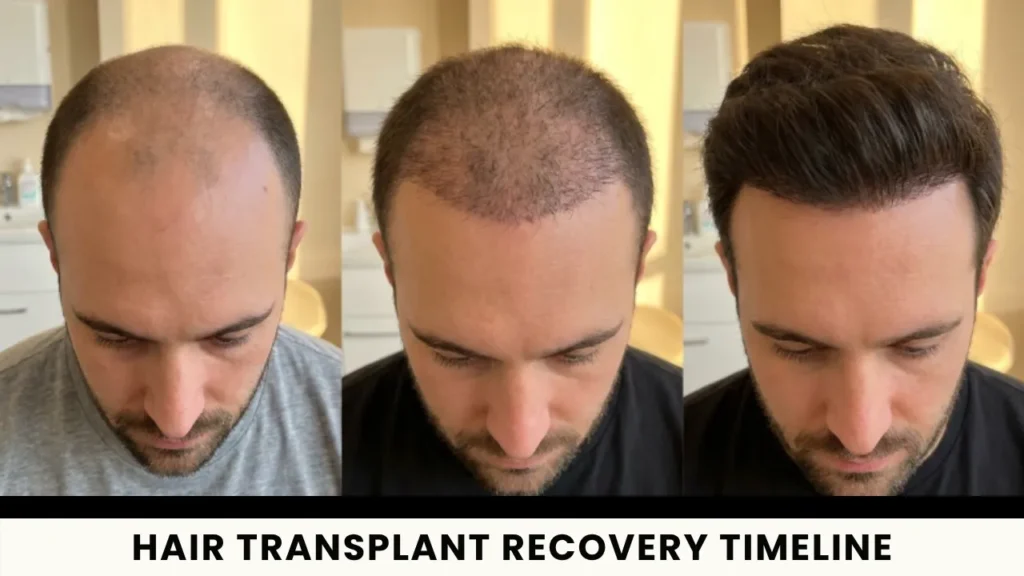
Hair Transplant Recovery Timeline: Day-by-Day, Week-by-Week and Month-by-Month Guide
Hair Transplant Recovery Timeline: Day-by-Day, Week-by-Week and Month-by-Month Guide Free Hair Analysis Homepage Blog Wayne…
Justin Bieber Hair Transplant: Hairline Analysis, Before & After Photos, Rumors & Expert Opinion
Justin Bieber Hair Transplant: Hairline Analysis, Before & After Photos, Rumors & Expert Opinion Free…
Wayne Rooney Hair Transplant: Before & After
Wayne Rooney Hair Transplant: Before & After Free Hair Analysis Homepage Blog Wayne Rooney Hair…

Conor McGregor Hair Transplant: Before & After
Conor McGregor Hair Transplant: Before & After Free Hair Analysis Homepage Blog Conor McGregor Hair…
Turkey Visa Requirements for Hair Transplant in Turkey
Turkey Visa Requirements for Hair Transplant in Turkey Free Hair Analysis Homepage Blog Turkey Visa…
David Silva Hair Transplant: Before & After
David Silva Hair Transplant: Before & After Free Hair Analysis Homepage Blog Discover David Silva…
Ready To
Book Your Appointment?
Reach out to us or complete our simple online form
and we’ll contact you to schedule a time that works perfectly for you.



Frequently Asked Questions