What Happens If Your Hair Transplant Fails? Understanding Outcomes & Solutions in 2026
Homepage

Blog
What Happens If Your Hair Transplant Fails? Understanding Outcomes & Solutions in 2026

Medical Reviewed By Dr. Tompi, M.D – Plastic & Aesthetic Surgeon
Written By Nazmi G, Trichologist

Embarking on a hair transplant journey is a significant decision, often filled with hope and anticipation for a fuller, more confident future. The vast majority of procedures performed by reputable clinics yield successful, natural-looking results, transforming lives and restoring self-esteem. However, it's natural to wonder about every possible outcome, including the less common scenario of a hair transplant not meeting expectations.
While rare, a 'failed' hair transplant can be a source of significant disappointment and concern. This comprehensive guide aims to address those anxieties head-on, providing an honest, authoritative look at what constitutes a hair transplant failure, the underlying reasons it might occur, how to recognise the signs, and crucially, what steps you can take if you find yourself in this challenging situation. Our goal is to empower you with knowledge and practical solutions, ensuring you feel supported every step of the way.
Defining Hair Transplant Failure: More Than Just Disappointment
Before we delve into the specifics, it's important to clarify what 'failure' truly means in the context of a hair transplant. It's not simply about not achieving the exact aesthetic ideal you envisioned, nor is it the temporary shedding that occurs in the initial months post-procedure, which is a normal part of the recovery process. A hair transplant is generally considered to have failed when:
- Significantly Poor Growth: There is a noticeable lack of new hair growth in the transplanted area after 12 to 18 months, or the density is far below what was reasonably expected.
- Unnatural Appearance: The transplanted hair grows in an unnatural direction, density, or creates an obvious, 'pluggy' or doll-like hairline that is clearly artificial.
- Donor Area Depletion or Damage: The donor area has been over-harvested, leading to visible thinning, scarring, or an inability to undergo future procedures.
- Persistent Complications: You experience ongoing issues such as chronic inflammation, infection, severe folliculitis, or extensive scarring that significantly impacts scalp health and appearance.
It's crucial to differentiate these outcomes from the normal variations in individual healing and growth rates, or the need for a second procedure to achieve desired density, which is often planned from the outset, particularly for extensive baldness.

Common Reasons Why a Hair Transplant Might Fail
Understanding the root causes of failure can help manage expectations and inform future decisions. While many factors contribute to a successful outcome, several common issues can lead to disappointing results:
- Poor Graft Survival: This is arguably the most common cause. Grafts are delicate and can be damaged by improper extraction, handling, storage, or implantation. If they are left out of the body for too long, exposed to trauma, or not kept in optimal conditions, their survival rate decreases significantly.
- Inexperienced Surgeon or Clinic: The skill of the surgical team is paramount. An inexperienced surgeon may lack the precision for proper graft placement, depth, and angle, leading to unnatural results. Poor clinic protocols can also compromise graft viability. For guidance on selecting a clinic, refer to our article on How to Choose a Hair Transplant Clinic in Turkey.
- Inadequate Patient Aftercare: The patient's role in the recovery process is critical. Failing to follow post-operative instructions regarding washing, medication, activity, and protecting the transplanted area can jeopardise graft survival. Our Complete Hair Transplant Aftercare Checklist provides essential guidance.
- Insufficient or Unsuitable Donor Hair: The quality and quantity of hair in the donor area (usually the back and sides of the head) are fundamental. If there isn't enough healthy donor hair, or if it's prone to future thinning, the transplant's long-term success can be compromised. Learn more about the importance of the donor area.
- Unrealistic Expectations: While not a clinical failure, a significant mismatch between a patient's expectations and what's surgically achievable can lead to deep dissatisfaction. A reputable clinic will manage expectations honestly during consultation.
- Underlying Medical Conditions: Undiagnosed or poorly managed medical conditions (e.g., certain autoimmune diseases, thyroid disorders, or severe nutritional deficiencies) can interfere with healing and hair growth.
- Infection or Poor Healing: Although rare with modern sterile techniques, post-operative infection can damage grafts and impair healing. Severe scarring can also prevent healthy growth. Our article on Hair Transplant Scars explains what to expect.
Recognising the Signs of a Failing Hair Transplant
Identifying a potential failure early can be distressing, but it's important to remain calm and systematic in your assessment. Here are the key indicators to look for, typically after the initial shedding phase and well into the growth period:
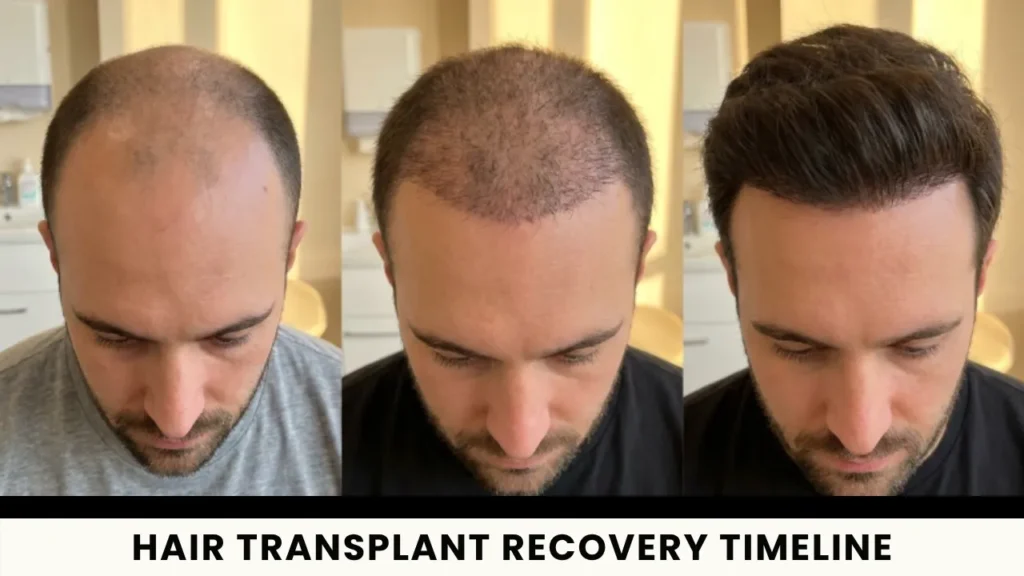
- Minimal or No Growth After 12-18 Months: The most obvious sign. While growth can be slow, by 12 months, you should see substantial coverage. By 18 months, the results should be largely mature. If your transplanted area remains significantly sparse, it's a concern. Consult our Hair Transplant Recovery Timeline for typical progression.
- Patchy or Uneven Growth: Instead of a uniform density, you might notice areas of growth interspersed with bald patches within the transplanted region.
- Unnatural Hairline or Direction: The hair may appear to sprout at incorrect angles, creating a 'spiky' or unnatural texture, or the hairline itself might be too low, too high, too straight, or asymmetrical.
- Persistent Redness, Itching, or Inflammation: While some redness is normal post-op, chronic or severe inflammation, especially accompanied by persistent itching or tenderness, could indicate an issue like folliculitis or an ongoing infection.
- Visible Scarring in Transplanted or Donor Areas: While FUE typically leaves tiny, almost invisible scars, and FUT leaves a linear scar, excessive or very prominent scarring in either area can be a sign of poor technique or healing complications.
- Donor Area Depletion: If the donor area appears significantly thinned, moth-eaten, or has large, obvious bald patches, it indicates over-harvesting, which is a serious issue.
It's crucial not to panic during the early months when shedding is normal. Wait patiently for the 6-month mark, and ideally, the 12-month mark, before drawing definitive conclusions.
What to Do If You Suspect Your Hair Transplant Has Failed
If you genuinely believe your hair transplant has failed, taking the right steps is crucial:
- Contact Your Original Clinic/Surgeon: Your first action should be to reach out to the clinic where you had the procedure. Explain your concerns clearly and provide any photographic evidence. They should be your primary point of contact for assessment and advice.
- Document Everything: Keep a detailed record of your recovery, including dated photos from different angles (e.g., monthly). This evidence will be invaluable for any consultation.
- Seek a Second Opinion: If you are unsatisfied with the original clinic's response, or simply want an independent assessment, consult another reputable hair transplant specialist. Choose a clinic known for its ethical practices and expertise, such as Turkey Hair Center.
- Maintain Good Aftercare: Continue to follow general hair care advice, and if prescribed, continue any medical treatments like Minoxidil or Finasteride, as these can support existing hair and potentially improve the environment for any struggling grafts. Find out more about Minoxidil and Finasteride After Hair Transplant.
Exploring Solutions: Corrective Procedures and Alternatives
Even in cases of failure, there are often viable solutions:
Revision Hair Transplant Surgery
For many, a revision hair transplant is the primary solution. This involves another surgical procedure to correct the issues from the initial transplant. This could mean:
- Increasing Density: Transplanting more grafts into sparse areas.
- Correcting Hairline: Redesigning or adding grafts to create a more natural hairline.
- Camouflaging Scars: Transplanting grafts into scarred areas to make them less visible.
- Removing Unnatural Grafts: Excising 'pluggy' grafts and re-implanting them as single follicular units, or discarding them if damaged.
The success of a revision depends heavily on the availability of healthy donor hair and the extent of damage from the previous procedure. A skilled surgeon will carefully assess your donor supply and scalp health.
Medical Treatments
While not a direct 'fix' for failed transplanted hair, medical treatments like Minoxidil and Finasteride can support the health of your existing native hair, potentially slowing down further hair loss and creating a fuller appearance around any areas of poor transplant growth.
Hair Systems
For individuals with severe donor depletion or extensive damage that cannot be corrected surgically, a high-quality hair system (a non-surgical hairpiece) can offer an excellent, immediate solution for density and aesthetic appeal. Explore the differences in our guide on Hair Systems Versus Hair Transplants.
Counselling and Acceptance
The emotional toll of a failed hair transplant can be significant. Seeking support from friends, family, or a counsellor can be beneficial. For some, after exploring all options, acceptance of the outcome and focusing on overall well-being becomes the healthiest path forward.
| Solution Type | Description | Best For | Considerations |
|---|---|---|---|
| Revision Hair Transplant | Second surgical procedure to add grafts, correct hairline, or improve density. | Poor growth, unnatural hairline, minor scarring. | Requires sufficient donor hair, expert surgeon. |
| Medical Treatments | Minoxidil, Finasteride to support existing hair and prevent further loss. | Supporting native hair, mild density issues. | Not a direct fix for failed grafts, ongoing commitment. |
| Hair Systems | Non-surgical hairpiece for immediate, dense coverage. | Extensive failure, donor depletion, non-surgical preference. | Requires maintenance, not permanent. |
Preventing Failure: Choosing the Right Clinic from the Start
The best way to address hair transplant failure is to prevent it. Your choice of clinic and surgeon is the single most critical factor in ensuring a successful outcome. Thorough due diligence before committing to a procedure cannot be overstated.
Key considerations include:
- Surgeon's Expertise and Experience: Look for board-certified surgeons with extensive experience specifically in hair transplantation. Review their portfolio (respecting patient privacy, of course) and understand their specialisations.
- Clinic Accreditation and Standards: Ensure the clinic adheres to international medical standards, has a sterile environment, and uses modern, well-maintained equipment.
- Transparent Communication: A reputable clinic will provide clear, honest information about the procedure, potential outcomes, risks, and aftercare. They will manage your expectations realistically.
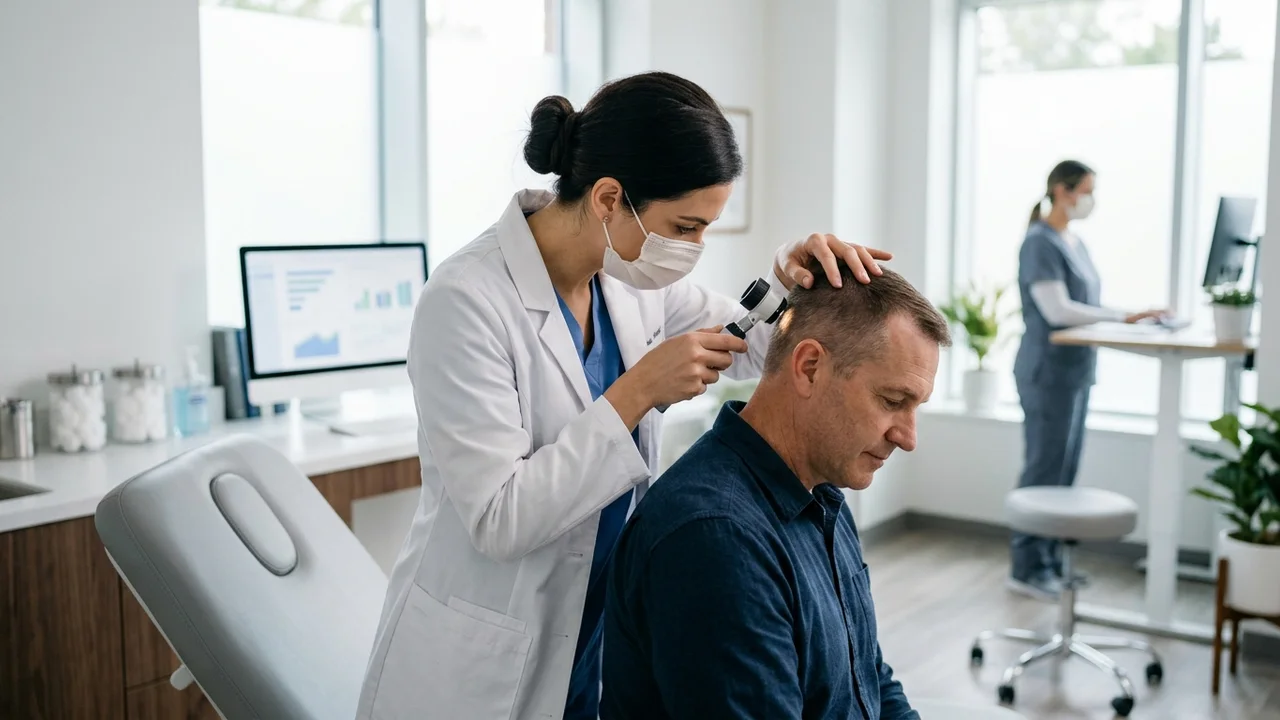
- Comprehensive Consultation: A thorough consultation will assess your hair loss, donor area, overall health, and discuss your goals to determine if you are a suitable candidate and what results are achievable.
- Patient Reviews and Testimonials: While individual results vary, consistent positive feedback regarding professionalism, patient care, and natural-looking outcomes is a good indicator.
Our guide on How to Spot a Low-Quality Hair Transplant Clinic in 2026 offers crucial insights to help you make an informed decision.
The Emotional Impact and Moving Forward
Experiencing a failed hair transplant can be an incredibly disheartening and emotionally taxing experience. It's normal to feel frustrated, angry, or deeply disappointed, especially after investing time, money, and hope into the procedure. This emotional impact can sometimes be as significant as the physical outcome itself.
It's important to acknowledge these feelings and give yourself space to process them. Remember that a setback does not define your entire journey. Focus on gathering information, exploring solutions, and seeking support from trusted individuals or professionals. Many individuals who experience initial disappointment go on to achieve excellent results through corrective procedures or by exploring alternative solutions. At Turkey Hair Center, we prioritise patient well-being and are dedicated to guiding you through every step, offering clear, compassionate advice.
Medical disclaimer: This article is for informational purposes only and is not medical advice. Individual results vary from person to person. Always consult a qualified doctor before any hair transplant procedure.
Get a Free Hair Analysis from Our Experts
Use our free online help tool to communicate your hair loss concerns – it only takes a few minutes. We’ll provide you with a personalized, non-binding quote.
Let’s Call You!

Popular Blogs
Hair Transplant Recovery Timeline: Day-by-Day, Week-by-Week and Month-by-Month Guide
Hair Transplant Recovery Timeline: Day-by-Day, Week-by-Week and Month-by-Month Guide Free Hair Analysis Homepage Blog Wayne…
Justin Bieber Hair Transplant: Hairline Analysis, Before & After Photos, Rumors & Expert Opinion
Justin Bieber Hair Transplant: Hairline Analysis, Before & After Photos, Rumors & Expert Opinion Free…
Wayne Rooney Hair Transplant: Before & After
Wayne Rooney Hair Transplant: Before & After Free Hair Analysis Homepage Blog Wayne Rooney Hair…

Conor McGregor Hair Transplant: Before & After
Conor McGregor Hair Transplant: Before & After Free Hair Analysis Homepage Blog Conor McGregor Hair…
Turkey Visa Requirements for Hair Transplant in Turkey
Turkey Visa Requirements for Hair Transplant in Turkey Free Hair Analysis Homepage Blog Turkey Visa…
David Silva Hair Transplant: Before & After
David Silva Hair Transplant: Before & After Free Hair Analysis Homepage Blog Discover David Silva…
Ready To
Book Your Appointment?
Reach out to us or complete our simple online form
and we’ll contact you to schedule a time that works perfectly for you.



Frequently Asked Questions