Low-Level Laser Therapy (LLLT) for Hair: Complementing Your Hair Transplant Results in 2026
Homepage

Blog
Low-Level Laser Therapy (LLLT) for Hair: Complementing Your Hair Transplant Results in 2026

Medical Reviewed By Dr. Tompi, M.D – Plastic & Aesthetic Surgeon
Written By Nazmi G, Trichologist

Embarking on a hair transplant journey is a significant step towards restoring your confidence and achieving a fuller head of hair. While the procedure itself offers remarkable and lasting results, many individuals seek ways to further optimise their outcome and support long-term hair health. This is where complementary treatments, such as Low-Level Laser Therapy (LLLT), come into play, offering a non-invasive yet powerful adjunct to your hair restoration plan.
LLLT, often referred to as 'cold laser' or 'red light therapy', has gained considerable attention in the field of hair restoration for its ability to stimulate hair follicles and promote healthier hair growth. When strategically integrated into your post-transplant care, LLLT can not only enhance the survival and growth of newly transplanted grafts but also strengthen your existing hair, leading to a denser, more vibrant appearance. At Turkey Hair Center, we believe in a holistic approach to hair restoration, and understanding the role of LLLT is key to unlocking your hair's full potential.
Understanding Low-Level Laser Therapy (LLLT) for Hair
Low-Level Laser Therapy (LLLT) is a non-surgical treatment that uses specific wavelengths of red light to stimulate cellular activity within hair follicles. Unlike surgical lasers, LLLT devices do not generate heat or cause tissue damage; instead, they deliver therapeutic light energy directly to the scalp. This gentle, yet effective, form of light therapy is based on the principle of photobiomodulation, where light energy is absorbed by the cells, triggering a cascade of beneficial biological processes.
Originally approved for treating androgenetic alopecia (pattern baldness) in both men and women, LLLT works by targeting the mitochondria within hair follicle cells. This cellular stimulation helps to improve blood circulation to the scalp, deliver essential nutrients to the follicles, and reduce inflammation. By optimising the environment for hair growth, LLLT can help revitalise dormant follicles and encourage existing hair to grow thicker and stronger. It's a testament to how advanced technology can support natural physiological processes.

The Science Behind LLLT: How it Stimulates Hair Growth
The efficacy of LLLT in promoting hair growth is rooted in its ability to influence cellular metabolism. When hair follicles absorb the specific wavelengths of red light emitted by LLLT devices, it activates chromophores within the cells. This activation leads to an increase in adenosine triphosphate (ATP) production, which is the primary energy source for cellular functions. With more energy, hair follicle cells can function more efficiently, leading to several key benefits for hair growth.
Specifically, LLLT is believed to:
- Prolong the Anagen (Growth) Phase: By providing energy to the follicles, LLLT helps to keep hair in its active growth phase for longer, reducing premature shedding.
- Stimulate Blood Flow: Enhanced circulation delivers more oxygen and nutrients to the scalp, crucial for healthy hair development.
- Reduce Inflammation: LLLT has anti-inflammatory properties, which can be beneficial for conditions that contribute to hair loss and for post-operative healing.
- Activate Growth Factors: It may trigger the release of various growth factors that encourage cell proliferation and tissue repair.
These mechanisms collectively contribute to improved hair density, thickness, and overall scalp health, making LLLT a valuable tool in combating hair thinning and supporting hair restoration.
LLLT as a Powerful Complement to Your Hair Transplant
While a hair transplant provides a permanent solution by relocating healthy hair follicles to balding areas, integrating LLLT into your aftercare can significantly enhance and safeguard your investment. LLLT doesn't replace the need for a transplant, but it acts as a powerful adjunctive therapy, optimising the conditions for transplanted grafts and existing hair alike.
Following a hair transplant, the scalp undergoes a healing process, and the newly transplanted grafts enter a resting phase before new growth begins. LLLT can play a crucial role during this period by:
- Accelerating Healing: The anti-inflammatory and cellular regenerative effects of LLLT can speed up the healing of the donor and recipient areas, reducing redness and swelling.
- Improving Graft Survival: By enhancing blood flow and nutrient delivery to the scalp, LLLT creates a more robust environment for the newly implanted follicles, potentially increasing their survival rate.
- Minimising Post-Operative Shock Loss: Many patients experience temporary shedding of existing native hair (known as shock loss) after a transplant. LLLT can help strengthen these native hairs, potentially reducing the extent and duration of this shedding.
- Stimulating Earlier and Stronger Growth: Some studies suggest LLLT can encourage transplanted hairs to enter their growth phase sooner and grow with greater density and thickness.
Benefits of Integrating LLLT into Your Hair Restoration Journey
The decision to undergo a hair transplant is an investment in your appearance and self-confidence. By incorporating LLLT into your overall hair restoration plan, you can unlock a range of additional benefits that contribute to a more comprehensive and satisfying outcome:
- Enhanced Hair Density: LLLT not only supports the growth of transplanted hairs but can also stimulate existing thinning hair to become thicker and denser, contributing to a more uniform and fuller appearance.
- Improved Hair Quality: Patients often report that their hair feels softer, looks shinier, and is more manageable after consistent LLLT treatments, indicating improved overall hair health.
- Non-Invasive and Painless: LLLT is a comfortable treatment with no downtime, making it an easy addition to your routine without interfering with your daily activities.
- Reduced Hair Loss Progression: For individuals with ongoing androgenetic alopecia, LLLT can help slow down the progression of hair loss in areas not treated by transplantation, protecting your remaining native hair.
- Complementary to Other Treatments: LLLT can be safely used alongside other medically approved hair loss treatments, such as Finasteride or Minoxidil, potentially boosting their effectiveness.
- Long-Term Hair Health Maintenance: Regular LLLT sessions can be a proactive measure to maintain the health of your scalp and hair follicles for years to come, helping to preserve your transplant results.
Choosing the Right LLLT Device: At-Home vs. Clinic Treatments
When considering LLLT, you'll encounter a variety of devices, broadly categorised into at-home units and in-clinic systems. Each option presents its own advantages and considerations, and the best choice often depends on your lifestyle, budget, and the guidance of your hair restoration specialist.
In-clinic LLLT treatments typically involve larger, more powerful devices that cover a greater scalp area and deliver a precise, controlled dose of light energy under professional supervision. These sessions are usually shorter but require regular visits to the clinic.
At-home LLLT devices, such as laser caps, combs, and helmets, offer convenience and privacy. They allow you to perform treatments on your own schedule, often while engaging in other activities. While generally less powerful than clinic-grade machines, consistent and correct use of high-quality home devices can still yield significant benefits.
| Feature | At-Home LLLT Devices | In-Clinic LLLT Treatments |
|---|---|---|
| Convenience | High (use anytime, anywhere) | Moderate (scheduled appointments) |
| Power/Intensity | Generally lower | Generally higher |
| Cost (Initial) | Higher (one-time purchase) | Lower (per session, but cumulative) |
| Supervision | Self-administered | Professional oversight |
| Treatment Time | Often 15-30 minutes, 3-4 times/week | Often 10-20 minutes, 1-2 times/week |
| Coverage | Full scalp (caps/helmets), targeted (combs) | Full scalp (larger systems) |
The key to success with any LLLT device, whether at home or in a clinic, is consistency and adherence to the recommended treatment protocol. Your specialist at Turkey Hair Center can help you determine which type of device, if any, is most suitable for your specific needs and post-transplant goals.
What to Expect: LLLT Treatment Protocol and Duration
Integrating LLLT into your hair restoration journey is a straightforward process, but understanding the typical protocol and duration is essential for managing expectations and achieving the best results. While specific recommendations may vary based on individual needs and the type of device used, a general framework applies.
Typically, LLLT sessions are recommended three to four times a week, with each session lasting between 15 to 30 minutes. Consistency is paramount; irregular use will diminish potential benefits. For post-hair transplant care, it's generally advised to begin LLLT a few weeks after the procedure, once the initial healing of the scalp has progressed. Always consult with your hair transplant specialist at Turkey Hair Center to determine the optimal starting point and frequency for your unique recovery timeline.
The duration of LLLT treatment is usually long-term. While some individuals may start to notice improvements in hair texture and a reduction in shedding within a few months, visible increases in hair density and growth typically require consistent use for at least 6 to 12 months. LLLT is a continuous therapy, much like maintaining a healthy lifestyle; ongoing use is often recommended to sustain benefits and prevent further hair loss.

Potential Side Effects and Considerations
Low-Level Laser Therapy is widely considered a safe and well-tolerated treatment for hair loss, with a low incidence of adverse effects. It is non-invasive and does not involve chemicals or heat, making it a gentle option for many individuals. However, as with any medical intervention, it's important to be aware of potential considerations, even if they are rare.
The most commonly reported side effects, which are generally mild and temporary, include:
- Mild Scalp Itching or Tingling: Some individuals may experience a slight sensation during or shortly after a session.
- Temporary Redness: The scalp may appear slightly red immediately after treatment, similar to a mild sunburn, but this typically subsides quickly.
Serious side effects are exceedingly rare. LLLT is not recommended for individuals with certain photosensitive conditions or those taking medications that cause photosensitivity, as a precautionary measure. Pregnant or breastfeeding women are also typically advised to avoid LLLT due to a lack of sufficient research in these groups. It is crucial to discuss your full medical history and any concerns with your hair restoration specialist before starting LLLT to ensure it is a safe and appropriate option for you.
Maximising Your Hair Transplant Results with LLLT and Comprehensive Aftercare
Your hair transplant journey doesn't end when you leave the clinic; it's a continuous process of care and maintenance designed to maximise and preserve your results. Low-Level Laser Therapy stands out as an excellent complement, working in synergy with your newly transplanted grafts and existing hair to foster an environment of optimal growth and health.
At Turkey Hair Center, we advocate for a comprehensive aftercare approach that integrates various elements for the best possible outcome. While LLLT provides invaluable support for cellular health and circulation, it should be considered alongside other crucial post-transplant guidelines. This includes adherence to prescribed medications, gentle hair washing techniques, and a nutritious diet, all of which contribute to the vitality of your hair. For detailed guidance on your recovery, refer to our complete hair transplant aftercare checklist.
By embracing LLLT as part of your holistic aftercare strategy, you are actively investing in the longevity and quality of your hair transplant results. It's about nurturing your hair from the inside out, ensuring each follicle has the best chance to thrive. Always consult with your specialist to tailor an aftercare plan that best suits your individual needs, ensuring you achieve the dense, natural-looking hair you desire.
Medical disclaimer: This article is for informational purposes only and is not medical advice. Individual results vary from person to person. Always consult a qualified doctor before any hair transplant procedure.
Get a Free Hair Analysis from Our Experts
Use our free online help tool to communicate your hair loss concerns – it only takes a few minutes. We’ll provide you with a personalized, non-binding quote.
Let’s Call You!

Popular Blogs
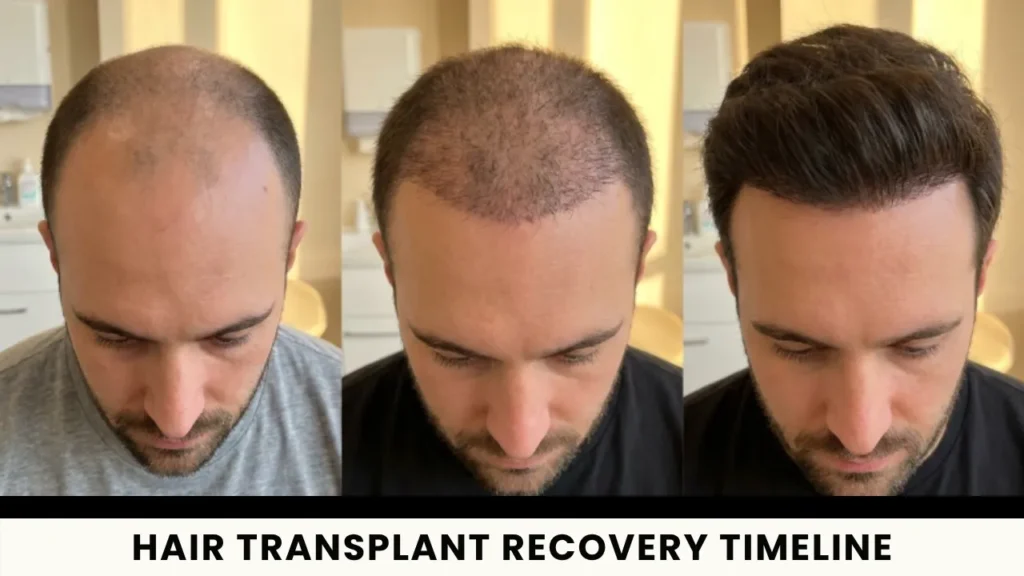
Hair Transplant Recovery Timeline: Day-by-Day, Week-by-Week and Month-by-Month Guide
Hair Transplant Recovery Timeline: Day-by-Day, Week-by-Week and Month-by-Month Guide Free Hair Analysis Homepage Blog Wayne…
Justin Bieber Hair Transplant: Hairline Analysis, Before & After Photos, Rumors & Expert Opinion
Justin Bieber Hair Transplant: Hairline Analysis, Before & After Photos, Rumors & Expert Opinion Free…
Wayne Rooney Hair Transplant: Before & After
Wayne Rooney Hair Transplant: Before & After Free Hair Analysis Homepage Blog Wayne Rooney Hair…

Conor McGregor Hair Transplant: Before & After
Conor McGregor Hair Transplant: Before & After Free Hair Analysis Homepage Blog Conor McGregor Hair…
Turkey Visa Requirements for Hair Transplant in Turkey
Turkey Visa Requirements for Hair Transplant in Turkey Free Hair Analysis Homepage Blog Turkey Visa…
David Silva Hair Transplant: Before & After
David Silva Hair Transplant: Before & After Free Hair Analysis Homepage Blog Discover David Silva…
Ready To
Book Your Appointment?
Reach out to us or complete our simple online form
and we’ll contact you to schedule a time that works perfectly for you.



Frequently Asked Questions