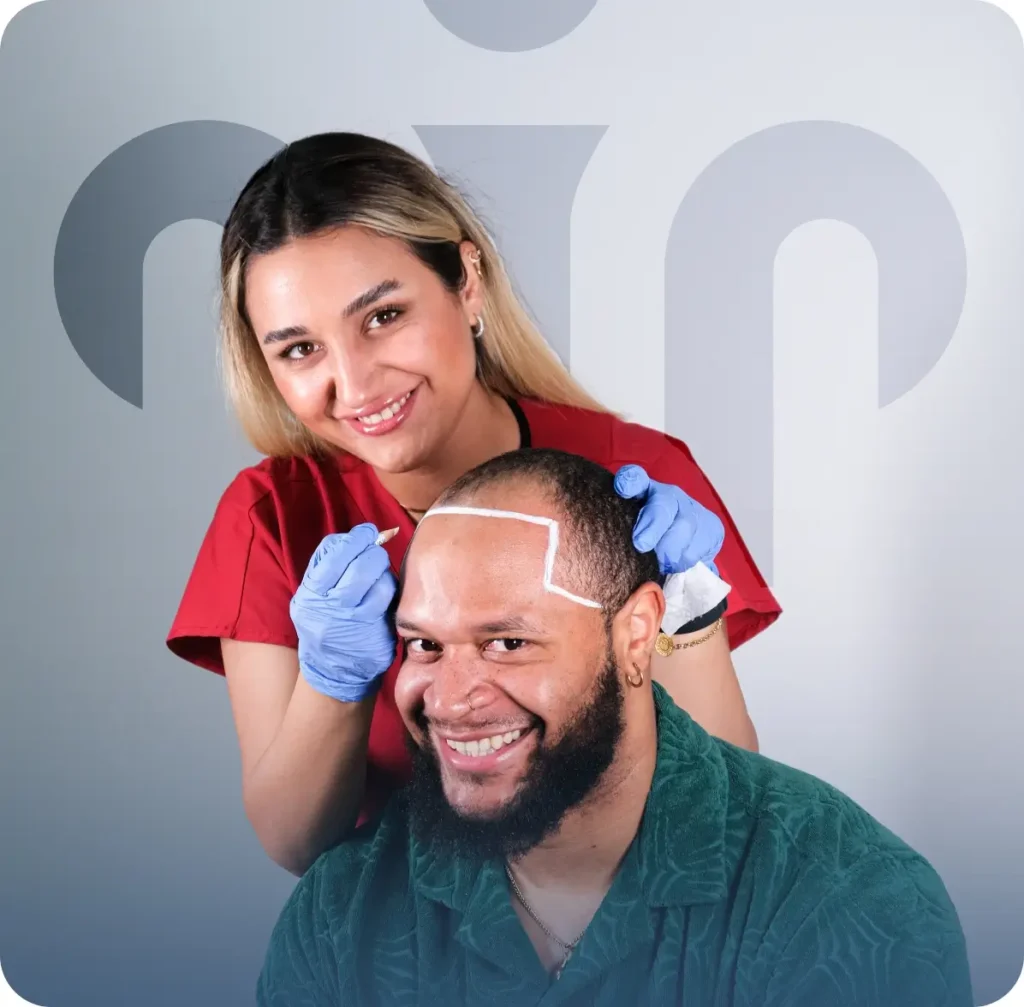
Shock Loss After a Hair Transplant: Why It Happens
Homepage

Blog
Shock Loss After a Hair Transplant: Why It Happens

Medical Reviewed By Dr. Tompi, M.D – Plastic & Aesthetic Surgeon
Written By Nazmi G, Trichologist


Shock loss is normal and temporary. Around weeks 2–4 after a transplant, many of the newly placed hairs (and sometimes nearby native hairs) shed as the follicles enter a resting phase. The follicles themselves are unharmed — new, permanent growth begins around months 3–4, so shedding is actually a sign the process is working.
Embarking on a hair transplant journey is an exciting step towards restoring your confidence and achieving a fuller head of hair. However, for many patients, the initial weeks and months post-procedure can bring about an unexpected, and often concerning, phenomenon known as 'shock loss'. This temporary shedding of existing hair, or even newly transplanted hair, can understandably cause anxiety, making you question the success of your procedure.
At Turkey Hair Center, we believe in transparent communication and thorough patient education. Understanding shock loss – why it happens, when it typically starts, and how long it lasts – is crucial for managing your expectations and navigating your recovery with peace of mind. Rest assured, shock loss is a normal part of the healing process and a temporary setback on your path to lasting results.
What Exactly Is Shock Loss?
Shock loss, clinically known as 'telogen effluvium' induced by trauma, refers to the temporary shedding of existing hair follicles in the recipient area, or sometimes even in the donor area, following a hair transplant procedure. It's important to differentiate this from the expected shedding of the transplanted hair shafts, which also occurs early in the recovery phase. While both involve hair loss, shock loss primarily impacts pre-existing, native hairs that were healthy before the surgery but enter a resting phase due to the surgical trauma.
The body perceives the hair transplant procedure, whether FUE or DHI, as a form of trauma. This stress can temporarily disrupt the normal hair growth cycle of surrounding hair follicles, forcing them prematurely into the telogen (resting) phase. As these hairs enter the resting phase, they eventually fall out, typically within a few weeks to months after the surgery.

The Science Behind Shock Loss: Why Does It Happen?
The human hair growth cycle consists of three main phases: anagen (growth), catagen (transition), and telogen (resting/shedding). A hair transplant, while ultimately beneficial, places significant stress on the scalp, triggering a physiological response that can lead to shock loss.
- Trauma to Existing Follicles: During the creation of recipient sites (small incisions where new grafts are placed), the delicate blood supply and nerve endings surrounding existing native hair follicles can be temporarily disrupted. Even if these hairs were healthy, this 'shock' can push them into the resting (telogen) phase, leading to shedding. This is particularly common in areas where existing hair is thin or miniaturised, as these follicles are already more vulnerable to stress.
- Donor Area Stress: While less common for significant hair loss, the donor area can also experience a form of shock loss. The extraction of grafts, particularly if a large number are taken or if the area is over-harvested, can stress surrounding follicles, causing them to temporarily shed. This is usually less noticeable as the donor area is often denser.
- Anaesthesia and Medications: The local anaesthesia and other medications used during and immediately after the surgery can also contribute to systemic stress on the body, which might indirectly influence the hair cycle and contribute to temporary shedding.
- Inflammation: Any surgical procedure induces an inflammatory response. While necessary for healing, this inflammation can also temporarily impact the health and function of nearby hair follicles, pushing them into the telogen phase.
When Does Shock Loss Typically Start and How Long Does It Last?
The timing and duration of shock loss can vary slightly from person to person, but there's a general timeline you can expect:
- Onset: Shock loss typically begins around 2 to 4 weeks after your hair transplant procedure. This period coincides with the natural shedding cycle initiated by the surgical trauma.
- Duration: The shedding phase usually continues for about 3 to 4 months. During this time, you may notice increased hair fall, potentially making your scalp appear thinner than before the surgery. This can be disheartening, but it is a normal and expected part of the process.
- Recovery: After the shock loss period concludes, the hair follicles that shed will typically re-enter the anagen (growth) phase. New hair growth will then begin, gradually becoming thicker and more robust over the subsequent months.
To put shock loss into context within the broader recovery, here's a general timeline:
| Time Post-Transplant | Key Event | Shock Loss Status |
|---|---|---|
| Days 1-7 | Initial healing, scabs form | Not yet started |
| Weeks 2-4 | Scabs fall off, transplanted hairs begin to shed | Shock loss typically begins |
| Months 1-3 | Continued shedding of transplanted and native hairs | Peak shock loss period |
| Months 3-4 | Shedding starts to decrease | Shock loss begins to subside |
| Months 4-6 | New hair growth begins | Recovering, new growth visible |
| Months 6-12+ | Hair matures, density increases | Fully recovered, established growth |
Is All Hair Loss After a Transplant Shock Loss?
No, not all hair loss after a transplant is shock loss. It's crucial to understand the difference between shock loss and the shedding of transplanted hairs. Shortly after a hair transplant, typically within the first few weeks, the transplanted hair shafts will also shed. This is a completely normal and expected part of the process. The follicular units themselves remain implanted, but the hair shafts enter a resting phase before new, permanent hairs begin to grow from those same follicles.
Shock loss, on the other hand, specifically refers to the shedding of your *existing* native hair, usually around the transplanted area, due to the temporary trauma of the surgery. Both types of shedding are temporary and make way for new, healthy hair growth. If you have concerns about the type or extent of hair loss you are experiencing, always consult with your clinic.
Minimising the Risk and Impact of Shock Loss
While shock loss cannot always be entirely prevented, there are steps you can take to minimise its severity and promote healthy regrowth:
- Follow Aftercare Instructions Diligently: Adhering strictly to your post-operative care instructions from Turkey Hair Center is paramount. This includes gentle washing, avoiding strenuous activities, and protecting your scalp from direct sun exposure. For a comprehensive guide, refer to our Complete Hair Transplant Aftercare Checklist.
- Medication Adherence: Your surgeon may recommend medications such as Minoxidil or Finasteride to support hair growth and potentially minimise shock loss by strengthening existing follicles. Discuss these options with your medical team. You can learn more on our Minoxidil and Finasteride After Hair Transplant page.
- Maintain a Healthy Lifestyle: A balanced diet rich in vitamins and minerals essential for hair health (like Biotin, Zinc, Iron, and Vitamin D) can support overall recovery and hair growth. Staying hydrated and avoiding smoking and excessive alcohol consumption also contribute to better healing.
- Manage Stress: Stress can exacerbate hair loss. Practicing stress-reduction techniques like meditation, light exercise, or simply getting enough rest can be beneficial during your recovery period.

What to Expect After Shock Loss Subsides
Once the period of shock loss concludes, typically around months 3-4 post-transplant, you will begin to see the exciting results you've been waiting for. The hair follicles that entered the resting phase will re-enter the active growth phase, and new, healthy hairs will start to emerge. Initially, these hairs may be fine and wispy, but they will gradually thicken and mature over the following months.
Patience is the most valuable virtue during this phase. Full results from a hair transplant are not usually visible until 12 to 18 months post-procedure. The journey involves several stages, and shock loss is simply one temporary part of that transformation. For a detailed breakdown of what to expect at each stage, our Hair Transplant Recovery Timeline provides comprehensive information.
The Emotional Aspect of Shock Loss
It's completely normal to feel disheartened or anxious when you experience shock loss, especially after the excitement of the initial procedure. Seeing your hair thin out again, even temporarily, can be emotionally challenging. At Turkey Hair Center, we understand these feelings and want to reassure you that this is a predictable and transient phase.
Our team is always available to discuss your concerns, provide reassurance, and guide you through every step of your recovery. Maintaining open communication with your clinic and understanding the process will help alleviate any undue stress and allow you to focus on the positive outcome awaiting you.
Medical disclaimer: This article is for informational purposes only and is not medical advice. Individual results vary from person to person. Always consult a qualified doctor before any hair transplant procedure.
Get a Free Hair Analysis from Our Experts
Use our free online help tool to communicate your hair loss concerns – it only takes a few minutes. We’ll provide you with a personalized, non-binding quote.
Let’s Call You!

Popular Blogs
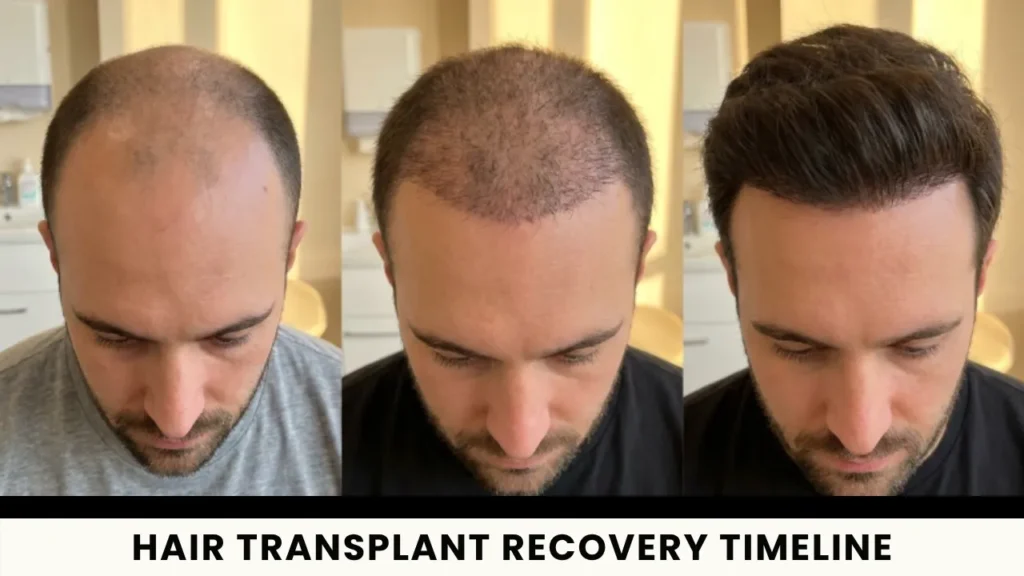
Hair Transplant Recovery Timeline: Day-by-Day, Week-by-Week and Month-by-Month Guide
Hair Transplant Recovery Timeline: Day-by-Day, Week-by-Week and Month-by-Month Guide Free Hair Analysis Homepage Blog Wayne…

Justin Bieber Hair Transplant: Hairline Analysis, Before & After Photos, Rumors & Expert Opinion
Justin Bieber Hair Transplant: Hairline Analysis, Before & After Photos, Rumors & Expert Opinion Free…
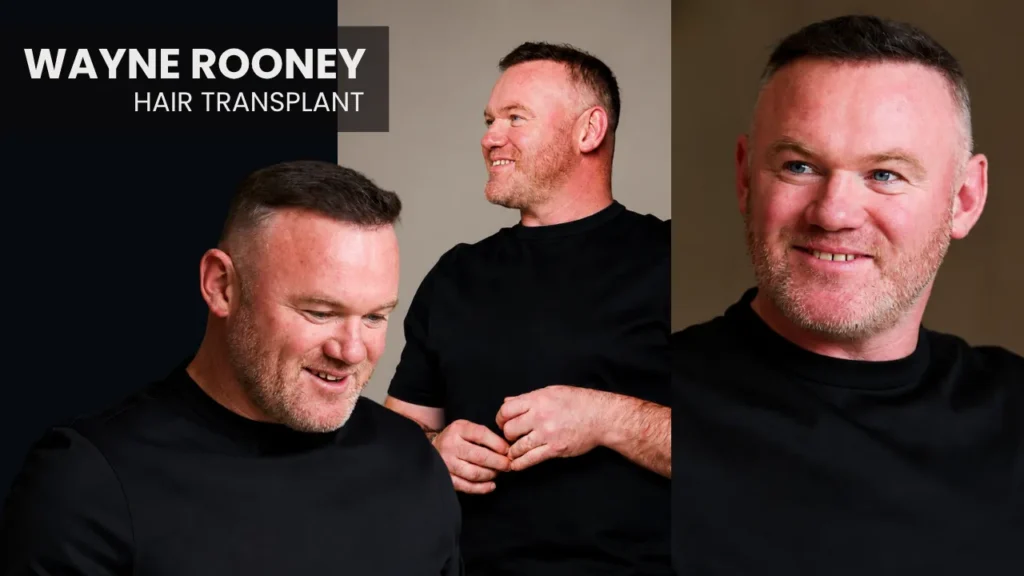
Wayne Rooney Hair Transplant: Before & After
Wayne Rooney Hair Transplant: Before & After Free Hair Analysis Homepage Blog Wayne Rooney Hair…

Conor McGregor Hair Transplant: Before & After
Conor McGregor Hair Transplant: Before & After Free Hair Analysis Homepage Blog Conor McGregor Hair…
Turkey Visa Requirements for Hair Transplant in Turkey
Turkey Visa Requirements for Hair Transplant in Turkey Free Hair Analysis Homepage Blog Turkey Visa…

David Silva Hair Transplant: Before & After
David Silva Hair Transplant: Before & After Free Hair Analysis Homepage Blog Discover David Silva…
Ready To
Book Your Appointment?
Reach out to us or complete our simple online form
and we’ll contact you to schedule a time that works perfectly for you.



Frequently Asked Questions