Why Your Hair Texture Might Change After a Hair Transplant in 2026
Homepage

Blog
Why Your Hair Texture Might Change After a Hair Transplant in 2026

Medical Reviewed By Dr. Tompi, M.D – Plastic & Aesthetic Surgeon
Written By Nazmi G, Trichologist

Embarking on a hair transplant journey is an exciting step towards restoring your hairline and confidence. As you anticipate the incredible transformation, it's natural to have questions about every aspect of your new hair. One common observation, and often a point of curiosity for many patients, is a noticeable change in hair texture after their procedure.
You might find your newly grown hairs feel different – perhaps a bit finer, curlier, or even straighter than your original hair. This isn't just your imagination; hair texture can indeed undergo temporary alterations post-transplant. Understanding why these changes occur and what to expect can help set realistic expectations and ensure a smoother, more reassuring recovery process.
The Journey of Transplanted Hair: A Brief Overview
A hair transplant involves relocating healthy hair follicles from a donor area (typically the back or sides of your head) to areas experiencing hair loss. These transplanted follicles are genetically programmed to resist balding, ensuring their longevity in their new location. Once implanted, these follicles enter a new growth cycle, beginning their journey to produce new, healthy hair.
Initially, the transplanted hairs will shed, a process known as 'shock loss', which is a normal part of the recovery. Following this, new hairs begin to emerge, usually around 3-4 months post-procedure. It's during this crucial growth phase that patients often start to notice differences in the texture of these emerging strands compared to their native hair.

Understanding "Shock Loss" and Initial Growth Phase
The 'shock loss' phenomenon is a temporary telogen effluvium, where the trauma of transplantation causes the existing hair shafts within the transplanted follicles to fall out. This is a sign that the follicles are entering a resting phase before new, stronger hair can grow. When new hair eventually emerges, it's not uncommon for it to have a different appearance initially.
These first hairs might be finer and less pigmented than what you're used to. This is because the follicles are still recovering and adapting to their new environment. Think of it as a baby plant – it starts small and delicate before growing into its full, robust form. This initial phase is a critical part of the process, and patience is key as your follicles mature.
Why Your New Hair Might Feel Different: Key Factors
Several factors contribute to the temporary changes in hair texture observed after a hair transplant:
- Follicle Trauma: The extraction and implantation process, while meticulously performed, is still a form of micro-trauma to the delicate hair follicles. This temporary stress can affect the initial growth patterns and characteristics of the hair shaft.
- Blood Supply and Nutrition: Post-surgery, the scalp's blood supply to the newly transplanted grafts needs to re-establish itself. While this healing occurs, the follicles might receive slightly altered nutrient delivery, influencing the quality and texture of the emerging hair.
- Hormonal and Cellular Changes: The body undergoes various cellular and hormonal adjustments during the healing process, which can temporarily impact hair growth cycles and the keratinisation process that determines hair texture.
- Medication Usage: Medications like Minoxidil or Finasteride, often prescribed post-transplant to support hair growth and strengthen existing hair, can also influence hair calibre and growth cycles, potentially leading to texture changes in both native and transplanted hair.
- Donor Hair Characteristics: Crucially, transplanted hair retains the genetic characteristics of its donor site. If the donor hair had a slightly different natural texture (e.g., coarser or curlier) than the hair on your recipient area, this inherent difference will become noticeable as the new hair grows.
Common Texture Changes Observed After a Hair Transplant
Patients report a variety of texture changes, most of which are temporary:
- Finer Hair: Often, the very first hairs to grow from the transplanted follicles are finer or thinner than your original hair. This is usually a temporary phase as the follicle matures.
- Curlier Hair: A surprisingly common observation is that new hair grows in curlier than the patient's native straight hair. This can be due to temporary changes in the follicle's shape or orientation post-implantation, which usually self-corrects over time.
- Straighter Hair: While less common than increased curliness, some individuals with naturally wavy or curly hair might notice their transplanted hair growing in straighter.
- Thicker Hair: Conversely, as the follicles fully recover and mature, the new hair often grows in thicker and stronger than the thinning hair it replaced, providing greater density.
- Slight Colour Shifts: Very occasionally, minor and temporary changes in hair colour or pigmentation might be noted, often returning to normal as the hair fully develops.
The Science Behind Post-Transplant Hair Texture Alterations
The hair follicle is a complex mini-organ, with various cells and structures working in harmony to produce hair. The dermal papilla, a cluster of cells at the base of the follicle, plays a crucial role in hair growth and characteristics. During a transplant, the follicle is carefully extracted and re-implanted, disrupting its immediate environment.
This disruption can temporarily alter the communication pathways between the dermal papilla and other follicle cells, affecting the hair's growth cycle and the production of keratin, the protein that forms the hair shaft. The follicle might initially produce a hair shaft that is different in diameter or shape due to this temporary cellular adjustment. Over time, as the follicle fully integrates and recovers, these processes normalise, and the hair typically reverts to its genetically predetermined texture.
Is Hair Texture Change Permanent? What to Expect Long-Term
For the vast majority of patients, any initial changes in hair texture after a hair transplant are temporary. The transplanted hair, being genetically programmed from the donor area, will eventually revert to its natural texture and characteristics. This normalisation process usually occurs gradually as the follicles fully heal and mature, typically within 12 to 18 months post-procedure.
Patience is paramount during this period. Your hair is undergoing a significant regenerative process. While the initial growth might surprise you, trust that your body is working to establish healthy, natural-looking hair that reflects the genetic predisposition of your donor follicles.
| Timeframe Post-Transplant | Expected Hair Texture Changes | Explanation |
|---|---|---|
| 0-3 Months | Initial shedding (shock loss), then very fine, often colourless 'peach fuzz' hairs emerge. | Follicles resting and beginning the new growth cycle. Hair is delicate and immature. |
| 3-6 Months | New hairs become more visible, often appearing finer or curlier than native hair. | Follicles are actively growing, but still recovering from trauma and adapting to new blood supply. |
| 6-12 Months | Hair thickens, texture starts to normalise, becoming more consistent with donor hair. | Follicles are maturing, blood supply fully re-established. Hair shafts gain strength and typical characteristics. |
| 12-18 Months | Full maturation of transplanted hair. Texture typically matches original donor hair. | Final results visible, follicles fully recovered and producing hair according to their genetic blueprint. |

Managing and Caring for Your Hair During Texture Transitions
Maintaining a gentle and consistent aftercare routine is vital for optimal results and to support your hair through any texture transitions. Here are some key recommendations:
- Gentle Washing: Use a mild, pH-balanced shampoo recommended by your clinic. Avoid harsh scrubbing; instead, gently massage the scalp.
- Conditioning: A light, hydrating conditioner can help manage any dryness or frizz associated with new hair growth.
- Avoid Harsh Chemicals: Steer clear of strong styling products, dyes, or chemical treatments during the initial healing and growth phases.
- Heat Protection: Limit the use of heat styling tools (hairdryers, straighteners) and always use a heat protectant if necessary.
- Healthy Lifestyle: A balanced diet rich in vitamins and minerals, adequate hydration, and stress management all contribute to overall hair health.
- Follow Clinic Advice: Adhere strictly to all post-operative instructions provided by Turkey Hair Center, including medication schedules and follow-up appointments. For a comprehensive guide, refer to our Complete Hair Transplant Aftercare Checklist.
When to Consult Your Clinic About Hair Texture Concerns
While temporary texture changes are a normal part of the hair transplant recovery, it's always best to communicate any concerns with your clinic. You should contact Turkey Hair Center if you notice:
- Extreme or persistent texture changes beyond the typical 12-18 month mark.
- Signs of infection, such as redness, swelling, or pus, particularly if accompanied by an unpleasant odour.
- Significant discomfort or pain in the recipient or donor areas.
- Unexpected hair loss that doesn't align with the normal 'shock loss' phase or pattern.
Your medical team can assess your progress, provide reassurance, and offer tailored advice to ensure your recovery is on track and your results are optimal.
Medical disclaimer: This article is for informational purposes only and is not medical advice. Individual results vary from person to person. Always consult a qualified doctor before any hair transplant procedure.
Get a Free Hair Analysis from Our Experts
Use our free online help tool to communicate your hair loss concerns – it only takes a few minutes. We’ll provide you with a personalized, non-binding quote.
Let’s Call You!

Popular Blogs
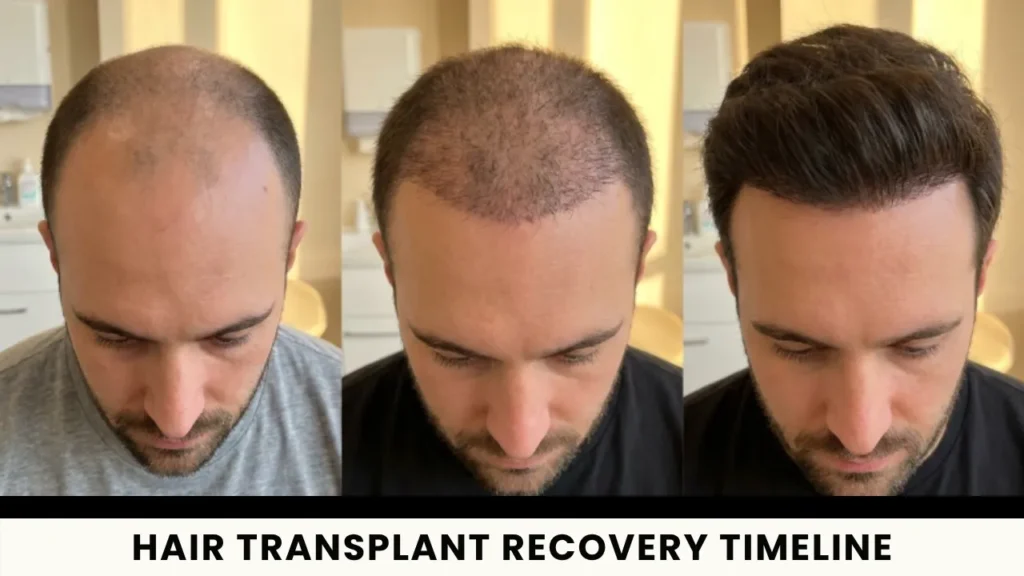
Hair Transplant Recovery Timeline: Day-by-Day, Week-by-Week and Month-by-Month Guide
Hair Transplant Recovery Timeline: Day-by-Day, Week-by-Week and Month-by-Month Guide Free Hair Analysis Homepage Blog Wayne…
Justin Bieber Hair Transplant: Hairline Analysis, Before & After Photos, Rumors & Expert Opinion
Justin Bieber Hair Transplant: Hairline Analysis, Before & After Photos, Rumors & Expert Opinion Free…
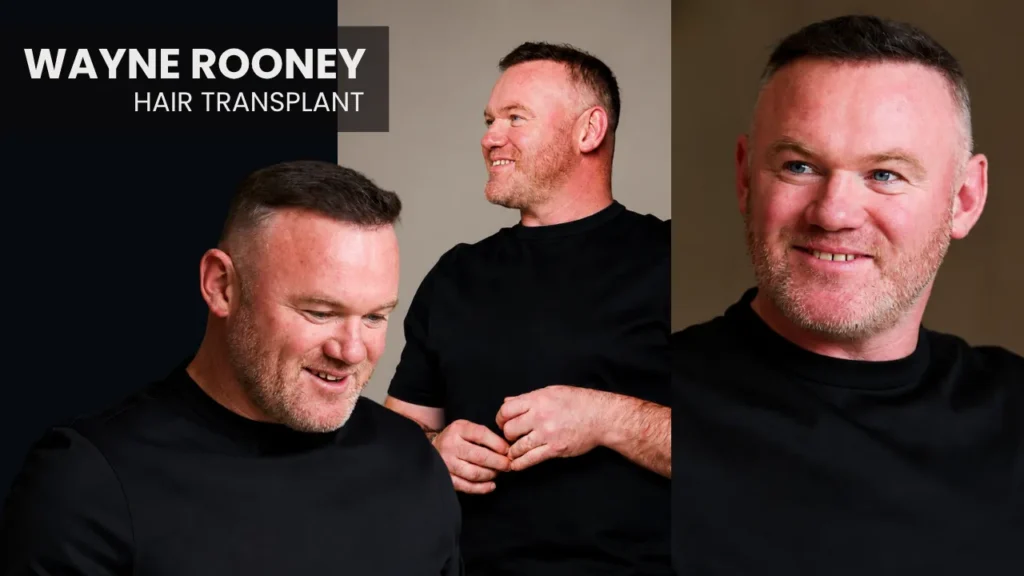
Wayne Rooney Hair Transplant: Before & After
Wayne Rooney Hair Transplant: Before & After Free Hair Analysis Homepage Blog Wayne Rooney Hair…

Conor McGregor Hair Transplant: Before & After
Conor McGregor Hair Transplant: Before & After Free Hair Analysis Homepage Blog Conor McGregor Hair…
Turkey Visa Requirements for Hair Transplant in Turkey
Turkey Visa Requirements for Hair Transplant in Turkey Free Hair Analysis Homepage Blog Turkey Visa…
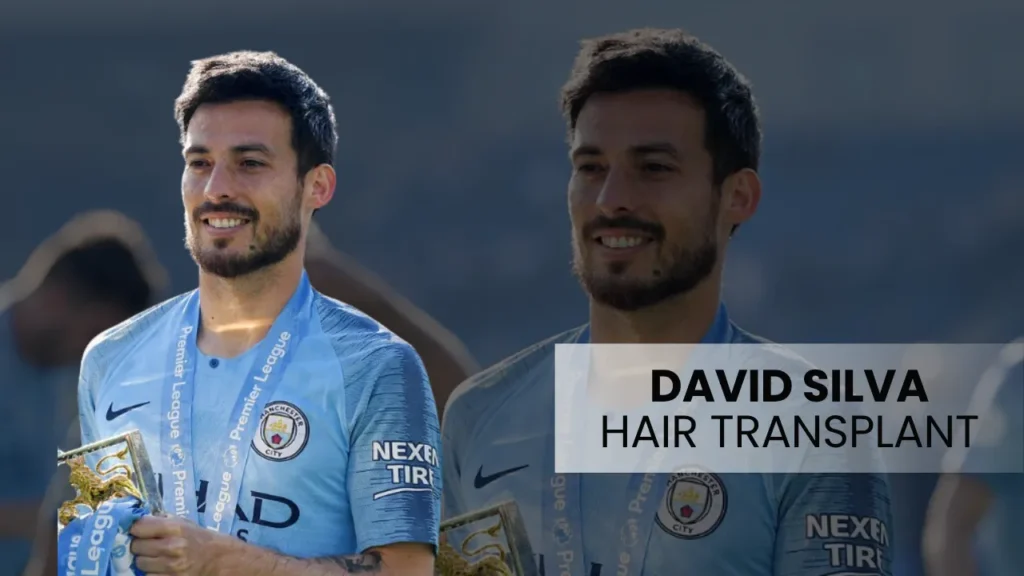
David Silva Hair Transplant: Before & After
David Silva Hair Transplant: Before & After Free Hair Analysis Homepage Blog Discover David Silva…
Ready To
Book Your Appointment?
Reach out to us or complete our simple online form
and we’ll contact you to schedule a time that works perfectly for you.



Frequently Asked Questions