

DHI Hair Transplant in
Turkey – Cost, Before & After
DHI hair transplant in Turkey offers precise implantation, affordable cost, and natural-looking before and after results.
Homepage

Tratments
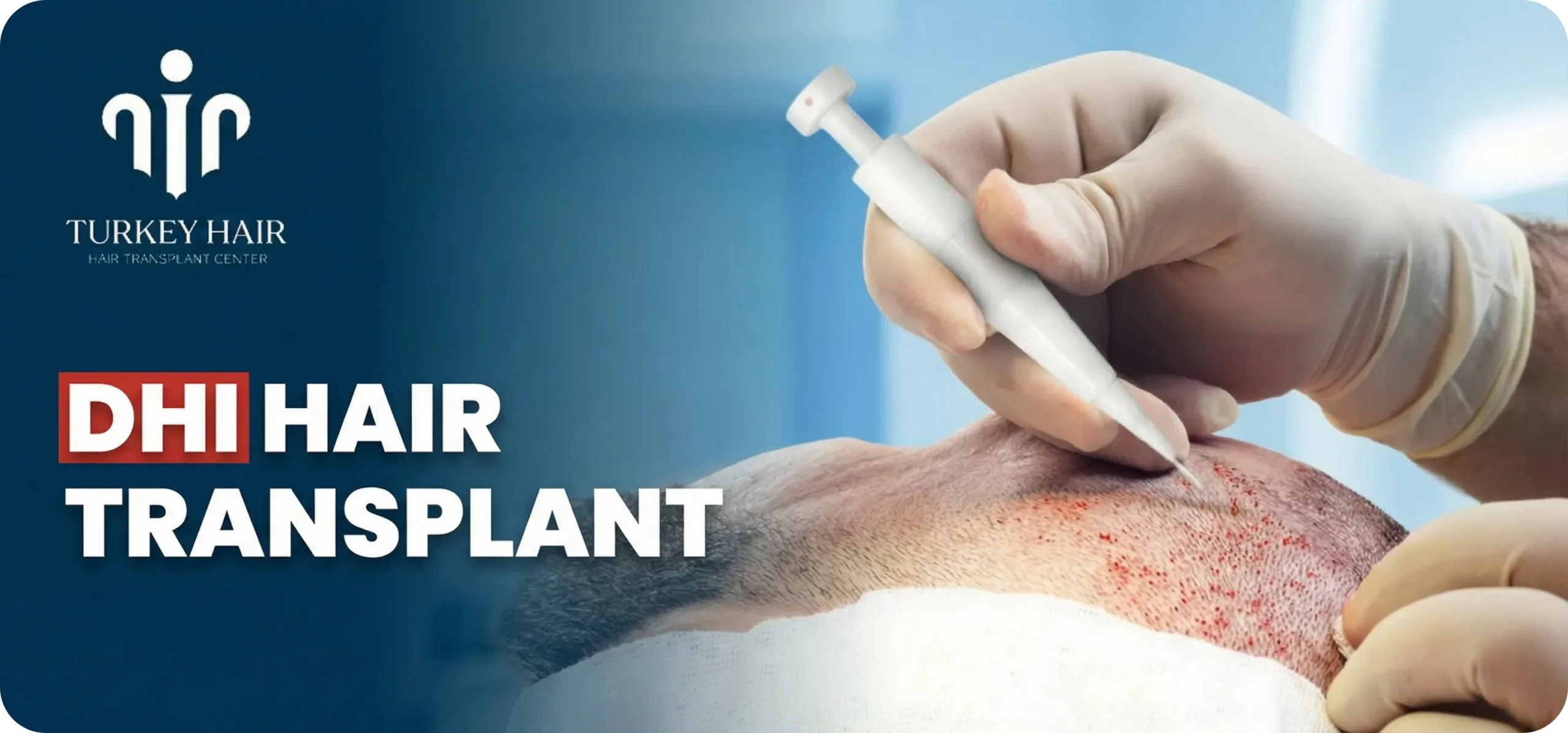
DHI Hair Transplant


DHI Hair Transplant in Turkey
A Path to Confidence and Renewal
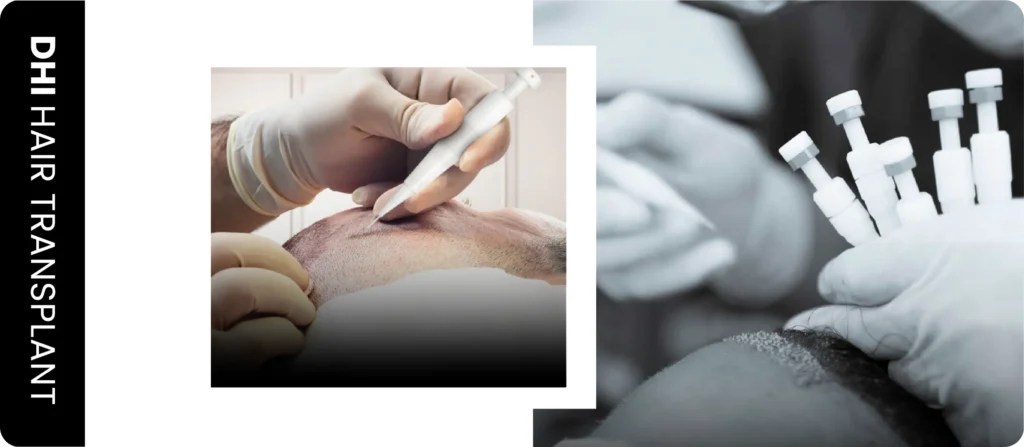
With the help of a trained surgeon and the latest insertion technology, Turkey’s DHI hair transplant gives you amazing control over how thick and where your hair grows.
With the Choi implanter pen devices, you can change the spacing, depth, and angle of the graft. Turkey Hair Center does a lot of transplants, and their strict medical rules and high survival rates mean that their overseas patients may be sure they will get reliable and very good DHI results.
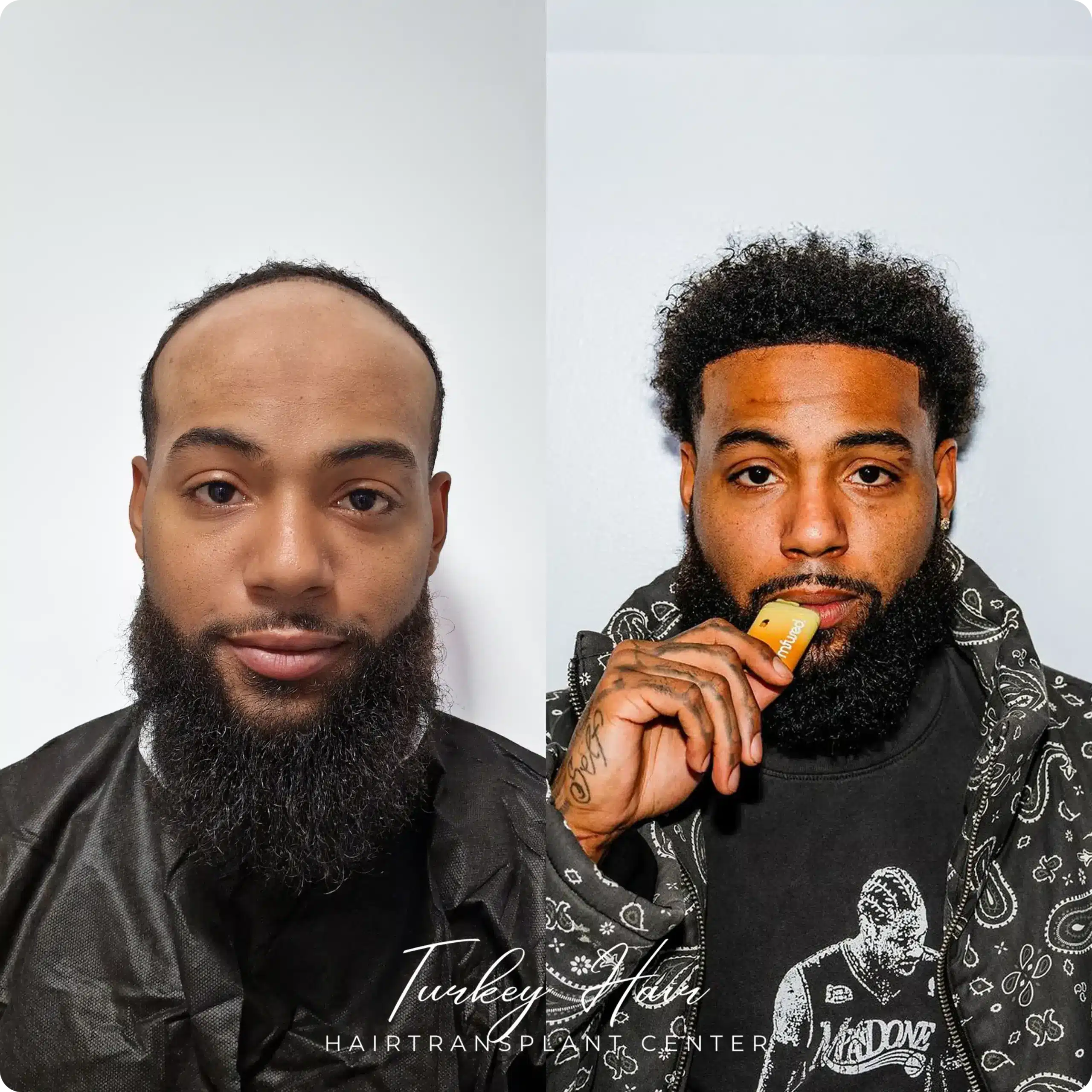
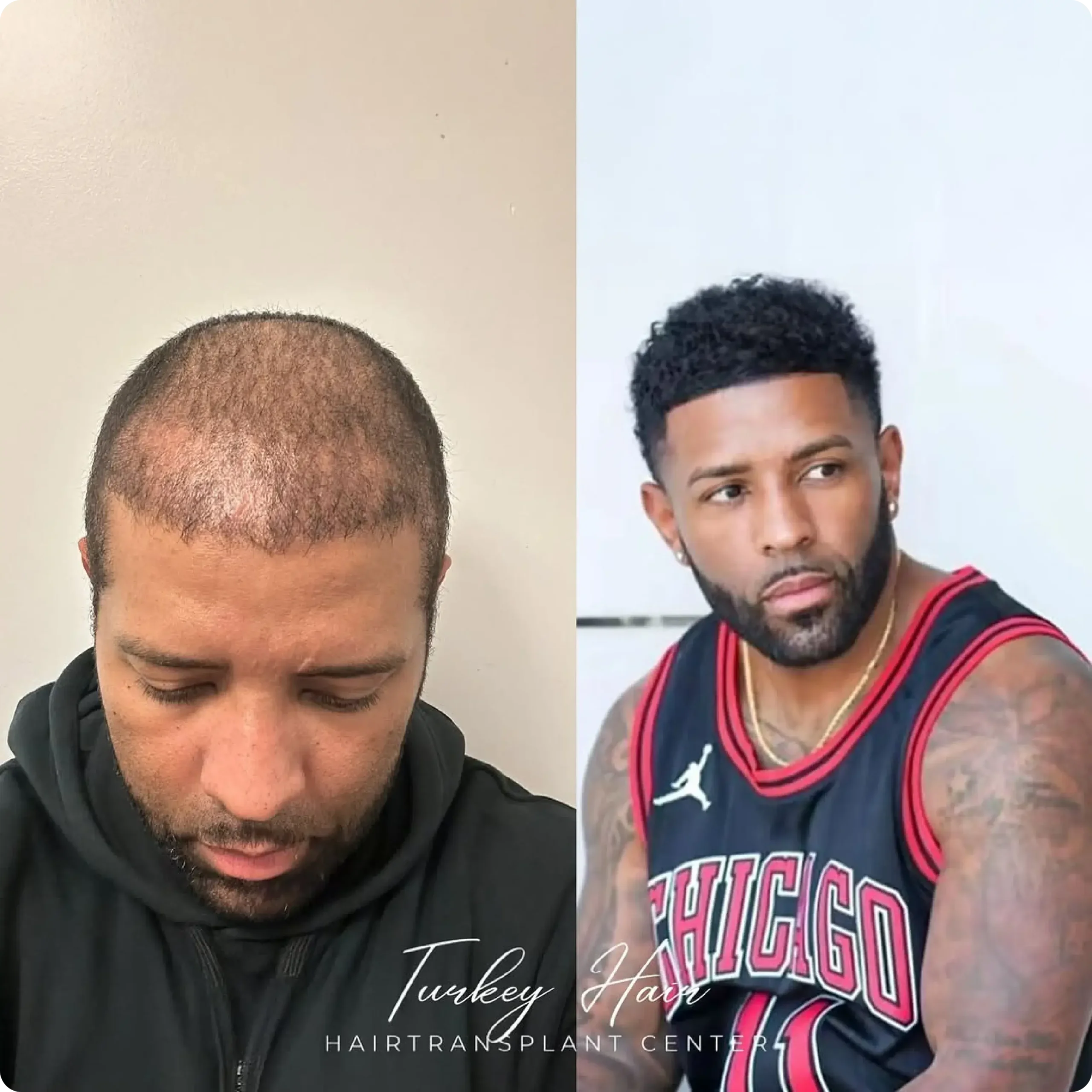
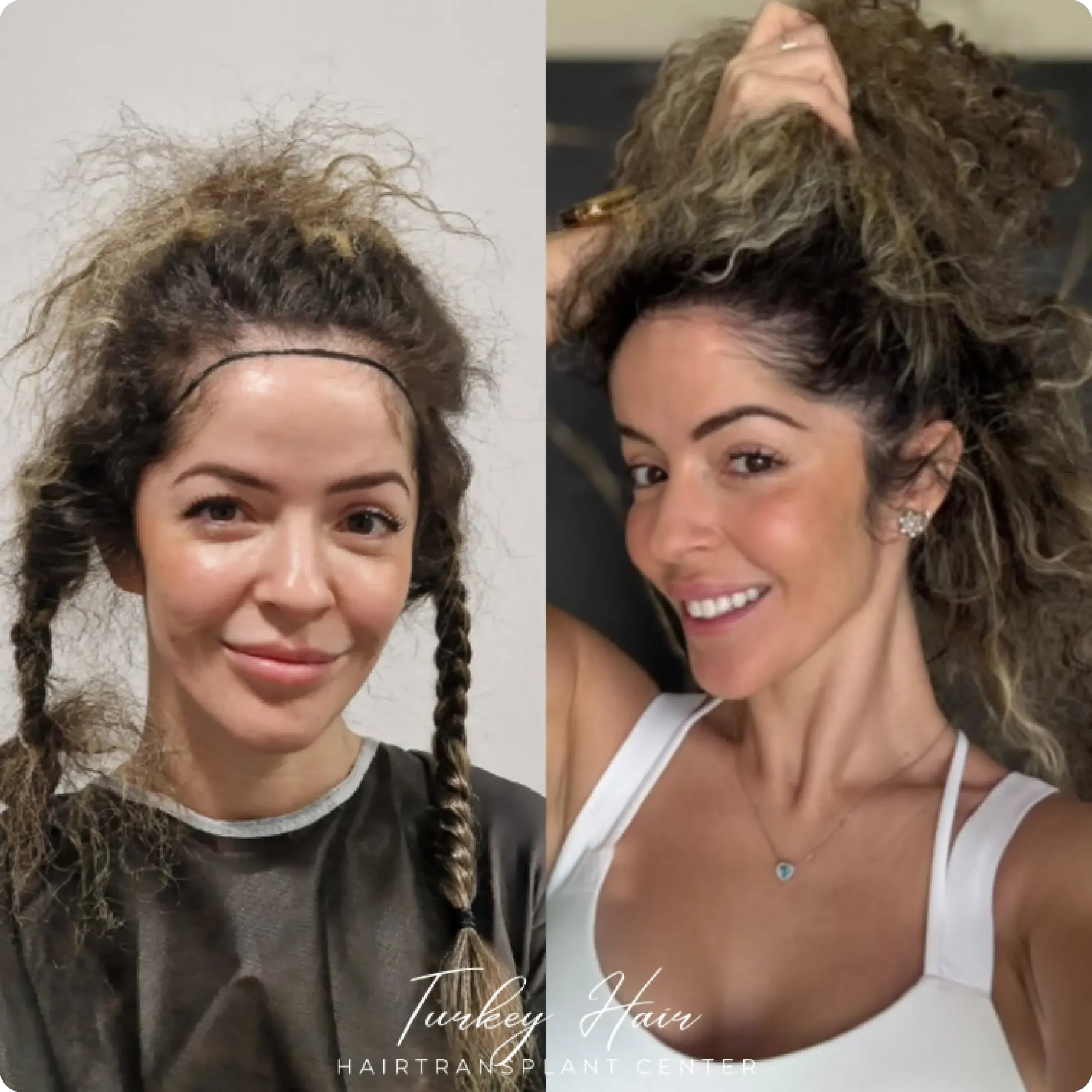
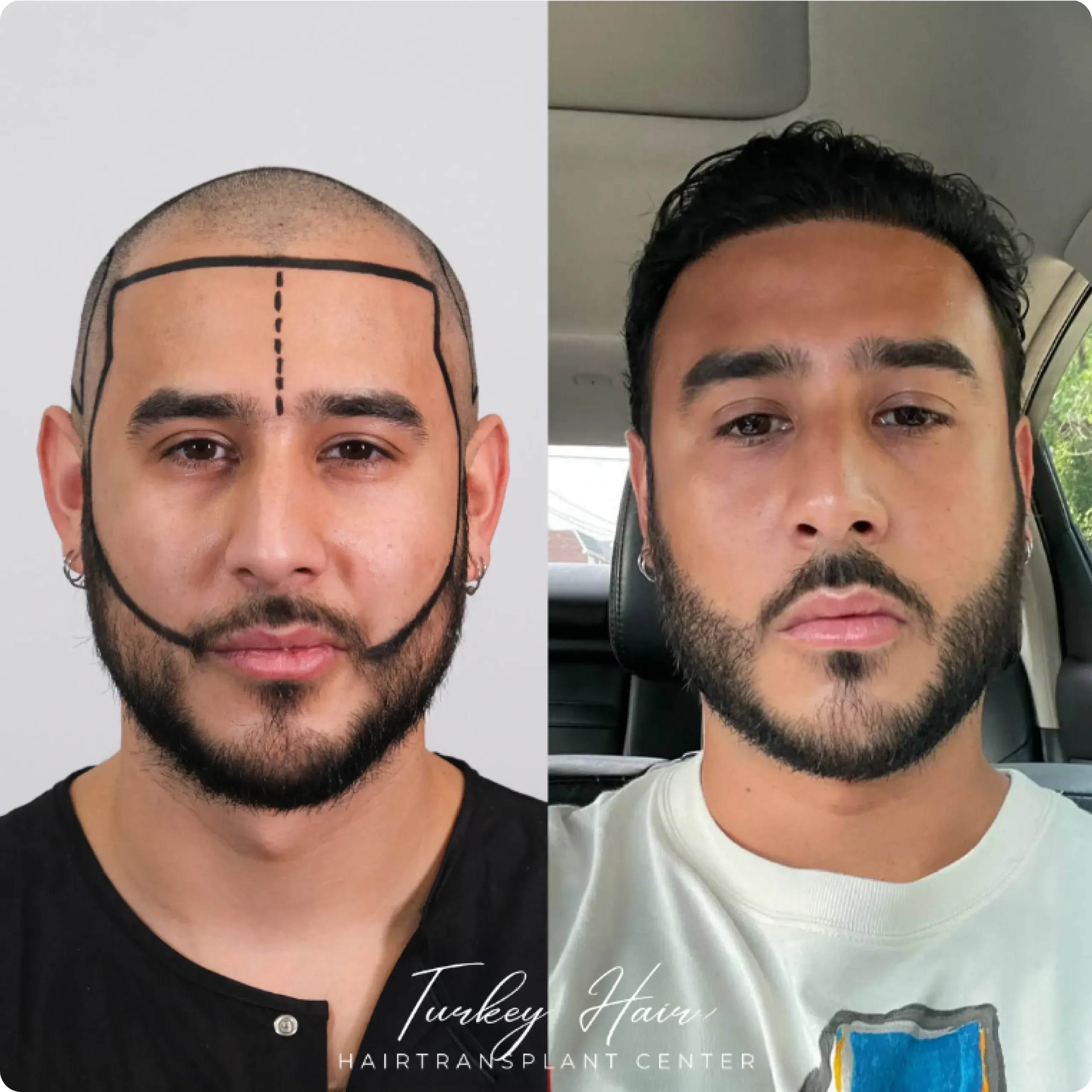
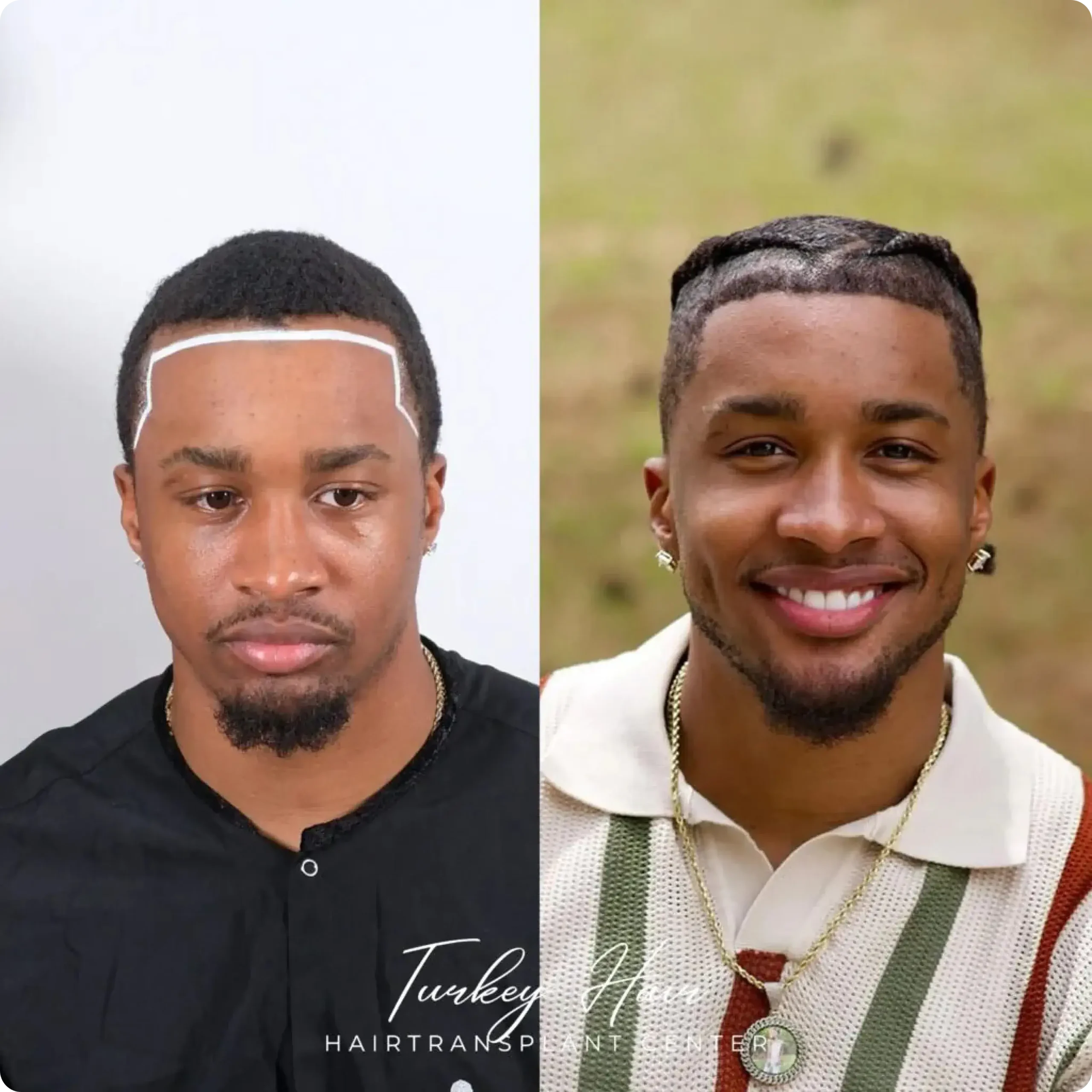
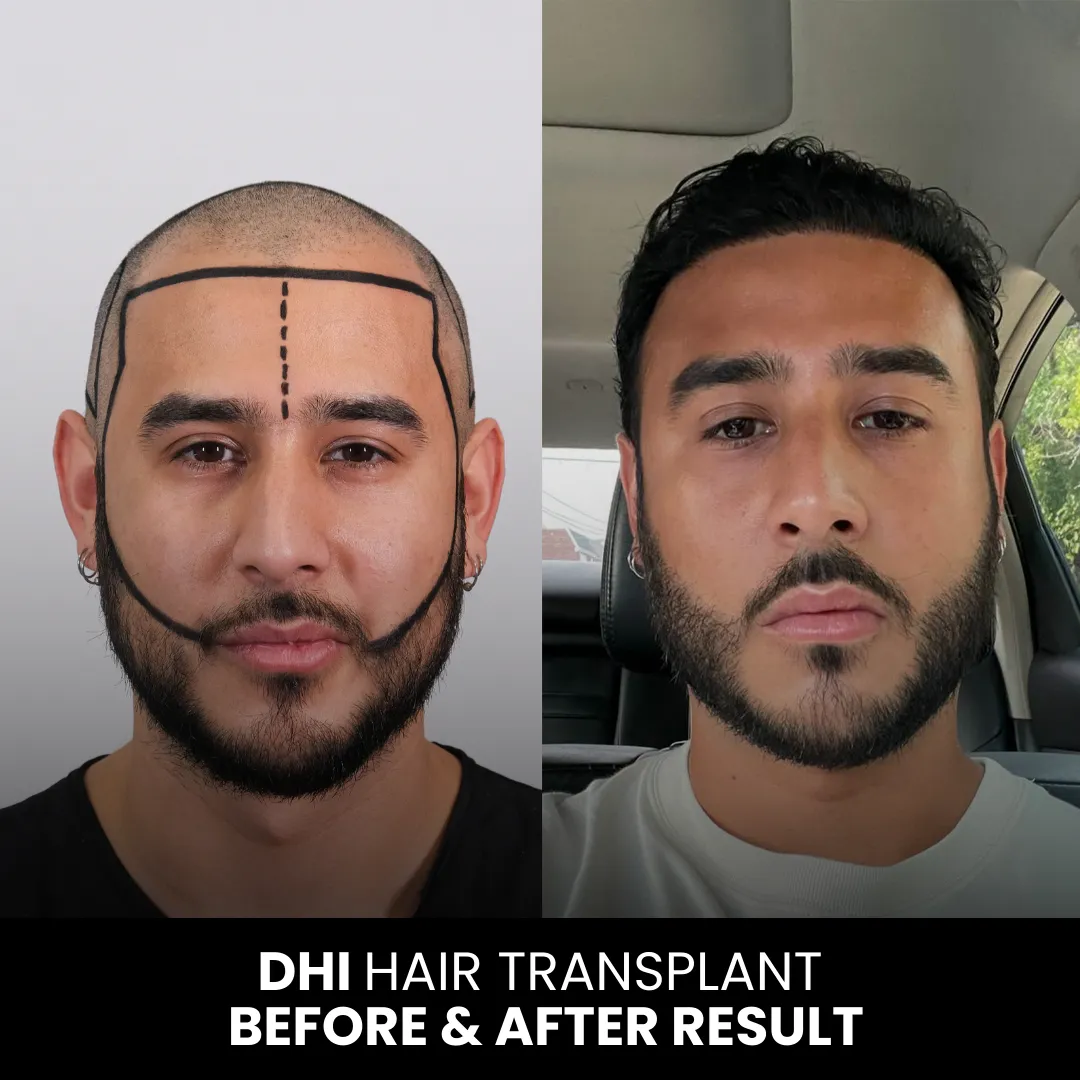
Dhi Hair Transplant Before and After Results
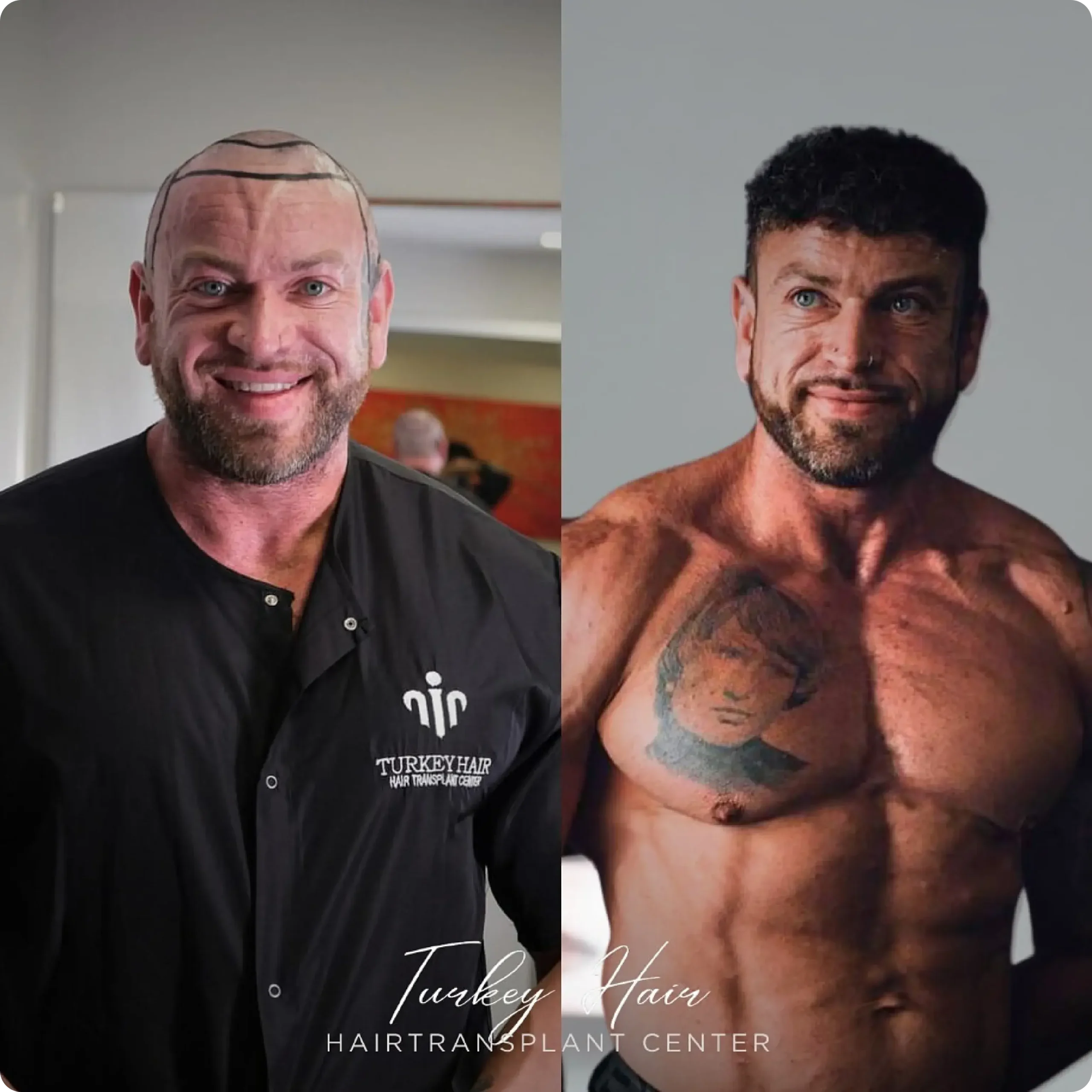
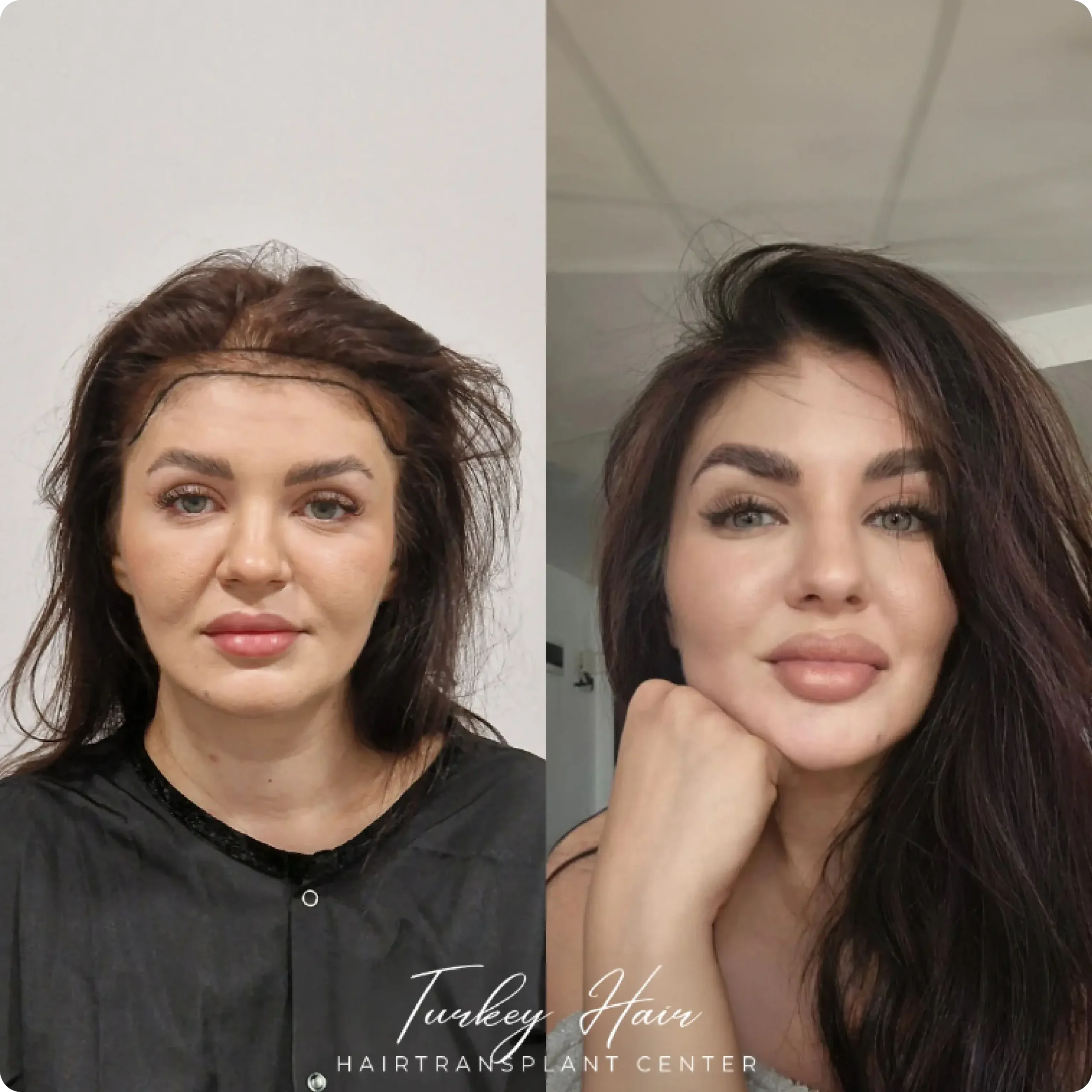
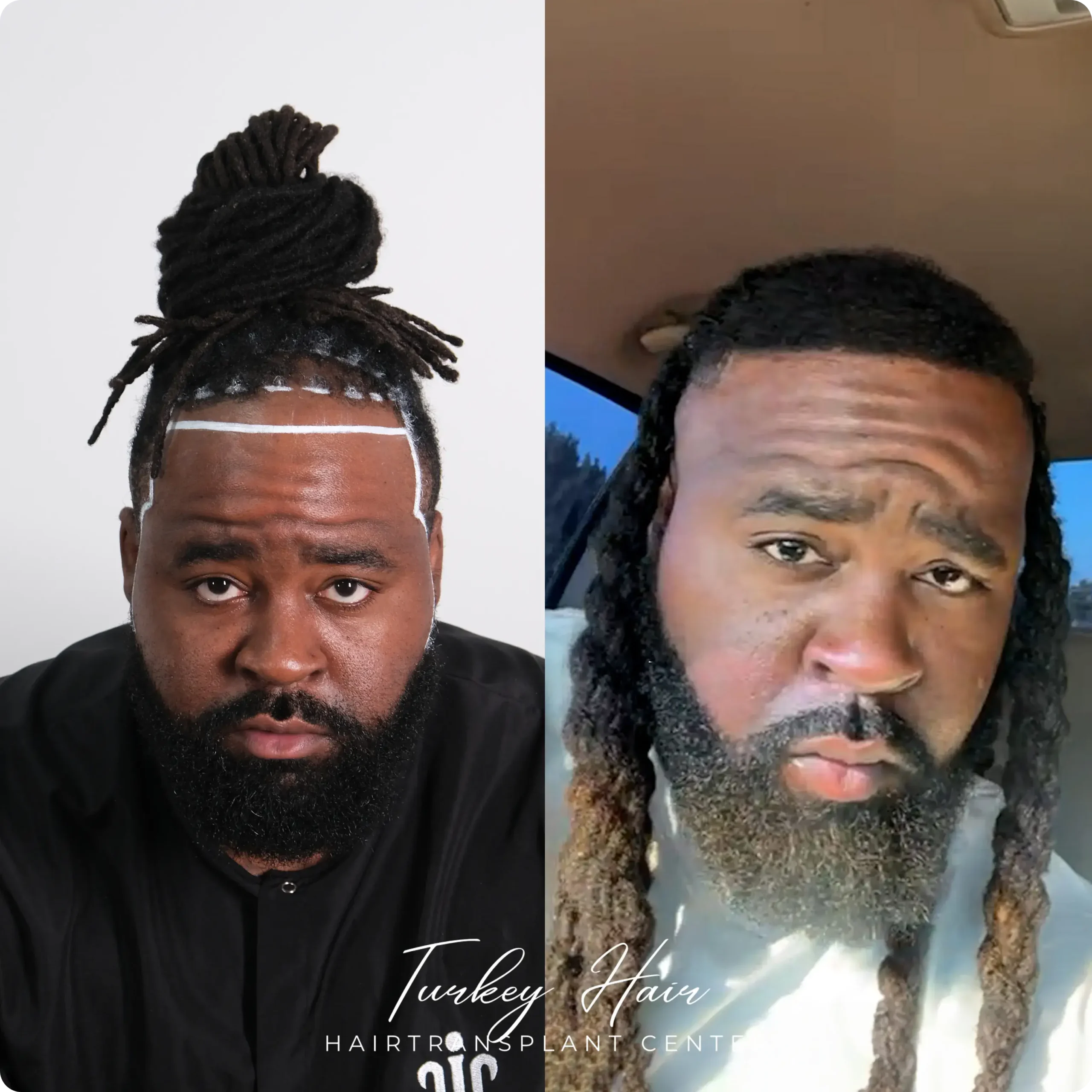
Hair transplant results can be truly life-changing, offering natural and long-lasting improvements in hair density and appearance.
With real patient transformations, you can clearly see the difference before and after the procedure, showcasing restored confidence and a more youthful look. Each result reflects personalized planning and expert technique tailored to the patient’s needs.
Who Is a Good Candidate for Dhi Hair Transplant?
DHI hair transplant is an advanced technique and an alternative to traditional FUE methods, often preferred in specific cases requiring higher precision and density.
Thanks to its direct implantation approach, DHI is especially suitable for patients who want a more controlled and minimally invasive procedure.

Specialized Technique & Expertise

Specialized Technique & Expertise

Specialized Technique & Expertise

Specialized Technique & Expertise
Hair Transplant Package Prices
Happy Afro DHI Patient Testimonial Videos
See real Afro hair transplant results at Turkey Hair Center.
Our patient testimonials demonstrate natural hairlines, high graft sessions, and expert techniques developed specifically for Afro-textured hair.
Ready To
Book Your Appointment?
Reach out to us or complete our simple online form
and we’ll contact you to schedule a time that works perfectly for you.



Why Choose Turkey Hair Center: 5 Compelling Reasons
Learn what makes Turkey Hair Center a trusted choice for patients worldwide. Our commitment to medical excellence,
safety, and refined results defines every treatment we provide.
International Standards of Hair Transplantation
DHI Hair Transplant FAQ
What if you could restore your hair with a technique designed for maximum precision and natural density?
Curious how DHI (Direct Hair Implantation) uses advanced implanter technology to deliver seamless, no-channel results with minimal downtime?
At Turkey Hair Center, this innovation is combined with expert hands and a meticulous approach—turning expectations into visible transformation.
Ready to see what your before & after could look like?
DHI Hair Transplant Cost in Turkey
DHI hair transplant costs in Turkey vary depending on graft count, clinic quality, and surgeon expertise.
For 3000 grafts, prices typically range between $2,800 – $4,000 making it a common option for moderate hair loss.
DHI Hair Transplant Cost USA vs Turkey
DHI hair transplant costs in the United States are significantly higher than in Turkey, mainly due to clinic overhead, surgeon fees, and per-graft pricing models.
| Country | 3,000 Grafts (Approx.) | 5,000 Grafts (Approx.) |
|---|---|---|
| USA | $8,000 – $15,000+ | $12,000 – $22,000+ |
| Turkey | $2,500 – $3,500 | $3,500 – $5,000 |
DHI Hair Transplant Cost UK vs Turkey
DHI hair transplant costs in the UK are considerably higher due to clinic overhead, surgeon fees, and per-graft pricing.
| Country | 3,000 Grafts (Approx.) | 5,000 Grafts (Approx.) |
|---|---|---|
| United Kingdom | £6,000 – £12,000+ | £9,000 – £18,000+ |
| Turkey | £2,000 – £3,000 | £2,800 – £4,000 |
DHI Hair Transplant Cost UK vs Turkey
The costs of a DHI hair transplant in the UK are much higher because of the costs of running the center, paying the surgeon, and charging for each graft.
| Region | 3,000 Grafts (Average Cost) | 5,000 Grafts (Average Cost) |
|---|---|---|
| Europe (Western / Central) | €6,500 – €12,000 | €9,000 – €18,000 |
| Turkey | €2,300 – €3,300 | €3,200 – €4,800 |

Patients Requiring Implantation Without Shaving
DHI is often preferred for patients who want hair implantation without fully shaving the recipient area, allowing a more discreet procedure and faster return to daily life.
Localized Hair Loss in Small or Sensitive Areas
This method is ideal for small, targeted areas such as the hairline, temples, or crown, where precise placement and natural density are essential.
Patients with Dense Existing Hair Structure
DHI allows implantation between existing hairs without causing major disruption, making it suitable for patients who already have a relatively dense hair pattern.
Patients Unsuitable for Large-Session FUE
For individuals who may not tolerate long or extensive FUE sessions, DHI offers a more controlled and less invasive alternative approach.
Patients with Specific Aesthetic Priorities
DHI is preferred by patients who prioritize highly natural angles, direction, and density for a refined and personalized hair restoration result.
What Is a DHI Hair Transplant?
DHI (Direct Hair Implantation) is an advanced implantation technique, not a separate extraction method.
In most cases, hair follicles are first extracted using the FUE method, and then implanted directly into the scalp with a specialized implanter pen.
Unlike what many sources incorrectly suggest, DHI is not a completely different hair transplant procedure.
The key difference lies in the implantation phase, where DHI allows more precise control over angle, depth, and direction, resulting in a more natural and dense appearance.
Direct Hair Implantation (DHI) Explained
Direct Hair Implantation (DHI) is a technique where extracted hair follicles are implanted directly into the scalp using a specialized implant pen, without creating prior incisions or channels.
This allows for more precise control over placement, leading to a natural-looking hairline and higher density results.
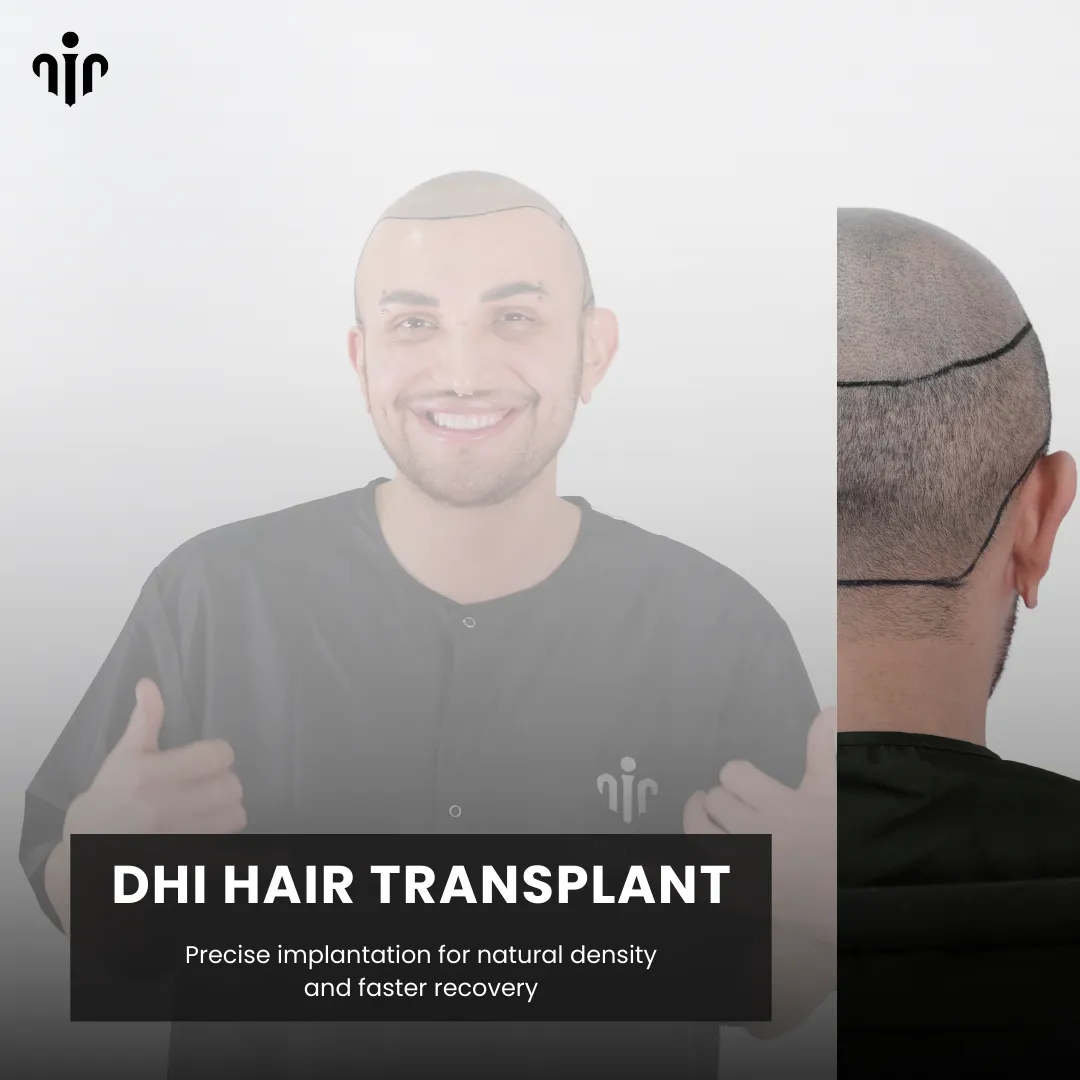
Maximum Safe Density in DHI
DHI allows for higher density placement compared to many traditional techniques due to its precise implantation control, but it does not mean unlimited or uncontrolled density can be achieved.
The maximum safe density always depends on scalp condition, blood supply, and donor capacity.
Excessive density attempts in a single session may compromise blood supply and reduce graft survival if not carefully planned.
Realistic Coverage Expectations
DHI provides highly natural and dense results, but it is important to understand its realistic limitations in terms of coverage.
It is not designed to restore unlimited bald areas in a single session or guarantee full coverage in advanced hair loss cases.
DHI is most effective for moderate hair loss or hairline refinement rather than extensive bald areas requiring very high graft numbers.
Why Surgeon Experience Matters More in DHI?
DHI is a highly technique-sensitive procedure where precision in angle, depth, and direction directly impacts the final result.
Because implantation is done manually with a specialized pen, even small variations in technique can affect density and natural appearance.
DHI requires greater manual precision than many other implantation methods, making surgeon experience a key factor in achieving natural results.
DHI Hair Transplant for Curly and Afro Hair
DHI can be effectively used for curly and Afro-textured hair, but it requires advanced expertise due to the unique follicle structure.
Unlike straight hair, these follicles grow in a curved pattern beneath the skin, which increases the complexity of both extraction and implantation.
Curly and Afro hair follicles have a curved structure beneath the skin, which makes extraction and implantation more technically demanding than straight hair.
Implantation Challenges in Afro Hair with DHI
When using the Choi implanter pen, handling curly and Afro-textured grafts requires advanced precision because the natural curvature of the follicle must be carefully maintained during implantation.
Any misalignment can affect the final growth direction and overall aesthetic result.
Because curly grafts have a natural curve, precise orientation during implantation is essential to avoid unnatural growth patterns.
How DHI different from Traditional Hair Transplant Methods
Unlike conventional FUE, DHI eliminates pre-made channels, allowing surgeons greater precision in angle and depth control but also requiring higher technical skill and longer procedure time for accurate implantation.
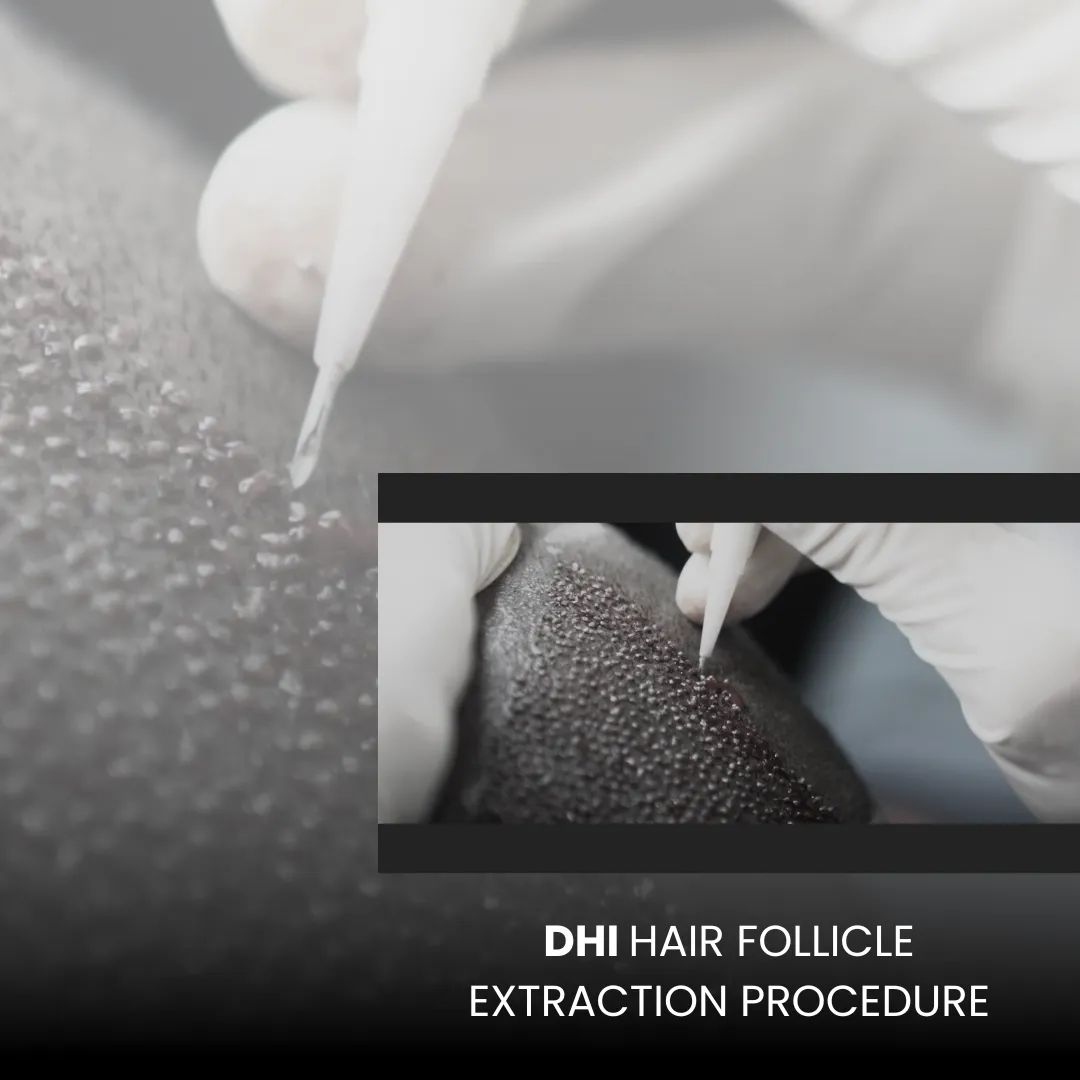
How Does the DHI Hair Transplant Procedure Work?
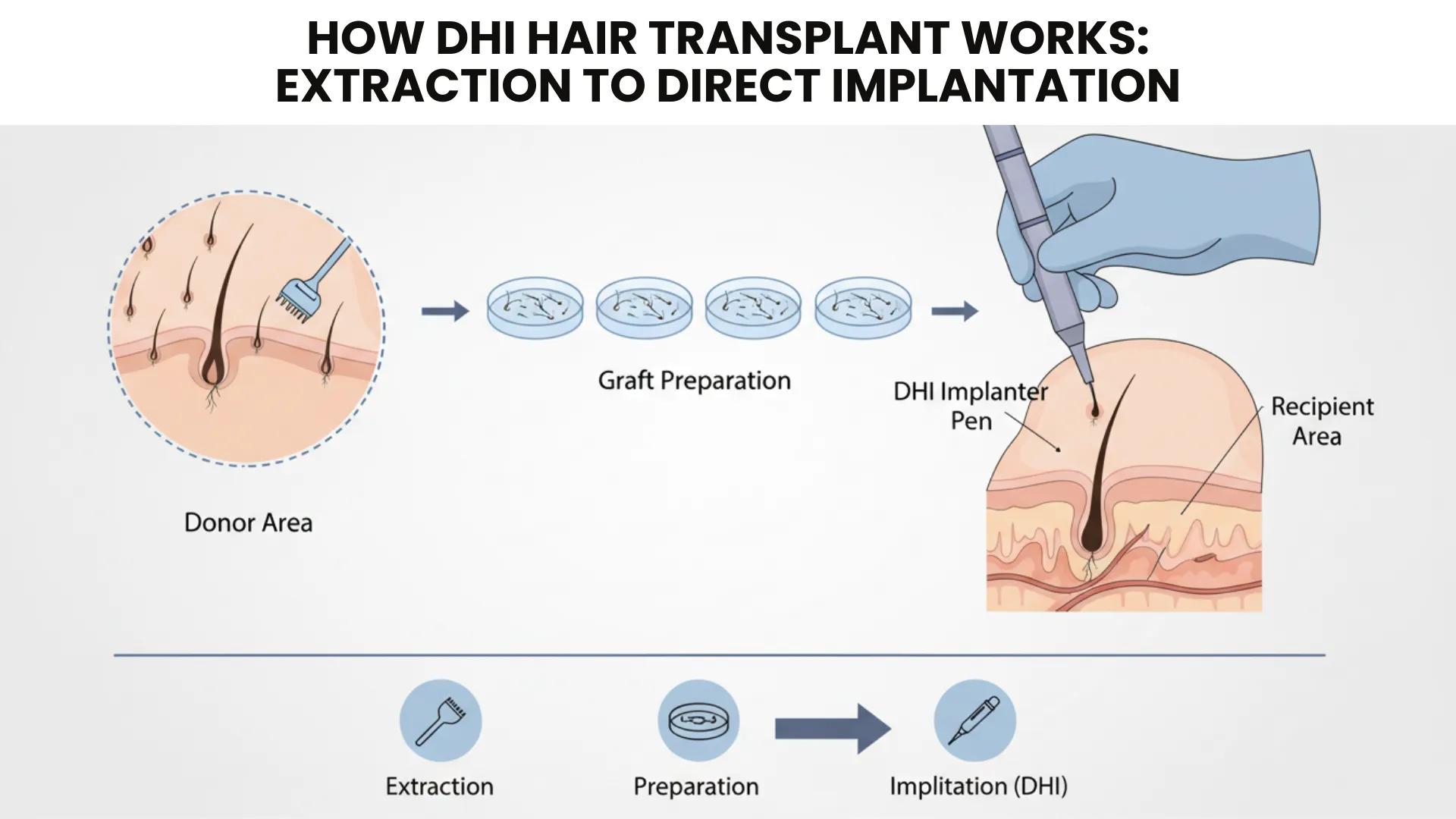
The DHI procedure follows a carefully planned, step-by-step approach designed to ensure precision, natural results, and optimal graft survival
How Does the DHI Hair Transplant Procedure Work?
Step 1 – Hair Analysis & Medical Consultation
The process begins with a detailed assessment of the patient’s hair loss pattern, donor capacity, and expectations to create a personalized DHI treatment plan.
Step 2 – Donor Area Extraction
Healthy hair follicles are carefully extracted from the donor area, typically using the FUE method, to ensure graft quality and viability.
Step 3 – Direct Implantation with the Choi Pen
Extracted grafts are immediately implanted into the scalp using the Choi implanter pen, allowing precise control over angle, depth, and direction for natural results.
The Choi Implanter Pen Technology
Experts praise the Choi implanter pen for its capacity to manipulate angle, depth, and direction all at once, which is essential for realistic hairline aesthetics and dense packing.
6 Expert-level Disadvantages of DHI hair transplant
While DHI is often presented as a premium technique, there are several clinical limitations that are not always openly discussed in marketing materials.
Understanding these expert-level drawbacks helps patients make a more realistic and informed decision rather than relying only on promotional claims.
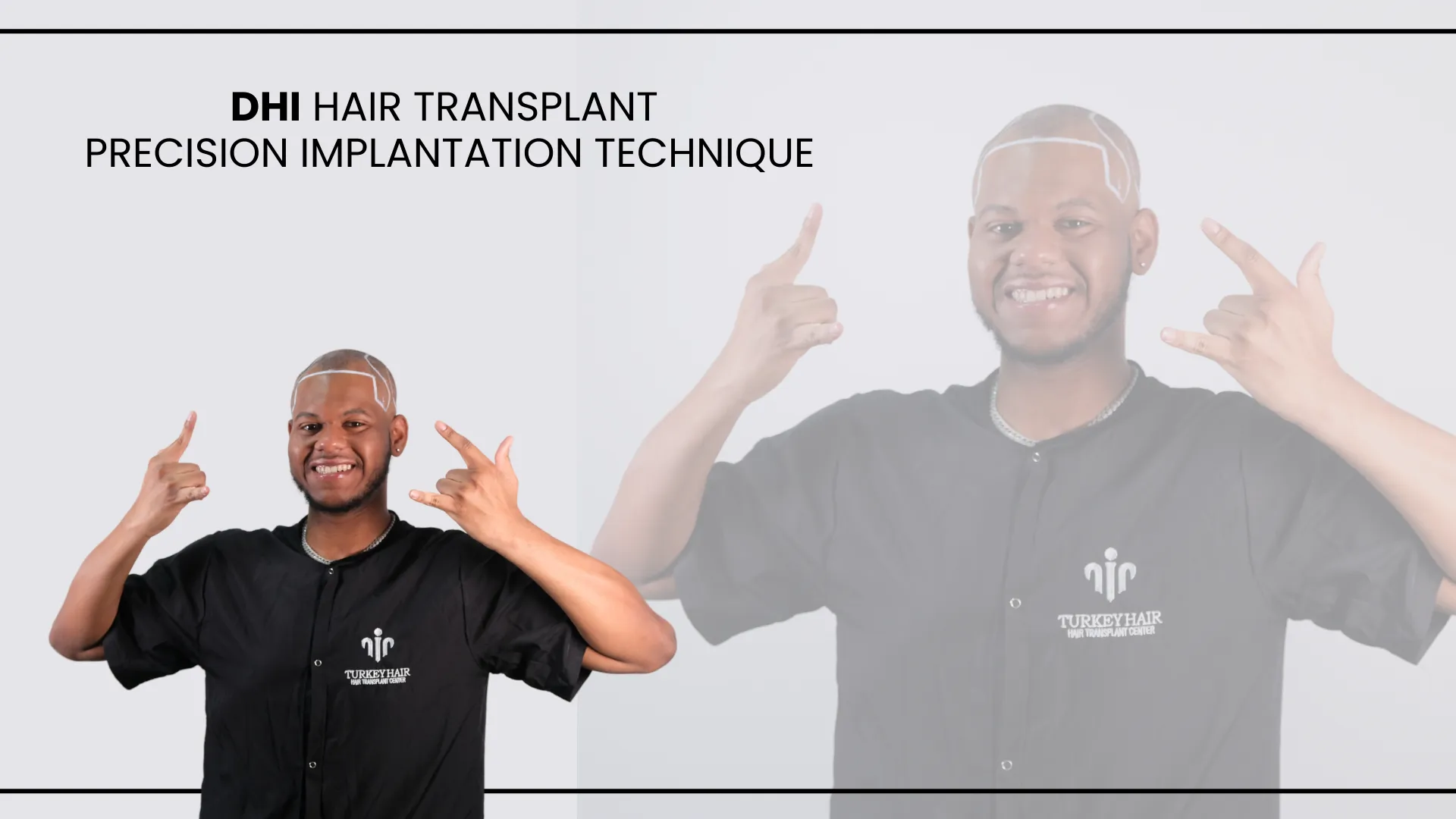
Not suitable for large graft sessions
DHI is time-consuming, rendering it inefficient for large bald areas with a high graft count.
Lower maximum daily graft capacity
The manual Choi pen technique allows for fewer grafts to be safely implanted in a single session than FUE does.
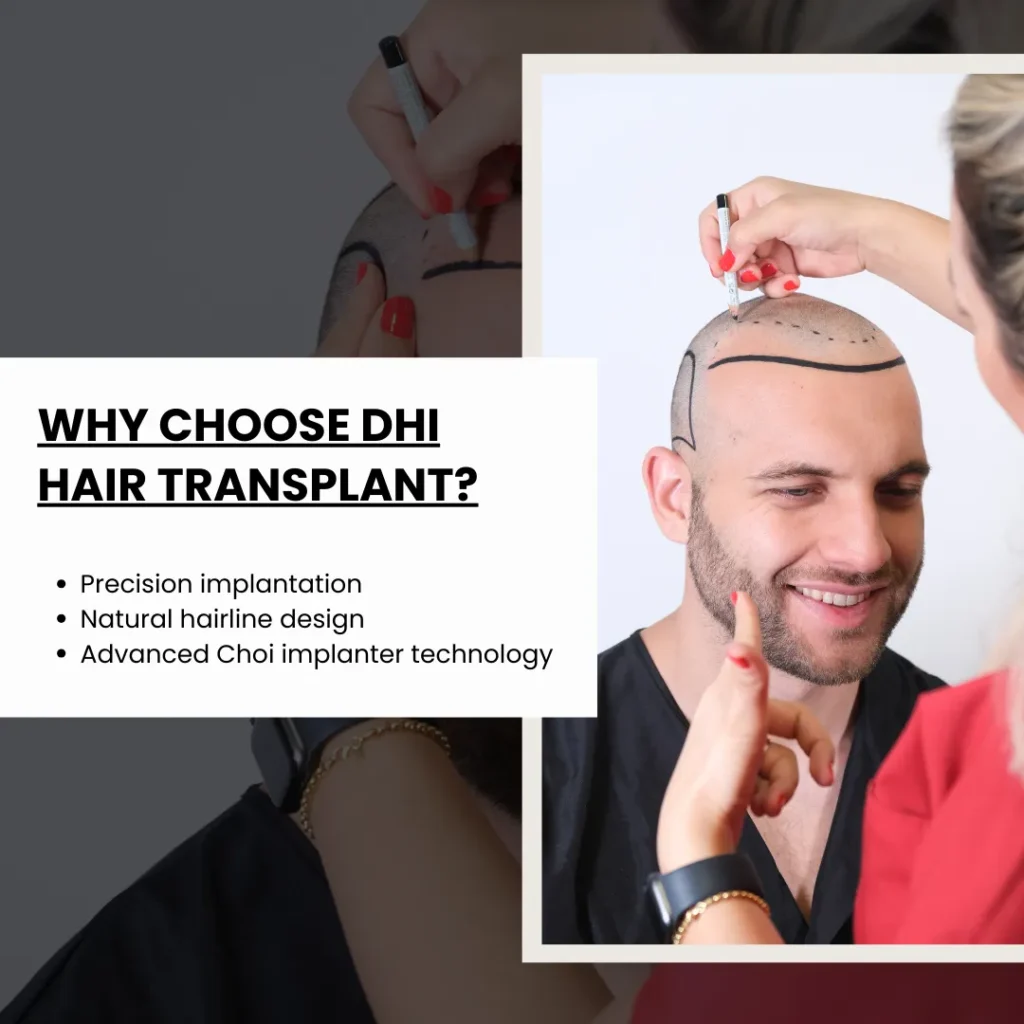
Higher dependency on surgeon skill
Results vary greatly since DHI performance is mainly dependent on the physician's experience and manual management, rather than automated or channel-based procedures.
Increased follicle stress if poorly executed
Improper loading or excessive pressure in the Choi implanter might cause graft injury and lower survival rates.
Usually higher cost per graft
DHI is frequently more expensive than FUE, despite the fact that it does not always produce better outcomes in cases of extensive or advanced hair loss.
Limited flexibility in dense packing
Excessive density attempts with DHI in specific scalp types can jeopardize blood supply if not properly planned.
Does the Type of Implanter Pen Affect Results?
Patients often ask whether a specific implanter pen brand leads to better results, but the reality is that the outcome is not determined by the tool itself.
What truly matters is the surgeon’s experience, precise angle and depth control, and proper pre-planning of the hairline design and graft placement.
Even the most advanced pen cannot compensate for poor technique or lack of expertise, making the physician’s skill the most important factor in achieving natural and successful results.
Why Some DHI Hair Transplants Look Unnatural
Unnatural-looking DHI results are usually not related to the technique itself, but to errors in planning and surgical execution.
Poor hairline design, incorrect angle and direction placement, or over-harvesting in limited areas can all lead to an artificial appearance.
In some cases, excessive density attempts without considering blood supply can also affect graft survival and create an uneven look.
Ultimately, natural results depend on proper artistic planning and surgeon expertise rather than the DHI method alone.
Let’s make
something unique together
DHI Hair Transplant Risks & Side Effects
DHI (Direct Hair Implantation) is a well-tolerated outpatient procedure with a strong safety profile when performed by qualified medical professionals in accredited facilities. However, like any minor surgical procedure, it carries potential risks and side effects that prospective patients should understand before consenting to treatment. Below is a transparent overview of possible complications.
Temporary Numbness in the Scalp
Mild numbness in the donor or recipient area is common during the first 2–6 weeks post-procedure. This is caused by local nerve disruption during graft placement and resolves spontaneously in the vast majority of cases. Persistent numbness beyond 3 months is uncommon.
Swelling in the Forehead or Around the Eyes
Mild facial swelling can occur 2–5 days after the procedure as fluids settle. Sleeping with the head elevated and following post-op care instructions minimizes this. Severe or prolonged swelling should be reported to your medical team immediately.
Infection (Rare)
When proper sterile technique is followed and post-op hygiene is maintained, infection rates remain below 1%. Signs include redness, persistent pain, pus discharge, or fever. Antibiotic protocols and clean dressing changes significantly reduce this risk.
Shock Loss (Telogen Effluvium)
Temporary shedding of transplanted and native hairs in weeks 2–6 is a normal physiological response to procedure stress. The underlying follicles remain healthy, and regrowth begins around month 3–4. This is not permanent loss.
Folliculitis (Inflammation of Hair Follicles)
Small, red, pimple-like bumps may appear in the recipient area during the regrowth phase. This is typically mild and treated with topical antiseptics. Persistent or severe folliculitis requires medical evaluation.
Variable Graft Survival
Industry-standard graft survival in expert hands ranges between 90–95%. Survival rates depend on graft handling time, implantation depth, scalp characteristics, and post-op care compliance. Patients should follow aftercare instructions strictly to maximize results.
Allergic Reactions to Local Anesthesia (Very Rare)
Allergic responses to lidocaine-based anesthetics occur in well under 1% of patients. A medical history review and allergy screening before the procedure minimizes this risk.