Exploring Non-Surgical Hair Loss Solutions Before a Hair Transplant | Turkey Hair Center
Homepage

Blog
Exploring Non-Surgical Hair Loss Solutions Before a Hair Transplant | Turkey Hair Center

Medical Reviewed By Dr. Tompi, M.D – Plastic & Aesthetic Surgeon
Written By Nazmi G, Trichologist

Experiencing hair loss can be a worrying journey, often sparking a search for effective solutions. For many, the immediate thought might jump to a hair transplant, envisioning a permanent restoration of their hairline or density. While hair transplantation offers remarkable, long-lasting results for suitable candidates, it's crucial to understand that it's not always the very first step in addressing hair loss. In fact, for many individuals, exploring non-surgical hair loss solutions can be a highly beneficial and often necessary precursor.
At Turkey Hair Center, we believe in a holistic, patient-first approach. This means understanding your unique situation and guiding you through all available options. Non-surgical treatments offer a valuable opportunity to slow down hair loss, stimulate existing hair follicles, and improve overall hair health. They can be particularly effective in the early stages of hair loss or as a complementary strategy alongside surgical intervention. This comprehensive guide will explore the most prominent non-surgical options, helping you make an informed decision about your hair restoration journey.
Understanding Hair Loss: Common Causes and Early Signs
Hair loss, clinically known as alopecia, affects millions worldwide and can stem from a variety of factors. The most common cause is androgenetic alopecia, often referred to as male or female pattern baldness, which is primarily genetic and hormonal. It leads to a progressive miniaturisation of hair follicles, eventually causing them to stop producing hair.
Other common causes include:
- Telogen Effluvium: A temporary form of hair loss often triggered by stress, illness, childbirth, or severe dieting.
- Alopecia Areata: An autoimmune condition where the immune system mistakenly attacks hair follicles, leading to patchy hair loss.
- Nutritional Deficiencies: Lack of essential vitamins and minerals like iron, zinc, or Vitamin D can impact hair health.
- Medical Conditions and Medications: Thyroid disorders, certain cancer treatments, and other drugs can contribute to hair loss.
- Lifestyle Factors: Poor diet, chronic stress, smoking, and excessive heat styling can exacerbate hair thinning.
Recognising early signs, such as a receding hairline, thinning at the crown, increased hair shedding, or a widening part, is key to timely intervention. Addressing these signs proactively with non-surgical methods can significantly influence the progression of hair loss.

Topical Treatments: Your First Line of Defence
Topical treatments are often the first port of call for those experiencing early to moderate hair loss. They are applied directly to the scalp, working at the follicular level to stimulate growth and slow shedding.
Minoxidil
Minoxidil is perhaps the most well-known over-the-counter topical treatment for androgenetic alopecia. Available as a foam or solution, it is thought to work by widening blood vessels and opening potassium channels, which increases blood flow to the hair follicles and extends the anagen (growth) phase of the hair cycle. This can lead to thicker, longer hair and, in some cases, new hair growth. Consistent daily application is crucial for results, which typically become noticeable after 3-6 months. Discontinuation usually leads to a reversal of any gains.
Other Topical Solutions
Beyond minoxidil, other topical agents are gaining traction, often containing ingredients like caffeine, ketoconazole, or botanical extracts. Some clinics also offer topical finasteride, which aims to deliver the drug's benefits locally with potentially fewer systemic side effects, though more research is ongoing regarding its long-term efficacy and safety compared to oral versions.
Oral Medications: Addressing Hair Loss Systemically
For more pervasive or advanced hair loss, oral medications can offer a systemic approach to treatment, working from within the body.
Finasteride
Finasteride is an oral medication approved for treating male pattern baldness. It works by inhibiting the enzyme 5-alpha reductase, which converts testosterone into dihydrotestosterone (DHT). DHT is the primary hormone responsible for shrinking hair follicles in genetically predisposed individuals. By lowering DHT levels, finasteride can effectively slow down hair loss and, for many men, lead to significant hair regrowth. It is typically taken once daily, and results usually appear after 6-12 months of consistent use. Potential side effects, though rare, can include sexual dysfunction.
Dutasteride
Dutasteride is another oral medication that works similarly to finasteride but inhibits both types of the 5-alpha reductase enzyme, potentially leading to a more significant reduction in DHT. While primarily approved for benign prostatic hyperplasia, it is sometimes prescribed off-label for hair loss in men when finasteride has not been fully effective. Like finasteride, it requires a prescription and carries similar potential side effects.
It is essential to consult with a medical professional before starting any oral medication for hair loss to discuss suitability, dosage, and potential side effects.
Advanced Non-Surgical Therapies: PRP and LLLT
Beyond traditional medications, several advanced non-surgical therapies offer promising results for hair rejuvenation.
Platelet-Rich Plasma (PRP) Therapy
PRP therapy involves drawing a small amount of the patient's blood, processing it to concentrate the platelets (which are rich in growth factors), and then injecting this platelet-rich plasma into the scalp. These growth factors are believed to stimulate dormant hair follicles, promote new hair growth, and improve the health and thickness of existing hair. PRP is typically administered in a series of sessions, often 3-4 treatments initially, followed by maintenance sessions. It is a popular option due to its natural approach, utilising the body's own healing mechanisms.
Low-Level Laser Therapy (LLLT)
LLLT uses medical-grade lasers or LEDs to deliver red and near-infrared light to the scalp. This light energy is thought to stimulate cellular activity, improve blood circulation, and enhance the metabolism of hair follicles, encouraging them to enter the anagen phase and produce thicker, healthier hair. LLLT devices are available in various forms, including combs, brushes, caps, and helmets, for both in-clinic and at-home use. Consistent use over several months is necessary to observe noticeable improvements.
Lifestyle and Nutritional Strategies for Hair Health
While not direct treatments for genetic hair loss, optimising your lifestyle and nutrition plays a crucial supporting role in maintaining overall hair health and can significantly impact the effectiveness of other treatments.
- Balanced Diet: Ensure your diet is rich in proteins, iron, zinc, biotin, and vitamins (especially A, C, D, and E). Foods like lean meats, fish, eggs, leafy greens, nuts, and seeds are excellent sources.
- Supplements: While a balanced diet is paramount, specific supplements like biotin, marine collagen, or a multivitamin formulated for hair health can be beneficial, especially if dietary intake is insufficient. Always consult a doctor before starting any new supplement regimen.
- Stress Management: Chronic stress can contribute to telogen effluvium and exacerbate other forms of hair loss. Incorporating stress-reducing activities like yoga, meditation, regular exercise, or hobbies can be highly beneficial.
- Gentle Hair Care: Avoid harsh chemical treatments, excessive heat styling, and tight hairstyles that can put strain on hair follicles. Use gentle shampoos and conditioners, and avoid vigorous towel drying.
- Adequate Sleep: Ensuring sufficient, quality sleep supports overall bodily functions, including hair growth cycles.
The Benefits and Limitations of Non-Surgical Approaches
Non-surgical hair loss solutions offer several compelling benefits:
- Minimally Invasive: Most treatments involve topical application, oral medication, or non-surgical clinic procedures.
- Early Intervention: They are often highly effective in the early stages of hair loss, helping to preserve existing hair and stimulate new growth before significant thinning occurs.
- Accessibility: Many options are readily available over-the-counter or with a doctor's prescription.
- Complementary: They can be used in conjunction with a hair transplant to enhance and maintain results.
However, it's also important to understand their limitations:
- Consistency is Key: Most non-surgical treatments require continuous, long-term use to maintain results. Discontinuation typically leads to a reversal of any gains.
- Limited Regrowth: While they can slow loss and stimulate existing follicles, they generally cannot regrow hair in areas that are completely bald or where follicles are permanently dormant.
- Individual Variability: Results vary greatly from person to person, and not everyone responds equally to every treatment.
- Potential Side Effects: Like any medical treatment, some non-surgical options carry potential side effects, which must be discussed with a healthcare professional.
Here's a quick overview of common non-surgical options:
| Treatment | Application Method | Primary Mechanism | Typical Effectiveness |
|---|---|---|---|
| Minoxidil | Topical (foam/solution) | Increases blood flow, extends growth phase | Slows loss, stimulates existing hair, requires ongoing use |
| Finasteride | Oral (pill) | Blocks DHT production | Slows loss, promotes regrowth, requires ongoing use |
| PRP Therapy | Injections into scalp | Delivers growth factors to follicles | Stimulates existing follicles, improves hair thickness |
| LLLT | Laser device (comb/cap/helmet) | Stimulates cellular activity, improves circulation | Enhances hair growth, thickness, requires consistent use |

Transitioning to a Hair Transplant: When Non-Surgical is Not Enough
While non-surgical treatments are excellent for managing hair loss and preserving existing hair, they have limitations, particularly for advanced stages of baldness. Non-surgical options cannot create new hair follicles in areas where they no longer exist, nor can they significantly alter a deeply receded hairline or fill in completely bald patches. This is precisely where a hair transplant becomes the most effective and often the only permanent solution.
You might consider a hair transplant if:
- You have significant hair loss or baldness that non-surgical methods cannot address.
- Your hair loss has stabilised, meaning you're no longer experiencing rapid shedding.
- You have a healthy donor area with sufficient hair follicles to be transplanted.
- You seek a permanent solution to restore your hairline and density.
A consultation with an experienced hair restoration specialist at Turkey Hair Center can help determine if you are a suitable candidate for a hair transplant, considering factors like your hair loss pattern, donor area quality, and overall health. We can provide a personalised assessment and recommend the most appropriate course of action, whether it's continued non-surgical treatment, a hair transplant, or a combination of both.
Integrating Non-Surgical Care with Hair Transplantation
The journey to hair restoration doesn't always end with a hair transplant. In fact, many patients find that combining non-surgical treatments with their surgical procedure yields the best long-term results. Non-surgical methods can play a vital role both before and after a transplant.
- Pre-Transplant Preparation: Using treatments like Minoxidil or Finasteride before a transplant can strengthen existing hair, improve scalp health, and potentially reduce post-operative shock loss, creating a healthier environment for the transplanted grafts.
- Post-Transplant Maintenance: Continuing or initiating non-surgical treatments after a transplant can help preserve the native, non-transplanted hair from further loss. This is crucial because a transplant only addresses the bald or thinning areas; it doesn't stop the progression of hair loss in areas not treated with surgery. PRP therapy is also often recommended post-transplant to accelerate healing and enhance graft survival and growth.
This integrated approach ensures that your overall hair density and health are maximised, leading to a more comprehensive and satisfying outcome. Our specialists at Turkey Hair Center are adept at crafting bespoke treatment plans that seamlessly blend surgical excellence with effective non-surgical care.
Medical disclaimer: This article is for informational purposes only and is not medical advice. Individual results vary from person to person. Always consult a qualified doctor before any hair transplant procedure.
Get a Free Hair Analysis from Our Experts
Use our free online help tool to communicate your hair loss concerns – it only takes a few minutes. We’ll provide you with a personalized, non-binding quote.
Let’s Call You!

Popular Blogs
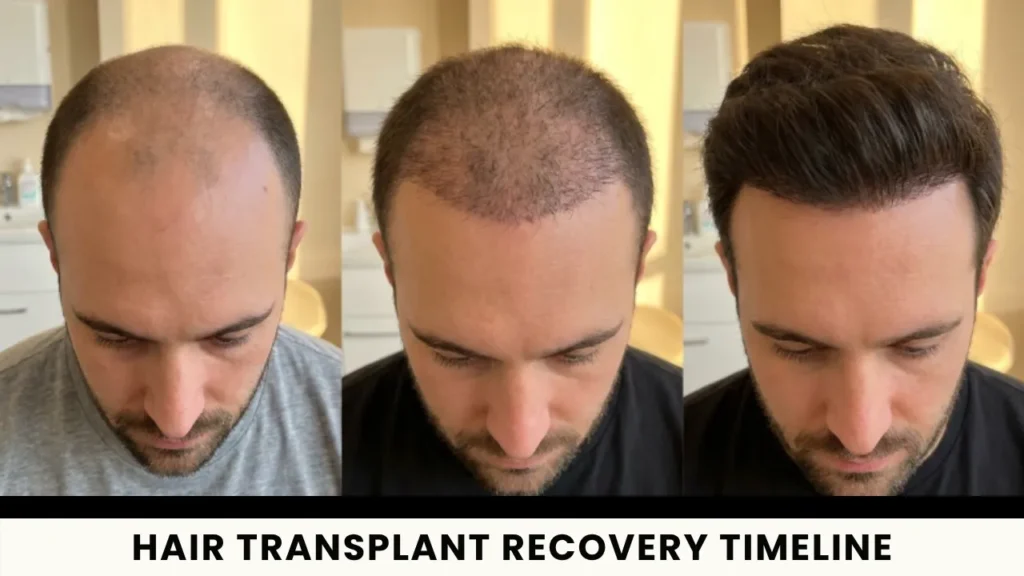
Hair Transplant Recovery Timeline: Day-by-Day, Week-by-Week and Month-by-Month Guide
Hair Transplant Recovery Timeline: Day-by-Day, Week-by-Week and Month-by-Month Guide Free Hair Analysis Homepage Blog Wayne…
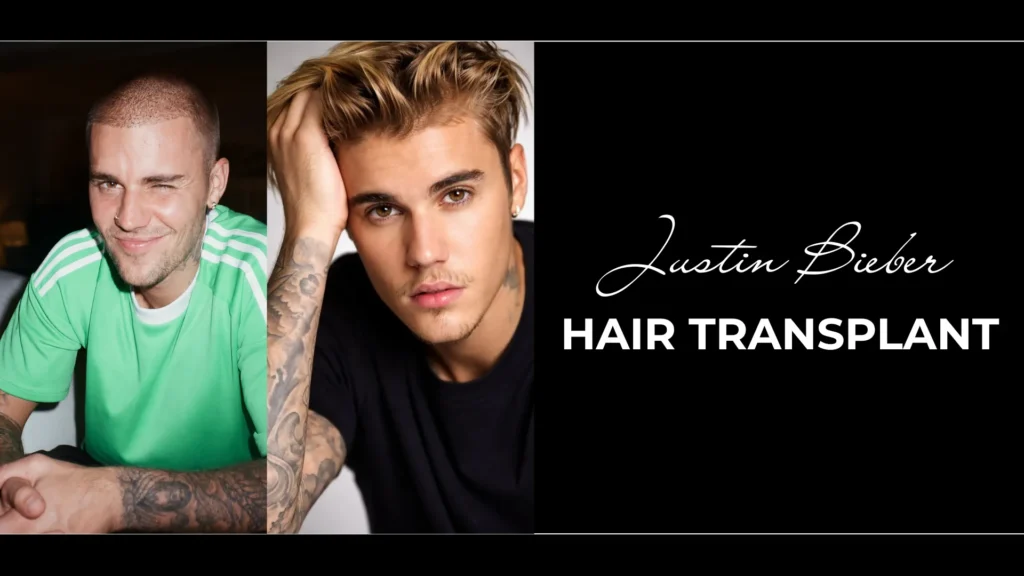
Justin Bieber Hair Transplant: Hairline Analysis, Before & After Photos, Rumors & Expert Opinion
Justin Bieber Hair Transplant: Hairline Analysis, Before & After Photos, Rumors & Expert Opinion Free…
Wayne Rooney Hair Transplant: Before & After
Wayne Rooney Hair Transplant: Before & After Free Hair Analysis Homepage Blog Wayne Rooney Hair…
Conor McGregor Hair Transplant: Before & After
Conor McGregor Hair Transplant: Before & After Free Hair Analysis Homepage Blog Conor McGregor Hair…
Turkey Visa Requirements for Hair Transplant in Turkey
Turkey Visa Requirements for Hair Transplant in Turkey Free Hair Analysis Homepage Blog Turkey Visa…
David Silva Hair Transplant: Before & After
David Silva Hair Transplant: Before & After Free Hair Analysis Homepage Blog Discover David Silva…
Ready To
Book Your Appointment?
Reach out to us or complete our simple online form
and we’ll contact you to schedule a time that works perfectly for you.



Frequently Asked Questions