How Long Do Hair Transplant Results Last?
Homepage

Blog
How Long Do Hair Transplant Results Last?

Medical Reviewed By Dr. Tompi, M.D – Plastic & Aesthetic Surgeon
Written By Nazmi G, Trichologist

A hair transplant is a permanent solution: follicles moved from the DHT-resistant donor area keep their resistance and continue growing for life. The transplanted hairs shed briefly after surgery, then regrow permanently from around 3–4 months. However, untreated native hair can keep thinning, so some patients later choose a top-up.
When considering a hair transplant, one of the most pressing questions for many individuals is: how long do the results truly last? It's a significant investment in both time and finance, so understanding the longevity of your new hair is naturally a top priority. The good news is that, when performed by skilled professionals using advanced techniques, hair transplant results are designed to be remarkably enduring.
However, the concept of 'lasting' isn't always as straightforward as it might seem. While the transplanted hair itself is permanent, several factors can influence the overall appearance and density of your hair over the years. This comprehensive guide will delve into the science behind hair transplant longevity, what to realistically expect, and how you can play an active role in preserving your results for the longest possible time.
The Enduring Promise: Understanding Hair Transplant Longevity
The fundamental reason why hair transplant results are considered long-lasting lies in a scientific principle known as 'donor dominance'. Hair follicles from the donor area, typically located at the back and sides of the head, are genetically predisposed to resist the effects of dihydrotestosterone (DHT), the hormone primarily responsible for pattern baldness. These follicles are robust and, crucially, retain their genetic resistance even after being transplanted to the recipient areas, such as the crown or hairline.
This means that once these resistant follicles are moved, they continue to grow healthy hair that is not susceptible to the miniaturisation and eventual loss seen in genetically vulnerable follicles. This inherent resistance is what makes a hair transplant a permanent solution for hair loss in the transplanted areas. It's not just about moving hair; it's about relocating hair with a built-in genetic advantage against future balding.

The Journey of Growth: What to Expect in the First Year
While the transplanted follicles are permanent, the journey to seeing your final results takes time and patience. Immediately after the procedure, it's normal to experience 'shock loss', where the transplanted hairs shed within a few weeks. This is a natural part of the process, as the follicles enter a resting phase before new, stronger hair begins to grow.
New hair growth typically commences around three to four months post-procedure, initially appearing fine and sparse. Over the next 6 to 12 months, these hairs will gradually thicken and mature, and the density of the transplanted area will steadily improve. The full and final results, showcasing the true density and natural blend of your transplanted hair, are generally visible around 12 to 18 months after your procedure. For a detailed day-by-day breakdown of recovery, please refer to our Hair Transplant Recovery Timeline.
Key Determinants of Long-Term Success
While donor dominance provides the foundation for lasting results, several critical factors contribute to the overall long-term success and natural appearance of your hair transplant:
- Surgeon's Skill and Experience: The expertise of your surgeon is paramount. A highly skilled surgeon ensures optimal graft survival, natural hairline design, and correct angle and direction of hair growth, all of which contribute to a result that looks natural and lasts.
- Clinic Quality and Technology: Choosing a reputable clinic with state-of-the-art facilities and advanced techniques (such as FUE or DHI) significantly impacts the success rate and longevity of the transplant.
- Patient Health and Hair Characteristics: Your overall health, age, hair type, and the stability of your hair loss pattern all play a role. Patients with stable hair loss and good overall health tend to achieve the best and most enduring outcomes.
- Donor Area Sufficiency: A healthy and robust donor area with sufficient density is crucial for harvesting enough grafts without compromising the donor site's appearance.
- Adherence to Aftercare Instructions: Diligently following your clinic's post-operative care guidelines is vital for graft survival and proper healing.
Is It Truly Permanent? Addressing the 'Lifelong' Question
The simple answer is that the hair follicles transplanted from your donor area are indeed permanent. They will continue to grow hair for the rest of your life because they are genetically programmed to resist balding. However, it's important to understand a nuance: a hair transplant does not stop the natural progression of hair loss in your *native* (non-transplanted) hair that was already susceptible to balding.
This means that while your transplanted hair will remain, the hair in other areas of your scalp that were not transplanted and are still genetically vulnerable may continue to thin or recede over time. This is why a comprehensive long-term hair loss management plan, often including medications like Minoxidil or Finasteride (if recommended by your doctor), can be crucial to maintain overall hair density and prevent future hair loss in these susceptible areas. A well-executed transplant, combined with a forward-looking strategy, ensures your results look consistently natural for decades.
Maintaining Your Investment: Aftercare and Lifestyle Choices
While the transplanted hairs are resilient, actively caring for your scalp and overall health can significantly contribute to the vitality and appearance of both your transplanted and native hair over the long term. Proper aftercare immediately following the procedure is critical for the initial survival of the grafts, but ongoing care also plays a role.
- Medication: Following your doctor's recommendations for hair loss medications (e.g., Minoxidil or Finasteride) can help preserve existing native hair and support the overall density.
- Healthy Lifestyle: A balanced diet rich in vitamins and minerals, adequate hydration, regular exercise, and stress management all contribute to healthier hair growth.
- Gentle Hair Care: Use mild, sulfate-free shampoos and conditioners. Avoid harsh chemical treatments, excessive heat styling, and tight hairstyles that can pull on the hair follicles.
- Sun Protection: Protect your scalp from excessive sun exposure, especially in the initial months after the transplant, by wearing a hat or using sunscreen.
Our Complete Hair Transplant Aftercare Checklist provides in-depth guidance for optimal recovery and maintenance.
Navigating Future Hair Loss: A Realistic Outlook
Understanding that a hair transplant treats existing baldness but doesn't necessarily halt future hair loss in non-transplanted areas is key to managing expectations. Over many years, particularly if your hair loss pattern was aggressive, your native hair may continue to thin. This could create a disparity between the dense, transplanted areas and the progressively thinning native hair.
This scenario is precisely why thorough pre-operative planning is essential. A reputable clinic will assess your current and potential future hair loss to create a hairline and density that will look natural not just today, but decades from now. In some cases, individuals may opt for a second 'touch-up' transplant years later to address further thinning of native hair, provided their donor area still has sufficient healthy grafts. This proactive approach ensures a consistently full and natural appearance throughout your life.
The Turkey Hair Center Difference: Ensuring Lasting Results
At Turkey Hair Center, our commitment extends beyond merely performing a procedure; we focus on delivering natural, lasting results that enhance your confidence for years to come. Our highly experienced surgeons utilise the latest FUE, DHI, and Sapphire FUE techniques, ensuring precision in graft placement and optimal survival rates. We understand that the longevity of your results is directly tied to the quality of the procedure and the personalised care you receive.
Our patient-centric approach means we conduct thorough consultations to understand your unique hair loss pattern, discuss your expectations, and formulate a long-term strategy tailored specifically for you. We provide comprehensive pre- and post-operative support, ensuring you are well-informed at every stage of your journey. Choosing Turkey Hair Center means investing in expertise, advanced technology, and a dedicated team committed to helping you achieve and maintain the hair you desire. Learn more about why Turkey is a leading destination for hair transplants in our comprehensive guide.
| Factor | Impact on Longevity |
|---|---|
| Surgeon's Expertise | Directly affects graft survival rate, natural appearance, and long-term aesthetic integration. |
| Clinic Standards | Ensures sterile environment, use of modern tools, and adherence to best practices, minimising complications. |
| Patient's Health | Overall health, nutrition, and stable hair loss are crucial for graft healing and ongoing hair vitality. |
| Aftercare Adherence | Proper post-operative care prevents complications, aids healing, and protects newly transplanted follicles. |
| Genetic Hair Loss | Transplanted hair is permanent; native hair may continue to thin, requiring a long-term management plan. |
Medical disclaimer: This article is for informational purposes only and is not medical advice. Individual results vary from person to person. Always consult a qualified doctor before any hair transplant procedure.
Get a Free Hair Analysis from Our Experts
Use our free online help tool to communicate your hair loss concerns – it only takes a few minutes. We’ll provide you with a personalized, non-binding quote.
Let’s Call You!

Popular Blogs
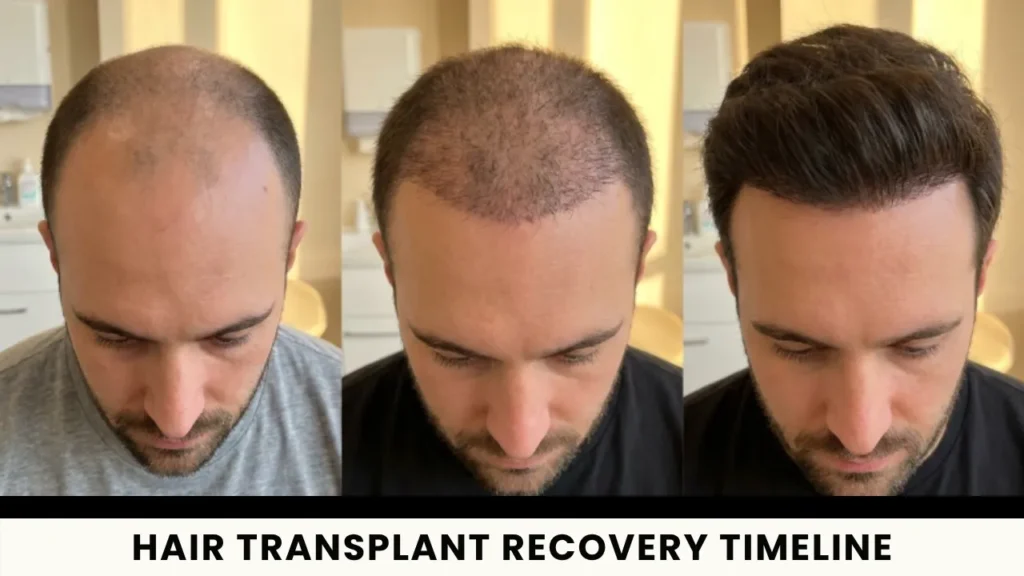
Hair Transplant Recovery Timeline: Day-by-Day, Week-by-Week and Month-by-Month Guide
Hair Transplant Recovery Timeline: Day-by-Day, Week-by-Week and Month-by-Month Guide Free Hair Analysis Homepage Blog Wayne…
Justin Bieber Hair Transplant: Hairline Analysis, Before & After Photos, Rumors & Expert Opinion
Justin Bieber Hair Transplant: Hairline Analysis, Before & After Photos, Rumors & Expert Opinion Free…
Wayne Rooney Hair Transplant: Before & After
Wayne Rooney Hair Transplant: Before & After Free Hair Analysis Homepage Blog Wayne Rooney Hair…

Conor McGregor Hair Transplant: Before & After
Conor McGregor Hair Transplant: Before & After Free Hair Analysis Homepage Blog Conor McGregor Hair…
Turkey Visa Requirements for Hair Transplant in Turkey
Turkey Visa Requirements for Hair Transplant in Turkey Free Hair Analysis Homepage Blog Turkey Visa…
David Silva Hair Transplant: Before & After
David Silva Hair Transplant: Before & After Free Hair Analysis Homepage Blog Discover David Silva…
Ready To
Book Your Appointment?
Reach out to us or complete our simple online form
and we’ll contact you to schedule a time that works perfectly for you.



Frequently Asked Questions