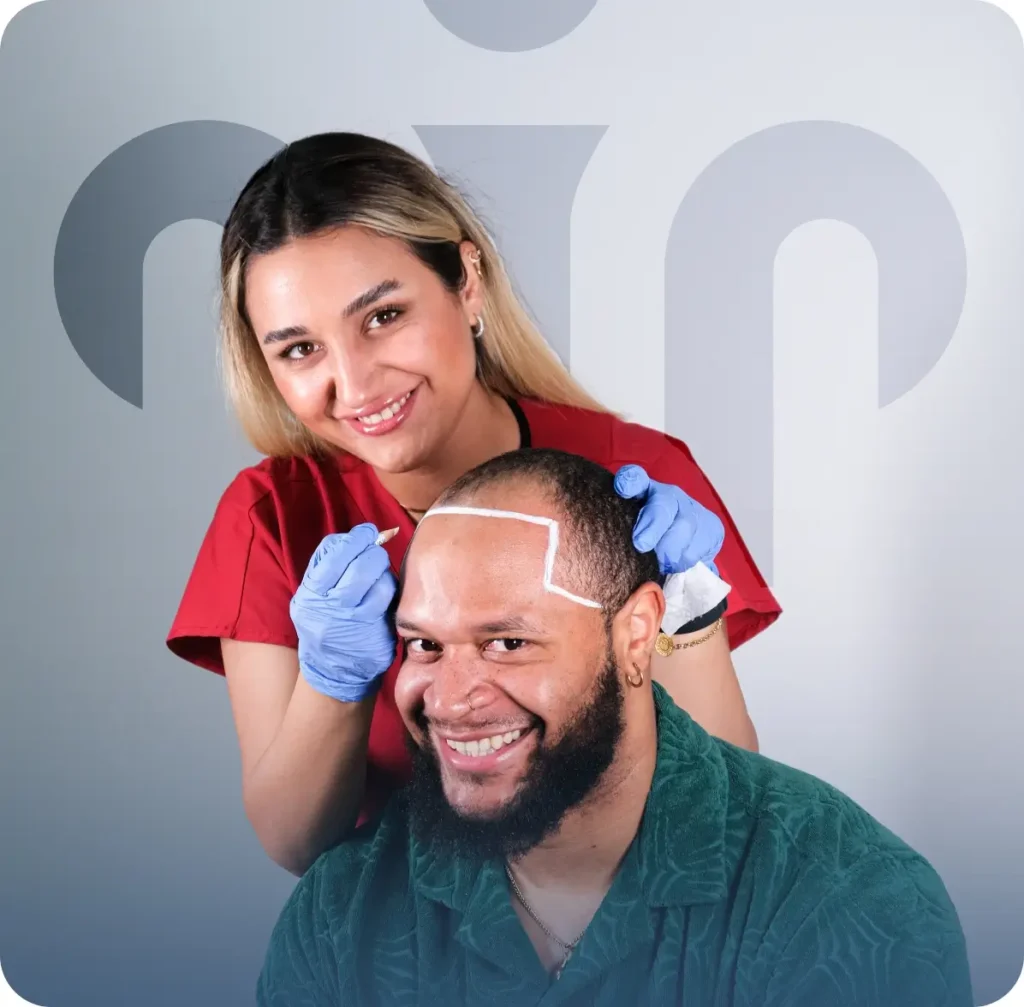
Minoxidil and Finasteride After a Hair Transplant
Homepage

Blog
Minoxidil and Finasteride After a Hair Transplant

Medical Reviewed By Dr. Tompi, M.D – Plastic & Aesthetic Surgeon
Written By Nazmi G, Trichologist


Minoxidil and finasteride do not replace a hair transplant. A transplant operation moves DHT-resistant follicles to restore areas of significant loss, while these medications work to protect your remaining native hair from further thinning. Their use is typically resumed 2–4 weeks after surgery, following initial scalp healing. Both are long-term treatments; discontinuing them allows the underlying process of hair loss to resume within months.
A hair transplant addresses areas where hair has already been lost, but it does not stop the progression of androgenetic alopecia (male pattern baldness) in non-transplanted hair. The condition is progressive, meaning native hair follicles elsewhere on the scalp may still be susceptible to miniaturisation. For this reason, medical treatments like Minoxidil and Finasteride are often integrated into a patient's long-term plan.
At Turkey Hair Center, we advocate for a comprehensive strategy for hair restoration. This involves using proven medications to preserve existing hair, thereby protecting the aesthetic outcome of your transplant. Understanding the function of these treatments is fundamental to maintaining your results for the long term.
Understanding Male Pattern Baldness and Hair Transplants
Male pattern baldness results from a genetic sensitivity of hair follicles to dihydrotestosterone (DHT), a testosterone derivative. DHT binds to susceptible follicles, causing them to shrink (miniaturise) over successive growth cycles. This process shortens the hair's lifespan, reduces its thickness, and can eventually halt growth entirely. A hair transplant procedure, whether FUE or DHI, surgically relocates DHT-resistant follicles from a stable donor area—typically the back and sides of the head—to areas of thinning or baldness.
These transplanted follicles retain their genetic resistance to DHT and will continue to grow in their new location. However, the native hair surrounding the transplanted grafts may remain vulnerable. Without medical intervention, this hair can continue to thin, potentially creating an unnatural appearance between the permanent transplanted hair and the diminishing native hair over time. A combined approach is therefore often the most effective strategy.

What is Finasteride and How Does It Work?
Finasteride is an oral medication prescribed for the treatment of male pattern baldness. Its function is to inhibit the action of 5-alpha-reductase, the enzyme that converts testosterone into the more potent androgen, DHT. By systemically lowering DHT levels, Finasteride directly addresses the primary hormonal driver of androgenetic alopecia.
- Mechanism: Blocks the 5-alpha-reductase enzyme, significantly reducing DHT concentrations in the scalp and serum.
- Benefits: Slows or halts the progression of hair loss and can increase hair thickness and count, particularly at the vertex (crown). It helps preserve native hair that might otherwise be lost.
- Considerations: As a prescription medication, Finasteride requires consistent daily use to remain effective. Potential side effects should be discussed with your surgeon; they are uncommon and typically resolve if the medication is stopped.
What is Minoxidil and How Does It Work?
Minoxidil is a topical medication, available as a liquid or foam, that is applied directly to the scalp. It is not a hormone blocker. While its precise mechanism is not fully elucidated, it is understood to be a vasodilator that improves blood flow and nutrient delivery to hair follicles. It may also work by prolonging the anagen (growth) phase of the hair cycle.
- Mechanism: Functions as a peripheral vasodilator, thought to enhance microcirculation to follicles and extend their growth phase.
- Benefits: Can stimulate regrowth, increase the diameter of miniaturised hairs, and improve overall hair density. It is approved for use by both men and women.
- Considerations: Minoxidil requires application once or twice daily, and visible results may take 3–6 months. A temporary increase in shedding can occur initially as follicles are stimulated to enter a new growth cycle. Side effects may include localised scalp irritation, dryness, or itching.
Before Your Hair Transplant: Setting the Stage
Your pre-operative consultation is the ideal time to develop a long-term hair preservation strategy with your surgeon. Depending on the rate of your hair loss, it may be recommended to start Finasteride or Minoxidil several months before your scheduled procedure. This approach can help to:
- Stabilise hair loss: Using medication pre-operatively can strengthen existing hair, creating a more stable foundation for the transplant.
- Improve scalp condition: A healthy, well-vascularised scalp supports better graft survival rates and healing.
- Evaluate treatment response: Starting early allows you and your surgeon to assess your response to the medication, which helps in planning post-operative care.
You will be instructed to stop applying topical Minoxidil approximately one week before surgery. This precaution helps to minimise the risk of increased intraoperative bleeding. Your surgeon at Turkey Hair Center will provide you with precise, individualised pre-operative instructions.
Immediately After Your Hair Transplant: The Crucial Period
The initial weeks following your hair transplant are focused on protecting the new grafts and allowing the scalp to heal. Your surgeon will give you a detailed post-operative care plan that specifies when medical treatments can be safely resumed.
- Finasteride: Being an oral tablet, Finasteride does not directly interfere with the scalp's surface healing. Its use can often be continued without interruption or started soon after the procedure, but you must follow your surgeon's specific directive.
- Minoxidil: Application of topical Minoxidil must be paused immediately after surgery. The recipient area is extremely delicate, and applying any solution too early risks graft dislodgement, infection, or irritation. We advise waiting until all scabs have shed and the scalp has healed, which is typically between 2 and 4 weeks post-operatively.
Strict adherence to your clinic's post-operative protocol is essential for a successful outcome. Further details on this phase can be found in our Hair Transplant Recovery Timeline.
Long-Term Maintenance: Protecting Your Investment
A hair transplant is a permanent solution for the treated area, but medical management is key to preserving the overall result for years to come. Continuous use of Finasteride and/or Minoxidil is often recommended for the following reasons:
- Preventing further loss of native hair: Transplanted hairs are DHT-resistant, but your surrounding native hairs are not. Medication helps protect this vulnerable hair from miniaturising, preventing new bald patches from forming around the transplant.
- Enhancing overall density: By thickening existing native hairs, these medications create a fuller appearance and help the transplanted hair blend more seamlessly for a uniform result.
- A synergistic effect: The transplant restores hair to bald regions, while medication defends the hair you still have. This dual strategy offers the most robust and lasting defence against progressive hair loss.
Your specialist at Turkey Hair Center will develop a personalised long-term care plan based on your specific pattern of hair loss, age, and medical history.

Potential Side Effects and Management
All medications carry a risk of side effects, though most patients tolerate Minoxidil and Finasteride well. An informed discussion with your doctor about these possibilities is essential.
Finasteride
- Sexual side effects: A small percentage of men report decreased libido, erectile dysfunction, or issues with ejaculation. These effects are typically reversible upon discontinuation of the drug.
- Mood alterations: In very rare instances, changes in mood have been reported.
The incidence of these side effects is low. Your doctor will help you weigh the clinical benefits against the potential risks for your specific situation.
Minoxidil
- Scalp irritation: Redness, itching, or dryness at the application site can occur. This is sometimes linked to the propylene glycol in liquid formulations; the foam version is often better tolerated.
- Initial shedding (Telogen Effluvium): An increase in hair shedding during the first 2–8 weeks is common and temporary. It signals that the follicles are shifting into a new growth phase.
- Unwanted hair growth: If the product drips onto the face or is applied carelessly, it can cause unwanted hair growth in those areas. Precise application minimises this risk.
If you experience any side effects that cause you concern, contact your medical team. They can provide guidance on managing them or discuss alternative therapeutic options.
Combining Treatments: A Holistic Approach
For most patients, the combination of a hair transplant with ongoing medical therapy provides the most comprehensive and sustainable result. The surgical procedure restores density to areas of advanced loss, while Finasteride and Minoxidil work synergistically to preserve native hair, prevent future thinning, and improve the quality of existing follicles.
This combined strategy can also help mitigate post-surgical 'shock loss' (telogen effluvium), a temporary shedding of native hair that can occur due to the stress of surgery on the scalp. By maintaining a healthier follicular environment, medications can support a more robust recovery. By addressing both the history of your hair loss and its future progression, this integrated approach allows patients to achieve a natural-looking result that lasts.
Our specialists at Turkey Hair Center are committed to providing continuous care, from your initial assessment through to your long-term management plan, ensuring you are fully supported throughout.
| Feature | Minoxidil | Finasteride |
|---|---|---|
| Type | Topical solution/foam | Oral tablet |
| Mechanism | Vasodilator, prolongs anagen phase | 5-alpha-reductase inhibitor (reduces DHT) |
| Primary Action | Stimulates hair growth, thickens hair | Slows hair loss, promotes regrowth |
| Target Hair | Existing hair, can benefit transplanted hair | Existing hair (DHT-sensitive) |
| Application | Directly to scalp | Systemic (ingested) |
| Common Side Effects | Scalp irritation, initial shedding | Rarely: sexual side effects, mood changes |
| When to Start After Transplant | Typically 2-4 weeks post-op (after scabs heal) | Often can be continued/started earlier (oral) |
Medical disclaimer: This article is for informational purposes only and is not medical advice. Individual results vary from person to person. Always consult a qualified doctor before any hair transplant procedure.
Get a Free Hair Analysis from Our Experts
Use our free online help tool to communicate your hair loss concerns – it only takes a few minutes. We’ll provide you with a personalized, non-binding quote.
Let’s Call You!

Popular Blogs
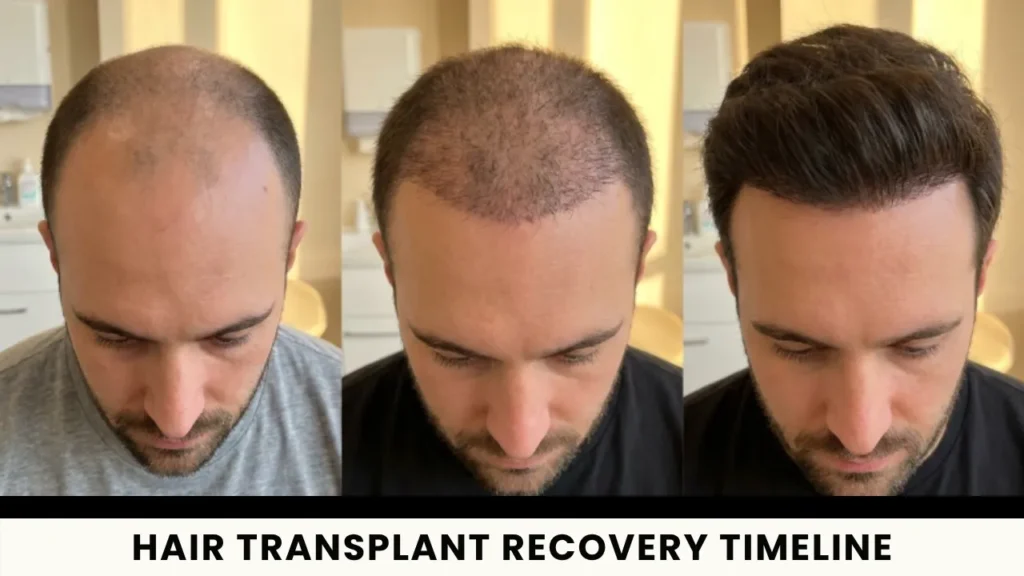
Hair Transplant Recovery Timeline: Day-by-Day, Week-by-Week and Month-by-Month Guide
Hair Transplant Recovery Timeline: Day-by-Day, Week-by-Week and Month-by-Month Guide Free Hair Analysis Homepage Blog Wayne…

Justin Bieber Hair Transplant: Hairline Analysis, Before & After Photos, Rumors & Expert Opinion
Justin Bieber Hair Transplant: Hairline Analysis, Before & After Photos, Rumors & Expert Opinion Free…
Wayne Rooney Hair Transplant: Before & After
Wayne Rooney Hair Transplant: Before & After Free Hair Analysis Homepage Blog Wayne Rooney Hair…

Conor McGregor Hair Transplant: Before & After
Conor McGregor Hair Transplant: Before & After Free Hair Analysis Homepage Blog Conor McGregor Hair…
Turkey Visa Requirements for Hair Transplant in Turkey
Turkey Visa Requirements for Hair Transplant in Turkey Free Hair Analysis Homepage Blog Turkey Visa…

David Silva Hair Transplant: Before & After
David Silva Hair Transplant: Before & After Free Hair Analysis Homepage Blog Discover David Silva…
Ready To
Book Your Appointment?
Reach out to us or complete our simple online form
and we’ll contact you to schedule a time that works perfectly for you.



Frequently Asked Questions