Performed at authorized partner hospitals Turkey Hair Center is a Ministry of Health authorized health-tourism intermediary, not a clinic.
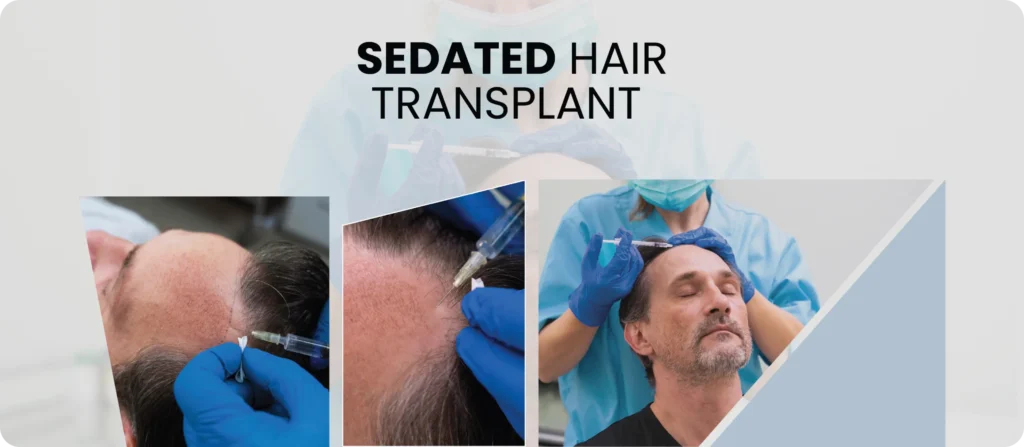
In Turkey, a sedated hair transplant is a sophisticated method performed under conscious sedation.
Short answer
A sedated hair transplant is a FUE or DHI hair transplant done under local anesthesia with conscious sedation, so you stay relaxed but responsive during the 6-8 hour session. It often suits patients with anxiety, a low pain tolerance or a large graft plan. Sedation support is included in every package, from A$3,670 to A$6,470.
Single session, about 6-8 hours, local anesthesia with sedation
Included stay
2 hotel nights, VIP transfers, next-day check-up
Leaving the clinic
Usually the same day, once the sedation wears off
Back to desk work
Usually 2-5 days
Final result
Around 12 months
Often chosen for
Anxiety, low pain tolerance, long sessions
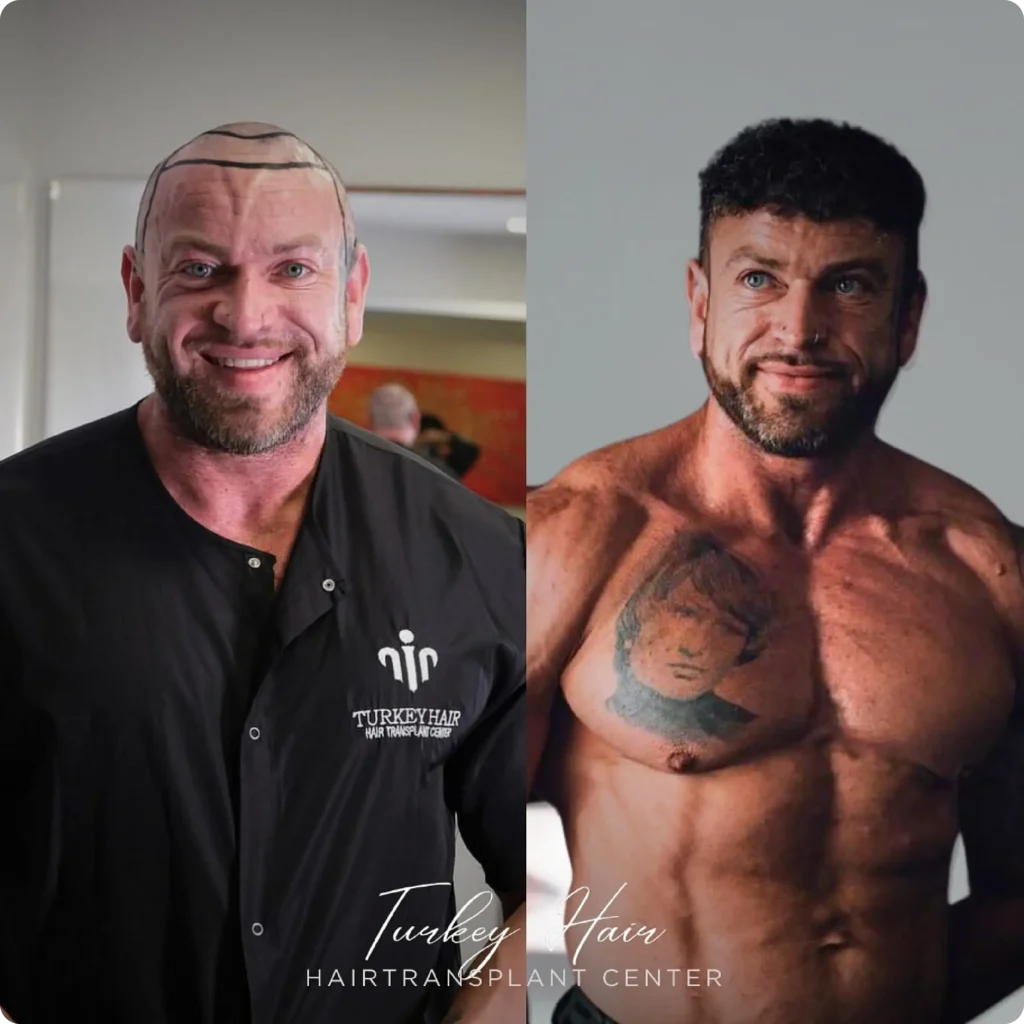
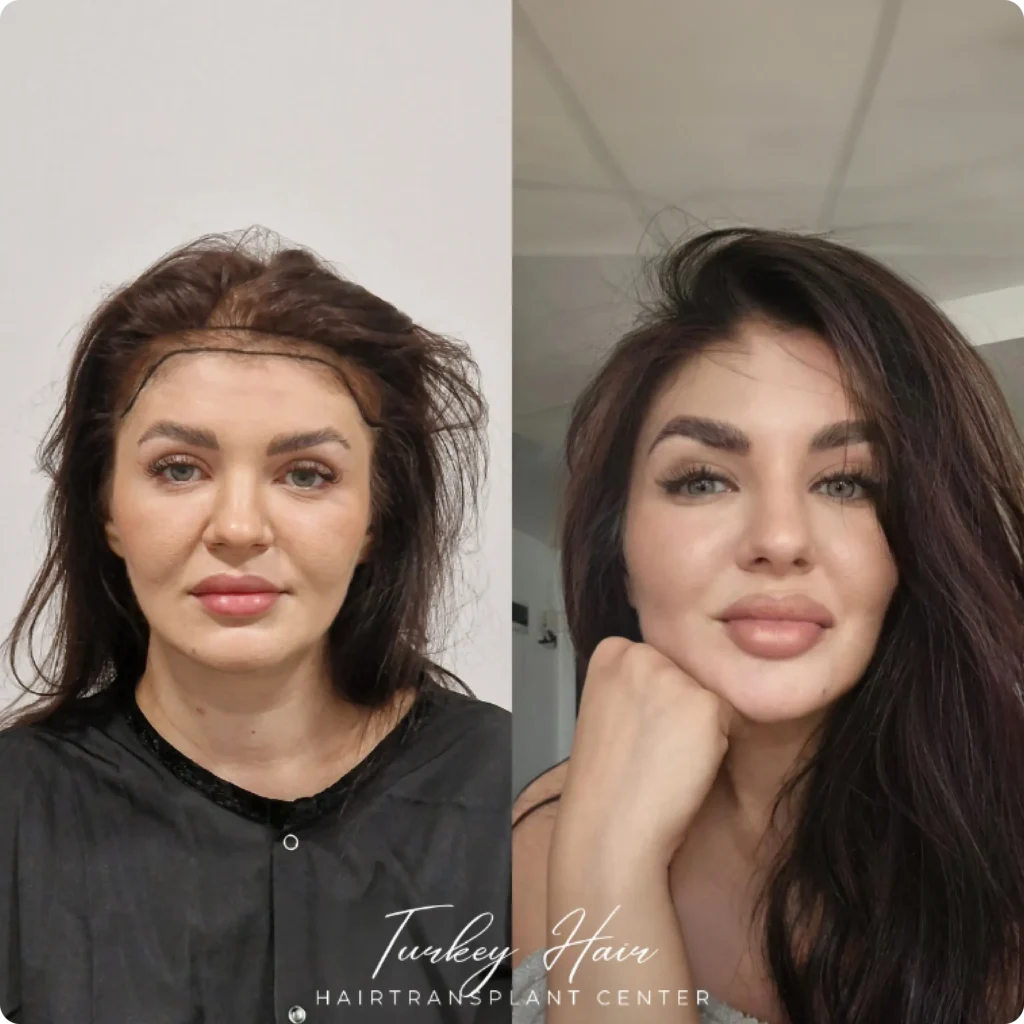
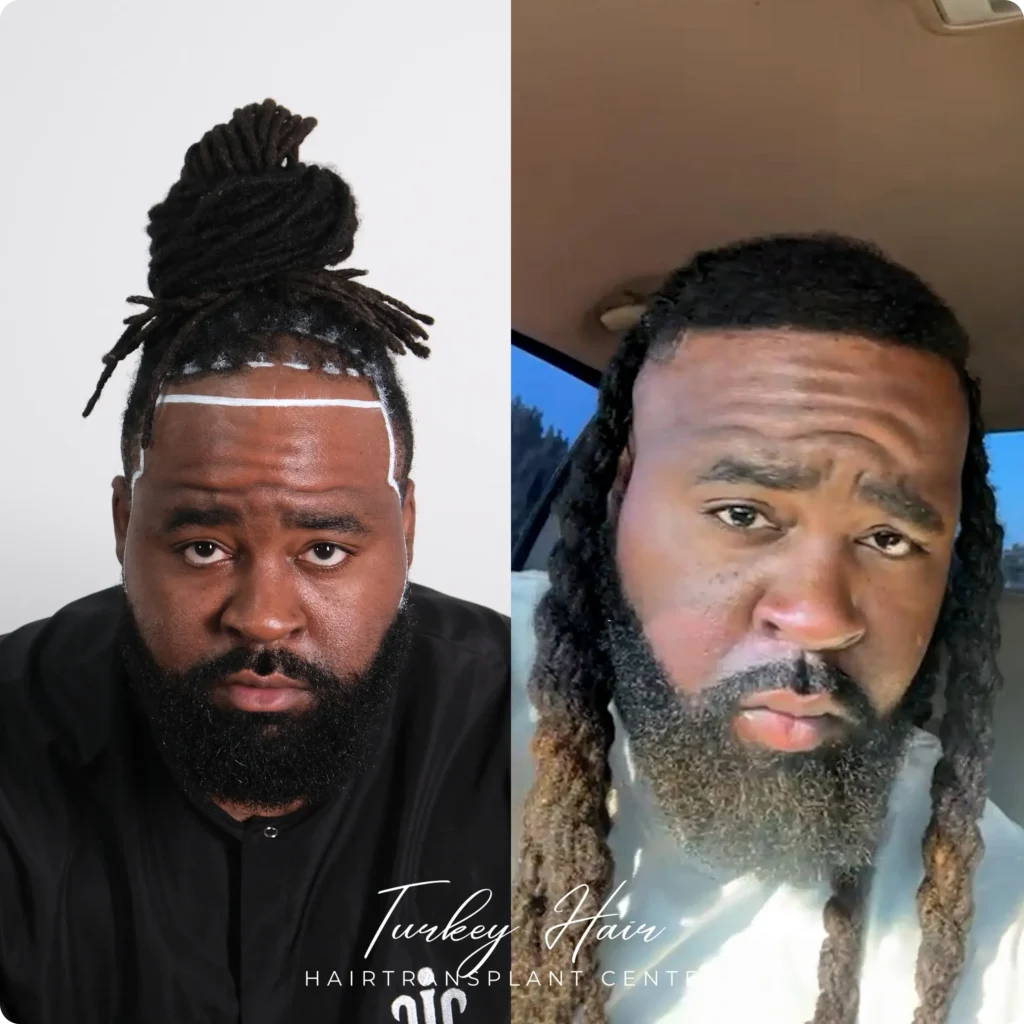
Sedated Hair Transplant Results: Before and After
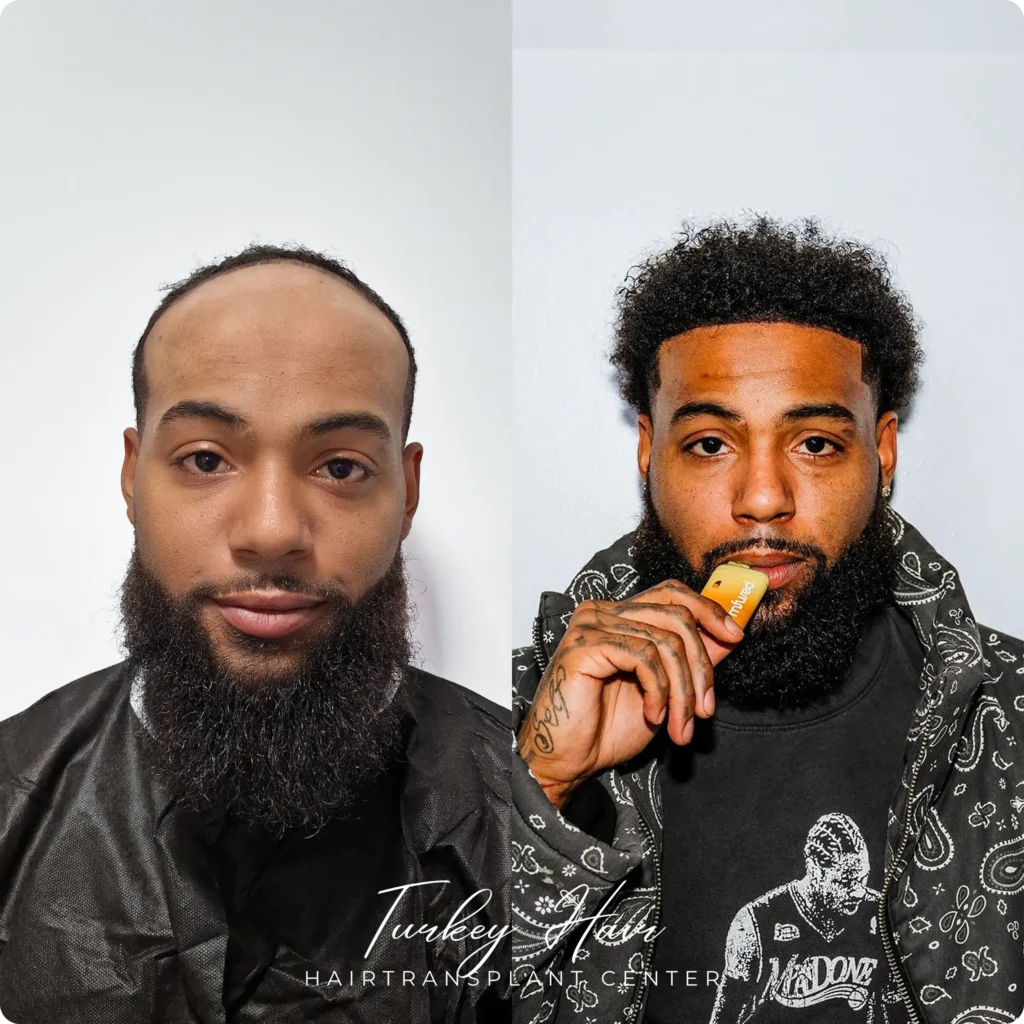
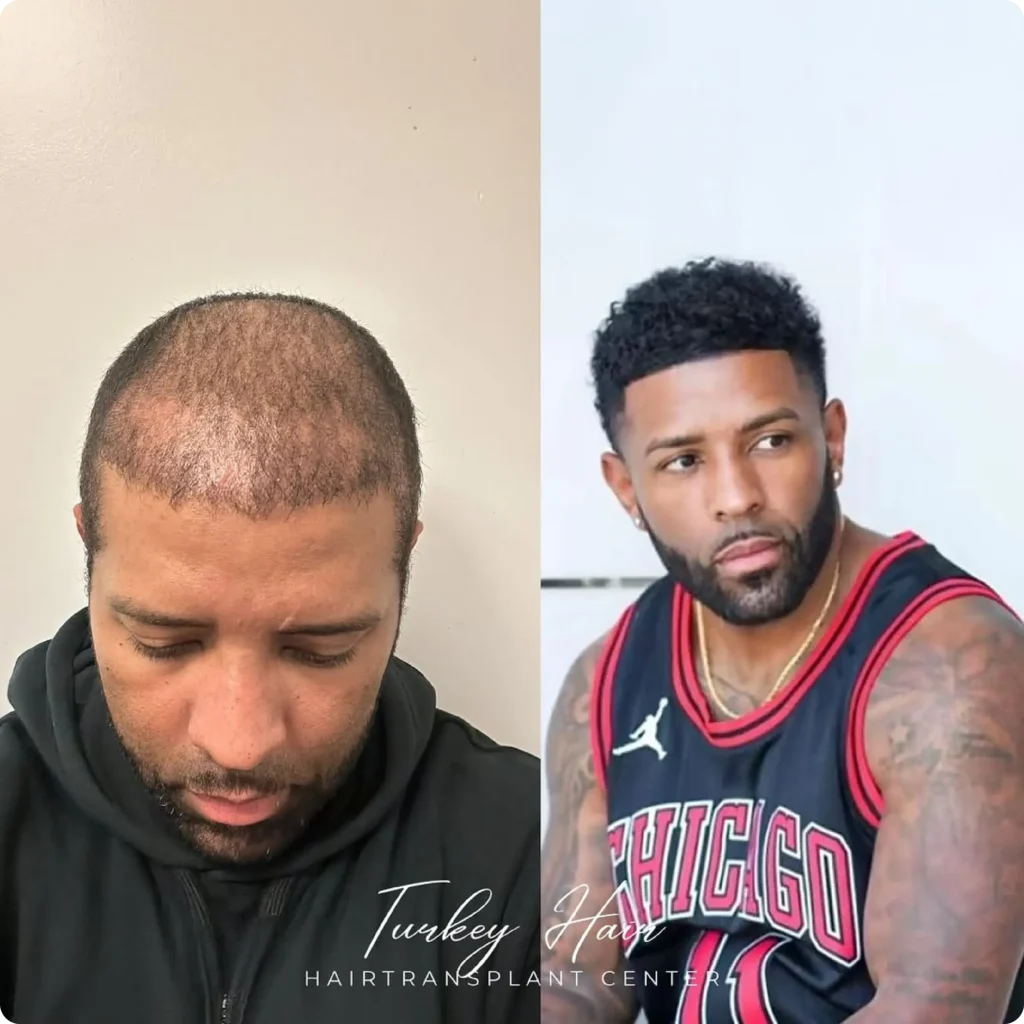
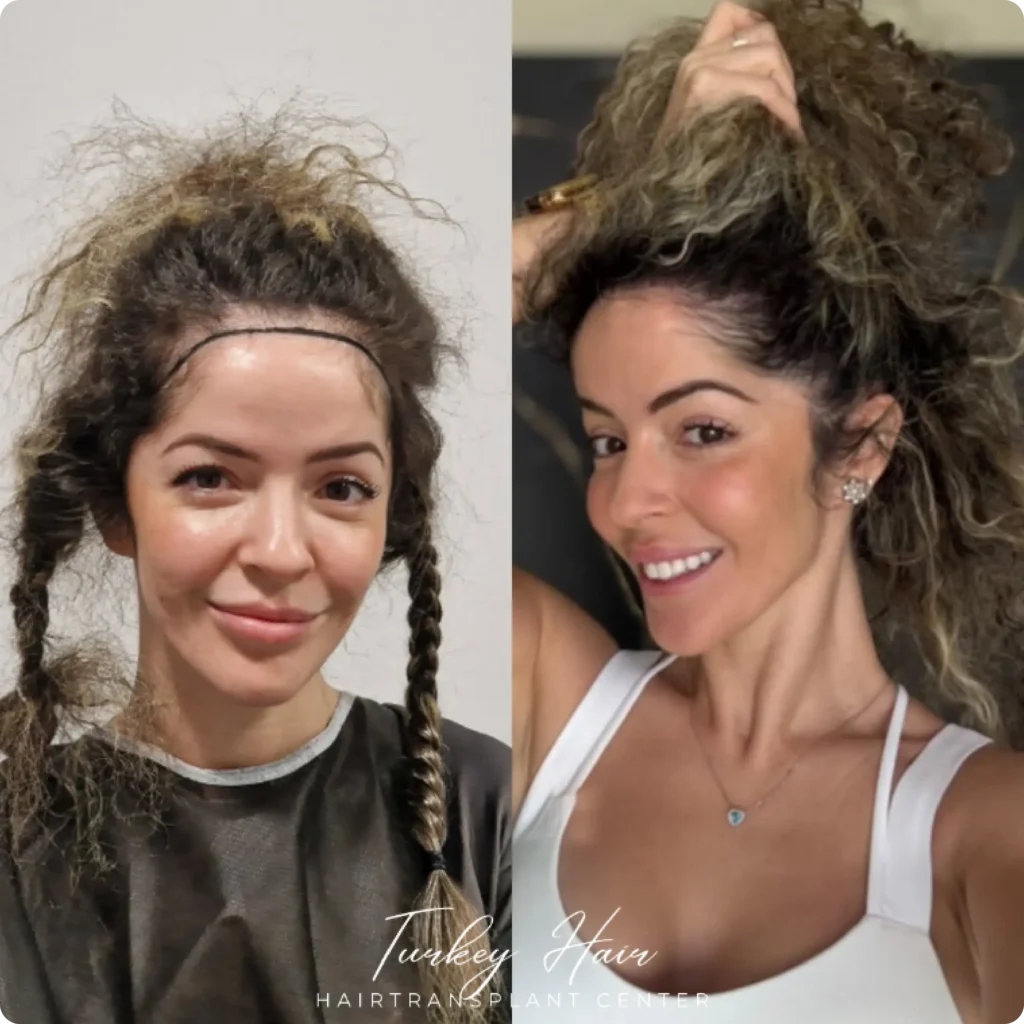
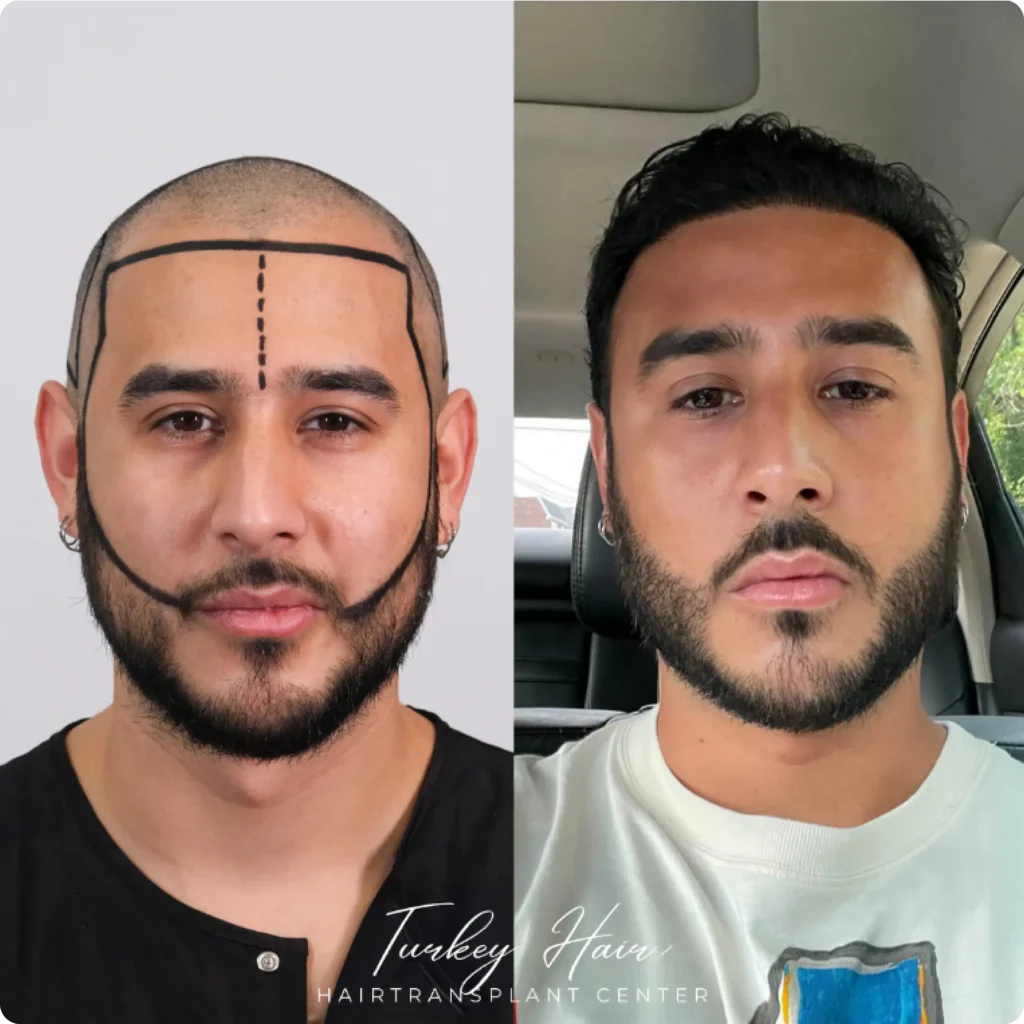
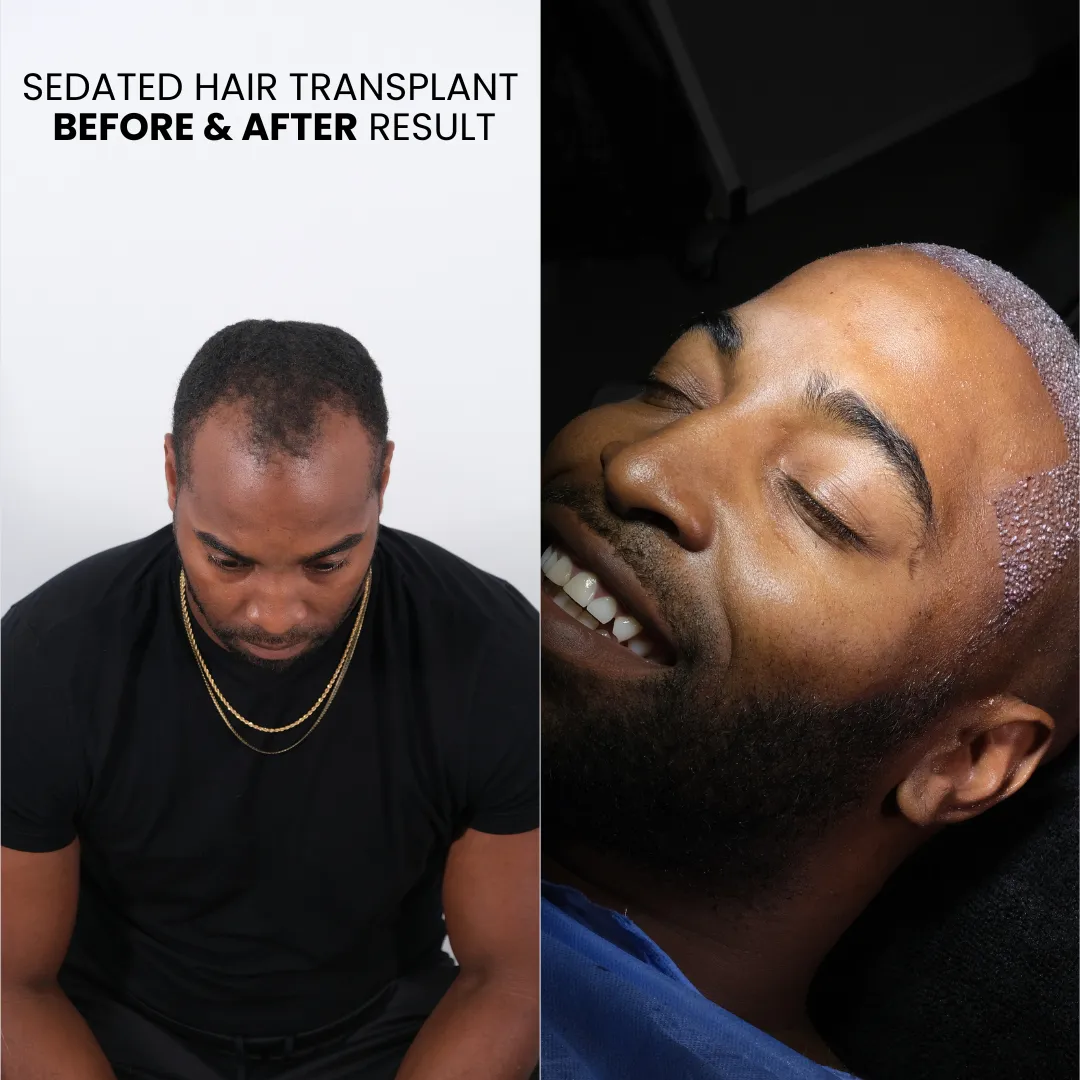
Sedated Hair Transplant Before And After
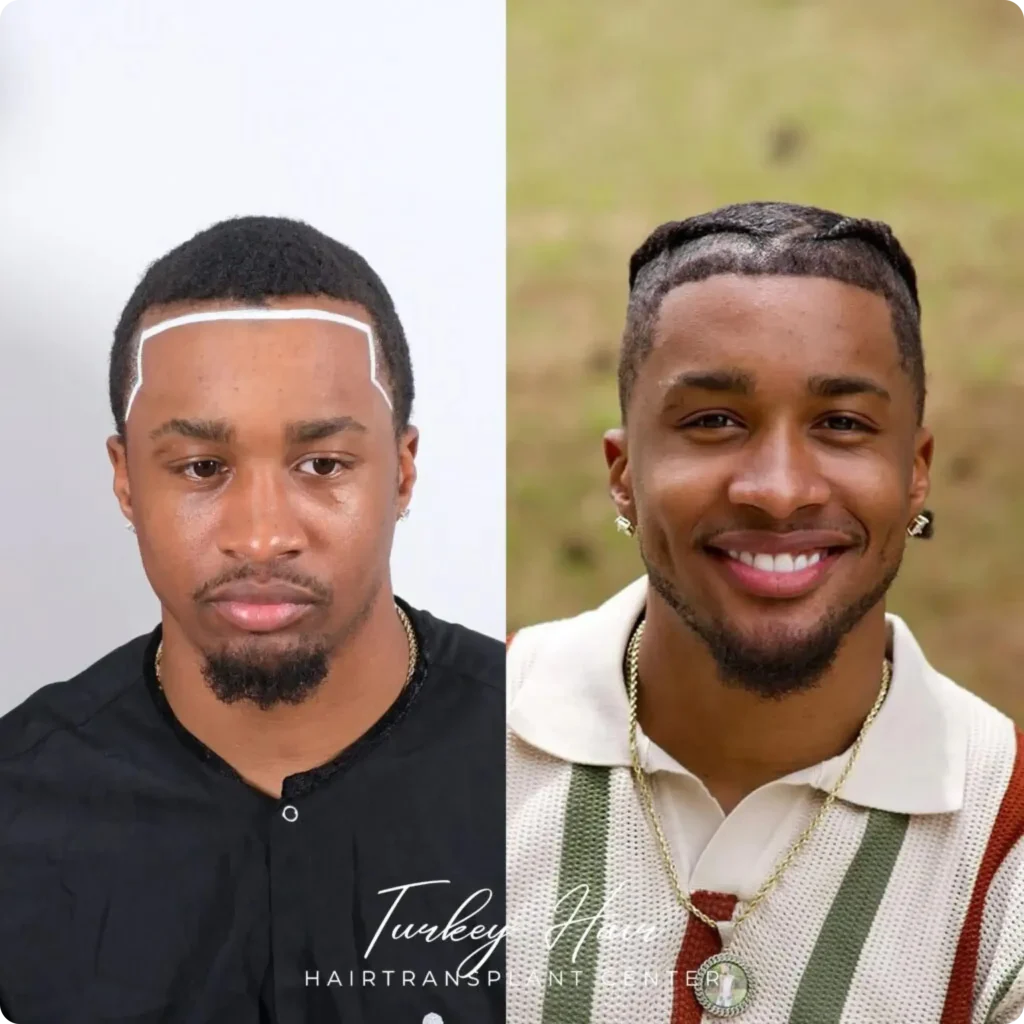
Sedated hair transplant before and after photos look like any FUE or DHI result, because sedation changes how the operation feels, not how the grafts grow. Judge photos at about 12 months; growth usually starts from month 3. See more hair transplant before and after results.
Does Sedation Mean a Higher Success Rate?
Not directly. Sedation does not affect the follicles or the growth of transplanted hair. It helps indirectly: a calm patient who stays still lets the team work precisely, while graft survival depends on handling, planning and your donor area.
Travelling from Australia for a hair transplant under sedation
The Victorian Government's Better Health Channel advises people thinking about medical tourism to carefully consider the risks, their legal options if something goes wrong and what their insurance covers, and to ask for full disclosure of the qualifications, experience and accreditation of the medical practitioner performing the procedure. Source: betterhealth.vic.gov.au.
Questions from patients in Australia
Who regulates doctors who perform hair transplants in Australia?
In Australia, the Medical Board of Australia (with Ahpra) sets guidelines, in effect since 1 July 2023, for registered medical practitioners who perform cosmetic surgery and procedures, and these guidelines list hair transplants among non-surgical cosmetic procedures. Sources: medicalboard.gov.au, ahpra.gov.au.
What should I do after returning to Australia?
The Victorian Government's Better Health Channel notes that travelling too soon after a procedure is risky, that follow-up care at home can be affected by missing records and lack of continuity of care, and that additional treatment back in Australia may not be covered by Medicare. Source: betterhealth.vic.gov.au.
Does Medicare cover a hair transplant in Turkey?
According to the Better Health Channel, Medicare is unlikely to cover overseas medical treatment, private health insurance may not cover it either, and travel insurance cover can be limited if something goes wrong during or after a procedure. Source: betterhealth.vic.gov.au.
Do I need a visa to travel from Australia to Turkey?
Australian passport holders are exempt from a visa for tourist visits of up to 90 days within any 180-day period, according to the Turkish Ministry of Foreign Affairs. Check the latest rules on mfa.gov.tr before you travel.
Planning the trip
Flights: Turkish Airlines connects Melbourne and Sydney with Istanbul with one stop in Asia.
Entry: Australian passport holders are exempt from a visa for tourist visits of up to 90 days within any 180-day period, according to the Turkish Ministry of Foreign Affairs. Check the latest rules on mfa.gov.tr before you travel.
Time difference: Istanbul is on UTC+3 all year, so Sydney is 7 hours ahead of Istanbul in the Australian winter and 8 hours ahead in summer. Perth is 5 hours ahead all year.
Prices in Australian dollars: AUD prices on this page are converted from our US dollar price list at the European Central Bank reference rate of 1 October 2026 (1 USD = 1.4387 AUD) and rounded. Exchange rates change, so the amount can move slightly.
Sedated Hair Transplant vs Other Techniques
A sedated hair transplant is a combination of advanced surgical techniques with conscious sedation to make surgery less stressful. So, patients remain relaxed while the scalp is numbed with local anesthesia.
This procedure covers medical evaluation, sedation administration, hair graft extraction, and implantation, followed by full recovery.
So hair transplant sedation is not a separate technique. It is added to the method in your plan: Sapphire FUE, where channels are opened with sapphire blades, or DHI, where each graft is placed with an implanter pen.
Local anesthesia only
Local anesthesia + sedation
Scalp numbed
Yes
Yes
Relaxing medication
No
Mild sedatives, given intravenously
Awake and responsive
Yes
Yes, relaxed but able to talk
Sedated hair transplant Turkey cost with us is the package price, because sedation support is included in every package: Sapphire Prime Package A$3,670, Sapphire Advanced Regrowth Package A$4,320, Dhi Comfort Package A$4,820 or Exosapphire Microflow Elite Package A$6,470. Compare them on our treatments and packages page or in the hair transplant cost guide.
Is Sedated Hair Transplant Painful? Anaesthesia and Comfort
Is a hair transplant painful? For most patients the hair transplant pain level is low during the operation, because local anesthesia numbs the scalp. Most of the discomfort comes from the first anesthetic injections, which last about 60 seconds.
Pain Management During the Hair Transplant Procedure
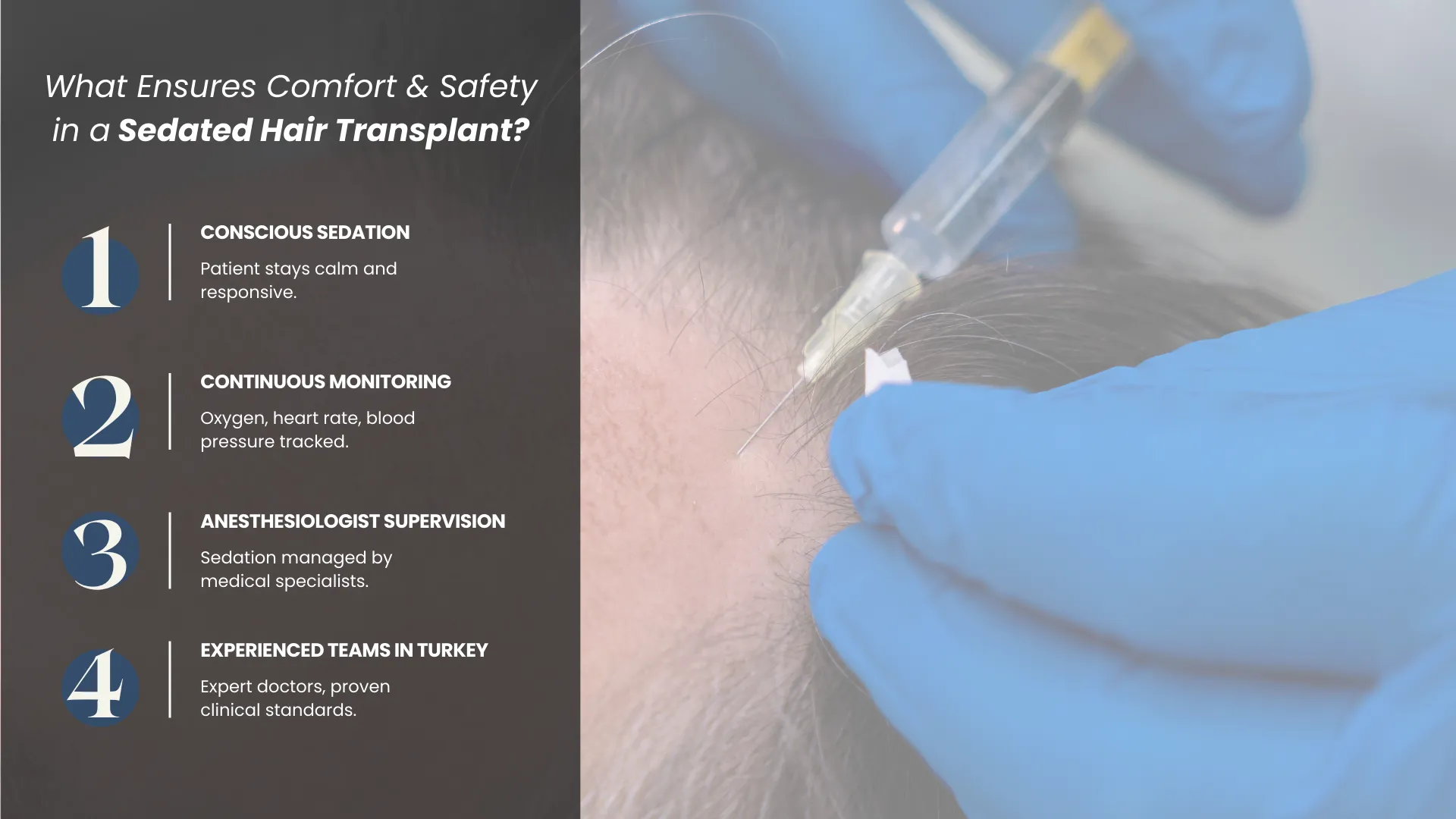
Local anesthesia blocks pain in the scalp, and sedation lowers anxiety. The anesthesiologist monitors your vital signs, and because you stay responsive, you can tell the team if you feel discomfort.
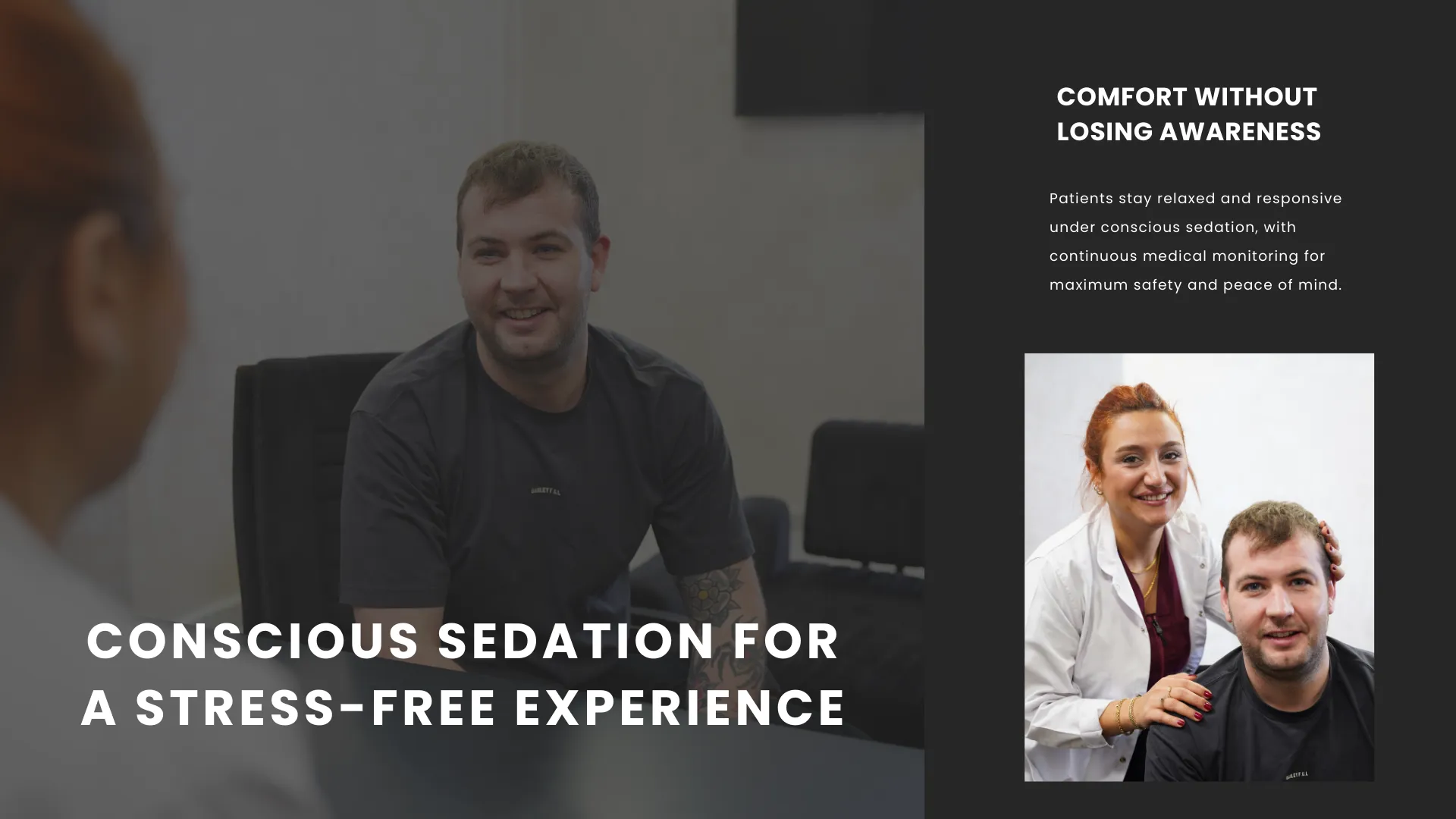
Sedated Hair Transplant
More Comfort During Long Procedures
A session usually lasts 6-8 hours. Sedation keeps you relaxed and still through extraction and placement, which helps the surgeons work steadily.
Sedated Hair Transplant For Stress
Post-Procedure Comfort and Recovery
Pain after hair transplant is usually mild: a tight, sore feeling at the back of the head for a few days, managed with basic painkillers. Increasing pain is not normal, so contact the team. See the hair transplant recovery timeline.
Hair Transplant Anesthesia Side Effects
Hair transplant anesthesia side effects: male and female patients report the same short list, and most effects are temporary. Your medical history is reviewed first to lower the risk.
Possible Risks and Limitations to Consider
Although sedated hair transplants are generally safe, there are always potential risks such as temporary dizziness or nausea.
Dizziness or nausea, usually temporary
Swelling of the forehead in the first days
Temporary numbness or tenderness in the donor or recipient area
Allergy to the local anesthetic (lidocaine), which is rare; an allergy review before surgery lowers the risk
Certain heart or lung conditions may rule out sedation, so it is planned after the medical analysis. Contact the team if swelling or pain gets worse. More in our hair transplant side effects guide.
Sedation Anesthesia: Enhancing Relaxation
Sedated hair transplant is a method used to ensure that the patient is more relaxed and comfortable during the hair transplantation procedure. Sedation is a type of medication used to calm the patient and reduce anxiety and stress.
At Turkey Hair Center, sedation is managed by an anesthesiologist.
Intravenous Sedation
Hair transplant sedation is usually given intravenously: mild sedatives and anti-anxiety medication. Your breathing and oxygen levels are monitored throughout, and you stay relaxed yet able to communicate.
Local Anesthesia with Sedation
During the local anesthesia the treatment region is simply numbed to relieve pain, on the other hand, conscious sedation allows the patient to feel deeply relaxed throughout the process without being completely unconscious.
Situations Where Sedation Is Preferred in Hair Transplantation
Sedation is optional. It is most often chosen by patients with anxiety or a low pain tolerance, by those with a large graft plan such as 5,000 grafts and a long session, and by those who found an earlier procedure uncomfortable.
Local Anesthesia: The Gold Standard in Hair Transplantation
Local anesthesia is the standard anesthesia for hair transplant surgery: FUE and DHI are both performed under it, with or without sedation.
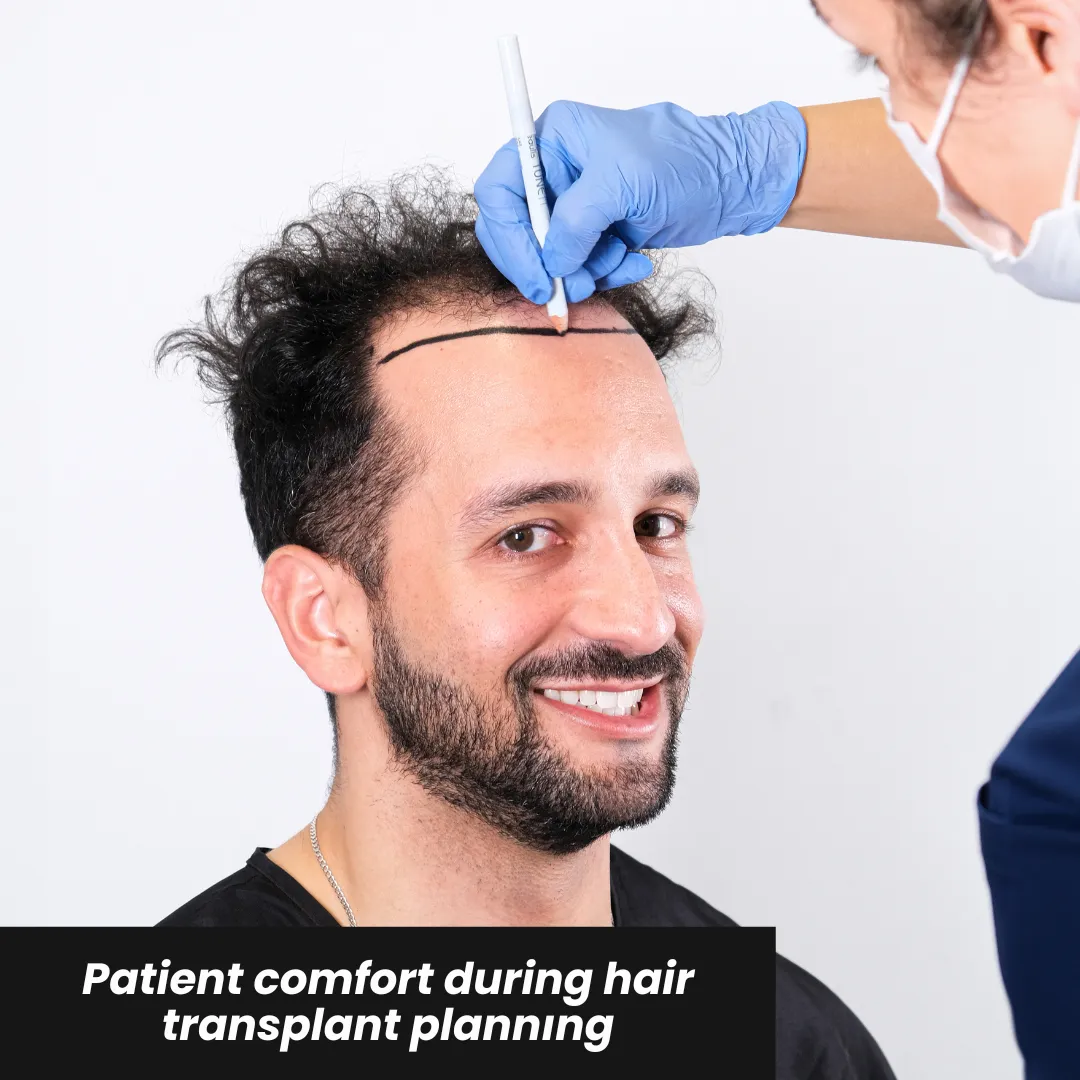
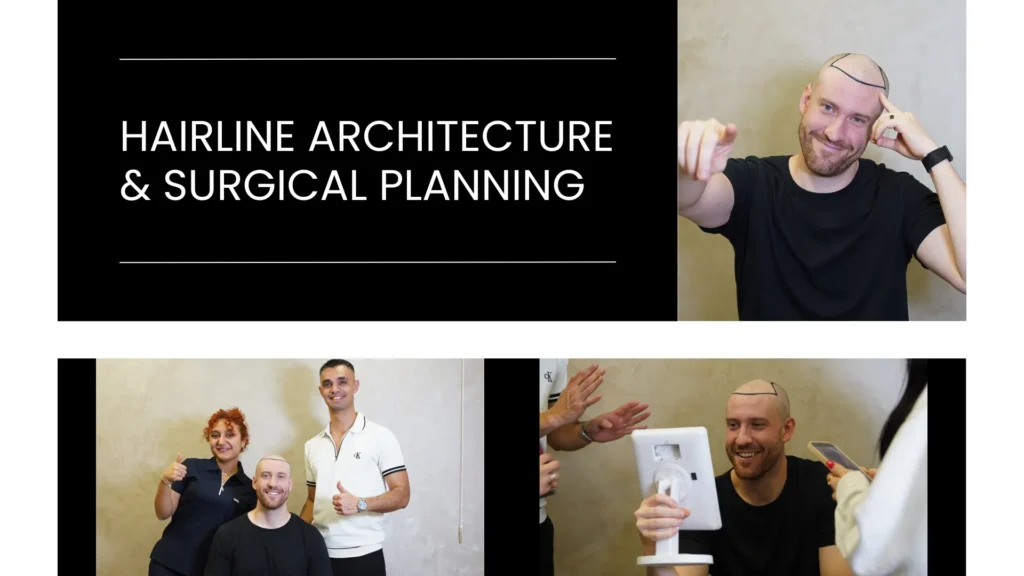
Hairline planning before a hair transplant
How Local Anesthesia Works for Hair Transplants
The anesthetic, usually lidocaine, is injected into the donor and recipient areas. Once it takes effect, most patients feel only light pressure. How to prepare before the operation.
The Patient Experience with Local Anesthesia
You stay awake and can talk with the team throughout. After the first injections the session is usually calm.
Is Local Anaesthesia Without Pain?
Not entirely. With hair transplant anaesthesia the injections sting for about the first 60 seconds, like a dentist numbing the gums; sedation keeps you more relaxed while it is given.
The Importance of Anesthesia in Hair Restoration
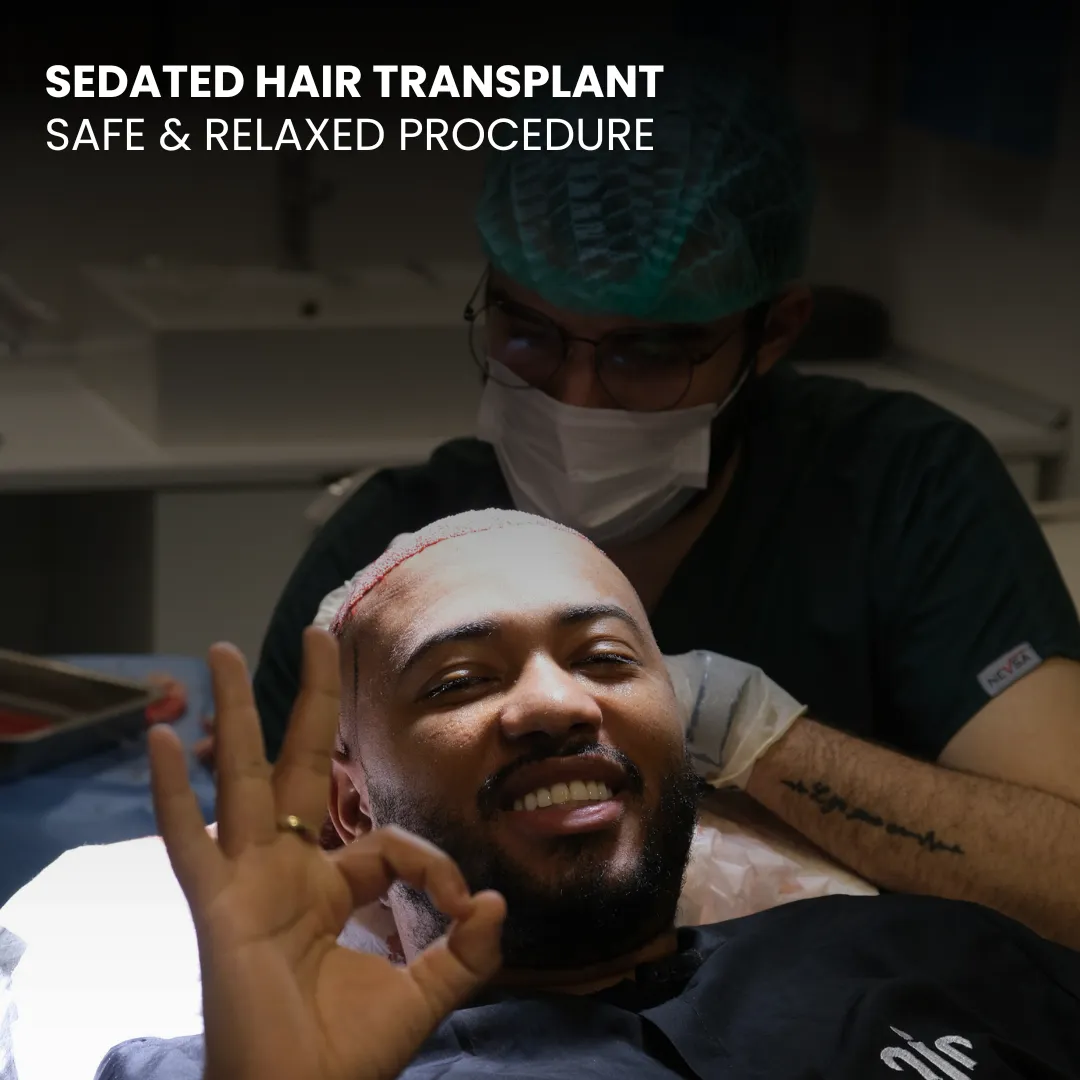
Sedated Hair Transplant Safe
Why Is Anesthesia Important During Hair Transplant?
Thousands of small extractions and placements are only workable when the scalp is numb. Good anesthesia keeps you still, so each graft can be placed at the right angle and depth.
Needleless Anesthesia: A Modern Approach
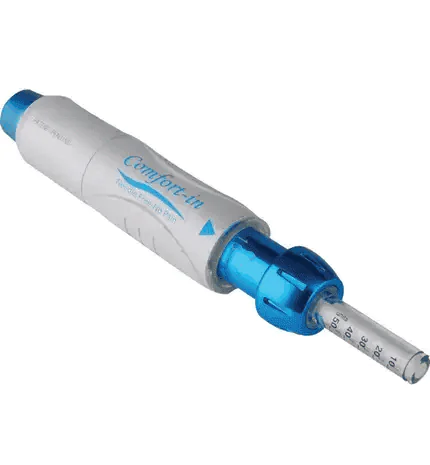
Needle-free injectors, like the device pictured, deliver the anesthetic without a needle. Some clinics sell them as a paid upgrade, so ask whether one is in your quote.
Needle-free anesthesia injector
General Anesthesia: When Is It Used?
Clinical Safety Standards In Turkey
Under general anesthesia you are fully asleep and your airway is managed by an anesthesia specialist. It is used for larger operations such as rhinoplasty or a tummy tuck, not for our hair transplant plans.
Other Anesthesia Options and Considerations
Between those two sits sedation with local anesthesia. Tell the team about heart or lung conditions, your medication and any earlier reaction to an anesthetic.
Making an Informed Decision: Your Anesthesia Choice
If you are comparing hair transplant sedation Turkey offers, ask who gives and monitors the sedation and which medications are used. With us, an anesthesiologist manages it and it is included in every package.
How Does the Sedated Hair Transplant Procedure Work?
Sedated Hair Transplant Procedure Work
Step 1: Medical Evaluation & Anesthesia Clearance
Before the procedure, patients go through a comprehensive medical evaluation to assess overall health, hair loss patterns, and suitability for sedation.
Step 2: Hair Transplant Procedure Under Sedation
Once sedation and anesthesia are in effect, surgeons begin the hair transplant procedure. Follicular units are carefully extracted from the donor area and implanted in thinning or balding regions.
Step 3: Recovery and Same-Day Discharge
After the procedure, patients are monitored for a short recovery period to ensure sedation wears off safely. Most sedated hair transplant patients can be discharged the same day.
Frequently Asked Questions About Sedated Hair Transplant
Is a Hair Transplant Painful?
Usually less than people expect. Local anesthesia numbs the scalp, so most of the discomfort comes from the first injections, which last about 60 seconds. After that most patients feel only light pressure, and soreness in the first days is managed with basic painkillers.
Can You Be Sedated for Hair Transplant?
Yes. Conscious sedation can be added to a FUE or DHI hair transplant under local anesthesia, and sedation support is included in all our packages. You stay relaxed but responsive while your breathing is monitored. Certain heart or lung conditions may rule it out.
Does Hair Transplant Require Anesthesia?
Yes. Grafts are taken from and placed into the scalp, so the donor and recipient areas must be numb. The standard is local anesthesia, which lets you stay awake throughout. Sedation is an optional addition for comfort.
Is Sedation Necessary for Hair Transplant?
No. Local anesthesia alone numbs the scalp, and sedation is added on request, often for anxiety, a low pain tolerance or a long session. Sedation does not affect the follicles or the long-term growth of transplanted hair, so the choice is about comfort.
What Kind of Anesthesia Is Used for Hair Transplant?
Local anesthesia, usually lidocaine, numbs the donor and recipient areas. For sedation, mild sedatives and anti-anxiety medication are given intravenously. Allergy to lidocaine is rare, and the team reviews your medical history and any earlier reaction to an anesthetic first.
How Long Does Anesthesia Last After Hair Transplant?
Sedation wears off soon after the session. You are monitored for a short recovery period, and most patients leave the clinic the same day once their vital signs are stable. Temporary numbness in the donor or recipient area is common in the first days.
Will I feel any pain during the injections?
Usually a little. Patients compare the first 60 seconds or so of injections to a dentist numbing the gums. Once the scalp is numb, most patients feel only light pressure, and sedation helps you stay relaxed during this stage.
What if I move during the procedure?
Sedation keeps patients calm and still, which lets the surgeons work precisely through a long session. Because conscious sedation leaves you responsive, you can still talk with the team, so tell them first if you need to move.
Free Sedated Hair Transplant Assessment
Not sure whether you need sedation? Send three photos of your front, top and sides. The medical team will tell you which technique suits you, your likely graft range and whether sedation is advised, free and with no obligation: get your free hair analysis or ask us on WhatsApp. You can also check your stage first with the Norwood test.
Sources and medical review
The clinical statements on this page draw on the following published literature and professional body guidance:
Send three photos: front, top and sides. You get a technique recommendation, a graft range and a straight answer about what is achievable, before anyone talks about price.
Your details are with the team
A patient coordinator will get back to you shortly. If you would like to send your photos now, WhatsApp is the fastest way to do it.
We respond quickly, day or night, in your language.
Multilingual team, no obligation
Data protectedKVKK and GDPR compliant, 100% confidential
Authorized Health Tourism Intermediary
Turkey Hair Center is the hair-restoration brand of Healthy Way Tourism, an authorized international health-tourism intermediary. All medical procedures are performed by licensed medical professionals at authorized healthcare facilities in Turkiye, in accordance with the regulations of the Ministry of Health.