Performed at authorized partner hospitals Turkey Hair Center is a Ministry of Health authorized health-tourism intermediary, not a clinic.
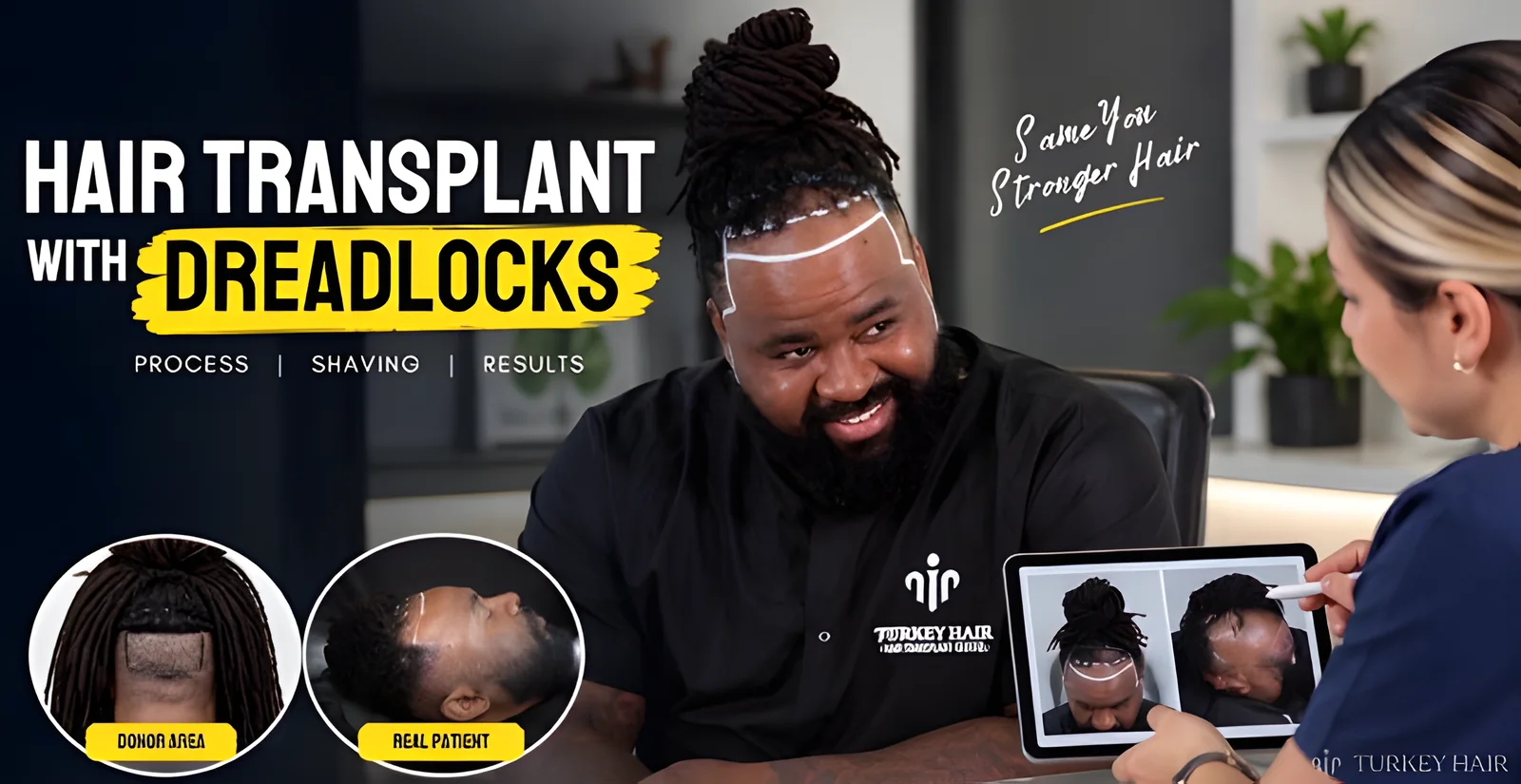
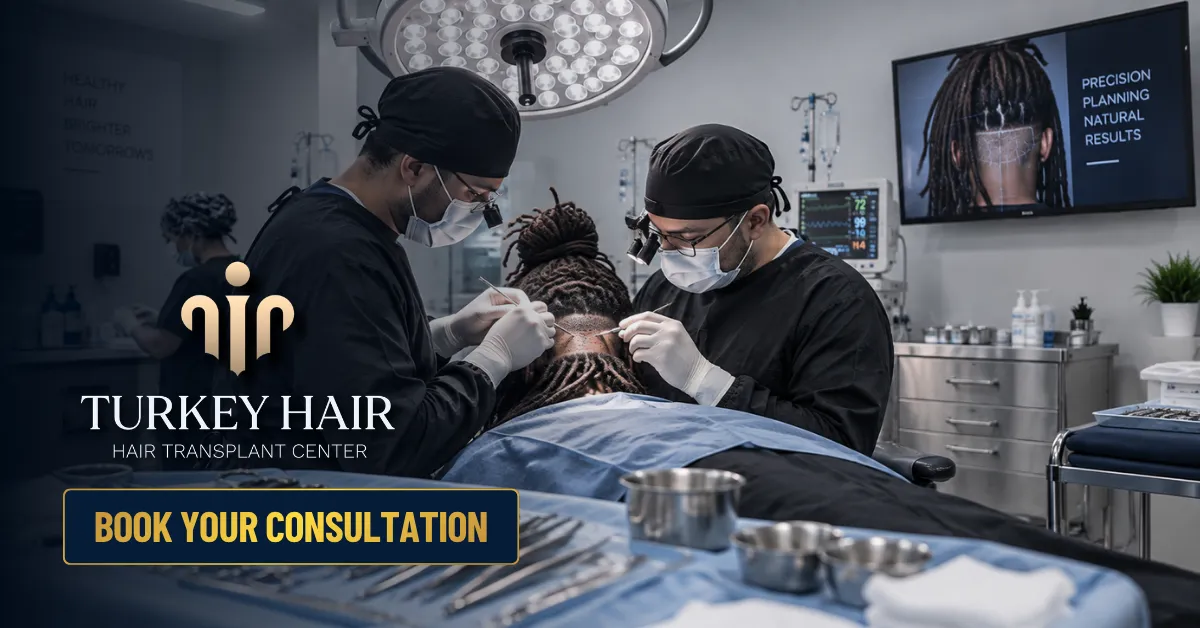
A hair transplant with dreadlocks is a customized surgical procedure designed to restore thinning areas while accommodating your existing locs. Surgeons often utilize a partial shave at the back of the head to safely extract healthy follicles while leaving the top and front locs intact. Because Afro-textured roots curve beneath the skin, the medical team typically requires specialized extraction techniques to help prevent graft damage. Comprehensive packages in Turkey generally range from approximately $2,550 - $4,500, depending on graft requirements and physician involvement. Before any surgery takes place, a personalized clinical assessment is strictly necessary to confirm candidate suitability, map natural growth angles, and evaluate darker skin healing risks.
Quick Answer: What Is a Hair Transplant with Dreadlocks?
Restoring hair when you have dreadlocks requires a tailored medical approach rather than a standard surgical template. The clinical team must navigate around existing hair while preserving donor density.
Many patients initially try balding haircuts to mask their thinning. But as hair loss progresses along the Norwood scale, a lasting surgical solution often becomes necessary. Restoring hair around existing locs means the doctor must evaluate if your dreads can stay completely untouched, if a partial shave is required, and how to safely manage your specific curl pattern.
Can Dreadlocks Be Kept During a Hair Transplant?
Yes, in many selected cases. The medical team works around the locs to isolate the thinning zones. During the procedure, existing dreadlocks are typically tied or taped away from the surgical field to maintain a sterile working environment.
When Partial Shaving May Be Needed
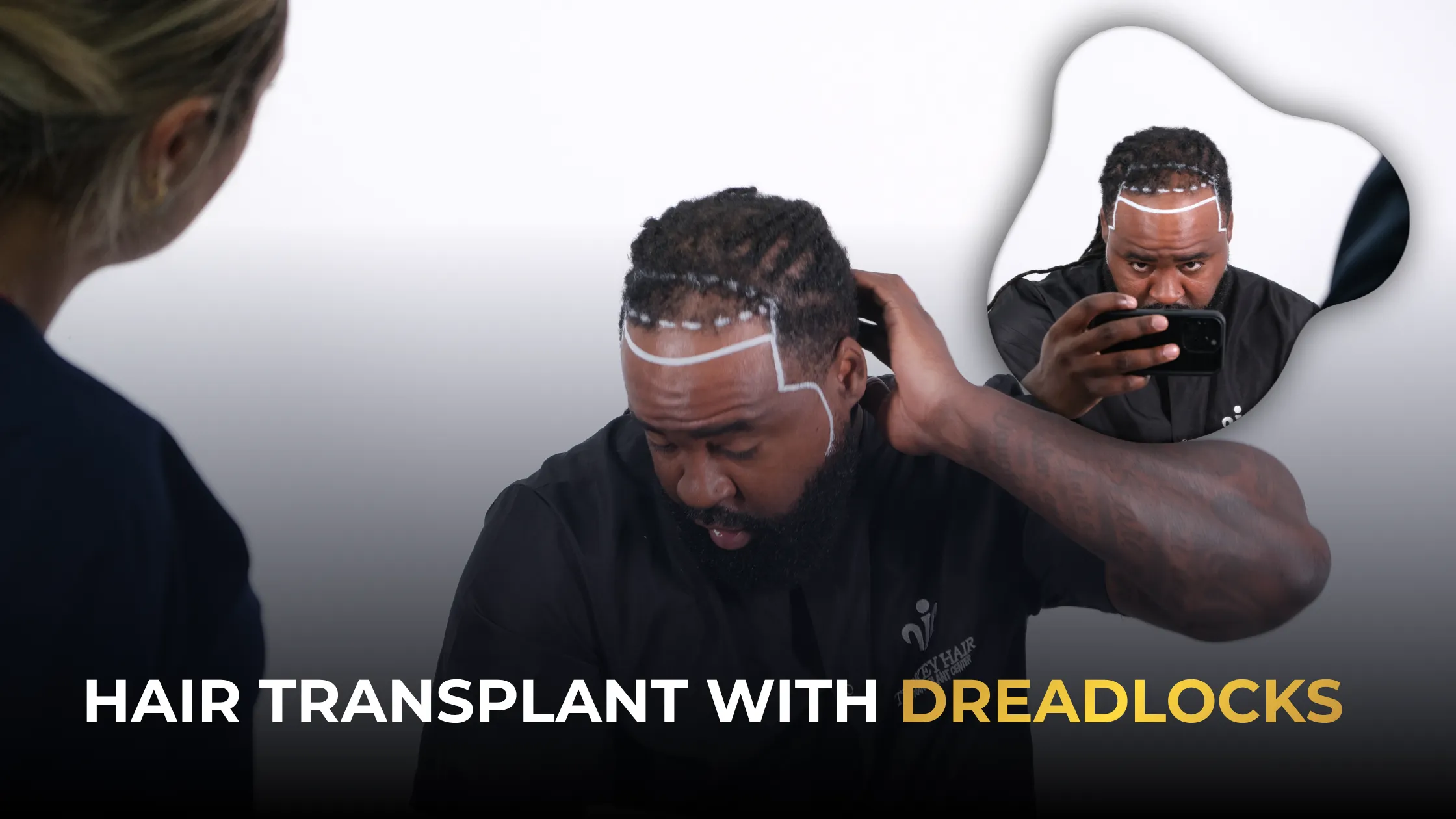
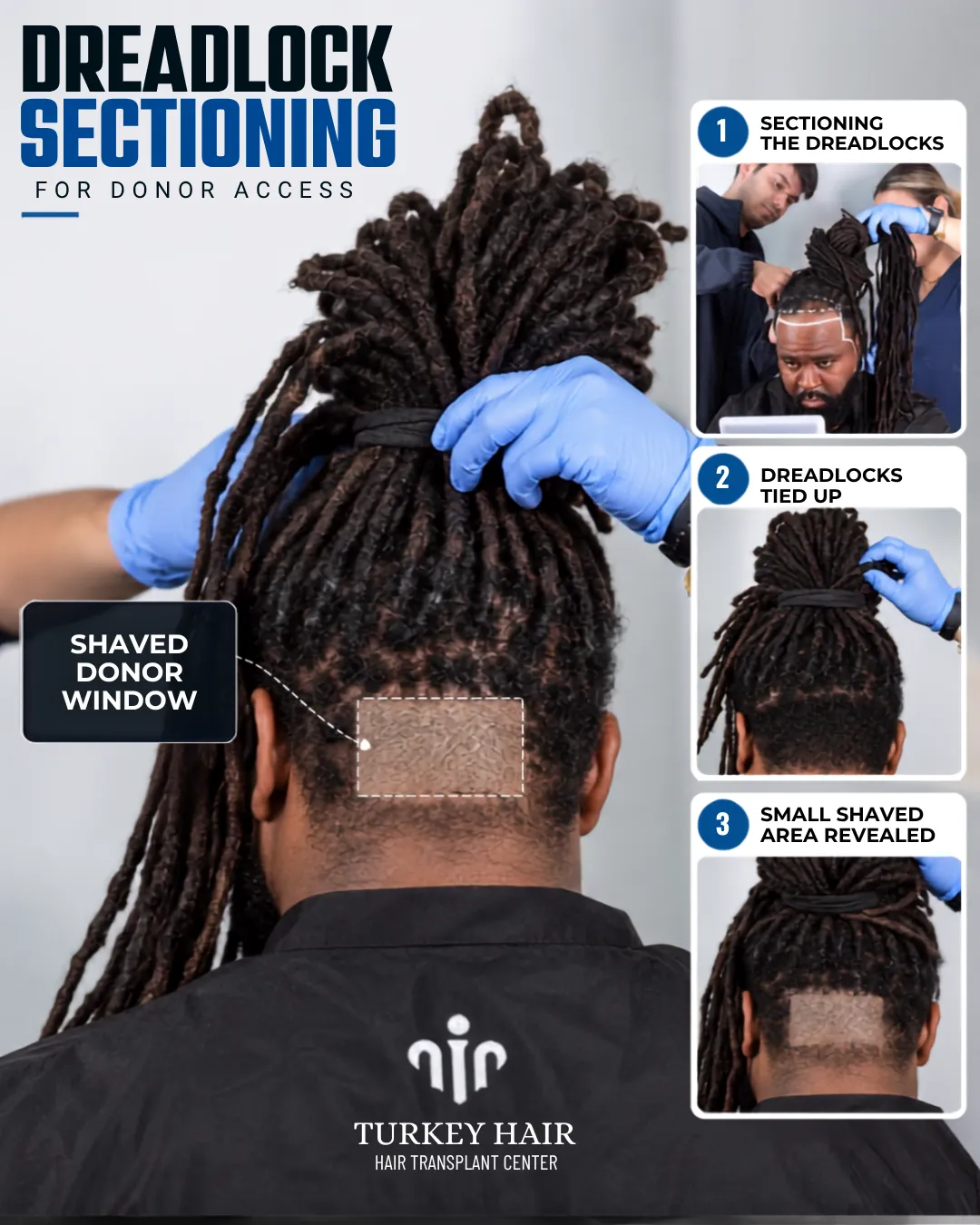
A partial shave is frequently recommended for the donor area. This creates a small, shaved window at the back of the scalp to give the surgeon clear access to healthy grafts. Once the procedure is finished, your longer locs can usually fall back over the area to conceal the shaved patch.
Why Curly or Afro Hair Needs Specialist Planning
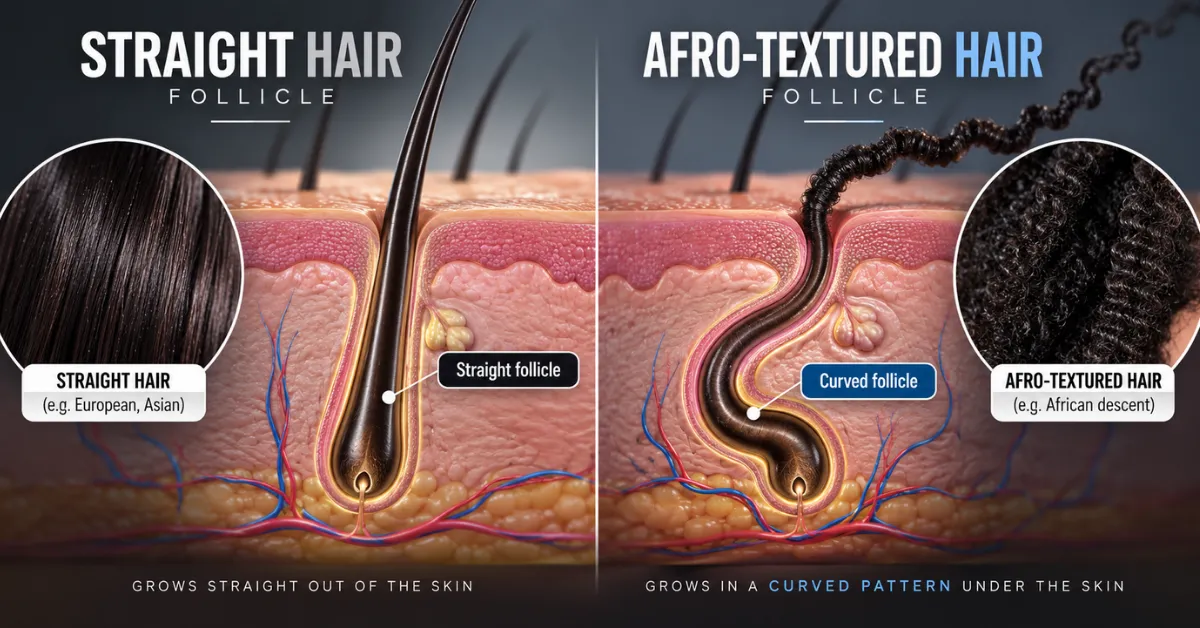
Afro hair transplant. Afro-textured hair presents unique technical challenges during extraction because follicular orientation differs beneath the scalp. Research suggests that skin thickness and firmness can also heavily influence graft attrition during extraction for patients of African descent . A tailored surgical plan is strictly required to manage these variables safely.
Do You Need to Shave Your Dreadlocks for a Hair Transplant?
Shaving is a major concern for patients with locs. Going completely bald is not always a medical requirement.
Full Shave vs Partial Shave
A full shave offers the surgical team the easiest access and visibility. A partial shave, however, is often highly effective for patients who want to conceal the surgery. By shaving only a specific donor window, your existing dreads remain largely untouched to camouflage the healing skin.
No-Shave Hair Transplant with Dreadlocks
Completely no-shave hair transplant procedures may exist for very specific cases. If the recipient area is bare and clearly visible, doctors can sometimes implant new grafts between existing locs without shaving the recipient zone. These sessions are usually limited to smaller graft counts.
When Keeping Locs May Limit the Procedure
Dense dreadlocks can physically block surgical access. This becomes a critical issue for high-count sessions requiring 2,500 to 3,000 grafts or more. Trying to extract a high volume of curly follicles homogenously through a small, partially shaved window between locs is extremely risky. It often leads to severe over-harvesting and visible scarring anomalies in that specific patch. For high-count Afro or dreadlock cases, a full donor shave increases surgical success immensely. It prevents heterogeneous thinning and protects the long-term integrity of the donor area.
Is Curly or Afro Hair Suitable for Hair Transplant with Dreadlocks?
Curly and Afro-textured hair is entirely suitable for surgical restoration. Whether you have loose waves or tightly coiled 3c hair, the unique biology of the follicles simply demands specific surgical expertise.
Curved Follicles and Extraction Difficulty
The primary challenge lies under the skin. Afro-textured roots curl into the subcutaneous fat layer. Standard extraction tools used without adjusting depth and angle can easily increase the risk of follicular transection, which means accidentally cutting the graft.
Curl Direction and Hairline Design
Hairline design should account for the patient's natural facial proportions, age, and existing curl pattern. Natural integration depends on matching the exact angle and direction of the native hair rather than applying a generic template.
Darker Skin Healing Considerations
Darker skin types require a highly specific approach to prevent complications. Post-inflammatory hyperpigmentation (PIH) is a major risk after the incisions. Protecting both the donor and recipient areas from UV rays is absolutely vital. Patients must wear protective hats or specific sunscreens for at least the first three months to help prevent permanent dark spots.
Keloid scarring is another serious factor. If a patient has a suspected history of keloids, jumping straight into a full transplant is a bad idea. Instead, doctors typically perform a "test punch" involving just 5 to 10 grafts in a hidden donor area. The medical team waits two to three months to observe the tissue healing. If no keloid forms, the main surgery gets the green light.
Best Methods for Hair Transplant with Dreadlocks: FUE, DHI and FUT
Selecting the right surgical method is critical. The approach must align with the patient's donor characteristics, hair texture, and the surgical team's specific experience.
FUE Hair Transplant with Dreadlocks
FUE hair transplant
Follicular Unit Extraction (FUE)
isolates and removes grafts one by one. It pairs very well with a partial shave. To manage coily hair safely, surgeons often utilize specialized punches and adapt their extraction depth to minimize transection risks.
DHI Hair Transplant with Dreadlocks
Direct Hair Implantation (DHI) uses a specialized implanter pen to place extracted grafts into the recipient area. It may offer greater control over graft placement and implantation angle in selected cases, particularly when working between existing hairs or around established locs.
FUT Hair Transplant with Dreadlocks
The strip method (FUT) removes a linear piece of the scalp. While dreadlocks can easily hide the resulting linear scar, many younger patients opt for FUE to avoid a restricted recovery period. FUT remains a viable option depending on clinical assessment.
Hair Transplant with Dreadlocks Cost
Budgeting for a hair transplant requires looking past generic online estimates. You need to understand what actually drives the final clinical price.
What Affects the Price?
Prices fluctuate based on graft requirements, regional economies, and who performs the surgery. Adapting the shave plan for dreadlocks can also extend operating room time, which may impact the overall fee.
Cost Factor
How It Impacts Your Price
Graft Volume
Larger treatment areas require more surgical time.
Surgical Technique
DHI or specialized curl-safe FUE may carry premium pricing.
Doctor Involvement
Surgeries led entirely by a physician typically cost more.
Package Inclusions
Accommodations, transfers, and post-operative meds vary by clinic.
How Much Do 3,000 Hair Grafts Cost?
A 3,000-graft session represents a substantial procedure. In the US or UK, this volume usually requires a significant investment. In international medical hubs, prices may be more accessible due to different regional economic structures, though clinical quality varies widely.
Turkey Hair Transplant Package
Turkey is widely associated with package-based medical tourism pricing, where surgery, accommodation, transfers, and aftercare services may be bundled into one quote. At Turkey Hair Center, current package prices vary by technique and treatment plan, with published packages generally ranging from approximately $2,550 - $4,500 [5]. Complex cases involving dreadlock preservation or specialized extraction planning may require a personalized quote.
Hair Transplant with Dreadlocks Before and After
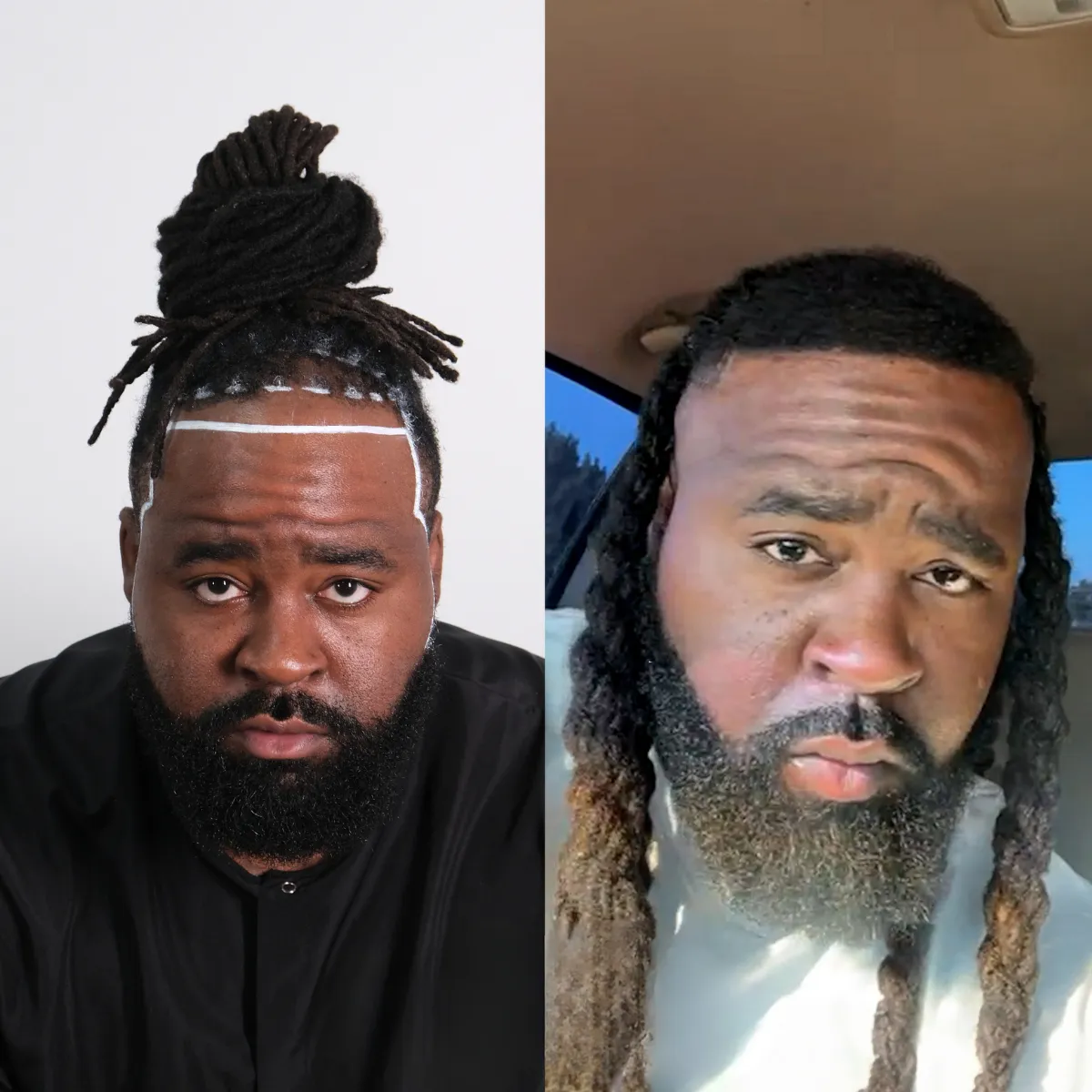
Reviewing hair transplant before and after results is an essential step for any patient considering a hair transplant. It provides a realistic expectation of what can be achieved and helps in evaluating the clinic's expertise with Afro-textured hair.
Recovery After Hair Transplant with Dreadlocks
Understanding the hair transplant recovery timeline is crucial for patients with dreadlocks, as specific aftercare instructions are necessary to protect both the newly transplanted grafts and existing locs.
Hair Transplant with Dreadlocks Before and After
Reviewing clinical portfolios is a necessary step. You must know how to identify realistic, unaltered surgical outcomes.
What Realistic Results Look Like
Visible growth usually begins around month three or four. Six months is still an early phase. To judge a final, mature cosmetic result, patients should evaluate timelines extending from 12 to 18 months post-surgery.
Hair Transplant Before and After for Black Men
Pay close attention to hair transplant before and after results examples that match your specific demographic. Afro-textured hairline shapes, curl integration, and donor area healing are distinct. The clinic should demonstrate a clear, verifiable track record with coily hair.
How to Evaluate Before-and-After Photos
Look for consistency. The lighting, patient angle, and hair length should remain similar in both photos. Dreadlocks can sometimes create an illusion of density compared to a shaved head. Examine the hairline borders and donor area closely.
Can You Get Dreads or Braids After a Hair Transplant?
Styling your newly restored hair is exciting. Applying tension too early, however, can permanently damage the fragile new grafts.
Can You Braid Transplanted Hair?
Transplanted follicles need adequate time to anchor securely into the scalp. Braiding applies immense tension. Patients are advised to avoid braiding the recipient area until they receive specific clinical clearance, which generally takes several months.
When Can You Retwist Locs?
The same medical logic applies to retwisting. Early twisting can irritate the scalp and compromise graft survival. You must wait until the roots are completely secure and the surrounding tissue is fully healed.
When Can You Get Dreads After a Hair Transplant?
Starting new dreads requires mature, thick hair. This process usually takes over a year. However, if active traction alopecia caused your initial hair loss, the rules change entirely. A transplanted follicle cannot withstand continuous pulling forces. Attaching heavy locs to delicate new grafts will inevitably trigger permanent root loss all over again.
Recovery After Hair Transplant with Dreadlocks
The surgical phase sets the foundation. Your compliance with aftercare protocols heavily influences the final cosmetic outcome.
What to Do After Surgery
Keep your hands off the grafts. You need to avoid any rubbing, stretching, or direct physical impact on the recipient area while it heals.
Washing, Scabs and Shedding
Your clinic will give you very specific washing instructions. Follow them exactly. Tiny scabs will appear around the new grafts. Within the first few weeks, you might also experience shock loss. This is just the temporary shedding of the transplanted hairs. Do not panic. It is a completely normal part of the hair's natural growth cycle.
When Can You Get a Haircut?
You can usually trim the donor area with scissors after a few weeks, but only if your doctor clears it. Keep clippers and razors far away from the recipient area until your surgeon confirms the grafts are fully locked in.
When Will You See Final Results?
You have to be patient. Early, thin fuzz usually starts showing up between months 3 and 6. After that, the hair slowly thickens. You will see the final, mature results around the 12 to 18-month mark.
Can You Use Rogaine or Hair Loss Treatments with Dreadlocks?
Medications help keep the native hair you still have. But applying them properly through thick dreadlocks takes a bit of extra effort.
Rogaine with Dreadlocks
Minoxidil (Rogaine) must reach the scalp directly to be effective. Thick locs can absorb the liquid or foam. This makes the application process tedious and potentially less effective if the medication only sits on the hair shaft.
Minoxidil and Scalp Access
To use topical solutions, patients must carefully part their locs to expose the skin. Some consult their doctor about alternative forms of medication if topical application proves too difficult.
DHT Blockers, Finasteride and Long-Term Maintenance
Oral medications like finasteride address the hormonal pathways of genetic hair loss. While they may help slow ongoing thinning, they require a prescription and a thorough medical consultation regarding potential side effects.
What Disqualifies You from a Hair Transplant with Dreadlocks?
Surgical intervention is not appropriate for everyone. Certain medical and anatomical factors can delay or prevent a hair transplant entirely.
Poor Donor Area
If the donor zone lacks sufficient density or healthy follicles, surgery may not be viable. A surgeon cannot create new donor hair. They can only redistribute what is available.
Active Scalp Conditions
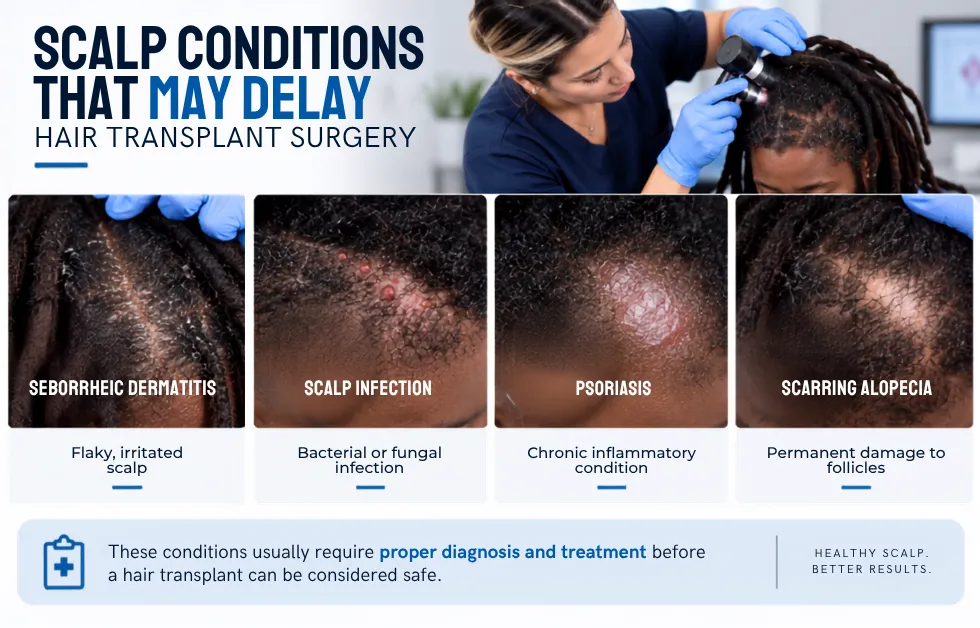
Active scalp inflammation, severe dermatitis, infection, or uncontrolled dermatological conditions typically require stabilization before hair transplantation is considered safe.
Unrealistic Expectations or Unsafe Styling Habits
Expecting teenage density? Surgery won't give you that. More importantly, your everyday styling habits dictate whether those new grafts actually survive. If tight styling and active traction alopecia caused your hair loss in the first place, you have to change your routine. You must agree to permanently alter your hairstyle or ditch heavy locs altogether. If you refuse to make that compromise, doctors should not operate on you. Transplanted hair simply cannot survive constant mechanical pulling.
What Happens 10 Years After a Hair Transplant with Dreadlocks?
Hair restoration is a massive long-term investment. You need to understand how transplanted hair actually ages to set realistic expectations for the future.
Are Transplanted Hairs Permanent?
Yes, for the most part. Donor hairs naturally resist genetic balding. But remember that long-term results still vary from person to person. Your unique genetics and how well you keep up with medical treatments will ultimately decide how your hair looks a decade later.
Can Baldness Continue After Surgery?
Yes. The native hair surrounding the transplanted area may continue to thin over time. If heavy dreadlocks continue to pull on the scalp, traction alopecia can still damage both native and transplanted hairs.
Will You Need a Second Procedure?
Many patients eventually return for a secondary procedure years later to address new areas of thinning behind the restored hairline. Preserving the donor area during the first surgery is crucial for this reason.
Alternatives and Future Hair Loss Treatments
Surgery is a major step. Depending on the extent of hair loss, less invasive alternatives might align better with your lifestyle.
Partial Hair Transplant
For early-stage recession, a smaller, partial hair transplant focusing strictly on the temporal peaks or hairline can be an excellent option.
Scalp Micropigmentation and Medical Therapy
Scalp Micropigmentation (SMP) uses medical-grade pigment to create the illusion of density. This works well under locs. Medical therapies may also slow down the progression of hair loss for some patients.
Will Baldness Be Cured Soon?
Regenerative medicine and stem cell research continue to advance rapidly. There is currently no absolute cure for baldness. Current management relies on proven surgical redistribution and FDA-approved medical therapies.
How to Choose the Right Clinic for Hair Transplant with Dreadlocks
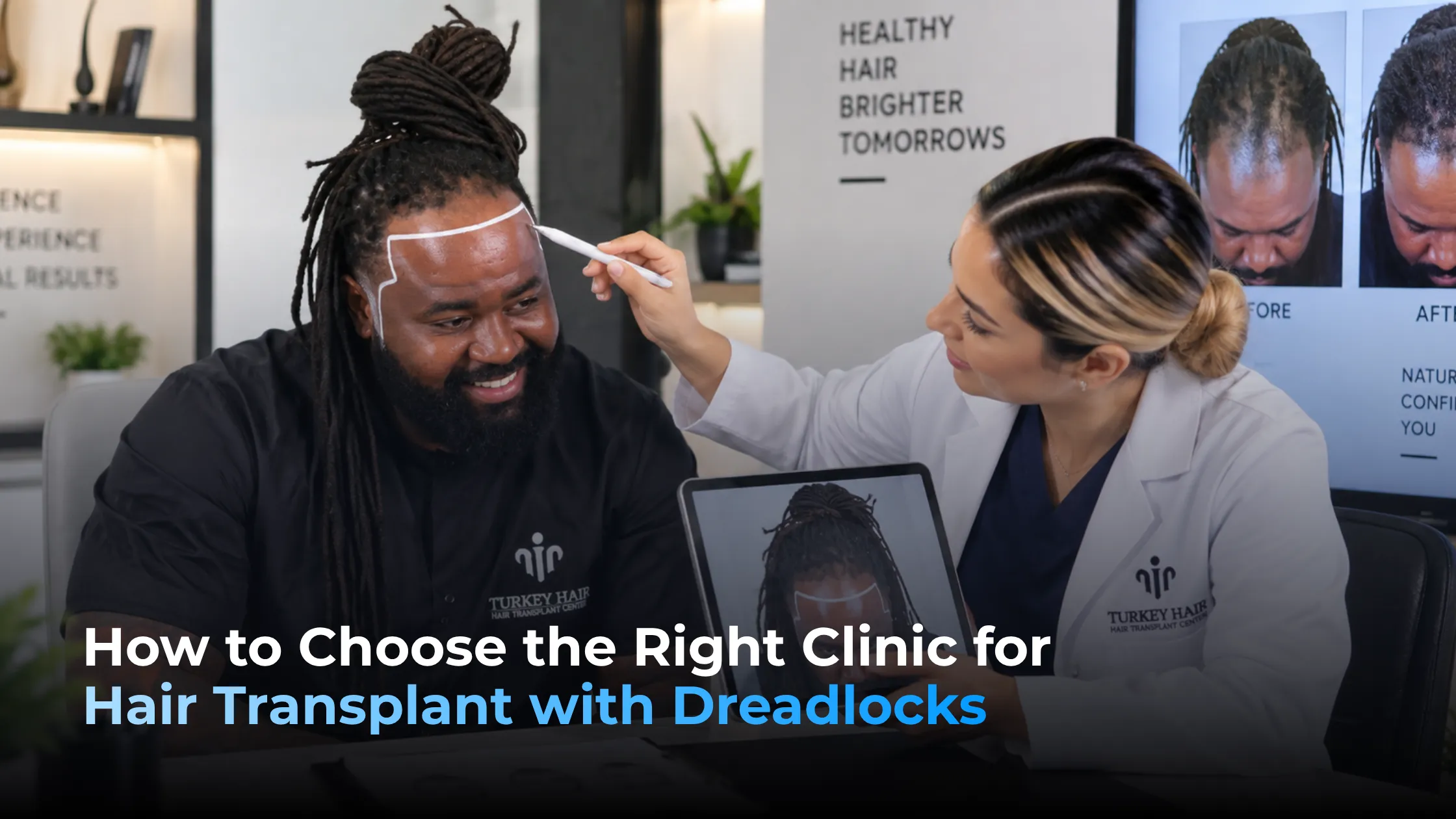
Selecting a qualified clinic is a critical decision in the hair restoration process. Thorough vetting helps minimize surgical risks.
Afro and Curly Hair Experience
The clinic must have demonstrable experience with textured hair. Extracting coily roots requires specific technical skills that differ significantly from managing straight hair.
Doctor-Involved Extraction and Incisions
Inquire about who performs the critical steps of the surgery. Clinics where a qualified physician handles or closely supervises the extraction and incision phases often provide higher clinical safety.
Before-and-After Proof
Request verifiable clinical evidence. Look for before-and-after cases featuring patients with similar hair textures, skin types, and styling habits.
Questions to Ask Before Booking
Are the pricing structures transparent? Does the clinic offer long-term post-operative guidance? Be cautious of clinics offering absolute guarantees without conducting a thorough preliminary medical assessment.
Frequently Asked Questions
Robotic Hair Transplant: Is It Suitable?
Robotic systems are highly advanced, but they may face technical limitations with curly or coily hair. Algorithms can sometimes misjudge the subcutaneous curve of Afro-textured hair. This potentially increases the risk of graft damage during extraction compared to a highly experienced human surgeon.
Final Verdict: Is Hair Transplant with Dreadlocks Worth It?
If you are an appropriate candidate and select an experienced surgical team, a hair transplant with dreadlocks may be a viable and effective option.
Clinical success depends on multiple components. Your donor area capacity, the structure of your locs, your specific curl pattern, and the chosen extraction technique all influence the final outcome. Some patients can retain their locs completely untouched during the extraction phase. But many patients have to have a partial shave in the donor zone to ensure safe graft harvesting.
The most critical factor is the clinical expertise of your surgeon and medical team. Choosing a transparent, medically vetted team helps decrease avoidable risks. It preserves precious donor resources and improves the likelihood of a natural-looking aesthetic result.
About the Author
Nazmi G. holds extensive practical experience in clinical graft distribution, non-surgical trichological evaluation, and international patient consultation. He creates educational content focused on donor area management, curl-safe extraction planning, and ethical medical travel.
Medical Review Note
This article was medically reviewed for clinical accuracy in August 2026. This content does not replace a personalized medical diagnosis or a formal price quote. Suitability for a hair transplant with dreadlocks is determined by donor area capacity, traction alopecia history, scalp health, skin type, and a professional clinical evaluation.
Editorial Policy & Trust
We prioritize medical clarity and factual reporting. Dreadlocks hair transplant results vary based on hair type, graft count, shaving plans, technique, and strict aftercare compliance. We strictly avoid unverified promotional claims such as "no shave guaranteed," "scar-free guarantee," or "100% success," focusing entirely on patient safety, donor preservation, and informed consent.
Medical disclaimer: This article is for informational purposes only and is not medical advice. Individual results vary from person to person. Always consult a qualified doctor before any hair transplant procedure.
Send three photos: front, top and sides. You get a technique recommendation, a graft range and a straight answer about what is achievable, before anyone talks about price.
Your details are with the team
A patient coordinator will get back to you shortly. If you would like to send your photos now, WhatsApp is the fastest way to do it.
We respond quickly, day or night, in your language.
Multilingual team, no obligation
Data protectedKVKK and GDPR compliant, 100% confidential
Authorized Health Tourism Intermediary
Turkey Hair Center is the hair-restoration brand of Healthy Way Tourism, an authorized international health-tourism intermediary. All medical procedures are performed by licensed medical professionals at authorized healthcare facilities in Turkiye, in accordance with the regulations of the Ministry of Health.