Reasons for Hair Loss: Common Causes, Symptoms & What to Do
Discover the main reasons for hair loss, from genetics and stress to nutrient deficiencies. Learn the difference between hair shedding and hair loss.
Performed at authorized partner hospitals Turkey Hair Center is a Ministry of Health authorized health-tourism intermediary, not a clinic.
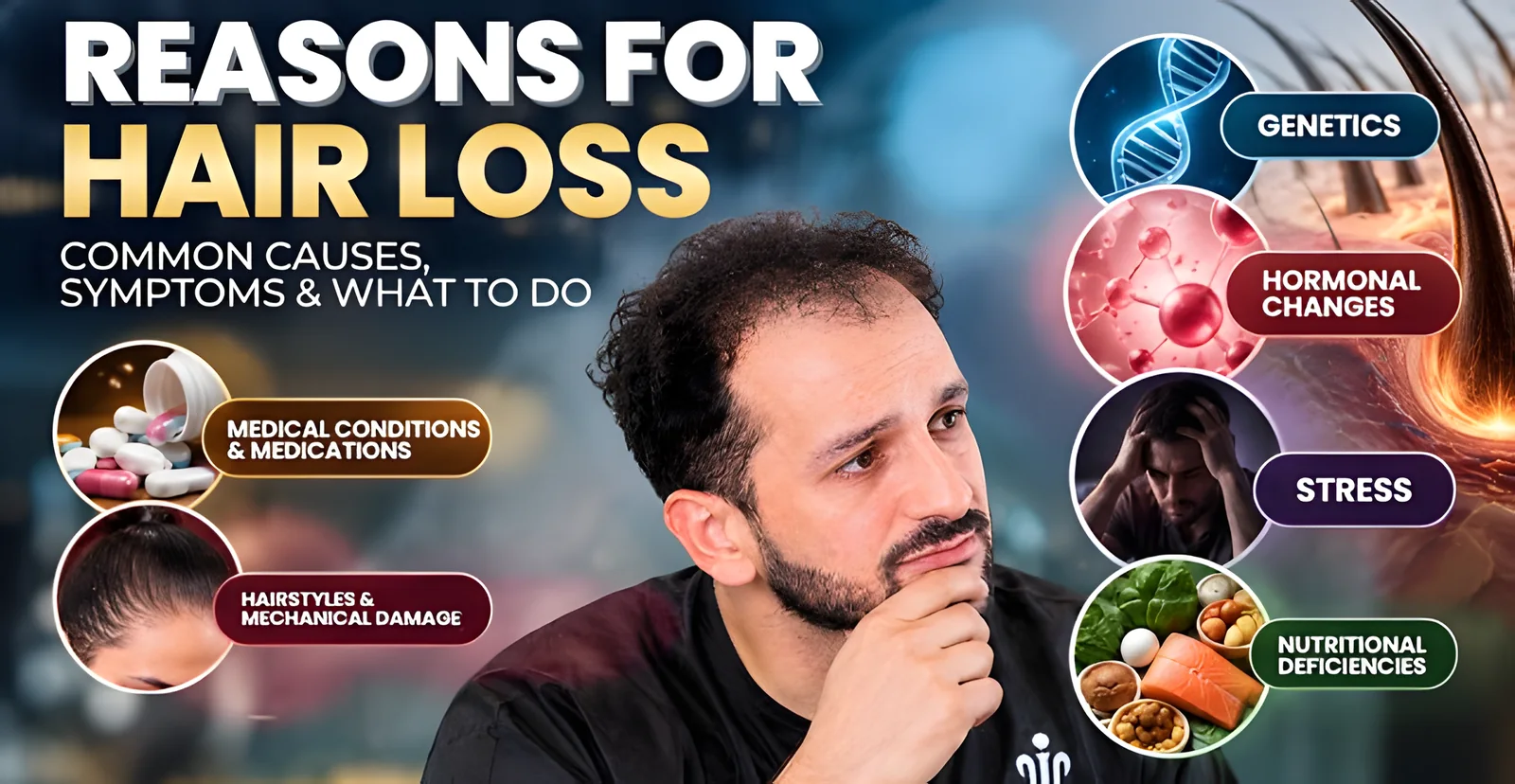
What's actually causing your hair to fall out? Most of the time, it comes down to a few usual suspects: your genetics, wacky hormones, extreme stress, or missing nutrients in your diet. Sometimes it's a side effect of medication or an autoimmune flare-up; other times, it's just from pulling your hair back too tight for years.
The thing is, some of these just cause a temporary shedding phase. Others slowly kick off permanent hair loss. Getting it to grow back completely depends on what's going on underneath your scalp. You have to figure out the real root cause first.
What Are the Main Reasons for Hair Loss?
Trying to figure out why your hair is falling out is beyond frustrating. It feels incredibly personal.
But here's the reality.
Clinically speaking, your scalp is usually just reacting to something else-an internal shift, a sickness, or outright physical damage. You can't fix it until you nail down the trigger.
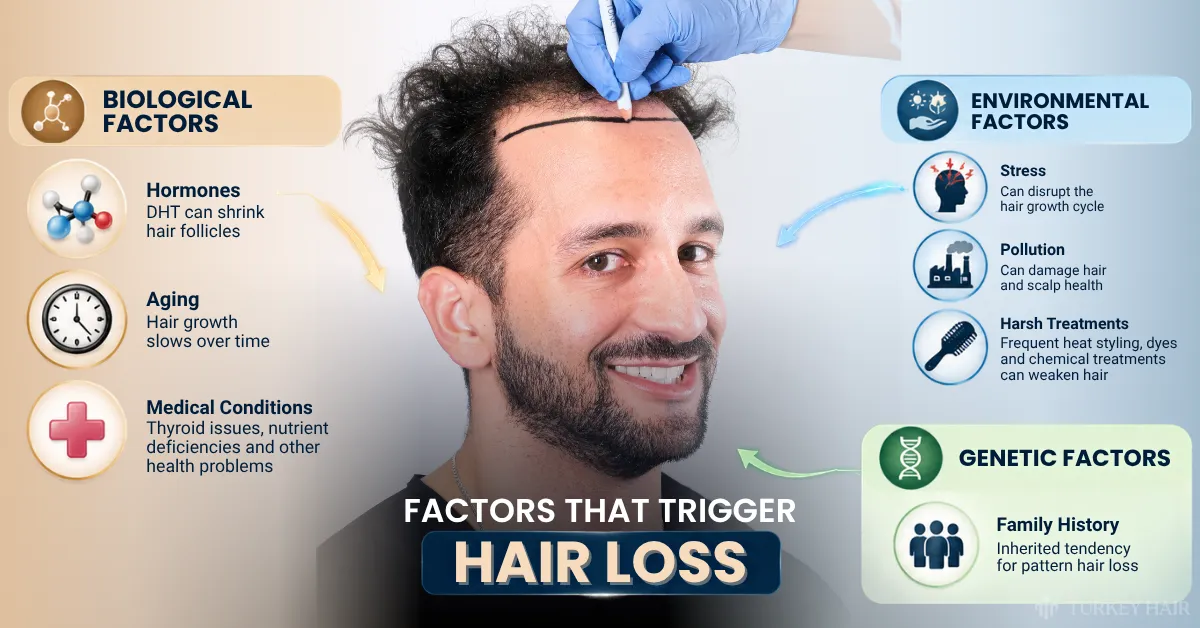
Hereditary Factors
Genetics drive a huge chunk of thinning cases worldwide. And yes, it hits both men and women-though the way it plays out over time looks totally different depending on your gender.
Hormonal Shifts
Your hormones run the show when it comes to the hair cycle. When that balance gets thrown off (think pregnancy, menopause, or a thyroid going haywire), your hair is usually the first place to show it.
Physical and Emotional Stress
Pushing yourself to the brink physically or mentally? Your hair cycle will just shut down.
Lots of follicles get shoved straight into a resting phase. Weirdly enough, you won't even see the fallout right away. The heavy shedding usually doesn't show up until months after you went through the actual stress.
It takes time.
Nutritional Deficiencies
What you eat actually matters. Running low on the heavy hitters-like iron or zinc-can absolutely ramp up how much hair you leave in the shower drain.
Medical Conditions and Medications
Some autoimmune issues (like alopecia areata) go rogue and specifically attack your hair follicles. On top of that, harsh prescription meds-chemo being the most famous example-are notorious for kicking off rapid shedding.
Hairstyles and Mechanical Damage
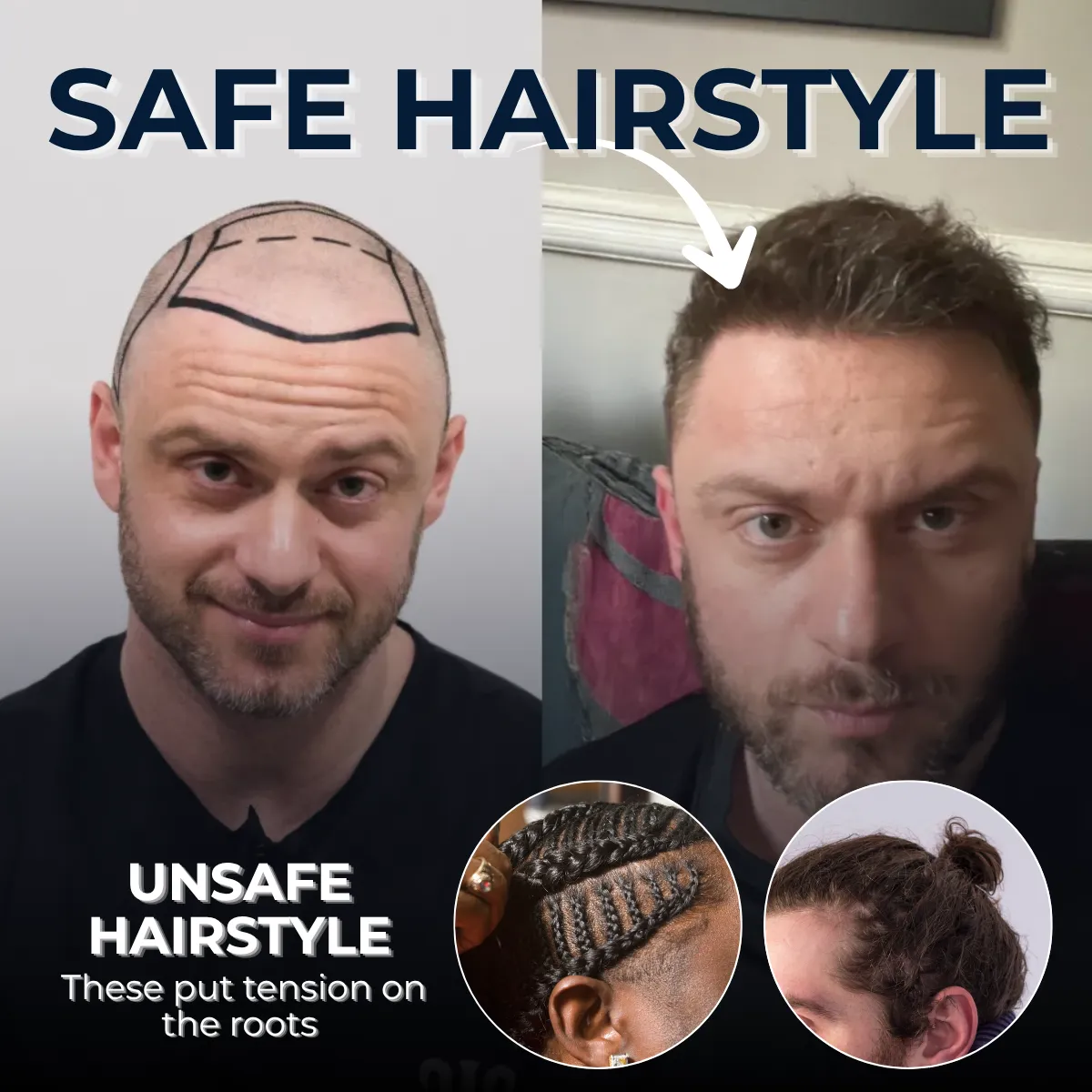
Pulling your hair tight every single day physically tortures the root. Wear that slicked-back ponytail long enough, and you'll eventually start seeing thin patches right where the tension hits hardest.
What Are the Signs and Symptoms of Hair Loss?
Hair loss doesn't look the same on everyone.
How you lose it actually gives away massive clues about what's going wrong under the skin. If you pay close attention to the pattern, you can often narrow down the culprit before you even book a clinic visit.
What You Notice
Possible Causes
Gradual temple recession
Androgenetic alopecia
Widening center part
Female pattern hair loss
Sudden diffuse shedding
Telogen effluvium
Round smooth patches
Alopecia areata
Hairline thinning with tight hairstyles
Traction alopecia
Hair loss with scalp inflammation/scarring
Possible scarring alopecia
Sure, these patterns are huge clues. But they don't lock in a diagnosis all by themselves.
Is Hair Shedding the Same as Hair Loss?
A hair on your sweater is just a hair on your sweater. Right?
Well, biologically speaking, daily shedding and progressive hair loss are two completely different beasts.
The difference is huge. They need entirely different game plans.
What Is Normal Hair Shedding?
You are supposed to lose hair. Dropping about 50 to 100 strands a day is just part of being human. As the old ones fall away, new ones are already gearing up to take their place.
What Is Excessive Hair Shedding?
When your body takes a massive hit, way too many hairs get pushed into their resting phase all at once. Next thing you know, you're pulling literal clumps out of the shower drain.
Panic-inducing? Absolutely.
But thankfully, it rarely lasts forever.
What Is Actual Hair Loss?
True hair loss is different. This happens when something actively blocks the hair from growing back.
The follicle might shrink up, get scarred, or even face a full-blown attack from your own immune system.
How Can You Tell the Difference?
Excessive Shedding vs. Hair Loss
Characteristic
Excessive Hair Shedding
Hair Loss
Pattern
Often diffuse.
May be patterned, diffuse, or patchy.
Onset
Noticeable after a trigger.
Can be gradual or sudden.
Recovery
Often temporary.
Depends on the condition.
The Mechanics Behind the Most Common Causes
So, what's actually going on down there in the scalp? Let's look at the biology for a second.
Androgenetic Alopecia (Genetics)
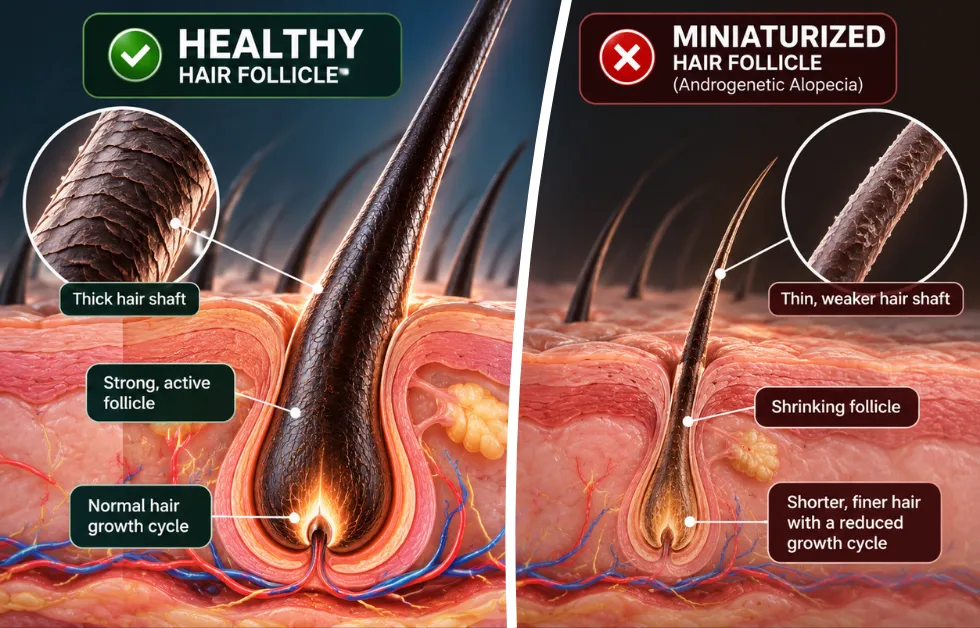
If you're genetically wired for it, certain follicles will slowly shrink when exposed to androgens (like DHT). Fast forward a few years, and the hairs coming out get finer and shorter with every single cycle. Eventually? They turn into tiny, peach-fuzz hairs you can barely see. It's still one of the biggest reasons people lose hair globally.
Telogen Effluvium (Stress and Illness)
Bad flu, major surgery, or just a brutal psychological breakdown? Your body panics and forces hair follicles to go dormant.
They just sit there doing nothing for a few months.
Then they drop. That's why the shedding sneaks up on you long after the actual bad event is over.
Alopecia Areata and Autoimmune Responses
This is basically a glitch in your immune system. Your body gets confused and attacks perfectly healthy hair follicles. You usually end up with these smooth, coin-sized bald patches-though how bad it gets really depends on the person.
Nutritional Deficits
Tanking your iron or missing out on key vitamins will absolutely push your hair to bail.
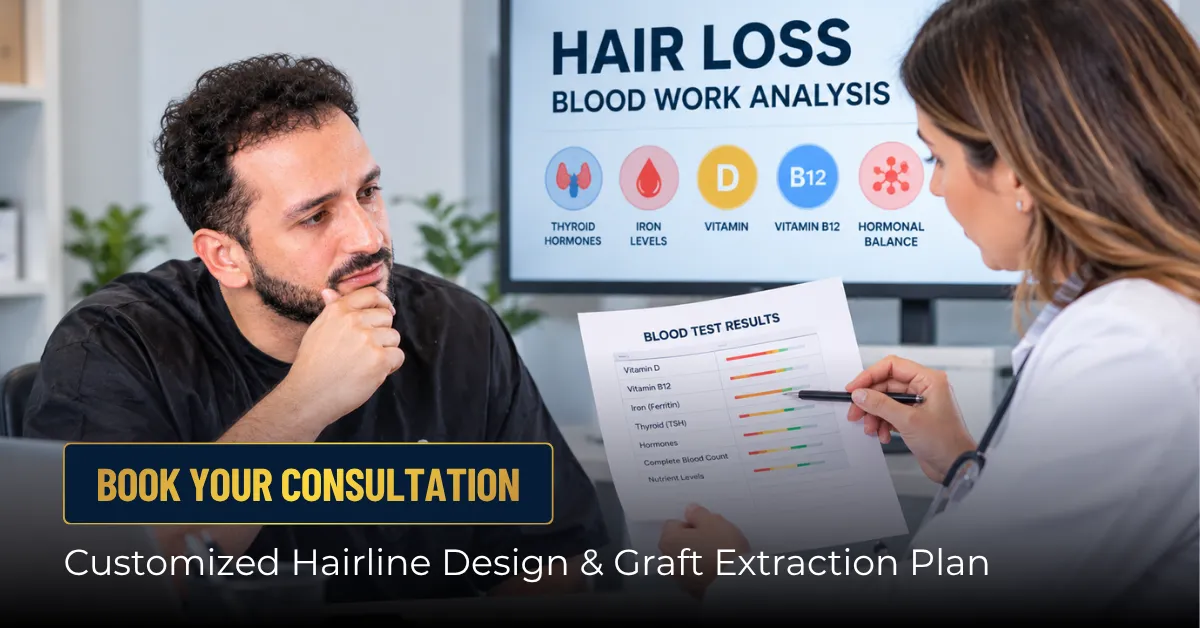
But don't just guess. The American Academy of Dermatology says you need to back this up with a blood test before you start swallowing handfuls of random supplements. Pumping your body full of vitamins you don't need can actually backfire.
What Causes Hair Loss Specifically in Men and Women?
Your DNA doesn't care if you're a man or a woman, but the way you lose hair absolutely does.
Hereditary Patterns in Men
We all know what male pattern baldness looks like. It almost always kicks off with the hairline creeping back at the temples, or a bald spot opening up right on the crown.
Hormonal Shifts and Patterns in Women
Women rarely get that classic receding hairline. Instead, you'll usually notice your center part getting wider, and the hair just feels thinner all over the top.
Then there's pregnancy. It sends your hormones on a massive rollercoaster-which is why so many moms go through terrifying shedding a few months after giving birth. Estrogen drops during menopause do the exact same thing; they just speed up the thinning.
Can Hairstyles and Hair Care Cause Hair Loss?
Sometimes your morning routine is doing the real damage.
Traction Alopecia
Yanking your hair back into tight ponytails, heavy braids, or extensions puts crazy tension on the roots. Keep doing it month after month, and you've got traction alopecia. If you don't give your scalp a break, those follicles will eventually just give up and die.
Heat and Chemical Damage
Torching your hair with straighteners and harsh chemical relaxers wrecks the protein. Usually, this just snaps the hair off rather than pulling it out by the root. But if you accidentally burn your actual scalp with chemicals? That can wipe out follicles for good.
Why Am I Suddenly Losing So Much Hair?
Watching your hair fall out in handfuls is terrifying.
But there's almost always a biological reason for it. Think about where you were three or four months ago.
Recent Physical Trauma or Surgery
Surgery is brutal on the body. Add in anesthesia and the recovery process, and your metabolism freaks out. It is insanely common to start shedding heavily a few months after going under the knife.
Rapid Weight Loss
Dropping a ton of weight fast usually means you're slashing nutrients. Your system gets shocked. For a lot of people, that's more than enough to kick off a wave of telogen effluvium.
Severe Infections and Fevers
Running a dangerously high fever totally scrambles how your cells divide. The fallout? It shows up in your hair brush long after you've totally recovered.
Can Hair Grow Back After Hair Loss?
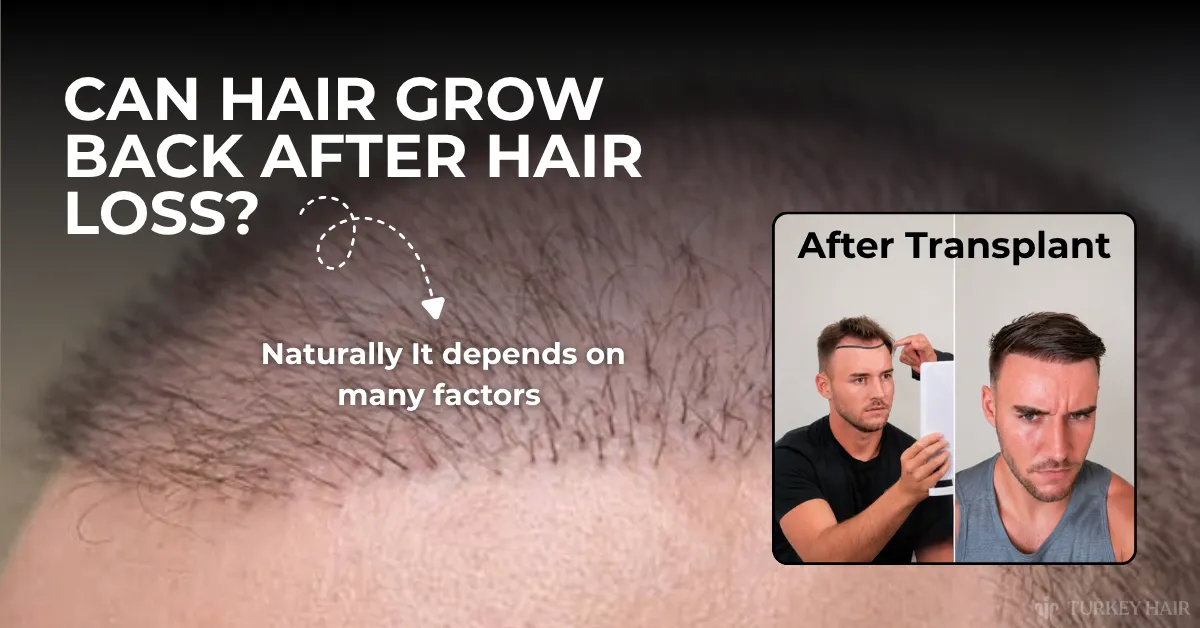
Short answer? It depends.
Some types bounce back as soon as you fix the problem. Others just keep getting worse unless you intervene.
When Hair Loss Is Temporary
If stress, a bad flu, or having a baby caused your shedding, you're usually in luck. The hair often grows back once the underlying stressor has resolved.
Managing Permanent Conditions
Genetic hair loss can continue to progress without treatment. If you ignore it, those shrinking follicles will just keep fading out. Right now, there isn't a magic pill that permanently cures genetic baldness. Most treatments just help you hold onto the hair you've still got left.
Understanding Scarring Alopecia
Once scarring permanently destroys a hair follicle, that follicle cannot produce hair again. Early diagnosis is important because treatment may help prevent further damage.
How to Stop or Reduce Hair Loss
Throwing random serums at your scalp without knowing the actual problem? Bad idea.
Identify the Trigger First
There is no universal cure. You have to get a real diagnosis. A good doctor will check your scalp, run some blood work, or maybe take a quick biopsy if they think there's an infection going on.
Medical Treatments
Minoxidil is the classic go-to for pattern thinning. Then there's Finasteride, a prescription pill mostly used by guys fighting genetic loss. Dealing with alopecia areata instead? Doctors usually rely on steroid injections to tell your immune system to back off.
When Hair Transplantation May Be Considered
If the thinning is permanent but you still have good hair in the back, a transplant might be on the table. They literally move healthy follicles to the bald spots. But before anyone touches your scalp, a surgeon has to make sure your donor hair is actually strong enough to handle it.
When Should You See a Doctor About Hair Loss?
Stop diagnosing yourself on Google.
The NHS recommends seeing a doctor if you are concerned about hair loss, particularly when the cause is unclear or the hair loss is sudden.
Red Flags Requiring Evaluation
If your hair starts falling out fast and it doesn't look like normal balding-get help. Finding smooth, completely bald circles on your head? Get that checked right away. And if your scalp burns, itches like crazy, or you feel exhausted all the time, don't wait around. See a professional.
Frequently Asked Questions
What Is the Most Common Reason for Hair Loss?
It almost always comes down to family history. Genetic balding (androgenetic alopecia) easily affects the most people around the world, male or female.
Can Stress Cause Hair Loss?
100%. A brutal breakup, a crazy job, or intense anxiety can shut down your hair's growth cycle. Just remember the delay-you won't see the shedding until months after the stress peaks.
Which Nutrient Deficiencies Cause Hair Loss?
If your body is starving for iron, zinc, or enough protein, your hair is going to suffer. But seriously, don't self-prescribe. Get a blood panel done to see what you actually need before you buy a bunch of biotin.
Can Medication Cause Hair Loss?
Sure can. Stuff you take for blood pressure, depression, or cancer can sometimes push your hair into a shedding phase. Never just quit taking your meds, though. Bring it up with your doctor first and see if you can switch.
How Can I Stop Hair Shedding?
Stop guessing. Until you figure out if it's stress, hormones, or genetics pulling the strings, you can't fix it. Get a real diagnosis, and then you can start a routine that actually works.
The Bottom Line: Understanding Hair Loss
Hair loss is just complicated. It's this messy mix of your DNA, your hormones, what you eat, and how much stress you're under.
Waking up to a pillow covered in hair sucks.
But keep in mind, going through a temporary shedding phase is radically different from losing your hair for good. Before you drop serious cash on lasers or magic shampoos, sit down with a medical professional and figure out your exact triggers.
About the Author
Written by: Nazmi G., Senior Trichologist & Hair Restoration Consultant. Nazmi spends his days figuring out the real reasons patients lose their hair. He's huge on educating people, helping them hold onto the hair they have with science-backed habits before they ever have to think about surgery.
Medical Review Note
Medical Review by: Dr. Tompi, M.D., Plastic & Aesthetic Surgeon. Dr. Tompi double-checked this piece to make sure the science holds up-especially the breakdowns on telogen effluvium, alopecia areata, hormone shifts, and real-world treatments.
Editorial Policy & Trust
The medical details in this article are here to teach you, not to diagnose you. It does not replace a one-on-one sit-down with your doctor. Please don't try to diagnose yourself or toss your prescribed meds in the trash without talking to a physician first.
Send three photos: front, top and sides. You get a technique recommendation, a graft range and a straight answer about what is achievable, before anyone talks about price.
Your details are with the team
A patient coordinator will get back to you shortly. If you would like to send your photos now, WhatsApp is the fastest way to do it.
We respond quickly, day or night, in your language.
Multilingual team, no obligation
Data protectedKVKK and GDPR compliant, 100% confidential
Authorized Health Tourism Intermediary
Turkey Hair Center is the hair-restoration brand of Healthy Way Tourism, an authorized international health-tourism intermediary. All medical procedures are performed by licensed medical professionals at authorized healthcare facilities in Turkiye, in accordance with the regulations of the Ministry of Health.