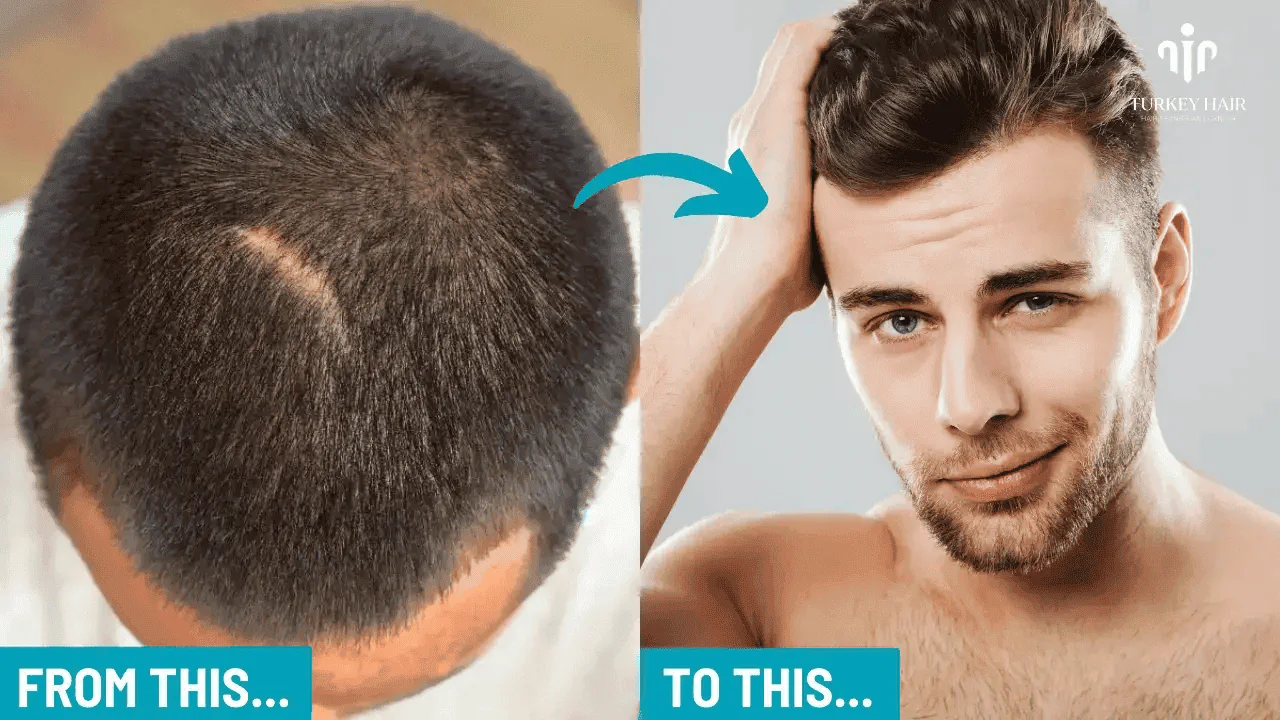
Performed at authorized partner hospitals Turkey Hair Center is a Ministry of Health authorized health-tourism intermediary, not a clinic.
Many people are scared of scar hair transplant because it is harder than standard hair transplant. Scar tissue has altered blood supply and reduced elasticity so it is technically more demanding. For this reason, it is essential to choose the right technique and experienced medical team.
FUE is the method most often preferred for scar correction, compared with FUT and DHI. It enables the surgeon to carefully implant into fibrotic tissue by small punch diameters without making new linear scars.
Short answer
A scar hair transplant moves your own hair follicles from the donor area at the back of the scalp into a mature, stable scar, usually with FUE, so new hair grows through it and camouflages it. It can suit scars from surgery, injuries, burns, trauma or acne when your health and donor area allow. With us it is an all-inclusive package from NZ$4,540 to NZ$8,010, done in a single session under local anesthesia.
Single session, local anesthesia, sedation support on request
Included stay
2 hotel nights, VIP transfers, next-day check-up
Visible growth
Around months 3-4
Final result
Usually 9-12 months
Often chosen for
Mature scars from surgery, injury, burns or acne
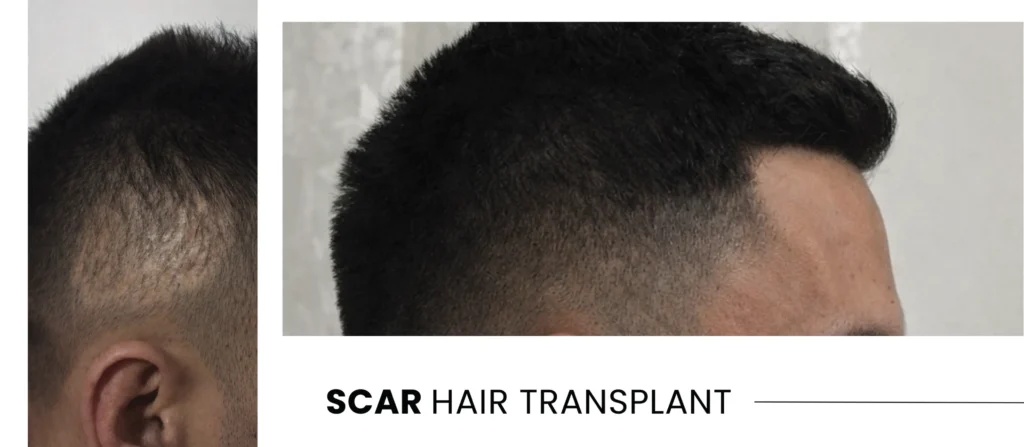
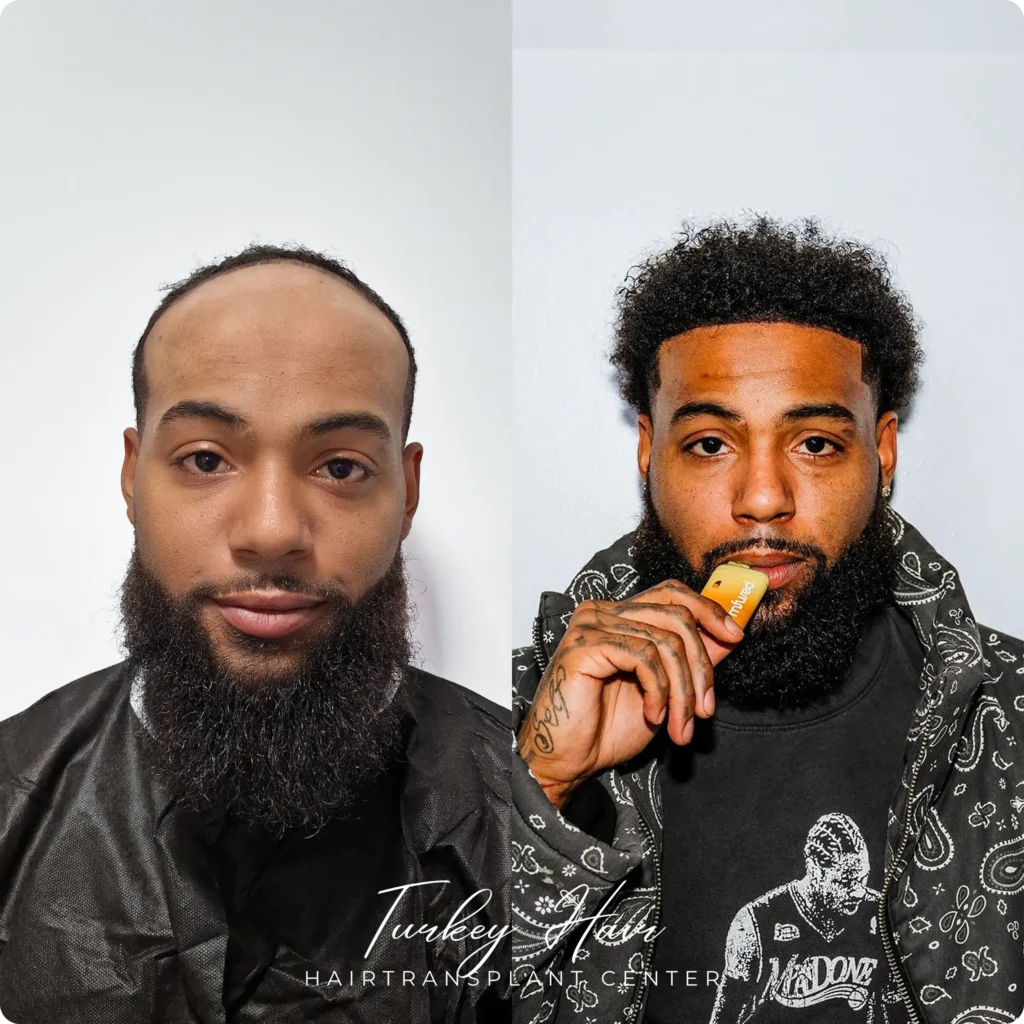
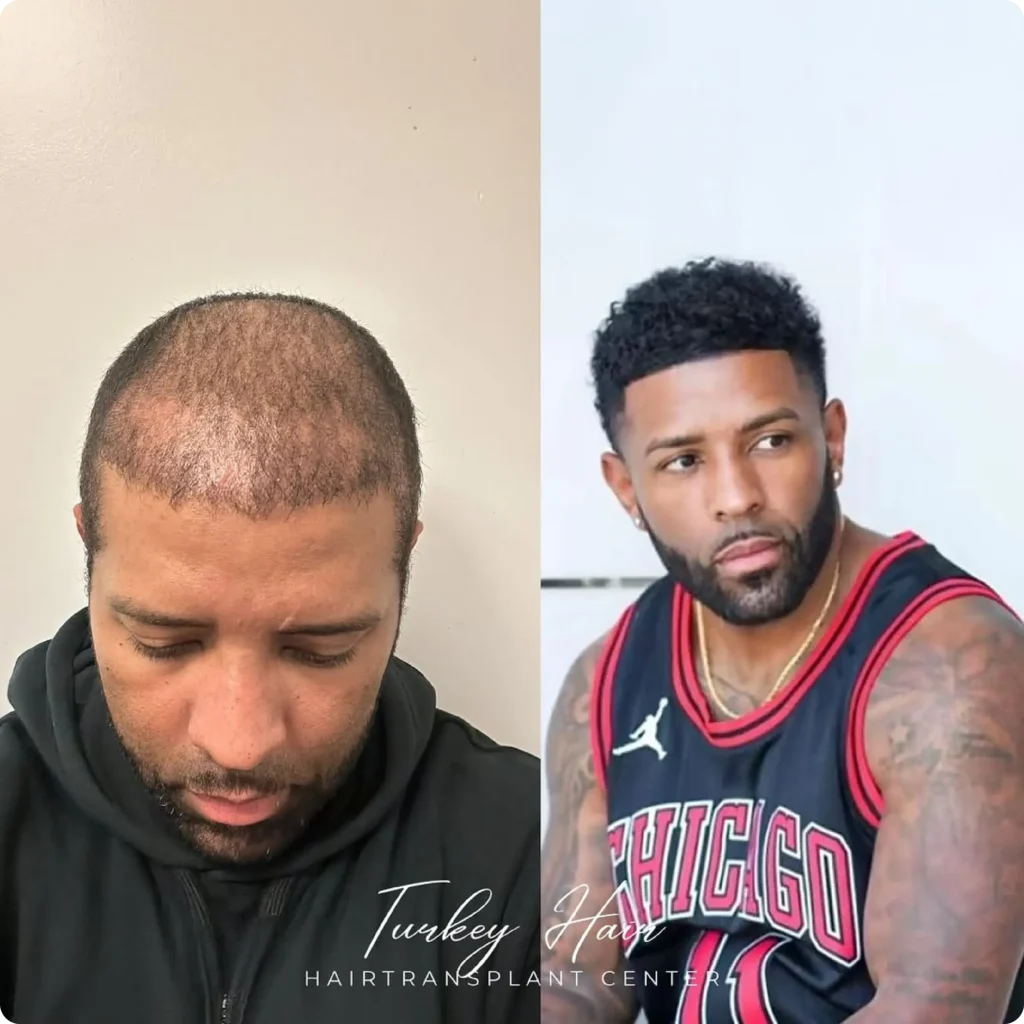
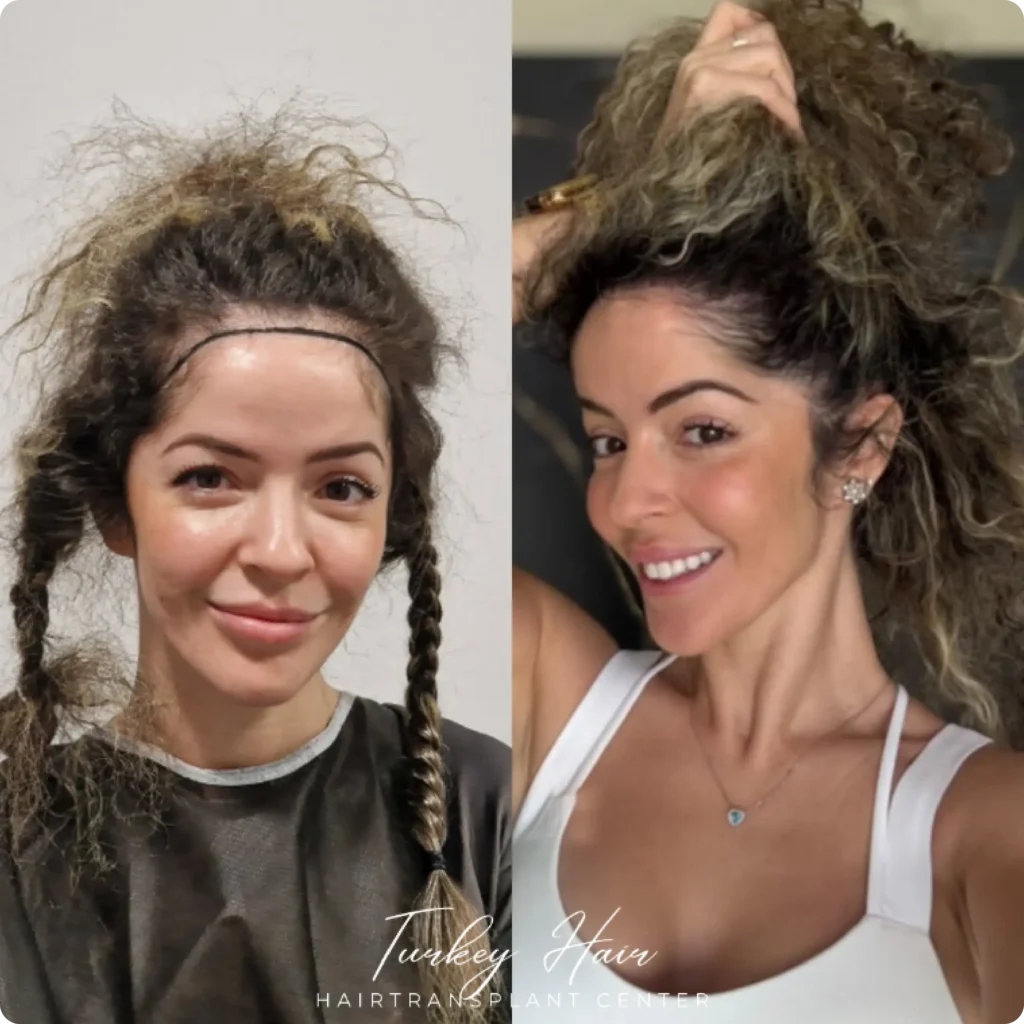
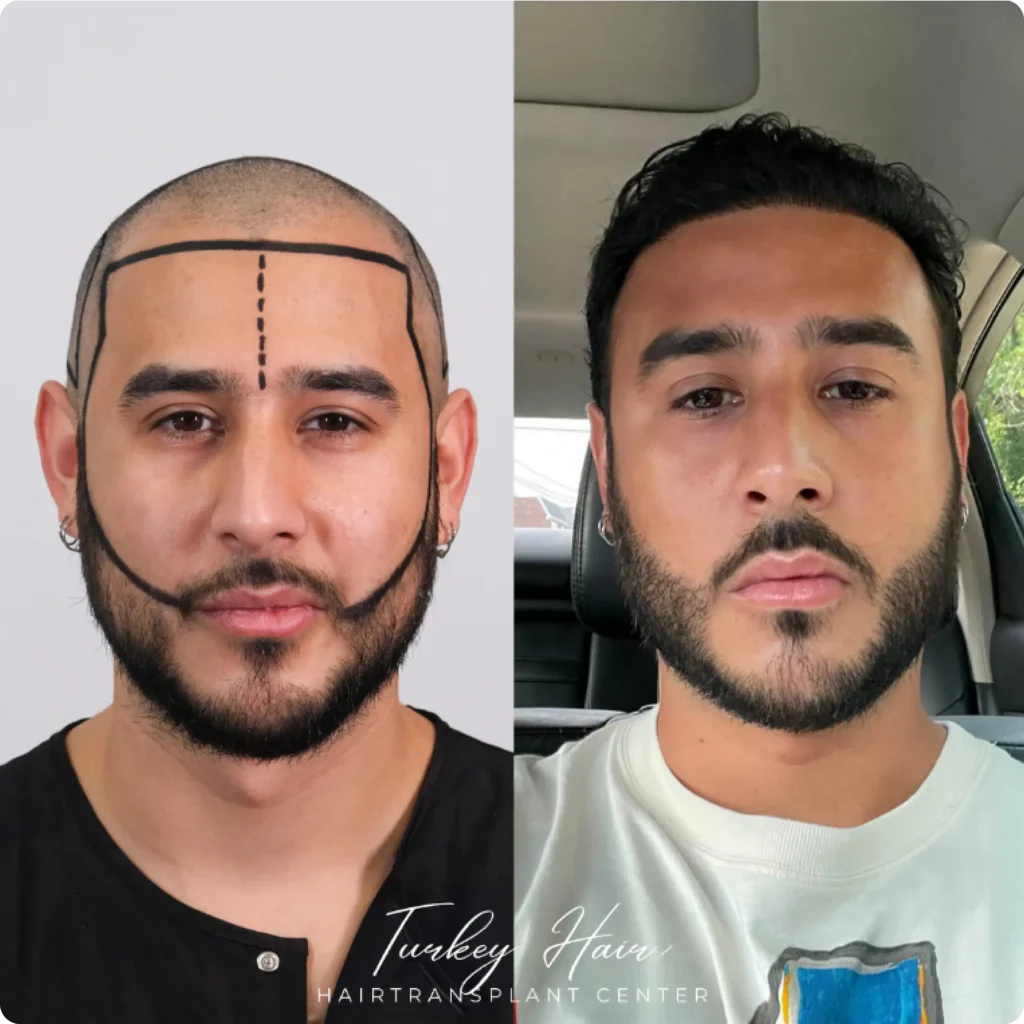
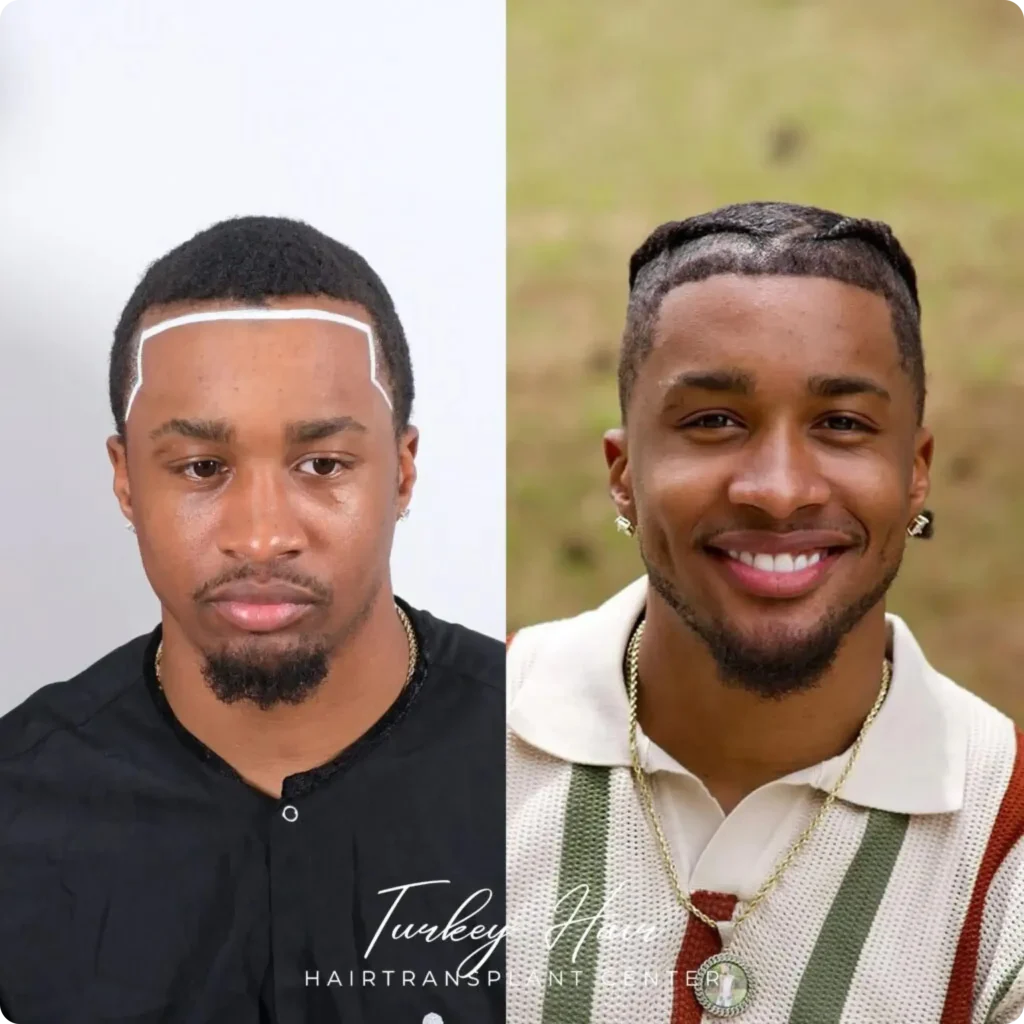
Hair Transplant on Scar Results: Before and After
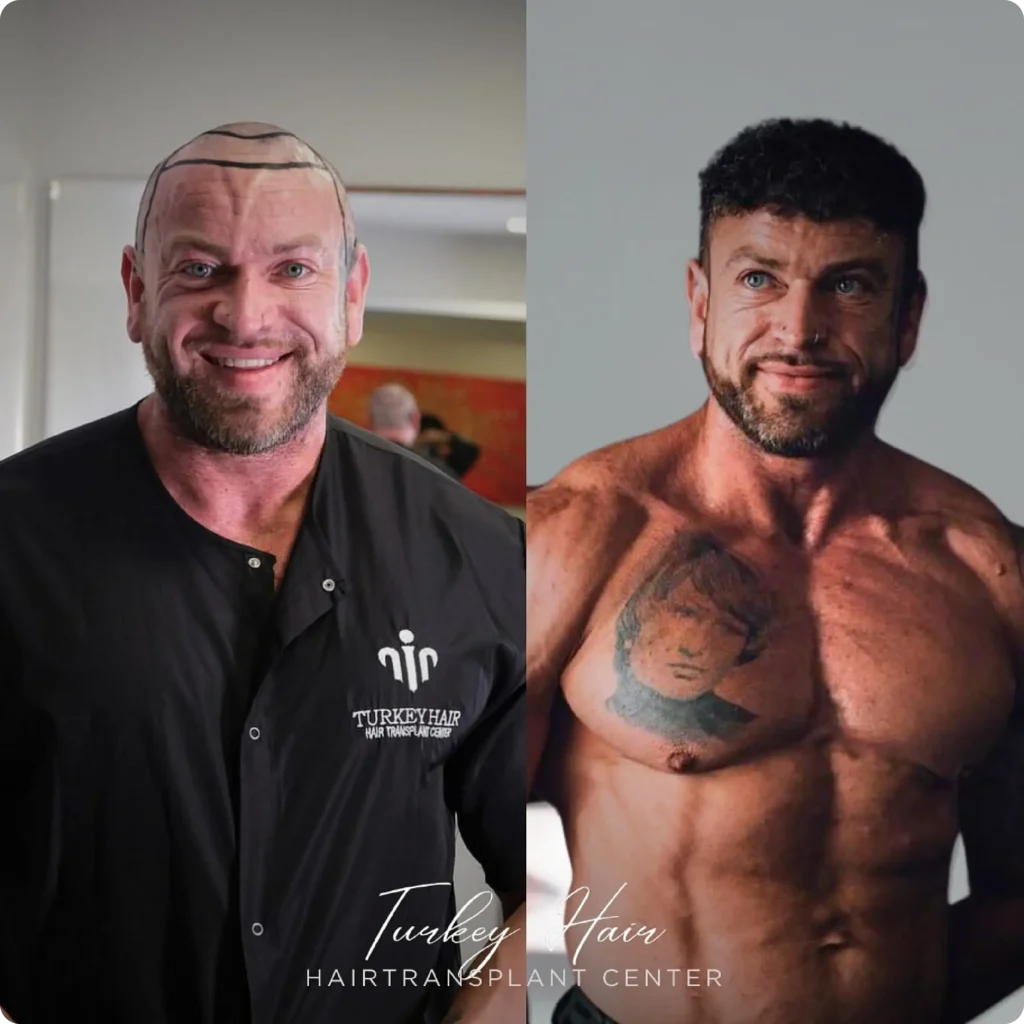
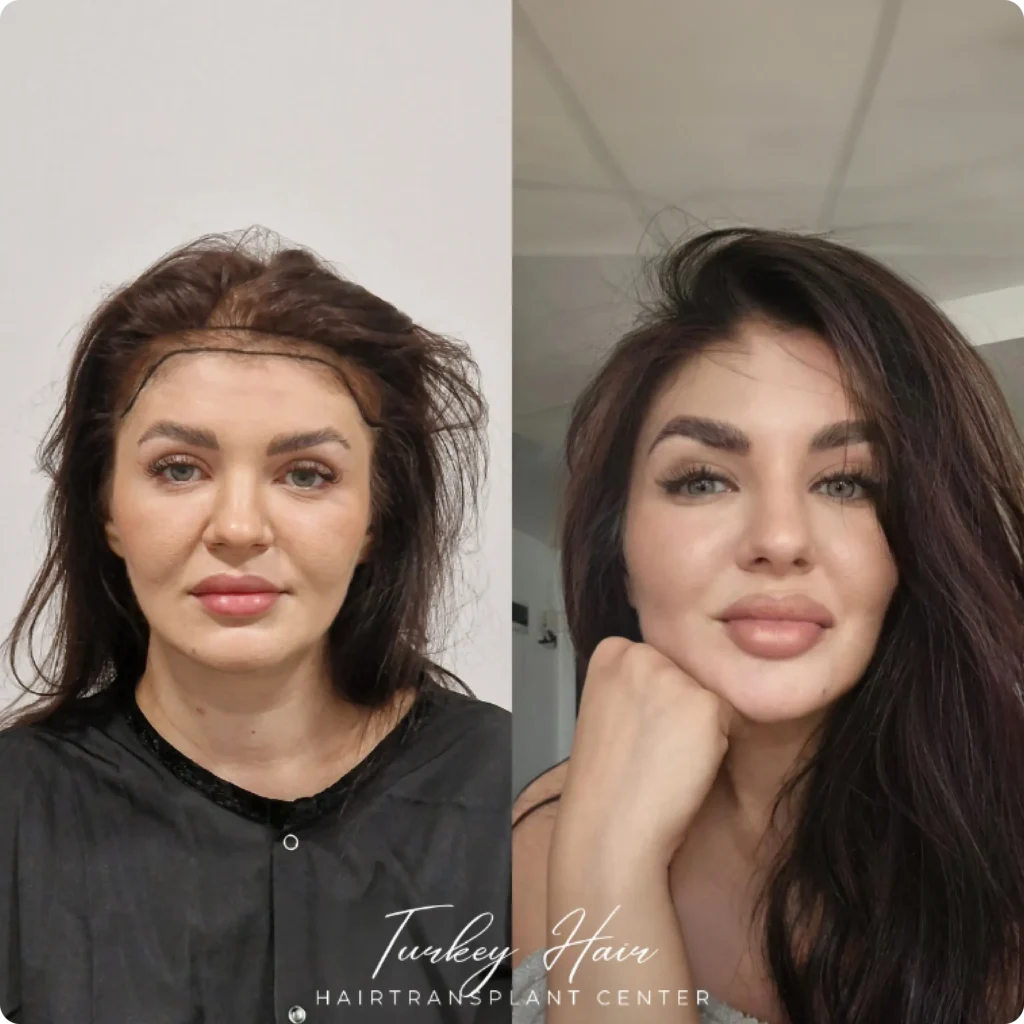
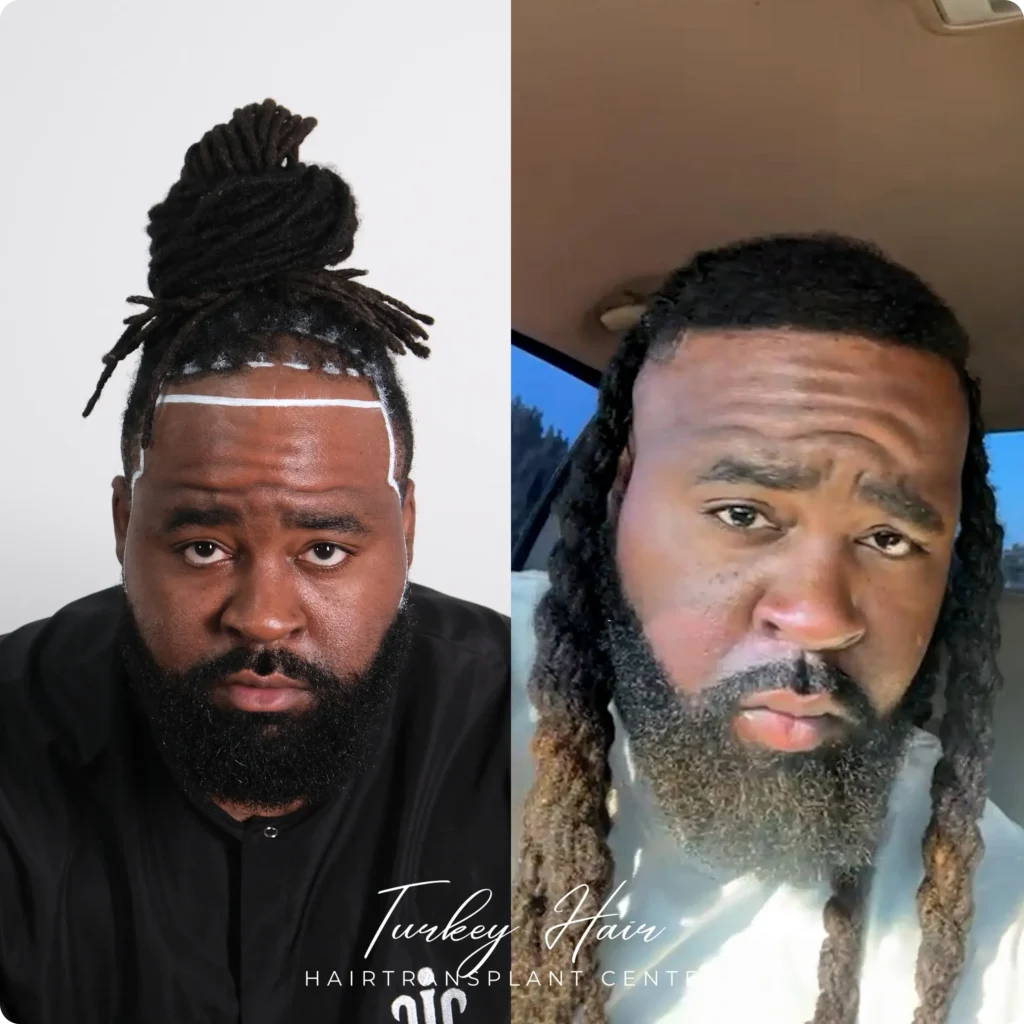
The main goal of scar hair transplantation is to hide the scar, not to restore full density: grafts are placed at a lower density than on healthy scalp. The gallery shows hair transplant results of our patients; ask the medical team for cases that match your scar.
Judge hair transplant scar before and after photos at about 12 months, and check their lighting, angle and date. The same applies to hair transplant scar revision before and after cases and any hair transplant on scar tissue before and after gallery. Hair transplant into scar tissue results mean camouflage, not a full head of hair.
Can You Get Hair Transplant on Scars?
Can you do hair transplant on scar tissue? In many cases, yes, but only when the scar is mature and the tissue can support new grafts. If you lost hair to surgery, injuries, burns, trauma or acne, a scar hair transplant may be an option for you. Its success depends on clinical criteria, and ideal candidates need:
Good general health
Stable scars
Healthy donor area
Hair usually grows in scar tissue at a lower density than on healthy scalp, because the blood supply is weaker. Large scars sometimes need staged sessions.
FUE vs FUT Scar
The FUE vs FUT scar question matters twice: for the scar you may already have and for the donor area. A FUT hair transplant scar is a line left by removing a strip of scalp; FUE leaves tiny dots. Grafts for scar repair are taken with FUE, so no new line is added.
Technique Choices That Influence Scarring (FUE vs FUT, Closure Methods)
Method
Recommendation
Explanation
FUE
Highly Recommended
It is often preferred for scar tissue. FUE enables precisely controlled depth and angle placement without the creation of new scars.
DHI
Conditionally Recommended
It might be effective for minor scars but has limited depth control in fibrotic tissue. For this reason, the FUE method is often preferred for fibrotic tissue compared to DHI.
FUT
Not Recommended
It may cause further scarring and has poor graft adaptation for scarred spots.
Closure methods matter too: a FUT strip wound is closed with sutures or staples, and too much tension on the stitches can widen the line. FUE dots are usually visible at one year only on a head shaved with a razor. See our FUE hair transplant guide.
How Hair Transplant on Scar Is Performed: Step by Step
Scar repair follows the standard FUE steps, but fibrotic tissue with a weaker blood supply needs slower, more careful implantation. It is one session under local anesthesia, with sedation support on request.
Pre-Op Steps: Medication Review, Smoking, and Scalp Prep
Blood tests and a medical analysis come first. Aspirin and some anti-inflammatory drugs increase bleeding, so they are paused under medical supervision; smoking and alcohol stop at least 5-7 days before. See how to prepare before the operation.
Step 1: Scar Assessment and Surgical Planning
The surgeon determines graft density and survival rate by evaluating scar thickness, flexibility, blood supply and surrounding hair direction.
Step 2: Donor Hair Extraction with FUE
FUE is used to extract individual follicles without making new linear scars and protecting donor aesthetics.
Step 3: Graft Selection and Preparation
Finer grafts are chosen and cut to maximize survival in low-vascular scar tissue.
Step 4: Implantation into Scar Tissue
To help ensure integration and natural blending, grafts are carefully implanted with specified depths and angles.
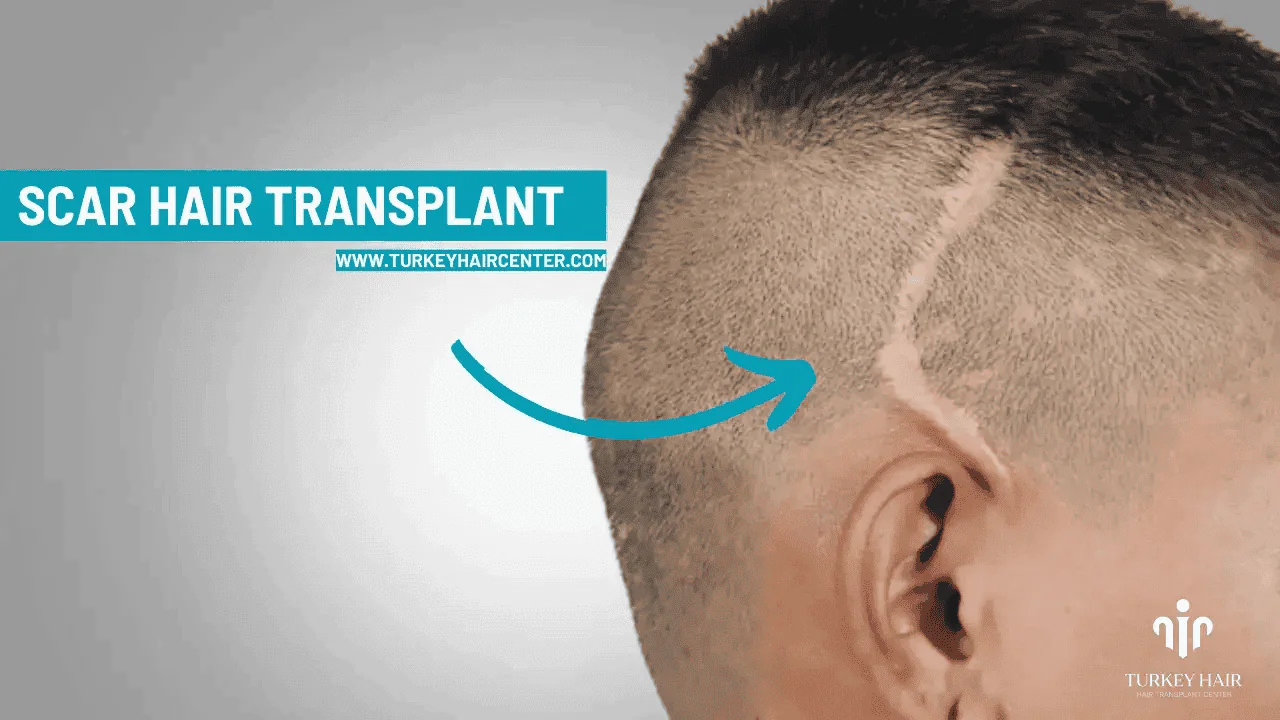
Scar Hair Transplant
Follicular Unit Transplantation (FUT)
FUT removes a strip of scalp and divides it into grafts. It is not used for scar repair, because it adds a new linear scar, but FUE grafts can be placed into an existing FUT scar.
Tissue Stiffness and Lack of Visibility
Scar tissue is firm and less elastic, so channels are harder to open at the right depth, and with no hair around, a wrong angle shows. Each graft follows the surrounding hair direction.
Scar tissue has fewer vessels, so grafts go in at a lower density. Grafts set too shallow or too deep can fail, and immature scars have lower survival rates.
Hair Transplant Into Scar Tissue Aftercare
The standard routine applies more strictly, because smoking, pressure and picked scabs cost more grafts in scar tissue. See our aftercare guideline.
Scar Hair Transplant Cost
The total cost of scar hair transplant depends on factors below:
The number of grafts
Scar tissue quality
Blood supply
The complexity of the scar area
With us, the hair transplant on scar tissue cost is an all-inclusive package: Sapphire Prime NZ$4,540, Sapphire Advanced Regrowth NZ$5,340, DHI Comfort NZ$5,970 or Exosapphire Microflow Elite NZ$8,010. Each covers the operation, blood tests, 2 hotel nights, VIP transfers, an assistant and interpreter, the next-day check-up and 2 years of aftercare consultation; flights are not included. On hair transplant scar removal cost: a transplant hides a scar with hair, it does not cut it out. See all treatments and packages.
Fix Scar Hair Transplant
How Many Grafts Are Needed for Scar Hair Transplant?
Most of the scar hair transplant requires 200 to 1,000 grafts according to scar size, depth and location.
It’s Normal for Hairs to Fall Out of the Transplanted Area
Most transplanted hairs shed between weeks 2 and 4. This is expected; new hair grows from around months 3-4.
Aftercare Tips
Keep the treated area dry for the first 48 hours
Avoid pressure or friction on the scar area, also while sleeping
Let scabs fall off naturally; never scratch or pick them
Avoid smoking and alcohol, which reduce blood flow to the grafts
Follow your surgeon's aftercare instructions precisely
Post-Op Scar Care: Cleansing, Moisturizing, Sun Protection, and Massage Timing
The first wash is usually on day 2-3 with a prescribed foam or lotion; rinse gently, never with fingernails. Moisturize only with prescribed products, keep the scalp out of direct sunlight, which worsens redness, and do not massage until the team says the grafts are secure. See hair transplant scabs.
Surgical Technique, Graft Counts, and Aftercare Adherence
Results depend on careful depth and angle control, a graft count the scar's blood supply can carry, and how closely you follow aftercare.
Are Hair Transplant Scars Permanent?
Yes, every cut in the skin leaves a mark, but most are small. How long do hair transplant scars last? The marks stay while their visibility fades: at one year FUE dots are usually visible only on a head shaved with a razor, while a FUT line stays and can widen.
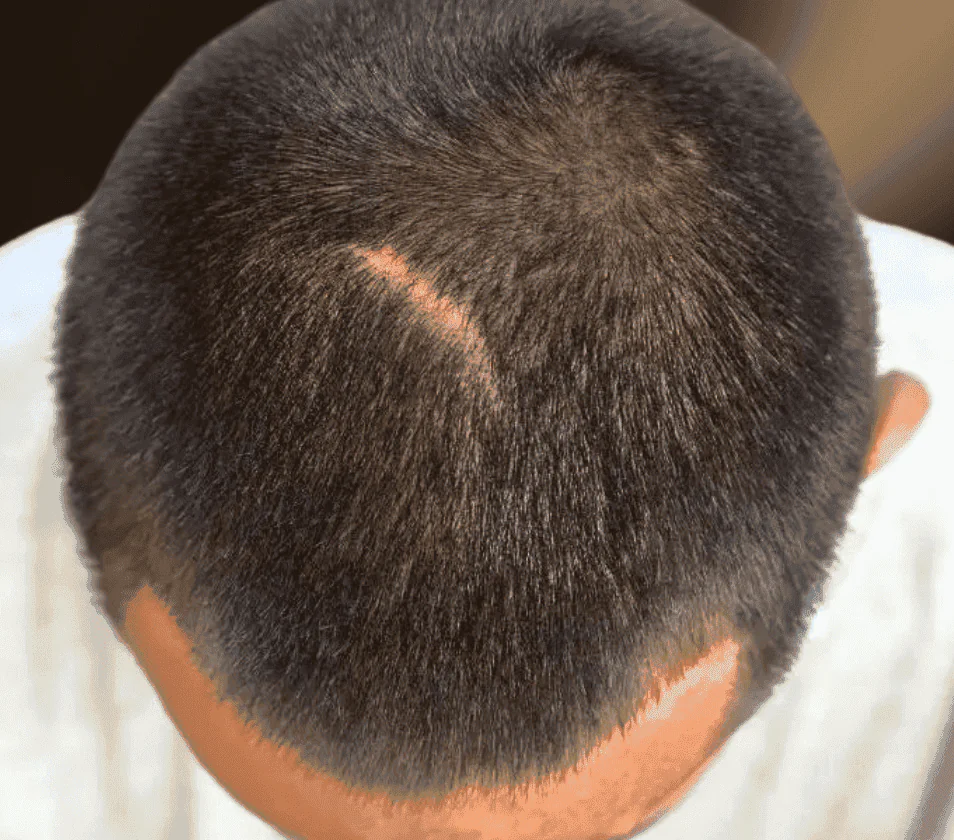
What does hair transplant scar look like? With FUE, each hair transplant graft scar is a small pale dot; with FUT, it is a line across the back of the head.
How Scar Tissue Forms After Hair Restoration
Every graft extraction and recipient channel is a tiny wound that heals with scar tissue, first as redness and small scabs that usually fall away in 7-10 days.
Visibility depends on the method, punch size, spacing of the extractions and your healing. Well-spaced extractions with the right punch size are hard to see once hair grows out. Overharvesting can leave the donor area thin and patchy, so donor density is measured first.
Risks and Side Effects
Like any surgery, a hair transplant on scar tissue carries risks. Most are temporary: redness, swelling, scabbing and shedding. The main scar-specific risk is lower graft survival. See our hair transplant side effects guide.
Success Rate of Hair Transplant in Scar Tissue
Scar tissue has limited blood supply compared to healthy scalp, directly affecting graft survival. For this reason, success rate in scar transplantation can change based on scar type, vascularity, and surgical technique. Also, it might be lower than healthy scalp tissue.
Hair Transplant Scar
Possible Side Effects From Medications
Use only the medication you are prescribed. Topical minoxidil is usually paused until the scalp heals, as it may increase dryness, itching or inflammation; never start, stop or restart minoxidil or finasteride without medical guidance.
Hypertrophic Scars and Keloids (Higher-Risk Patterns)
If you have a history of keloids or thick, raised scars, tell the doctor first: any incision can trigger them, and a keloid tendency raises the risk of complications in the treated scar.
About Hair Transplants on Scar Tissue
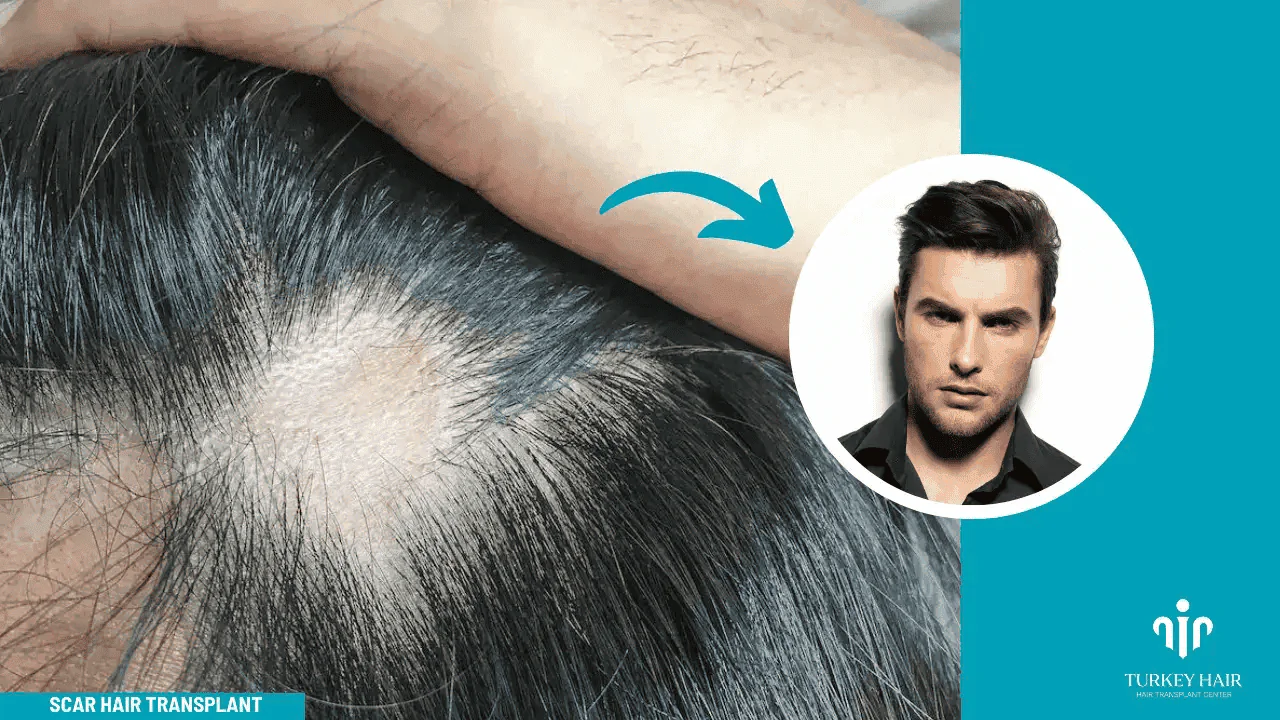
Scar tissue is denser, less elastic and has fewer blood vessels than healthy scalp. That does not rule out a hair transplant, but it changes who is suitable, the graft count and the number of sessions.
Can You Transplant Hair Into Scar Tissue?
Yes, but with important limitations.
Older scars are typically more stable, while better vascularity improves graft survival.
Thinner scars and favorable locations tend to yield better outcomes, and the surgeon’s technique plays a critical role in maximizing density and natural-looking results.
Maturation is a key factor: Only mature and stable scars are suitable for scar transplantation. The risk of complications can increase due to active inflammation or a keloid tendency.
Exclusions: If a patient has unstable scars, active skin infections or inflammatory scalp conditions, they are not eligible until these problems are resolved.
Pro Tip: A small test graft session might be performed first to evaluate scar tissue response in complex cases.
Scar Hair Transplant
Surgical Fixes: Scar Revision, FUE Into Scar, and Tissue Expansion (When Appropriate)
FUE into the scar, described here, camouflages a mature scar with hair. Scar revision, which reshapes or removes a scar, and tissue expansion, which stretches nearby hair-bearing skin, are separate reconstructive operations, not part of our packages.
What Type of Scarring Can Be Treated With a Hair Transplant?
Most mature, stable scars can be treated: from surgery, injuries, trauma, acne and burns, plus strip scars from an earlier FUT procedure. Unstable scars and active scalp infections must settle first. Brow scars are covered in our eyebrow transplant guide.
Recipient-Site Scarring and Cobblestoning
Recipient channels can leave marks of their own; cobblestoning means small raised bumps around grafts. Controlled depth and angle, and a density the scar can support, help keep the surface smooth.
How To Reduce Scarring Before, During, and After Surgery
Before: stop smoking, have blood thinners reviewed and mention any keloid history. During: well-spaced FUE extractions with the right punch size. After: no picking, gentle washing and no direct sun.
Hair Transplantation Scars and Burn Wounds
Burn scars can have a reduced blood supply, which affects graft survival, so they are checked first and a small test session may be advised in complex cases.
How Is Hair Transplantation Applied to Scars?
The same FUE steps are used, at a lower density and with controlled depth and angle. The studies in our sources use hair grafting to camouflage burn, cleft lip and other scars, sometimes with fat grafting.
Hair Restoration on Scars
The aim is camouflage. One cited study describes a single dense-packing FUE megasession for extensive scarring alopecia, but large areas may still need staged sessions.
How To Treat Existing Hair Transplant Scars
Scar removal hair transplant work usually means FUE grafts placed into the old scar, not cutting it out; a FUT strip scar typically takes about 400-700 grafts. That is what hair transplant scars treatment involves with us. Worried about a Turkey hair transplant scar? Send us photos.
Travelling from New Zealand for a scar hair transplant
SafeTravel (New Zealand Ministry of Foreign Affairs and Trade) advises researching the destination, hospital, practitioner qualifications and the procedure, talking to your health practitioner in New Zealand about the risks, and getting a health check before you go. Source: safetravel.govt.nz.
Questions from patients in New Zealand
Who regulates doctors who perform hair transplants in New Zealand?
In New Zealand, the Medical Council of New Zealand sets standards for doctors who perform cosmetic procedures, covering training, skill and expertise, advertising and patient consent. Source: mcnz.org.nz.
What should I do after returning to New Zealand?
SafeTravel advises bringing copies of medical records, seeking advice from a health practitioner before flying after surgery because of the risk of deep vein thrombosis, and sharing full details of the surgery with your health practitioner on return to discuss follow-up care. Source: safetravel.govt.nz.
Does health insurance in New Zealand cover a hair transplant in Turkey?
SafeTravel states that basic travel insurance policies rarely cover medical tourism and advises getting a specialised policy that covers the procedure, complications and medical evacuation. Source: safetravel.govt.nz.
Do I need a visa to travel from New Zealand to Turkey?
New Zealand passport holders are exempt from a visa for visits of up to 90 days, according to the Turkish Ministry of Foreign Affairs. Check the latest advice on mfa.gov.tr and SafeTravel before you travel.
Planning the trip
Entry: New Zealand passport holders are exempt from a visa for visits of up to 90 days, according to the Turkish Ministry of Foreign Affairs. Check the latest advice on mfa.gov.tr and SafeTravel before you travel.
Time difference: Istanbul is on UTC+3 all year, so Auckland is 10 hours ahead of Istanbul during New Zealand summer time and 9 hours ahead in winter.
Prices in New Zealand dollars: NZD prices on this page are converted from our US dollar price list at the European Central Bank reference rate of 1 October 2026 (1 USD = 1.7809 NZD) and rounded. Exchange rates change, so the amount can move slightly.
Scar Hair Transplant: Frequently Asked Questions
Does Hair Transplant Leave Scars?
Yes, but they are small. FUE leaves tiny white dots in the donor area that even short hair typically hides; they show mainly on a head shaved with a razor. FUT leaves a linear scar, which can widen over time.
How to Fix Hair Transplant Scars?
The usual fix is FUE grafts placed into the scar, so hair grows through and hides it. A FUT strip scar typically takes about 400-700 grafts. The scar must be mature and stable, and a test session may be advised in complex cases.
Do You Get Scars From Hair Transplant?
Yes, to some degree, because every graft extraction is a small wound. Visibility depends on the technique, the punch size, the spacing of the extractions and your own healing. Well-spaced FUE extractions are usually hard to see once the hair grows out.
Do Hair Transplant Scars Go Away?
Not completely, but they fade. Scabs usually fall away in 7-10 days, and at one year FUE dots are usually visible only on a head shaved with a razor. A FUT line stays and can widen if the stitches were under tension.
How to Remove Scar From Hair Transplant?
A hair transplant covers a scar with hair; it does not remove it. Cutting a scar out is a separate scar revision decided by a reconstructive surgeon. We place FUE grafts into the scar, planned after a free photo assessment.
How to Cover Scar From Hair Transplant?
Hair is the most natural cover. FUE grafts placed into the scar at the angle of the surrounding hair grow through and blend in. Until then, even short hair typically hides FUE dots, so avoid shaving the donor area with a razor.
How to Hide Scar From Hair Transplant?
Short term, keep the donor hair longer than a razor shave, the only length at which FUE dots usually show. For a long-lasting solution, grafts are transplanted into the scar itself, which needs a mature scar and a healthy donor area.
Do Hair Transplants Scar Your Head?
They leave marks, but usually not ones others notice. At one year FUE dots are usually visible only on a head shaved with a razor; FUT leaves a line. People prone to keloids can form raised scars, so mention any keloid history.
Can You Hair Transplant on Scar Tissue?
Yes, in many cases, if the scar is mature and stable, your health is good and your donor area is healthy. Grafts go in at a lower density because scar tissue has a weaker blood supply, and large scars may need more sessions.
Can Hair Transplant Scars Be Removed?
Not fully, but they can be made much harder to see. FUE grafts can be placed into a FUT strip scar or an area of FUE dots so hair grows through them. Cutting out a scar is a separate operation, not part of our packages.
Free Scar Hair Transplant Assessment
Send clear photos of the scar, the donor area at the back of the head and your front, top and sides. The medical team tells you whether the scar is ready, your likely graft range and package. Get your free hair analysis or ask us on WhatsApp.
Sources and medical review
The clinical statements on this page draw on the following published literature and professional body guidance:
Send three photos: front, top and sides. You get a technique recommendation, a graft range and a straight answer about what is achievable, before anyone talks about price.
Your details are with the team
A patient coordinator will get back to you shortly. If you would like to send your photos now, WhatsApp is the fastest way to do it.
We respond quickly, day or night, in your language.
Multilingual team, no obligation
Data protectedKVKK and GDPR compliant, 100% confidential
Authorized Health Tourism Intermediary
Turkey Hair Center is the hair-restoration brand of Healthy Way Tourism, an authorized international health-tourism intermediary. All medical procedures are performed by licensed medical professionals at authorized healthcare facilities in Turkiye, in accordance with the regulations of the Ministry of Health.